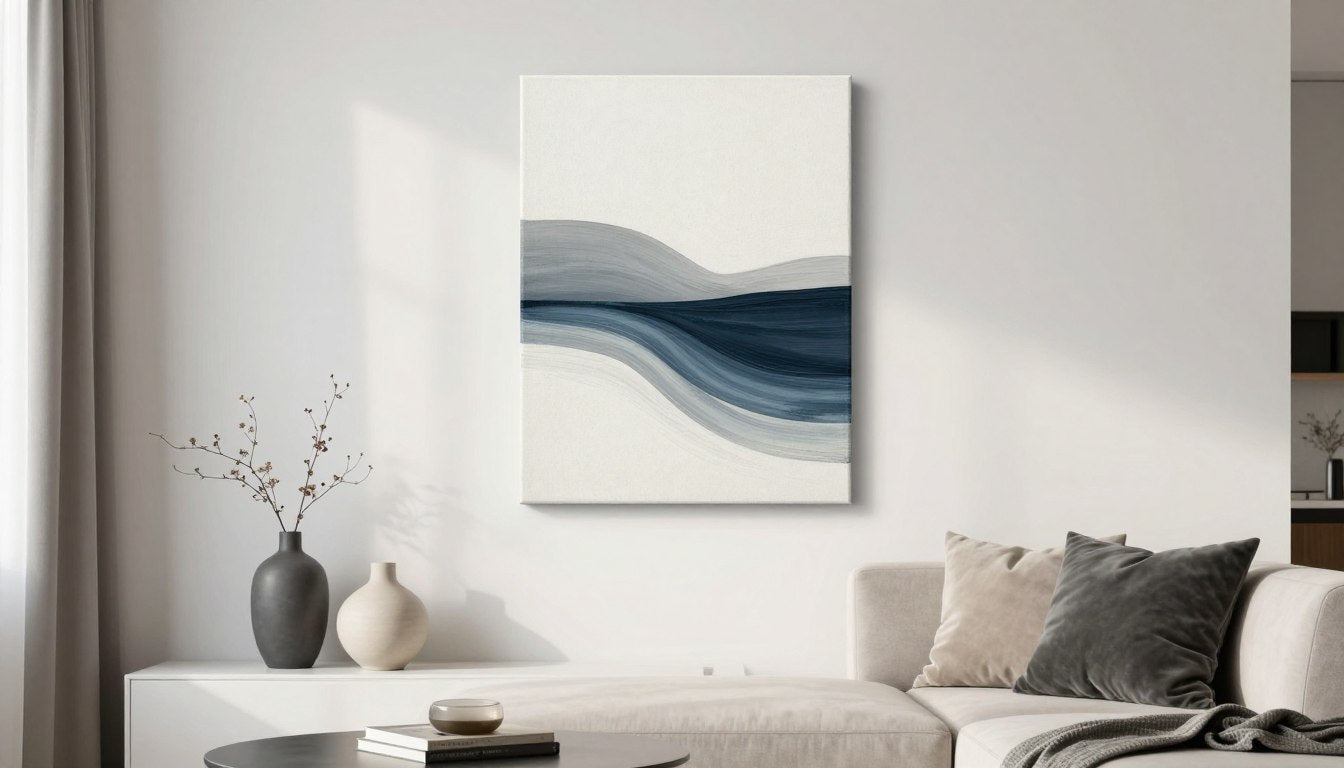

You walk into a room and something feels different. The space has personality. It draws you in. But here's the secret: big changes don't always require big investments.
Small decor items that make a big impact can transform your home without breaking the bank. These pieces add character, warmth, and style to any space. The right additions can shift the entire ambiance of a room in just minutes.
In this guide, you'll discover which small decor pieces create the most dramatic transformations. We'll explore practical tips for every room in your home. Get ready to see your space in a whole new way.
Why Small Decor Changes Create Big Results

Small items work because they're focused. They don't compete with your furniture or overwhelm the space. Instead, they enhance what's already there.
Think of your room as a canvas. Large furniture provides the foundation. Small decor items add the finishing touches that bring the whole design to life. These pieces create visual interest without demanding major commitment.
The beauty of small changes lies in their flexibility. You can swap them out seasonally. You can experiment with different styles. If something doesn't work, you haven't lost much time or money. This approach gives you freedom to explore your personal style over time.
If You Love Bold Statement Art, Here Are 3 Prints That Bring That Mood Into a Room
Explore our curated selection of museum-quality canvas prints designed to transform any space instantly.

Abstract Geometric Prints
Bold shapes and vibrant colors that anchor your space with contemporary energy.

Botanical Wall Art
Bring organic beauty indoors with nature-inspired designs that add calm and sophistication.

Line Art Canvas Prints
Minimalist elegance that complements any color scheme and interior design style.
Wall Art: The Ultimate Space Transformer

Nothing changes a room faster than wall art. A single piece can set the entire mood. It becomes the focal point that ties your design together.
Canvas prints offer an affordable way to bring gallery-quality art into your home. They're ready to hang and come in various sizes. The right print can make a small room feel larger or a large room feel more intimate.
When selecting wall art for your space, consider the room's function. Living room wall art should create conversation and reflect your personality. Bedroom pieces should promote relaxation and peace.
Choosing the Right Size and Style
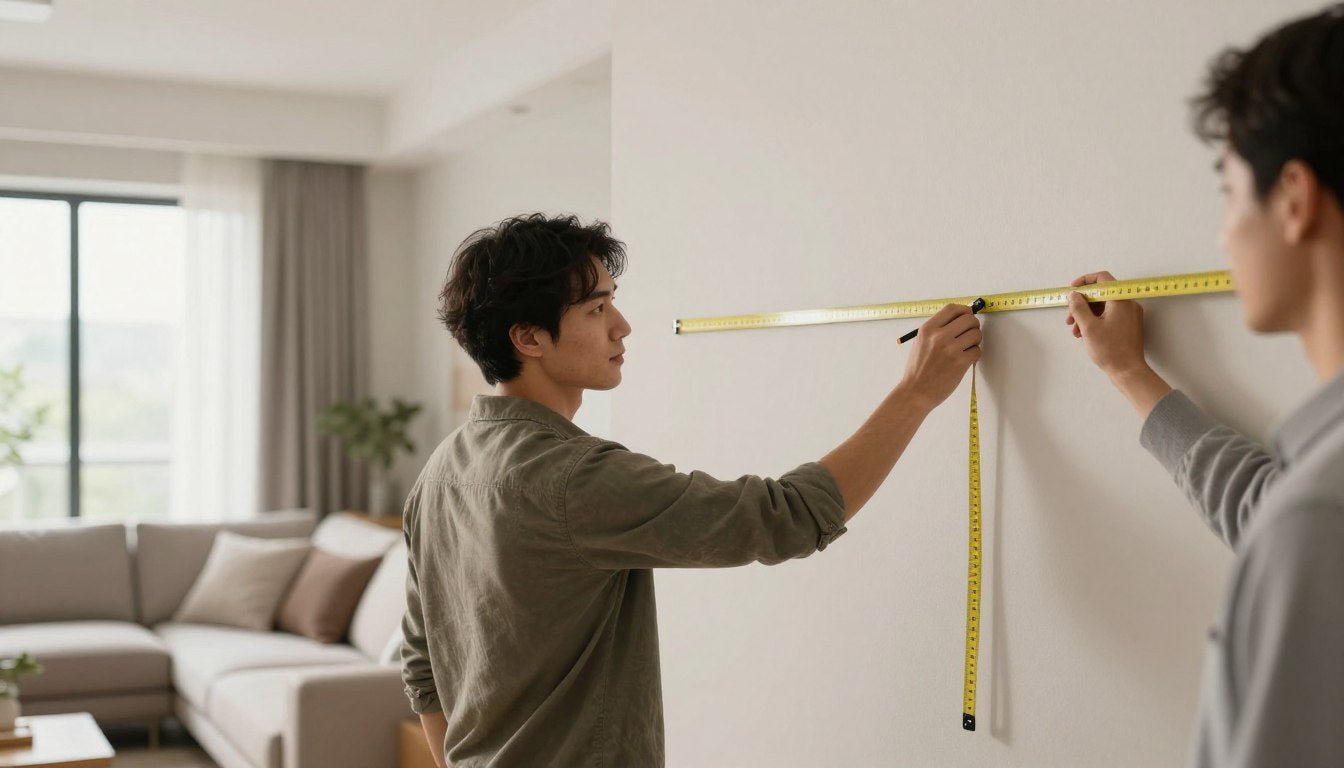
Scale matters when it comes to wall art. A tiny print on a large wall gets lost. An oversized piece in a small space feels overwhelming. Measure your wall space before shopping.
For style guidance, look at what you already have. If your furniture is traditional, consider portrait canvas prints or classic designs. Modern spaces pair beautifully with abstract canvas prints.
Don't be afraid to mix styles either. A contemporary print can add life to a traditional room. The contrast creates visual interest that makes your space memorable.
Creating Gallery Walls
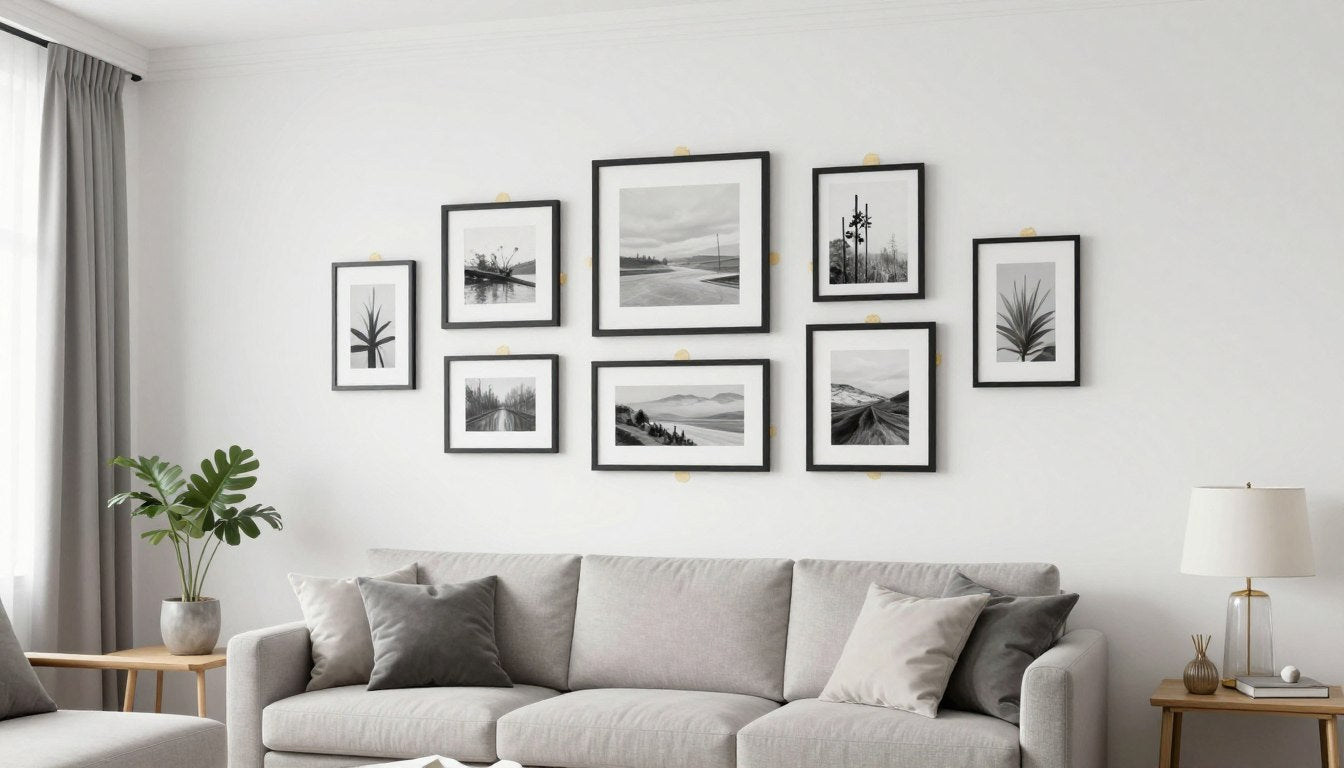
Gallery walls pack serious design punch. They let you display multiple pieces without committing to one large investment. Start with a central piece and build around it.
Canvas print sets take the guesswork out of gallery wall creation. They're pre-coordinated to work together. This saves you time and ensures a cohesive look.
Keep spacing consistent between frames. About two to three inches works well. Use painter's tape to map out your design on the wall before hammering any nails. This preview helps you visualize the final result.
Decorative Objects That Command Attention

Beyond wall art, three-dimensional objects add depth to your interior design. These pieces catch the eye and invite closer inspection. They make rooms feel lived-in and personal.
Sculptures and Statement Pieces
Modern sculptures serve as conversation starters. They add an artistic touch without requiring wall space. Place them on shelves, mantels, or side tables for maximum impact.
The beauty of sculptures lies in their versatility. They work in any room and complement various design styles. A sleek metal piece adds contemporary edge. An organic form brings natural warmth to your space.
Size your sculptures to their location. A coffee table can handle smaller pieces. Entryway consoles need larger statements that welcome guests immediately.
Vases and Vessels
Vases do double duty as decor items. Empty, they're sculptural objects. Filled with flowers, they bring life and color into your home. This flexibility makes them incredibly valuable additions.
Mix different heights and shapes for visual interest. Group three vases together on a dining table or console. This creates a focal point that draws the eye across the space.
Even without flowers, interesting vases add texture and personality. Look for unique shapes, colors, or materials that complement your existing decor scheme.
Textiles That Add Warmth and Personality

Soft furnishings change how a room feels. They add comfort and visual warmth. These items are some of the easiest ways to update your space seasonally.
Throw Pillows
Pillows inject color and pattern without permanent commitment. Swap them out when you're ready for a change. This makes them perfect for experimenting with trends.
Layer different sizes for a professional look. Start with larger pillows in the back. Add smaller accent pillows in front. Mix solid colors with patterns, keeping one color consistent throughout.
The right pillows can tie together disparate elements in your room. Pull colors from your wall art into your pillow selection. This creates cohesion that makes your design feel intentional.
Throws and Blankets
A throw draped over a chair or sofa adds instant coziness. It's both functional and decorative. Choose textures that contrast with your furniture for maximum impact.
In warmer months, opt for lightweight cotton or linen. Winter calls for chunky knits or soft faux fur. These seasonal swaps keep your space feeling fresh throughout the year.
Don't hide throws in baskets. Display them where they add to your design. A casually draped throw looks inviting and adds visual interest to plain furniture.
Match This Vibe to Your Space
Looking for more pieces with this aesthetic? Explore our Black & White Canvas Prints collection for curated selections that complement any room design and create sophisticated visual impact.
Lighting That Sets the Mood

Lighting transforms spaces more than almost any other element. It affects mood, functionality, and how we perceive colors. Small lighting changes make rooms feel completely different.
Table and Floor Lamps
Task lighting serves practical functions while adding style points. A beautiful lamp on a side table provides reading light and acts as decor. Choose designs that reflect your overall aesthetic.
Consider the shade as much as the base. Light colored shades create softer, diffused light. Dark shades direct light up and down for more dramatic effects. Both have their place depending on your needs.
In living rooms, floor lamps fill corners and provide ambient lighting. They're particularly useful in spaces without overhead fixtures. Place them beside seating areas for functional beauty.
Candles and Ambient Lighting
Candles create instant atmosphere. Even unlit, they add visual interest through varied heights and containers. Lit, they provide flattering, mood-setting illumination.
Group candles in odd numbers for the most pleasing arrangements. Three or five candles of different heights create dynamic displays. Use a tray to unify the group and make them easy to move.
String lights aren't just for holidays anymore. Modern designs add whimsy and warmth to any room. Drape them around mirrors, along shelves, or inside glass vessels for subtle glow.
Books and Magazines as Decor

Books serve as both intellectual nourishment and design elements. Their spines add color. Stacked, they create varying heights for displays. They instantly make spaces feel more cultured.
Coffee table books work particularly well as decor items. Large format books with beautiful covers become conversation pieces. Stack two or three and top with a small object for professional styling.
Use books to add height to displays. Place a vase or sculpture on a stack of books to elevate it. This layering technique adds dimension that flat surfaces lack.
Color coordinate your book spines for extra design impact. Group books by color on shelves for a rainbow effect. Or keep it monochromatic for a more subtle, sophisticated look.
Plants and Greenery

Plants breathe life into rooms literally and figuratively. They add color, texture, and movement. Even small plants make spaces feel more vibrant and welcoming.
Choosing the Right Plants
Match plants to your lifestyle and light conditions. Low maintenance options like pothos or snake plants work for busy people. If you have bright windows, consider flowering plants that add seasonal color.
Vary plant sizes and heights for visual interest. A tall plant in a corner fills vertical space. Small succulents cluster nicely on shelves or windowsills. This variety creates depth throughout your room.
Don't overlook the power of fresh flowers on a dining table or kitchen counter. They're temporary but provide maximum impact. Even a simple bouquet elevates everyday spaces into something special.
Displaying Plants Effectively
Planters matter as much as the plants themselves. Choose containers that match your decor style. Modern ceramic pots suit contemporary spaces. Woven baskets add bohemian warmth.
Use plant stands to create height variation. This draws the eye upward and makes ceilings feel higher. It also gives trailing plants room to cascade beautifully.
Group plants in odd numbers for the most pleasing arrangements. Three plants of varying heights create a natural looking display. This technique works on shelves, tables, or floor displays.
Mirrors for Light and Space

Mirrors are secret weapons in interior design. They reflect light, making rooms brighter. They create the illusion of more space. A well-placed mirror can completely change how a room feels.
Position mirrors opposite windows to maximize natural light. This bounces daylight deeper into your room. The effect is particularly dramatic in darker spaces or rooms with limited windows.
In small rooms, mirrors make spaces feel larger. They create depth by reflecting the room back on itself. An entryway mirror serves practical purposes while making narrow halls feel more spacious.
Choose mirror frames that complement your style. Ornate frames add traditional elegance. Simple frames suit modern aesthetics. The frame becomes part of your wall art collection.
Room-by-Room Decor Strategies
Different rooms need different approaches. What works in a living room might not suit a bedroom. Here's how to apply small decor items throughout your home for maximum impact.
Living Room Impact

Living rooms are social spaces. They need personality and warmth. Start with living room wall art as your anchor piece. Build your color scheme around it.
Layer in textiles through pillows and throws. These add comfort and visual interest. Don't forget coffee table styling with books, candles, and small decorative objects.
A large plant in the corner softens hard edges. It fills empty space without blocking sight lines. This creates a more inviting atmosphere for guests and family time.
Bedroom Serenity
Bedrooms should promote rest and relaxation. Choose bedroom canvas prints in calming colors and subjects. Avoid overly stimulating designs or colors.
Soft lighting from table lamps creates a cozy ambiance. Add texture through varied bedding layers. A throw at the foot of the bed adds visual weight and warmth.
Keep nightstand styling simple but personal. A small plant, a book, and a lamp provide function and style. This minimalist approach maintains the peaceful atmosphere bedrooms need.
Kitchen and Dining Spaces
Kitchen decor should be both beautiful and practical. A bowl of fresh fruit serves as art. Attractive canisters store necessities while adding style to your counters.
Dining room wall art sets the tone for meals. Choose pieces that stimulate conversation without overwhelming the space. Food-related art works well but isn't necessary.
The dining table itself offers prime decor opportunities. A simple vase with flowers provides a focal point. Candles add ambiance for evening meals. Keep these items low so guests can see each other across the table.
Home Office Productivity
Office spaces need inspiring decor that doesn't distract. Office canvas art should motivate and energize without being too busy.
Keep your desk clear of clutter but add one or two meaningful objects. A small sculpture or inspiring quote keeps you focused. Plants improve air quality while adding life to work spaces.
Good task lighting is essential for productivity. A stylish desk lamp serves double duty as functional tool and decor item. Choose designs that reflect your professional aesthetic.
Color Coordination Tips

Color creates cohesion in interior design. Small decor items offer easy ways to introduce or reinforce your color scheme. You don't need to match everything perfectly, but coordination makes spaces feel intentional.
Choose a dominant color from your largest pieces like sofas or walls. Pull that shade into smaller items throughout the room. This repetition ties the space together visually.
Add accent colors through small decor items. These pops of color create interest without overwhelming. Pillows, art, and decorative objects are perfect for accent color placement.
Don't forget about neutrals. Gray, white, and beige items provide visual breaks between bolder colors. They prevent spaces from feeling too busy or chaotic.
Use the 60-30-10 rule for balanced color distribution. Sixty percent should be your dominant color. Thirty percent is your secondary color. Ten percent is your accent shade. Small decor items typically fill that accent role.
Ready-to-Hang, Museum-Quality Canvas
Transform your space today with original paintings and professionally crafted canvas prints. Free worldwide shipping on all orders.
Budget-Friendly Impact Strategies
Creating impact doesn't require unlimited funds. Smart shopping and strategic placement stretch your decor budget further. Here's how to maximize impact while minimizing price.
Prioritize High-Impact Areas
Focus your budget on areas guests see first. The entryway sets expectations. The living room gets the most use. Invest your decor dollars in these high-traffic spaces initially.
One quality piece beats several cheap items. A stunning canvas print makes more impact than multiple poster prints. Pop art canvas prints offer affordable options with gallery-quality presentation.
Shop your home first. You likely have items stored away that could work in new ways. Move pieces from room to room to refresh spaces without spending anything.
DIY and Thrift Options
Thrift stores offer treasure troves of unique decor items. Vases, mirrors, and decorative objects cost pennies there. You can often find one-of-a-kind pieces that add personality.
Paint transforms inexpensive items into custom pieces. An old vase becomes new with a coat of spray paint. This costs almost nothing but yields professional results.
Create your own art for ultimate budget savings. Abstract paintings require no artistic skill. Geometric designs look modern and intentional. Frame fabric or wallpaper samples for instant art.
Common Decor Mistakes to Avoid
Even small decor items can go wrong. Avoid these common mistakes to ensure your efforts create the impact you want.
Overcrowding Surfaces
Less is more in styling. Overcrowded shelves look cluttered rather than curated. Leave breathing room between objects.
- Edit ruthlessly - remove anything that doesn't serve a purpose
- Group small items together rather than scattering them
- Follow the rule of three for balanced displays
- Leave some surfaces completely clear for visual rest
Ignoring Scale
Size relationships matter enormously. Tiny objects on large surfaces disappear. Oversized items overwhelm small spaces.
- Measure your walls before buying art
- Use larger objects for floor displays
- Cluster small items to create visual mass
- Match furniture scale to room size
Forgetting Function
Decor should enhance life, not complicate it. Beautiful items that don't work for your lifestyle will frustrate you.
- Keep dining tables accessible for actual dining
- Choose durable materials for high-use areas
- Consider pets and children in selections
- Maintain clear pathways through rooms
Following Trends Blindly
Your home should reflect your personality. Trends come and go. Personal style endures.
- Choose pieces you genuinely love
- Mix trendy items with timeless classics
- Consider longevity before purchasing
- Trust your instincts over magazines
Seasonal Updates

Changing decor seasonally keeps your home feeling fresh. Small updates reflect the time of year without requiring complete redesigns. This approach maintains interest in your space over time.
In spring, bring in fresh flowers and lighter textiles. Swap heavy winter throws for cotton versions. Add botanical wall art prints that celebrate natural growth and renewal.
Summer calls for bright colors and breezy fabrics. Remove some layers to create a lighter feel. Open up the space by reducing the number of decorative objects.
Fall brings warmth through richer colors and heavier textures. Add throws, switch to warm-toned pillows, and incorporate natural elements like branches or pumpkins.
Winter demands coziness above all else. Layer textures, add candles for warmth, and embrace darker colors. This is when your space should feel like a retreat from cold weather.
Creating Cohesion Across Rooms
While each room serves different functions, your home should flow together. Small decor items create visual threads that connect separate spaces into a unified whole.
Repeat colors throughout your home. If blue appears in your living room, echo it in your bedroom or kids room wall art. This repetition creates harmony without matching everything exactly.
Choose a consistent style for frames and hardware. If you use black frames in one room, stick with black throughout. This subtle consistency makes your home feel professionally designed.
Use similar materials across spaces. Wood tones, metal finishes, and fabric textures should coordinate. You don't need identical items, just compatible materials that work together.
Consider sight lines between rooms. If you can see from one space into another, ensure the styles complement each other. The transition should feel natural and intentional.
Measuring Success
How do you know when your small decor changes have achieved big impact? Trust your feelings first. Does the room make you happy when you enter? Do you want to spend time there?
Take before and after photos. You'll be amazed at the difference small changes make. Photos reveal impact that you might not notice day to day.
Pay attention to guest reactions. Do visitors comment on specific items? Do they seem comfortable in your space? This feedback validates your design choices.
Your space should function better with new additions. If items create obstacles or require constant maintenance, they're not the right fit regardless of how they look.
Most importantly, successful decor reflects your personality. Your home should tell your story through carefully chosen pieces that have meaning to you. That personal connection creates genuine impact no trend can replicate.
Conclusion
Small decor items that make a big impact prove that transformation doesn't require renovation. Wall art anchors your design. Decorative objects add personality. Textiles bring warmth and color. Lighting sets the mood.
Each element works together to create spaces that feel intentional and welcoming. You don't need every item discussed here. Start with one or two changes that excite you most. Build from there as your style evolves.
The beauty of this approach lies in its flexibility. Experiment without risk. Change your mind without major expense. Your home becomes a living expression of who you are right now.
Ready to transform your space? Explore more design inspiration and discover pieces that speak to your personal style. Your perfect space is waiting to emerge, one thoughtful addition at a time.
Frequently Asked Questions
What are some small decor items that make a big impact?
The most impactful small decor items include canvas wall art, decorative sculptures, throw pillows, table lamps, mirrors, plants, and styled vases. These pieces transform spaces without requiring major investment or permanent changes. Wall art creates instant focal points, while textiles add color and comfort. Lighting changes ambiance dramatically, and mirrors enhance light and space perception.
How do I choose the right size wall art for my space?
Measure your wall space first. For walls above furniture, art should be about two-thirds the width of the furniture piece below it. In general, leave 6-12 inches of space on either side of the art. For large empty walls, consider pieces that are 60-75% of the wall width. When in doubt, go slightly larger rather than smaller for maximum impact.
What's the best way to arrange small decor items?
Use the rule of three when styling surfaces. Group items in odd numbers (three or five) for visual appeal. Vary heights by combining tall, medium, and short pieces. Layer items front to back to create depth. Leave some empty space so displays don't look cluttered. This creates curated arrangements that look professionally styled.
How can I make small decor changes on a budget?
Shop your home first and repurpose items you already own. Focus budget on high-impact areas like entryways and living rooms. Buy one quality piece rather than several cheap items. Thrift stores offer unique finds at low prices. DIY projects like painting old items or creating your own abstract art cost almost nothing but deliver custom results.
How often should I update my home decor?
There's no set rule, but seasonal updates keep spaces feeling fresh. Change textiles like pillows and throws quarterly to reflect seasons. Rotate decorative objects every few months to maintain visual interest. Major pieces like wall art can stay for years if you love them. Update when items no longer bring you joy or when your style evolves naturally.
What colors work best for small decor items?
Pull colors from your existing furniture and walls to create cohesion. Use the 60-30-10 rule: 60% dominant color, 30% secondary color, and 10% accent color. Small decor items typically provide accent colors. Neutrals like white, gray, and beige work universally and prevent spaces from feeling overwhelming. Choose colors that make you feel good rather than following trends.
Can small decor items work in minimalist spaces?
Absolutely. Minimalism doesn't mean empty; it means intentional. Choose fewer, higher-quality pieces that serve clear purposes. A single striking canvas print, one beautiful vase, or a carefully selected sculpture can enhance minimalist design. The key is editing ruthlessly and leaving plenty of negative space around chosen items.
How do I coordinate decor items across different rooms?
Repeat colors throughout your home to create visual flow. Use consistent frame styles and hardware finishes. Coordinate materials like wood tones and metal finishes across spaces. Consider sight lines between rooms to ensure styles complement each other. You don't need matching items, just compatible elements that feel cohesive when experienced together.

Leave a comment
This site is protected by hCaptcha and the hCaptcha Privacy Policy and Terms of Service apply.