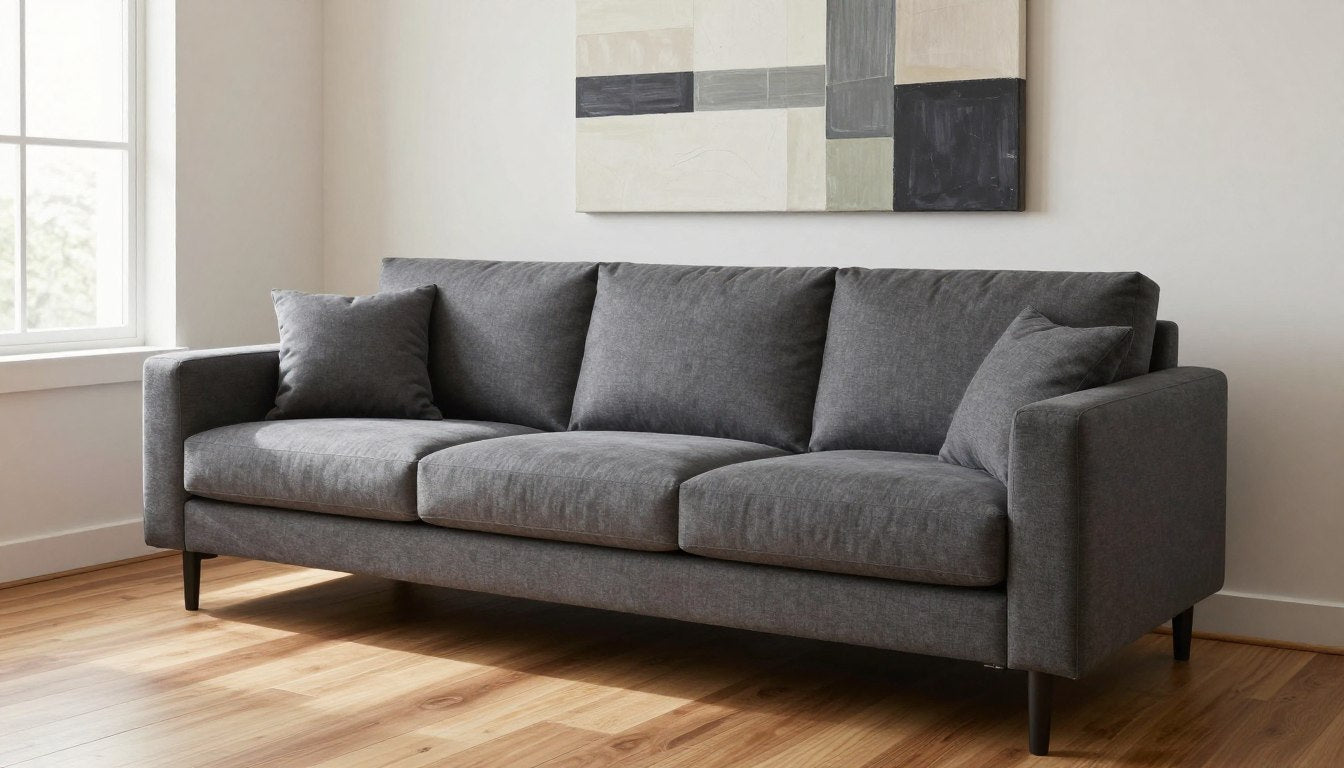
Performance fabric sofas resist stains, fading, and wear better than traditional upholstery. The truth is simple: these fabrics use tightly woven synthetic fibers or treated natural materials that repel liquids and stand up to daily use.
Choosing the right colors means understanding which shades hide imperfections while matching your style. Darker neutrals like charcoal and navy conceal wear better than light tones. Mid-tone grays and warm taupes offer versatility.
This guide covers what performance fabrics actually do, which colors work best in real homes, and how to pair them with wall art. You'll learn about fabric types, cleaning requirements, and color psychology. Plus, we'll show you how Rossettiart canvas prints complete the look above your sofa.

Expect practical information based on how these fabrics perform over time. No fluff, just facts about durability, maintenance, and design choices that matter.
What Are Performance Fabrics
Performance fabrics are engineered textiles designed to resist stains, moisture, and wear. Manufacturers treat natural fibers or blend synthetic materials to create upholstery that handles everyday use.
Common performance fabric types include solution-dyed acrylic, polyester blends, treated cotton linen, and specialized brands like Crypton. Each uses different technology to achieve durability.

The key difference from regular fabrics is how they handle liquids. Water and spills bead on the surface instead of soaking in. This gives you time to blot before stains set.
How Performance Technology Works
Most performance fabrics use one of three methods. Solution-dyeing adds color during fiber production, not after. This makes the color permanent and fade-resistant.
Chemical treatments create a protective barrier on natural fibers. Companies like Crypton apply these treatments to cotton and linen. The result feels like traditional fabric but repels liquids.

Synthetic blends use the inherent properties of polyester and acrylic. These materials naturally resist moisture and dry quickly. Tight weaving adds another layer of protection.
Common Performance Fabric Types
Synthetic Options
- Solution-dyed acrylic - Used outdoors, extremely durable
- Polyester microfiber - Soft texture, stain-resistant
- Olefin/polypropylene - Budget-friendly, colorfast
- Performance velvet - Polyester-based, luxurious look
Treated Natural Fibers
- Crypton fabric - Treated cotton or linen with moisture barrier
- Performance cotton linen - Stain-resistant coating applied
- Treated chenille - Plush texture with added protection
- Nano-treated wool - Natural fiber enhanced with technology
Each fabric type has trade-offs. Synthetics offer maximum durability but may feel less natural. Treated natural fibers provide familiar textures but require more care.
Complete Your Performance Fabric Sofa Look
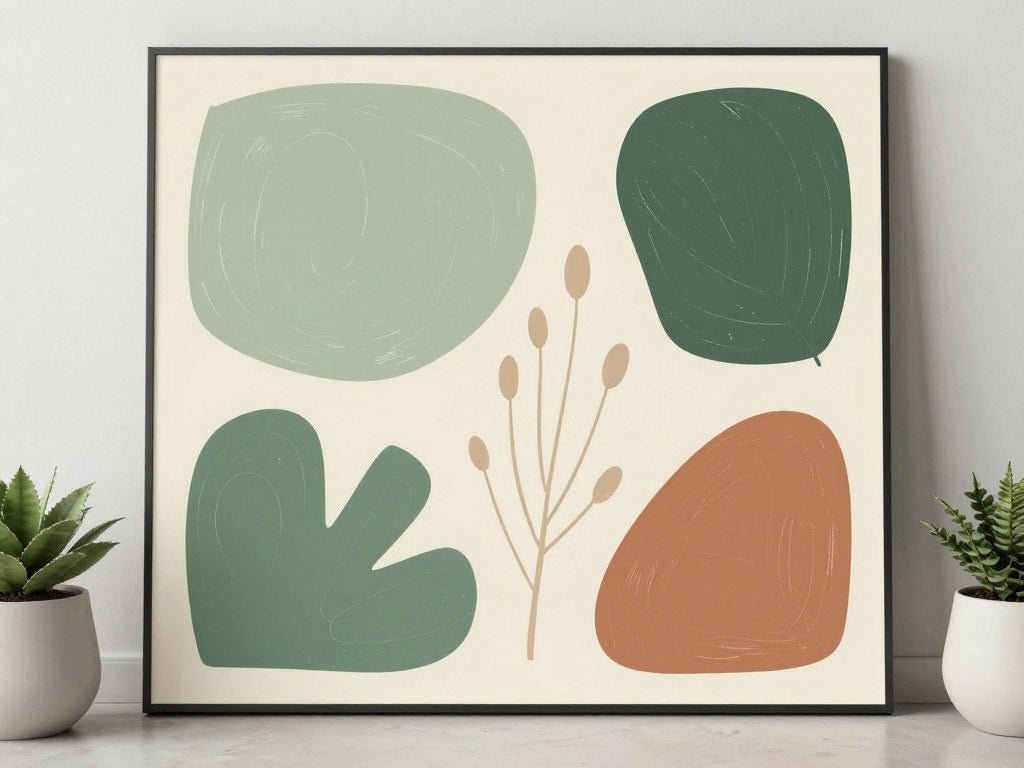
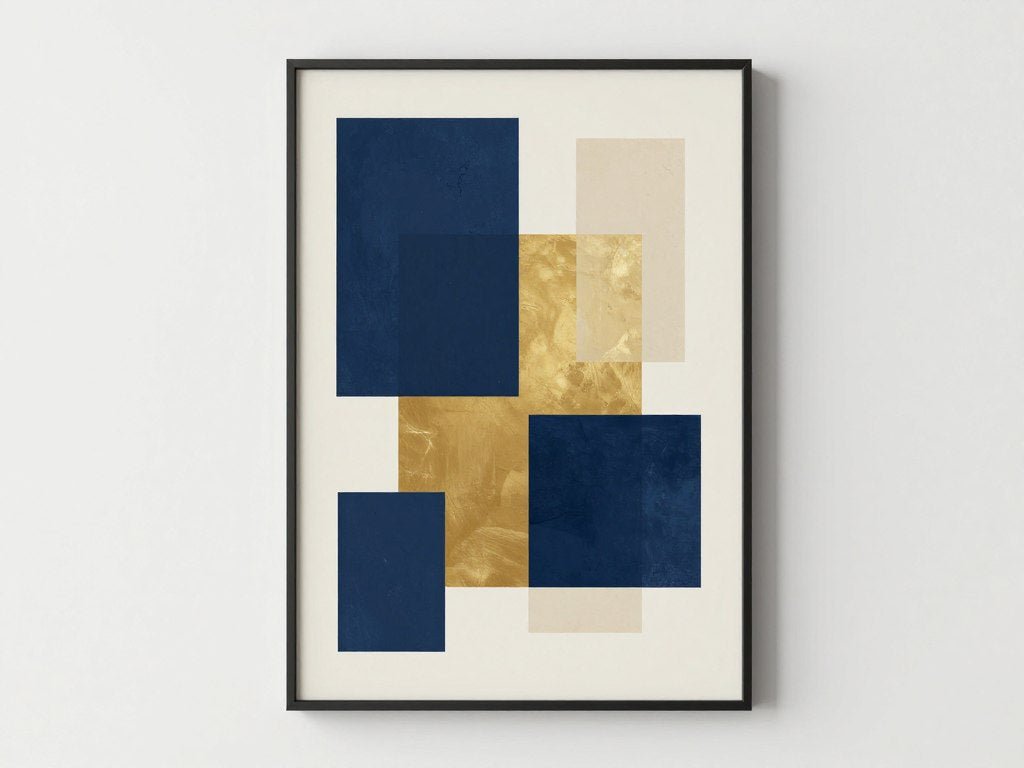
If you love modern minimalist style, here are 3 prints that bring that mood into a room:


If your sofa fabric is textured, keep wall art bold and clean shapes so it doesn't look busy.
The Truth About Durability and Maintenance
Performance fabrics aren't indestructible. They resist stains better than regular upholstery, but they still require proper care. Understanding their limits helps set realistic expectations.
Most performance fabrics handle 30,000 to 100,000 double rubs on the Wyzenbeek test. This measures abrasion resistance. For context, 15,000 double rubs suits light residential use. Anything over 30,000 works for families with kids and pets.

What Performance Fabrics Actually Resist
Water-based spills like coffee, juice, and wine are easiest to clean. Blot immediately with a clean cloth. Most liquids won't penetrate if you act within the first few minutes.
Oil-based stains like grease or makeup require more effort. Performance technology helps, but these substances can still leave marks. Use a mild soap solution and blot gently.

Pet hair doesn't stick as much to smooth performance fabrics. Textured options like chenille can still trap hair. A lint roller or vacuum attachment removes most debris easily.
Realistic Cleaning Expectations
- Vacuum weekly to prevent dirt buildup in the weave
- Blot spills immediately - don't rub or scrub hard
- Use mild soap and water for most stains
- Check manufacturer cleaning codes (W, S, or W-S)
- Professional cleaning every 1-2 years extends fabric life
Some performance fabrics develop pilling over time. This happens when fibers break and ball up on the surface. It's more common with softer textures. A fabric shaver removes pills safely.
How Long They Actually Last
In homes without pets or kids, quality performance fabrics last 7-10 years. With daily use by families, expect 5-7 years before visible wear appears. High-traffic areas show fading and thinning first.
The frame and cushions often wear out before the fabric does. This is especially true with synthetic performance materials. Memory foam cushions compress over time, affecting comfort more than fabric appearance.

Fading happens even with solution-dyed fabrics if exposed to direct sunlight daily. UV protection helps but doesn't eliminate color change entirely. Rotate cushions every few months to even out wear.
Performance Fabric Sofas: The Truth (and the Best Colors to Pair With Them)
Color selection affects how stains show, room brightness, and design flexibility. These palettes work with common performance fabric options and consider practical maintenance needs. If you already own dark brown furniture pieces, our guide on the best sofa colors to pair with dark brown furniture breaks down which tones coordinate best.

Charcoal Gray Foundation
Base: Charcoal gray sofa hides wear and works with warm or cool accents.
Accents: Mustard yellow, burnt orange, or sage green in pillows and throws.
Materials: Brass lighting fixtures, light oak furniture, white oak or walnut side tables.
Lighting Tip: Use warm white bulbs (2700-3000K) in living rooms to prevent gray from looking cold. Layer lighting with table lamps and floor lamps to create depth.
Common Mistake: Pairing cool gray with cool white walls creates a sterile feeling. Add warm wood tones to balance the palette.

Navy Blue Classic
Base: Navy performance fabric adds sophistication and conceals most stains effectively.
Accents: Cream, brass metallics, coral, or soft blush pink.
Materials: Leather accent chairs, marble coffee tables, linen curtains in natural tones.
Lighting Tip: Navy absorbs light, so add multiple light sources. Place floor lamps near the sofa to prevent dark corners in the evening.
Common Mistake: Using too many dark colors makes the space feel heavy. Balance navy with light neutrals on walls and rugs.
For rooms with navy sofas, consider artwork with clean geometric shapes. Browse original paintings that add visual interest without overwhelming the space.

Warm Taupe Neutral
Base: Taupe with warm undertones works in traditional and modern rooms.
Accents: Terracotta, forest green, deep burgundy, or black for contrast.
Materials: Natural fiber rugs, ceramic vases, aged brass or black metal fixtures.
Lighting Tip: Taupe looks best in rooms with ample natural light. South-facing windows enhance warm undertones. Use daylight bulbs (3500-4000K) in darker rooms.
Common Mistake: Matching everything to the same taupe tone creates a flat look. Vary shades from light cream to deep brown for dimension.

Slate Blue Modern
Base: Slate blue offers a modern alternative to gray with subtle color interest.
Accents: Copper metallics, soft pink, ivory, or charcoal gray.
Materials: Concrete planters, copper light fixtures, light wood furniture in ash or birch.
Lighting Tip: Slate blue works in rooms with eastern light exposure. Morning sun enhances the blue tones. Add task lighting for evenings to maintain color clarity.
Common Mistake: Combining slate blue with stark white creates too much contrast. Use off-white or ivory to soften transitions.

Olive Green Contemporary
Base: Olive or sage green brings nature-inspired calm to modern spaces.
Accents: Mustard yellow, rust orange, cream, or natural wood tones.
Materials: Rattan furniture, ceramic in earth tones, matte black or brass hardware.
Lighting Tip: Green tones look best with warm white lighting (2700K). This prevents the color from appearing muddy. Use dimmers to adjust intensity based on time of day.
Common Mistake: Using too many green tones creates a monotone effect. Add contrasting warm colors in textiles and art.

Best Performance Fabric Types for Sofas
Different performance fabrics suit different needs. Understanding the trade-offs helps you choose based on texture preference, budget, and household requirements.
Solution-Dyed Acrylic
This fabric resists fading better than any other option. Originally designed for outdoor use, it handles direct sunlight without color degradation. Brands like Sunbrella offer hundreds of colors.

The texture feels slightly coarser than cotton but softens with use. Cleaning is straightforward with bleach solutions for tough stains. Most solution-dyed acrylic has a matte finish.
Expect to pay mid-range prices. Sofas in this fabric typically cost less than leather but more than basic polyester. The investment pays off in areas with strong sunlight.
Crypton Fabric Technology
Crypton treats natural fibers like cotton and linen with a moisture barrier. The result feels like traditional fabric but repels liquids at the molecular level. This is the closest option to regular upholstery in texture.

Liquids bead on the surface for about 10-15 minutes before slowly penetrating. This gives enough time to blot spills. The fabric also resists odors and bacteria growth.
Crypton fabric costs 20-30% more than untreated equivalents. Many custom sofa manufacturers offer it as an upgrade option. It's ideal if you prefer natural fiber textures but need protection.
Performance Velvet
Polyester-based velvet provides a luxurious look with practical benefits. The pile resists crushing better than cotton velvet. Stains wipe away more easily due to synthetic fibers.

Colors appear rich and saturated. Deep jewel tones like emerald, sapphire, and burgundy look especially striking. The fabric has a slight sheen that catches light.
Performance velvet requires regular vacuuming to maintain pile direction. Brush the fabric weekly with a soft brush to prevent matting. Avoid placing it in direct sunlight, as even treated velvet can fade over years.
Chenille Fabric Sofa Options
Chenille offers exceptional softness but has trade-offs. Performance chenille resists stains but collects pet hair more than smooth fabrics. The plush texture feels inviting and cozy.

This fabric works best in homes without pets or for those who don't mind regular lint rolling. The loops in chenille can snag on sharp objects, so keep pet nails trimmed.
Chenille fabric sofas provide comfort as a priority. If tactile experience matters more than absolute ease of maintenance, this fabric delivers. Just expect to vacuum more frequently.
Tight-Weave Polyester
Budget-conscious buyers often choose tight-weave polyester. It's the most affordable performance option and still delivers decent stain resistance. The smooth texture repels hair and crumbs easily.
This fabric lacks the luxury feel of velvet or natural fibers. It can feel slightly slick or plasticky to touch. However, it's virtually indestructible for families with young children.

Many furniture retailers use this as their standard performance offering. Quality varies widely by manufacturer. Higher thread counts feel softer and look more refined.
Sofa With Memory Foam: What to Expect
Memory foam cushions pair well with performance fabrics in modern sofas. The combination offers comfort and durability, but you should understand how memory foam behaves over time.
How Memory Foam Performs
Memory foam molds to your body shape when you sit. It provides good support for the first 2-3 years. After that, the foam begins to soften and compress.

High-density memory foam (4-5 pounds per cubic foot) lasts longer than low-density options. Most furniture-grade memory foam falls in the 3-4 pound range. This is adequate for moderate use.
Heat affects memory foam. It softens in warm rooms and firms up in cold spaces. This is normal behavior. Some people enjoy the responsiveness, while others prefer traditional foam that feels consistent.
Maintenance Requirements
Flip and rotate cushions every 3-4 months. This prevents permanent body impressions from forming in one spot. Most sofa manufacturers design cushions to be reversible.
Memory foam itself doesn't clean easily if liquids penetrate. The performance fabric protects it, but spills that soak through can cause odors. Always use cushion covers with zippers for additional protection.

Vacuum between cushions monthly. Crumbs and debris work their way into crevices. This simple step extends the life of both fabric and foam.
Comfort vs Durability Trade-offs
Sofas with memory foam cushions feel plush initially but may lose support faster than those with high-resilience foam or spring systems. Budget an extra $300-500 for replacement cushions after 5-7 years.
If you value initial comfort above all, memory foam delivers. If you want a sofa that maintains the same feel for a decade, consider high-resilience foam or eight-way hand-tied springs instead.
Rossettiart Picks for Performance Fabric Sofas: The Truth (and the Best Colors to Pair With Them)
These pieces complement the clean lines and practical nature of performance fabric sofas without competing for visual attention.

Minimalist Black & White Collection
Bold contrasts work with any performance fabric color and add visual weight above sofas.

Earth Tone Abstract Series
Warm neutrals complement taupe, gray, or navy sofas and soften modern spaces.

Geometric Line Art - Navy & Gold
Metallic accents elevate blue or gray performance fabric without overwhelming the room.

Sage & Cream Abstracts
Soft green tones pair naturally with olive or taupe sofas and create calming spaces.

Matte Black Metal Sculptures
Three-dimensional pieces add depth to side tables and shelves near performance fabric sofas.

Bold Abstract Originals
Statement pieces anchor rooms with neutral sofas and create focal points above seating.
Watch: How to Choose Performance Fabric That Lasts
This video demonstrates real-world stain testing on popular performance fabrics and shows which materials handle daily wear best.
Styling Tips for Performance Fabric Sofas
The right accessories make performance fabric sofas look intentional rather than purely practical. These strategies work across different fabric types and room styles.
Pillow and Throw Selection
Layer textures rather than matching everything to the sofa fabric. If your sofa has a smooth performance weave, add pillows in linen, velvet, or faux fur. This creates visual interest.

Use odd numbers of pillows – 3, 5, or 7 depending on sofa size. Vary sizes from 18-inch to 22-inch squares. Place largest pillows in corners, smaller ones in front.
Throws soften the look of stain-resistant fabrics that might appear too practical. Drape one casually over an arm or fold it lengthwise along the back. Choose colors that connect to other elements in the room.
Coffee Table Pairings
Balance the modern feel of performance fabrics with coffee tables that add warmth. Natural wood, whether light oak or dark walnut, prevents the space from feeling sterile.

Glass and metal tables work with smooth performance fabrics like tight-weave polyester. These materials echo the modern aesthetic. Avoid pairing sleek tables with textured fabrics like chenille – the contrast feels disjointed.
Size matters. The coffee table should be two-thirds the length of your sofa. Keep 14-18 inches between the sofa edge and table for comfortable legroom.
Rug Choices
Rugs anchor seating areas and define the space. Place the front legs of your sofa on the rug, or float all furniture on top for larger rooms.
Natural fiber rugs like jute or sisal complement performance fabrics well. Both have practical, texture-forward aesthetics. Wool rugs add softness underfoot while still being durable.

Pattern rugs work if the sofa is a solid color. Keep patterns geometric or abstract rather than traditional florals. This maintains the contemporary vibe that performance fabrics naturally create.
Wall Art Placement
Hang artwork 8-10 inches above the sofa back. The piece should span two-thirds to three-quarters of the sofa width. Too small looks lost, too large overwhelms.
For textured performance fabrics like chenille or velvet, choose art with clean lines and bold shapes. Busy patterns clash with busy textures. Smooth fabrics allow more flexibility in art style.

Group smaller pieces in threes or fives rather than hanging one tiny print. Gallery walls work above sofas if arranged symmetrically. Keep frames consistent in color – all black, all natural wood, or all white.
Lighting Layers
Performance fabrics can look flat without proper lighting. Use three layers: ambient (overhead), task (reading lamps), and accent (decorative fixtures).
Floor lamps near sofa ends provide reading light and visual height. Choose lamps that extend 58-64 inches from the floor. This creates balanced proportions with standard sofa backs.

Table lamps on side tables add warmth. Place them on tables 24-27 inches tall – slightly below sofa arm height. This creates cohesive sightlines when seated.
Accent lighting highlights art or architectural features. Picture lights above canvas prints draw attention and add sophistication. LED strips behind the sofa create ambient glow for movie watching.
Common Mistakes With Performance Fabric Sofas
Buyers often make predictable errors when selecting and maintaining performance fabric sofas. Avoiding these mistakes saves money and frustration.
Choosing Fabric Based Only on Appearance
The fabric looks great in the showroom, but daily performance matters more. Test how the material feels after sitting for 10 minutes. Some performance fabrics trap heat or feel slick.

Request fabric swatches and test them at home. Spill water on the swatch and see how quickly it beads up. Rub the fabric vigorously to check for pilling. These simple tests reveal quality issues.
Ask about the fabric's double rub rating. Anything below 25,000 won't hold up to family use. Most retailers can provide technical specifications if you request them.
Skipping Manufacturer Cleaning Instructions
Each performance fabric has specific cleaning codes. Using the wrong cleaning method voids warranties and can damage the protective treatment.
- W code – Water-based cleaner only
- S code – Solvent-based cleaner only (dry cleaning)
- WS code – Either water or solvent-based cleaner
- X code – Vacuum only, no water or solvents
These codes are usually on a tag under the cushions. Take a photo of it with your phone so you remember which cleaners are safe to use. Many people remove tags and later forget the proper care method.
Expecting Zero Maintenance
Performance fabrics resist stains, but they still need regular care. Dirt particles work into the weave over time and cause abrasion. This wears down the protective treatments.

Vacuum your sofa weekly with an upholstery attachment. This removes surface dirt before it embeds. Pay attention to crevices where crumbs collect. This simple habit extends fabric life significantly.
Professional cleaning every 12-18 months removes embedded oils and dirt. Even performance fabrics benefit from deep cleaning. It refreshes the appearance and maintains stain resistance.
Placing Sofas in Direct Sunlight
Even solution-dyed performance fabrics fade over years of sun exposure. UV rays break down dyes and weaken fibers. Windows that face south or west deliver the most intense light.
Use window treatments during peak sun hours (10 AM - 4 PM). Sheer curtains filter light without blocking views entirely. UV-blocking window film provides another option.

Rotate cushions every few months if one side gets more sun exposure. This evens out any color changes. The difference won't be noticeable if you stay consistent.
Mismatching Style Expectations
Performance fabrics lean contemporary in aesthetic. Trying to create a traditional or formal look with these materials often falls flat. The technology and texture signal casual modern living.
If you want a traditional living room, consider treated natural fabrics like Crypton cotton linen instead of polyester performance materials. These bridge the gap between classic texture and modern protection.
Don't mix overly ornate furniture with basic performance polyester. The contrast highlights the fabric's utilitarian nature. Keep furniture lines clean and simple to match the fabric's modern character.
Complete Your Space
Ready-to-hang, museum-quality canvas. Free worldwide shipping.
Choose art that complements your performance fabric sofa's color and texture. Our curated collection includes pieces designed for modern living spaces.

Cost Considerations and Value
Performance fabric sofas range from $800 to $4,000 depending on size, fabric quality, and frame construction. Understanding what drives costs helps you make informed decisions.
Price Ranges by Fabric Type
| Fabric Type | Price Range | Typical Lifespan | Best For |
| Tight-weave Polyester | $800 - $1,500 | 5-7 years | Budget-conscious families |
| Solution-dyed Acrylic | $1,200 - $2,200 | 7-10 years | Sunny rooms, outdoor use |
| Performance Velvet | $1,500 - $2,800 | 6-8 years | Stylish, kid-free homes |
| Crypton-treated Cotton | $1,800 - $3,200 | 7-9 years | Natural texture preference |
| Custom Performance Linen | $2,500 - $4,000 | 8-10 years | Design-focused buyers |
These prices reflect standard three-seat sofas from mid-range furniture retailers. Custom orders and designer brands cost more. Sectionals and larger pieces add $400-800 per additional seat.
What Affects Performance Fabric Prices
Fabric technology drives the biggest price differences. Basic stain-resistant treatments cost less than advanced moisture barriers. Crypton technology adds 20-30% to base fabric costs.

Pattern and color options also influence price. Solid colors in neutral tones cost least. Patterns, especially jacquards or custom prints, add $200-400 to the total. Bright or unusual colors sometimes carry upcharges.
Frame quality matters as much as fabric. Hardwood frames with corner blocks last longer than softwood or particleboard. Check the frame warranty – it should match or exceed the cushion warranty.
Long-term Value Calculation
Compare the per-year cost instead of just upfront price. A $1,800 sofa lasting 9 years costs $200 per year. An $1,100 sofa lasting 5 years costs $220 per year. The more expensive option provides better value.
Factor in cleaning costs. Performance fabrics need professional cleaning less frequently than traditional upholstery. This saves $150-250 annually in maintenance costs over a sofa's lifetime.

Consider resale value if you move frequently. Higher-quality performance fabrics retain value better. You can sell a gently used Crypton sofa for 40-50% of original price. Basic polyester sofas often get 20-30% at most.
Performance Fabrics for Families With Kids and Pets
Families need fabrics that handle spills, scratches, and daily wear. Certain performance options work better than others for households with children and animals.
Best Options for Homes With Children
Smooth, tight-weave fabrics clean easiest. Polyester microfiber and solution-dyed acrylic wipe down quickly. Avoid deep textures where food crumbs hide.

Mid-tone colors like gray, taupe, and navy hide stains better than light or dark extremes. White shows every mark. Black shows dust and light-colored stains. Medium shades camouflage most accidents.
Memory foam cushions offer comfort but compress faster with jumping kids. High-resilience foam or spring systems maintain shape longer. Ask retailers about cushion warranties specifically.
Pet-Friendly Performance Fabric Choices
Dogs and cats present different challenges than children. Pet hair, scratching, and occasional accidents require specific fabric characteristics.
- Choose smooth fabrics that don't trap hair - tight-weave polyester works best
- Avoid looped or textured fabrics like chenille - claws snag and pull threads
- Look for scratch-resistant finishes on performance fabrics designed for pets
- Select darker colors that hide hair between vacuuming sessions
- Verify the fabric has odor-resistant treatments like Crypton or Guardsman

Leather and faux leather resist pet damage better than any fabric, performance or otherwise. If scratching is a major concern, these materials warrant consideration despite not being traditional "performance fabrics."
Managing Realistic Expectations
No fabric is completely pet-proof or kid-proof. Performance fabrics reduce damage and make cleaning easier, but they won't eliminate all wear. Plan to replace cushions or reupholster after 5-7 years in active households.
Training pets to stay off furniture extends fabric life significantly. If that's not your household style, accept that your sofa will show wear faster. Performance fabrics give you extra time but aren't magical shields.

Set aside a cleaning budget. Even performance fabrics need professional attention when subjected to daily use by kids and pets. Budget $200-300 per year for deep cleaning or spot treatments by professionals.
Performance Fabric vs Other Upholstery Options
Performance fabrics aren't the only choice for durable sofas. Comparing them to alternatives helps you decide what works best for your specific situation.
Performance Fabric vs Leather
Leather resists stains naturally and ages with character. Scratches and patina develop over time, which some people love and others dislike. Leather costs 30-50% more than comparable performance fabric sofas.

Leather feels cooler in summer and warmer in winter than synthetic performance fabrics. It requires conditioning twice per year to prevent cracking. Leather suits formal spaces better than casual family rooms.
Performance fabric offers more color options and softer textures. It doesn't crack or peel like bonded leather can. For households with pets, performance fabric often outlasts leather since claws damage leather permanently.
Performance Fabric vs Regular Upholstery
Traditional cotton, linen, and wool upholstery feel more natural and breathable. These materials cost 15-25% less than performance-treated equivalents. They require more frequent cleaning and show stains quickly.
Regular upholstery makes sense in formal living rooms with minimal use. Performance fabrics suit family rooms, dining chairs, and any furniture seeing daily wear. The extra cost provides peace of mind.

Treated natural fabrics like Crypton bridge this gap. You get natural fiber texture with protective technology. This option costs most but delivers both aesthetics and performance.
Performance Fabric vs Outdoor Fabric Indoors
Some designers use outdoor fabrics like Sunbrella indoors for maximum durability. These solution-dyed acrylics handle anything but feel slightly coarser than indoor performance fabrics.
Outdoor fabrics excel in bright rooms with direct sunlight. They're the most fade-resistant option available. Color selection rivals indoor fabrics now, with hundreds of patterns and solids.

The texture trade-off bothers some people. If tactile experience matters more than extreme durability, choose indoor performance fabrics. For sun-drenched rooms or maximum kid and pet protection, outdoor fabrics work excellently indoors.
Where to Buy Performance Fabric Sofas
Different retailers offer varying quality levels, customization options, and price points. Knowing where to shop helps you find the right balance of value and quality.
Mass Market Furniture Retailers
Stores like Ashley Furniture, Bob's Discount Furniture, and IKEA offer budget-friendly performance fabric options. Expect polyester fabrics in the $800-1,500 range for standard sofas.

Quality varies significantly. Check the frame construction before buying. Hardwood frames with corner blocks last longer than particleboard. Many mass-market sofas use mixed construction to hit lower price points.
Delivery and assembly are usually included. Return policies range from 30-90 days. Read reviews for specific models online before purchasing – quality control issues appear more frequently at this price level.
Mid-Range Specialty Stores
West Elm, Crate & Barrel, and Room & Board offer better quality at higher prices. Performance fabric sofas here run $1,500-3,000. You get more fabric choices and sturdier frames.
These retailers often use performance velvet and treated natural fabrics. Customization options include leg finish, arm style, and cushion firmness. Expect 8-12 week delivery for custom orders.

White glove delivery costs extra but includes room placement and packaging removal. Extended warranties covering fabric and frame typically cost $150-300 and may provide value for families.
Online Direct-to-Consumer Brands
Companies like Article, Burrow, and Interior Define sell directly online. They cut retail markup, offering quality comparable to mid-range stores at lower prices. Sofas run $1,200-2,500.
You can't test the sofa before buying, which is the main drawback. Most brands offer 30-day home trials with free return shipping. Read the return policy carefully – some charge restocking fees.

Assembly requirements vary. Some arrive fully assembled in boxes. Others require simple leg attachment. Complex sectionals may need professional assembly – factor this into your total cost.
Custom Upholstery Shops
Local upholsterers create fully custom sofas using your chosen performance fabric. Prices start around $2,500 for simple designs and climb from there based on complexity.
This option suits people with specific size requirements or unusual spaces. You select every detail – frame, cushion fill, fabric, and leg style. Lead times run 10-16 weeks typically.
Quality depends entirely on the craftsperson. Ask to see previous work and request references. Check if they offer warranties on frame construction and workmanship.
FAQ: Performance Fabric Sofas: The Truth (and the Best Colors to Pair With Them)
What is a performance fabric sofa and how does it differ from regular sofas?
A performance fabric sofa uses specially treated or engineered textiles that resist stains, moisture, and wear better than traditional upholstery. The fabric either contains synthetic fibers like polyester and acrylic with inherent protective properties, or natural fibers treated with moisture barriers.
Regular sofas use untreated cotton, linen, or wool that absorbs liquids quickly and stains easily. Performance fabrics give you time to blot spills before they set. They also resist fading and maintain appearance longer with normal household use.
Is chenille fabric sofa a good choice for families with kids?
Performance chenille fabric sofas offer exceptional softness but trap pet hair and crumbs more than smooth fabrics. The plush loops can also snag on sharp objects or pet claws. For families with young children who eat on furniture, smooth tight-weave polyester or solution-dyed acrylic cleans more easily.
However, if comfort is your top priority and you don't mind regular vacuuming, performance chenille provides a cozy feel with decent stain resistance. Choose darker colors to hide inevitable wear in active households.
How does Crypton fabric sofa compare to other performance options?
Crypton fabric sofas use natural fibers like cotton or linen treated with a protective moisture barrier at the molecular level. This creates fabric that feels traditional while repelling liquids, bacteria, and odors. Liquids bead on the surface for 10-15 minutes before slowly penetrating.
Crypton costs 20-30% more than untreated equivalents but less than some synthetic performance fabrics. It's ideal if you prefer natural fiber texture but need practical protection. The fabric works well in homes without pets, as it can still show hair and requires regular vacuuming.
What are the pros and cons of a sofa with memory foam cushions?
Memory foam cushions provide excellent initial comfort by molding to your body shape. They pair well with performance fabrics in modern designs. The foam offers good support for 2-3 years before gradually softening and compressing.
The main drawback is that memory foam loses resilience faster than high-density polyurethane or spring systems. You may need replacement cushions after 5-7 years. Memory foam also responds to temperature, feeling firmer in cold rooms and softer in warm spaces. Budget $300-500 for future cushion replacement when calculating long-term costs.
Which performance fabric colors hide stains and wear best?
Mid-tone colors like charcoal gray, navy blue, and warm taupe camouflage stains and wear most effectively. Dark colors show dust and light-colored marks, while light colors reveal every dark spot and shadow from body oils.
Medium grays work well in most homes because they hide imperfections without showing lint. Navy conceals nearly all stains but absorbs light, so add extra lighting near the sofa. Taupe with warm undertones suits traditional and modern rooms while maintaining practical benefits.
How do I clean red wine or coffee stains from performance fabric?
Blot red wine or coffee spills immediately with a clean, dry cloth. Don't rub, as this pushes liquid deeper into fibers. Press firmly to absorb as much liquid as possible within the first few minutes.
Mix mild dish soap with cool water and apply with a clean cloth, working from the outside of the stain toward the center. Blot again with a dry cloth. For stubborn stains, many performance fabrics tolerate diluted bleach solutions – check your specific fabric's cleaning code first. Most water-based stains come out completely if addressed within 10-15 minutes.
Can I use fabric swatches to test performance fabric before buying?
Yes, always request fabric swatches from retailers before committing to a purchase. Test swatches at home by spilling water on them to see how quickly the liquid beads up. Rub the fabric vigorously to check for pilling or color loss.
Place swatches in your actual room to view the color in your lighting conditions. Fabric appears different under natural daylight versus artificial bulbs. This simple step prevents expensive mistakes and ensures you choose performance fabric that meets your expectations for both aesthetics and durability.
Do performance fabrics work for formal living rooms or only casual spaces?
Performance fabrics suit both formal and casual rooms depending on the type you choose. Performance velvet and Crypton-treated cotton linen work beautifully in formal settings. These options provide elegant textures while offering practical protection for occasional use.
Basic polyester performance fabrics lean more casual due to their synthetic appearance and texture. For formal rooms used primarily for entertaining, consider treated natural fibers that maintain traditional aesthetics. The key is matching fabric texture and color to your room's overall design style while gaining the benefits of stain resistance. Visit our design blog for more tips on coordinating performance fabrics with different room styles.
How long do performance fabric sofas actually last compared to regular sofas?
Quality performance fabric sofas last 7-10 years in typical households, compared to 5-7 years for regular upholstery. The exact lifespan depends on fabric type, frame quality, and use intensity. Solution-dyed acrylic and Crypton fabrics generally outlast basic polyester options.
Frame construction matters as much as fabric durability. Hardwood frames with corner blocks last longer than particleboard construction. In homes with kids and pets, performance fabrics show visible wear after 5-7 years but remain functional. Regular sofas often need reupholstering or replacement after 3-5 years under similar conditions.
What's the best way to pair wall art with performance fabric sofas?
Hang artwork 8-10 inches above the sofa back, with pieces spanning two-thirds to three-quarters of the sofa width. For textured fabrics like chenille or velvet, choose art with bold, clean shapes to avoid visual clutter. Smooth performance fabrics allow more flexibility in art style and complexity.
Match art colors to accent pillows or other room elements rather than the sofa itself. This creates cohesion without being too matchy. Large-scale abstract pieces work well above modern performance fabric sofas. Group smaller pieces in odd numbers (3, 5, or 7) for gallery walls, keeping frames consistent in finish.
Final Thoughts on Performance Fabric Sofas
Performance fabric sofas deliver practical benefits for real homes. They resist stains better than traditional upholstery and require less maintenance over time. The technology isn't perfect, but it significantly reduces anxiety about daily use.
Choosing the right color means balancing personal preference with practical considerations. Mid-tone neutrals like charcoal, navy, and taupe hide wear while offering design flexibility. These colors pair easily with various decor styles and accent colors.

Wall art completes the look by adding personality above your sofa. Bold shapes work best with textured fabrics. Clean lines and abstract designs complement the modern aesthetic that performance fabrics naturally create.
Focus on quality construction in both fabric and frame. A well-made performance fabric sofa serves your household for 7-10 years with proper care. This investment pays off in reduced cleaning costs and maintained appearance.
Test fabrics before committing. Request swatches and check cleaning codes. Understand the specific care requirements for your chosen material. These simple steps ensure your performance fabric sofa meets expectations for both function and style.

About the Author
Chiara Rossetti
Chiara Rossetti is the founder of Rossetti Art, a canvas print and original art brand. She writes about interior design, wall art styling, and the art of making a home feel alive.

Leave a comment
This site is protected by hCaptcha and the hCaptcha Privacy Policy and Terms of Service apply.