The fastest way to make your patio look designer is to create a clear focal point. This single rule transforms scattered furniture and random plants into a cohesive outdoor living space.
You'll learn how to layer lighting, choose furniture that defines zones, and use color palettes that professionals rely on. We'll cover outdoor kitchen placement, seating arrangements, and how art pieces extend your home's style into the backyard.
Designer patios aren't about spending more. They're about making strategic choices that create visual impact. Rossettiart canvas prints can bridge indoor and outdoor aesthetics when you plan covered areas correctly.
Let's start with the elements that matter most.
Designer Style Meets Outdoor Living
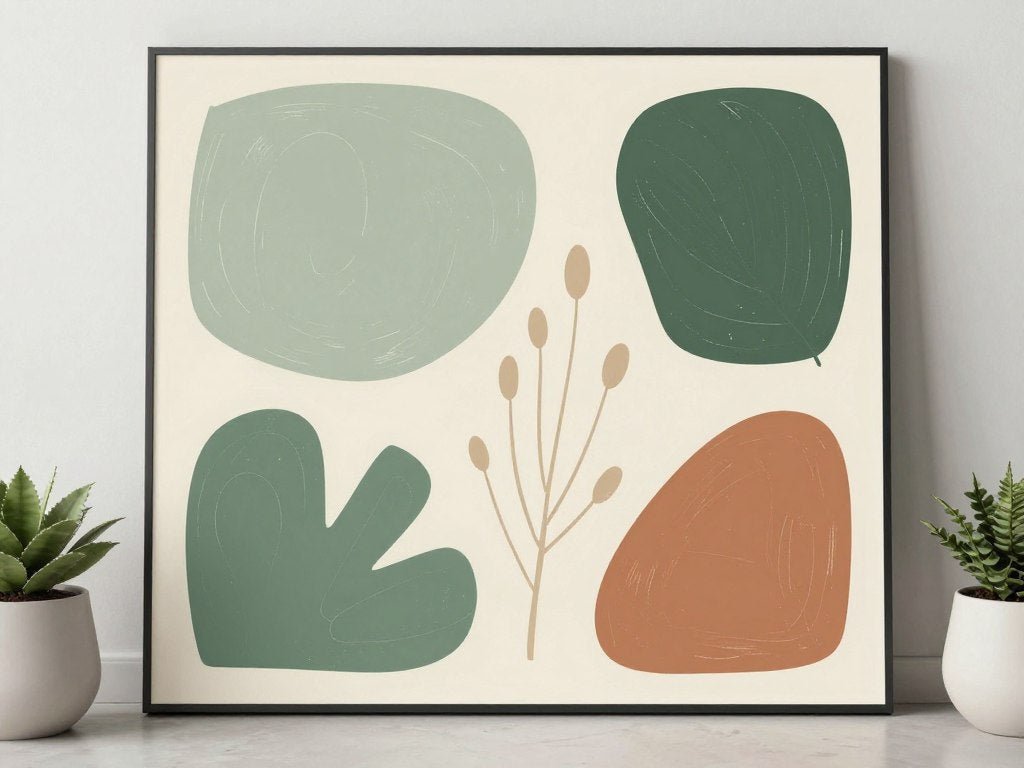
If you love sophisticated outdoor spaces, here are 3 prints that bring that mood into a room.

Botanical Abstract Canvas
Neutral tones that complement natural outdoor materials.

Coastal Horizon Print
Blues and sand tones that mirror outdoor relaxation.

Geometric Modern Canvas
Structured design for contemporary outdoor living areas.
Foundation Principles for Designer Outdoor Spaces
Every designer patio starts with intentional zones. Your outdoor space should have distinct areas for dining, lounging, and transition.

The focal point draws eyes and anchors your design. This could be a fire pit, water feature, or statement seating area. Everything else supports this central element.
Furniture placement creates flow. Leave 3-4 feet of walking space between furniture groups. This makes the space feel larger and more intentional.
Materials should repeat throughout the space. If you use stone for the patio, echo it in planters or a fireplace surround. This repetition creates visual rhythm.
Scale Matters in Small Spaces
Small patios need furniture that fits the space. Oversized sectionals overwhelm a 10x10 area. Choose pieces proportional to your square footage.

Vertical elements add height without consuming floor space. Tall planters, string lights, and wall-mounted features make space feel larger.
Multi-functional furniture maximizes small areas. Ottomans with storage, nesting tables, and benches with built-in planters serve double duty.
Large Spaces Need Definition
Big backyards feel empty without structure. Use outdoor rugs, furniture arrangements, and hardscape to create rooms.
Pergolas and pavilions add architectural interest. These structures define zones and provide shade for seating areas.

Pathways connect different areas. Stone or gravel paths guide guests and make space feel intentional.
Lighting separates zones at night. Different lighting types for each area create distinct moods and purposes.
Furniture Selection That Defines Your Style
Outdoor furniture sets the tone for your entire space. Start with seating that accommodates your typical guest count plus two.
Sectionals work for entertaining. They create conversation areas and can be reconfigured for different occasions.

Dining sets anchor outdoor kitchens. Place the table within 10 feet of your cooking area for efficient serving.
Chairs should be comfortable for 2-hour gatherings. Test cushion thickness and back support before buying.
Material Choices for Longevity
Aluminum frames resist rust and support weatherproof cushions. This combination handles rain and sun without constant maintenance.
Teak develops a silver patina naturally. Leave it untreated for low maintenance, or oil it annually to preserve the golden color.

Teak Maintenance Tips
New teak is golden brown. Without treatment, it turns gray within 6-12 months. This doesn't affect durability.
Oil teak every 3-4 months to maintain color. Use teak oil specifically formulated for outdoor furniture.
Clean teak twice yearly with mild soap and water. Avoid pressure washers that damage wood fibers.
Wicker and rattan need covered areas. These materials degrade quickly in direct rain and intense sun.
Metal furniture requires powder-coated finishes. This prevents rust and provides color options beyond natural metal tones.
Cushions and Textiles for Comfort
Solution-dyed acrylic fabrics resist fading. Sunbrella and similar brands maintain color for 5+ years in direct sun.

Quick-dry foam prevents mildew. Standard foam cushions stay wet after rain and develop mold in humid climates.
Store cushions during winter in cold climates. Even weather-resistant materials last longer with seasonal storage.
Layer throw pillows for visual interest. Mix solid colors with patterns, keeping a consistent color palette.
Lighting Strategy for Ambiance and Function
Layer three types of outdoor lighting: ambient, task, and accent. This creates depth and makes space feel expensive.
String lights provide ambient glow. Hang them 8-10 feet high in zigzag patterns or along pergola beams.

Use LED bulbs for efficiency and longevity. They consume 75% less energy than incandescent and last 25 times longer.
Dimmers allow mood adjustment. Control string lights and overhead fixtures separately for flexibility.
Task Lighting for Functional Areas
Outdoor kitchens need focused light on prep surfaces. Install under-cabinet strips or pendant lights above counters.
Kitchen Lighting Placement
- Mount lights 30-36 inches above countertops
- Use 4000K-5000K color temperature for food prep
- Install separate switches for cooking and ambient zones
- Consider motion sensors for hands-free operation

Dining areas benefit from overhead pendants or chandeliers. Hang fixtures 30-34 inches above the table surface.
Pathway lighting prevents trips and defines borders. Solar-powered stake lights work for casual paths.
Accent Lighting Creates Drama
Uplighting showcases trees and architectural features. Place fixtures at the base angled upward.

Spotlights highlight focal points. Direct beams toward water features, sculptures, or statement plants.
Backlit elements add sophistication. Install LED strips behind planters or along stair risers.
Color-changing lights offer versatility. Use them sparingly for occasional mood shifts, not permanent fixtures.
Visual Color Palettes for Outdoor Living Spaces
Color palettes unify outdoor spaces just like interior rooms. Choose one primary approach and commit to it throughout your patio.
Mediterranean Warmth
- Base: Terracotta, warm sand, cream stone
- Accent: Cobalt blue, deep turquoise, burnt orange
- Materials: Clay pots, wrought iron, natural wood
- Lighting: Warm white (2700K) for golden evening glow
Common mistake: Using too many blue shades that compete instead of one strong accent blue.
Modern Neutral
- Base: Charcoal gray, black, white concrete
- Accent: One bold color like mustard or rust
- Materials: Metal, stone, composite wood
- Lighting: Cool white (4000K) for crisp contemporary feel
Common mistake: Going too cold with all grays and no warm accent to soften the space.

Coastal Calm
- Base: White, driftwood gray, sandy beige
- Accent: Soft blues, seafoam green, coral
- Materials: Painted wood, rope, natural fiber
- Lighting: Soft white (3000K) mimicking beach light
Common mistake: Adding too many nautical clichés like anchors and ship wheels.
Garden Naturals
- Base: Forest green, bark brown, stone gray
- Accent: Burgundy, gold, deep purple
- Materials: Untreated wood, moss, natural stone
- Lighting: Warm amber (2200K) for firelight effect
Common mistake: Overplanting that blocks furniture and creates maintenance burden.

Choose your palette before buying furniture. This prevents mismatched pieces and wasted purchases.
Test colors in your actual lighting. Outdoor light changes throughout the day and seasons.
Integrate original paintings in covered areas that echo your outdoor palette. This creates visual flow between indoor and outdoor living spaces.
Desert Modern
- Base: Sand, camel, warm white stucco
- Accent: Burnt sienna, cactus green, copper
- Materials: Concrete, raw steel, succulent plants
- Lighting: Warm white (2700-3000K) for sunset ambiance
Common mistake: Adding too much color that fights against the natural desert landscape.
Urban Industrial
- Base: Exposed brick, concrete, weathered steel
- Accent: Edison bulb amber, green plants, leather brown
- Materials: Reclaimed wood, metal pipe, concrete pavers
- Lighting: Warm Edison bulbs (2200K) and metal pendants
Common mistake: Too many industrial elements creating a cold, unwelcoming space.

Limit your palette to 3-4 colors maximum. More colors create visual chaos instead of cohesion.
Use the 60-30-10 rule. Sixty percent base color, thirty percent secondary, ten percent accent.
Plants and Greenery for Structure
Plants soften hardscape and add vertical interest. Use them to define zones, create privacy, and introduce color.
Layer plant heights for dimension. Place tall plants in back, medium in middle, low ground covers in front.

Container gardens offer flexibility. Move pots to refresh the layout or follow sun patterns.
Group planters in odd numbers. Three or five pots create more visual interest than pairs.
Privacy Plants That Work
Bamboo grows quickly but needs containment. Use clumping varieties or plant in large pots to control spread.
Fast-Growing Privacy Options
- Bamboo - 3-5 feet per year growth
- Arborvitae - 2-3 feet per year, evergreen
- Privet - 2-3 feet per year, dense foliage
- Leyland Cypress - 3-4 feet per year
- Laurel - 1-2 feet per year, drought tolerant

Hedges create formal structure. Plant 2-3 feet apart and maintain consistent height with annual trimming.
Climbing vines cover pergolas and fences. Install support cables or trellis for growth guidance.
Low-Maintenance Plant Choices
Succulents thrive in containers with minimal water. Choose varieties suited to your climate zone.

Ornamental grasses add movement. They require little water once established and look good year-round.
Native plants adapt to local conditions. Research your region's indigenous species for effortless growth.
Evergreens maintain structure in winter. Mix them with deciduous plants for seasonal variety.
Seasonal Color Rotation
Annuals provide temporary bursts of color. Replace them 2-3 times yearly for continuous blooms.
Perennials return each year with less maintenance. Plan for staggered bloom times across spring, summer, and fall.

Potted herbs serve dual purposes. They add greenery and provide fresh ingredients for outdoor cooking.
Spring bulbs create early season interest. Plant tulips, daffodils, and crocuses in fall for spring color.
Creating Strong Focal Points
Every designer outdoor space needs one dominant focal point. This anchors the design and gives guests a place to naturally gather.
Fire features top the list for patios. Fire pits and fireplaces extend the season and create instant ambiance.

Place seating 3-4 feet from fire features. This distance provides warmth without excessive heat.
Gas fire pits offer convenience. They light instantly and don't produce smoke or require cleanup.
Water Features Add Tranquility
Fountains provide soothing sound that masks neighborhood noise. Choose sizes proportional to your space.

Water Feature Considerations
Small spaces suit tabletop or wall-mounted fountains. These provide sound without consuming floor area.
Larger yards can accommodate pond features. Add aquatic plants and consider fish for ecosystem balance.
Maintenance varies by type. Recirculating fountains need weekly water top-offs and monthly cleaning.
Position water features where you spend the most time. Hearing water from the dining table or lounging area enhances the experience.
Winter preparation prevents damage. Drain fountains before freezing temperatures or use heating elements.
Statement Furniture as Focal Points
Unique seating pieces draw attention. A distinctive chair or daybed becomes a conversation starter.

Hanging chairs or swings add playful elements. Secure them to structural beams rated for dynamic loads.
Daybeds create resort-like atmosphere. Add curtains for shade and privacy in the afternoon.
Outdoor bars centralize entertaining. Build them near the kitchen door for efficient drink service.
Architectural Elements
Pergolas define spaces without blocking light. Train vines over them for living shade.

Pavilions provide full shelter. These covered structures allow outdoor living in all weather.
Shade sails offer modern alternatives. Install them at angles for visual interest and optimal shade coverage.
Outdoor kitchens become entertainment hubs. Include counters for guest seating and conversation while cooking.
Flooring and Hardscape Decisions
Outdoor flooring establishes the foundation for your design. It impacts budget, maintenance, and overall aesthetic.
Natural stone delivers timeless appeal. Flagstone, slate, and bluestone develop character as they age.

Irregular stone patterns feel organic. Regular cut stone creates formal, structured looks.
Seal natural stone every 2-3 years. This protects against stains and weather damage.
Concrete Options for Modern Spaces
Stamped concrete mimics stone at lower cost. Choose patterns and colors before installation.
Exposed aggregate provides texture and slip resistance. It reveals decorative stones within concrete mix.
Colored concrete integrates with your palette. Add pigments during mixing for consistent color throughout.
Polished concrete suits contemporary designs. It requires professional installation and proper sealing.

Pavers for Flexibility
Interlocking pavers allow drainage between joints. Sand or gravel base prevents settling.

Brick pavers create classic charm. They work in traditional and cottage-style gardens.
Porcelain pavers resist staining and fading. They cost more but require minimal maintenance.
Large format pavers reduce joint lines. This creates cleaner, more modern appearances.
Alternative Surfaces
Gravel provides budget-friendly drainage. Use stabilizing grids to prevent spreading.
Decomposed granite compacts into firm surfaces. It suits informal, natural designs.

Wood decking extends indoor floors outside. Choose rot-resistant species or composite materials.
Composite decking eliminates wood maintenance. It resists fading, splintering, and insect damage.
Rossettiart Picks for Outdoor Living Space Ideas: How to Make Your Patio Look Designer
Abstract Horizon Canvas - The layered earth tones mirror natural stone and wood outdoor materials, creating visual continuity in covered patio areas. View Canvas
Botanical Line Art Print - Minimalist plant silhouettes echo the organic shapes in your garden while maintaining a refined, gallery aesthetic. View Canvas
Geometric Coastal Canvas - Cool blues and structured shapes complement modern outdoor furniture and bring sophisticated color to neutral spaces. View Canvas
Terracotta Abstract Original - Warm Mediterranean tones integrate seamlessly with clay pots, outdoor kitchens, and sun-washed materials. View Original
Metal Garden Sculpture - Weather-resistant statement piece that serves as an outdoor focal point and withstands the elements. View Sculpture
Neutral Texture Canvas Series - Three-piece set in sand and stone tones that unifies covered outdoor walls with your designer patio palette. View Series
Outdoor Kitchen Planning
Outdoor kitchens expand living space and increase home value. Plan them near the indoor kitchen for plumbing and electrical access.
The work triangle applies outdoors too. Position grill, prep counter, and refrigerator 4-9 feet apart.

Counter space is critical. Include at least 3 feet on each side of the grill for food prep and plating.
Storage keeps supplies accessible. Build cabinets with weather-resistant materials and proper ventilation.
Essential Appliances and Features
Start with a quality grill suited to your cooking style. Gas provides convenience, charcoal adds flavor.
Must-Have Elements
- Built-in grill or smoker
- Refrigerator rated for outdoor use
- Sink with hot and cold water
- Adequate counter workspace
- Task lighting over prep areas
- Weather-resistant storage
Luxury Additions
- Pizza oven for artisan cooking
- Side burners for sauces and sides
- Ice maker for beverages
- Warming drawers
- Outdoor dishwasher
- Built-in trash and recycling
Outdoor refrigerators must be rated for exterior conditions. Standard indoor units fail in temperature extremes.

Sinks need proper drainage and freeze protection. Install shutoff valves to drain lines in winter.
Materials for Outdoor Kitchens
Stainless steel resists corrosion. Use 304-grade stainless minimum for coastal areas.
Stone countertops handle heat and weather. Granite, soapstone, and tile work well outdoors.

Concrete counters offer custom shapes. Seal them properly to prevent staining from food and grease.
Avoid wood countertops unless under full cover. Moisture causes warping and rot.
Placement and Layout
Position kitchens downwind from main seating. This keeps smoke away from guests.
Face the cook toward guests or views. No one wants to stare at a wall while grilling.
L-shaped or U-shaped layouts maximize counter space. They also create natural separation from dining areas.
Add a bar with seating for casual dining. This keeps guests engaged with the cook.
Shade Solutions for Comfort
Shade extends patio usability during hot months. It also protects furniture from sun damage.
Pergolas balance shade and light. The slatted roof allows air circulation while blocking harsh midday sun.

Space slats 12-18 inches apart. Closer spacing increases shade but reduces airflow.
Train vines over pergolas for living shade. Wisteria, grapevines, and jasmine create fragrant canopies.
Umbrella Options
Market umbrellas work for dining tables. Choose 9-11 foot diameter for 6-8 person tables.
Umbrella Selection Guide
Cantilever umbrellas shade lounging areas without center poles. They tilt to follow the sun.
Heavy bases prevent tipping. Use 50+ pound bases for umbrellas 9 feet or larger.
Solution-dyed acrylic fabric resists fading. Cheap polyester breaks down within 2 seasons.

Permanent Shade Structures
Pavilions provide full roof coverage. They create true outdoor rooms that function in rain.

Include ceiling fans in pavilions. They circulate air on hot days and extend comfort.
Gazebos add traditional charm. Round or octagonal shapes create focal points in gardens.
Shade sails deliver modern aesthetics. Stretch them at angles between mounting points for visual drama.
Retractable Awnings
Motorized awnings extend over patios at the touch of a button. Retract them in winter or high winds.

Install wind and sun sensors for automatic operation. This protects the awning and maximizes energy savings.
Choose waterproof fabrics for light rain protection. Standard awning fabric provides shade only.
Manual awnings cost less but require physical effort. They suit small spaces and budget builds.
Privacy and Screening Strategies
Privacy transforms yards into personal retreats. Use multiple techniques layered together for best results.
Living screens grow denser over time. Fast-growing plants like bamboo reach 8-10 feet in 2-3 years.

Space bamboo plants 3-5 feet apart. They fill gaps quickly but need root containment.
Evergreen hedges maintain privacy year-round. Arborvitae and holly provide dense coverage.
Structural Privacy Solutions
Fencing offers immediate results. Wood, vinyl, and composite materials suit different aesthetics.

Fence Considerations
Check local codes for height restrictions. Most areas allow 6 feet without permits.
Horizontal slats create modern looks. Vertical boards suit traditional styles.
Leave gaps for airflow in solid fences. This prevents wind damage and heat buildup.
Lattice panels add decorative elements. Train climbing plants on them for living privacy.
Metal screens provide contemporary privacy. Laser-cut patterns add artistic interest.
Outdoor Curtains and Drapes
Fabric panels soften hard edges. Use outdoor-rated fabrics that resist mildew and fading.

Mount curtains on cables or rods. Make them removable for cleaning and winter storage.
Sheer curtains filter light while maintaining views. Heavier fabrics block sightlines completely.
Layer curtains with other screening methods. Combine fabric with plants for adjustable privacy.
Creative Screening Ideas
Decorative panels create artistic dividers. Metal, wood, or composite materials work depending on style.
Vertical gardens serve dual purposes. They provide privacy while growing herbs or flowers.

Water features with walls block noise and views. Combine screening with tranquil water sounds.
Multi-level plantings create depth. Layer tall plants, medium shrubs, and low groundcover.
Watch: Designer Patio Transformation Ideas
Accessories and Finishing Details
Details differentiate ordinary patios from designer spaces. Small additions create cohesive, polished looks.
Outdoor rugs define zones and add color. Choose polypropylene or synthetic materials that resist moisture.

Size rugs to fit under all furniture legs. Rugs should extend 18-24 inches beyond furniture edges.
Layer multiple rugs for texture. Place smaller accent rugs over larger base rugs.
Decorative Accents
Throw pillows introduce patterns and colors. Use 4-6 pillows on sectionals, 2-3 on chairs.
Mix solid colors with patterns in complementary hues. Start with solids then add 1-2 patterns maximum.
Outdoor poufs provide flexible seating. Move them as needed for extra guests.
Lanterns create ambient lighting. Battery-operated LED candles eliminate fire hazards.

Functional Decor
Side tables keep drinks and phones within reach. Choose weather-resistant materials like teak or powder-coated metal.

Trays corral small items. Use them on coffee tables and ottomans to organize decor.
Outdoor storage boxes hide cushions and supplies. Choose boxes that double as seating or tables.
Blanket baskets add cozy elements. Keep throws accessible for cool evenings.
Art and Wall Decor
Weatherproof art extends indoor style outside. Metal sculptures and sealed canvases withstand elements.

Mirrors reflect light and expand space. Use frames designed for outdoor moisture.
Wall planters add vertical greenery. Arrange them in groups for living art installations.
Architectural salvage creates character. Vintage shutters, gates, or medallions add unique focal points.
Seasonal Decor Rotation
Change accents with seasons for fresh looks. Swap pillow covers, add seasonal plants, adjust lighting.
Spring emphasizes fresh greens and pastels. Add flowering plants and lighter fabrics.
Summer embraces bold colors and patterns. Incorporate bright cushions and tropical plants.
Fall introduces warm tones and textures. Use rust, orange, and burgundy accents with mums and pumpkins.
Maintenance for Lasting Beauty
Designer patios require regular upkeep. Consistent maintenance preserves your investment and keeps spaces looking polished.
Clean furniture monthly during use season. Wipe down surfaces and wash cushion covers as needed.

Remove stains immediately to prevent setting. Keep appropriate cleaners for different materials.
Cover furniture during long absences. Protective covers extend life by 3-5 years.
Seasonal Maintenance Tasks
Spring preparation refreshes spaces after winter. Deep clean all surfaces, check for damage, refresh plantings.
- Pressure wash hardscape surfaces
- Inspect and repair damaged elements
- Refresh mulch and soil in planters
- Service outdoor kitchen appliances
- Clean and test lighting systems
- Oil or seal wood furniture
Spring Tasks
- Drain water features and fountains
- Store cushions and fabric items
- Cover or store furniture
- Trim back perennial plants
- Shut off outdoor water lines
- Clean gutters and drainage
Fall Tasks
Problem Prevention
Drainage prevents water damage. Ensure patios slope away from structures at 1/4 inch per foot.

Seal porous surfaces every 2-3 years. This includes natural stone, concrete, and grout.
Trim plants away from structures. Overgrowth traps moisture and attracts pests.
Check furniture joints annually. Tighten loose screws and bolts before they cause larger problems.
Winter Protection
Protect fragile plants with covers or move them indoors. Some containers crack in freezing temperatures.
Empty ceramic pots before freezing weather. Water expands when frozen and cracks pottery.

Store cushions in dry locations. Garages, sheds, or indoor closets work well.
Drain and blow out irrigation systems. Frozen water lines burst and require expensive repairs.
Budget-Friendly Designer Strategies
Designer looks don't require designer budgets. Strategic spending and DIY projects create high-end results.
Invest in key pieces first. Start with quality seating, then add accents over time.

Buy end-of-season sales for major items. Furniture and grills discount 30-50% in fall.
Mix high and low price points. Pair a quality sofa with budget chairs and DIY tables.
DIY Projects That Impact
Build simple planters from cedar boards. Stain or paint them to match your palette.
DIY Project Ideas
- Concrete pavers instead of cut stone
- String lights on wire instead of permanent fixtures
- Painted concrete floors instead of tile
- Cinder block furniture with cushions
- Pallet wood accent walls
- Stenciled outdoor rugs

Paint existing concrete with specialty outdoor paint. This costs less than resurfacing.
Create privacy screens from lattice panels. Add stain and climbing plants for polished results.
Smart Shopping Strategies
Check clearance sections at home improvement stores. Floor models and returns offer deep discounts.

Browse estate sales for unique pieces. Metal furniture from the 1960s-70s offers quality at low prices.
Buy cushions separately from frames. This allows mixing high-quality cushions with budget frames.
Use indoor-outdoor fabric to make custom cushion covers. This costs 60% less than buying pre-made cushions.
Phased Approach
Prioritize projects by impact. Seating and lighting create immediate improvement.
Add elements annually. Year one covers furniture, year two adds lighting, year three incorporates water features.
Start with hardscape foundation. Patios and pathways last decades and support future additions.
Test temporary solutions before permanent investments. Use moveable pots before building permanent beds.
Bring Designer Style to Your Outdoor Space
Ready-to-hang, museum-quality canvas. Free worldwide shipping.
Transform your covered patio areas with art that complements your designer outdoor aesthetic.
Common Designer Patio Mistakes to Avoid
Even with good intentions, outdoor spaces fail when key principles are ignored. These mistakes undermine designer potential.
Overcrowding ruins flow. Too much furniture makes spaces feel cluttered rather than luxurious.

Remove 20% of what you initially place. Negative space makes remaining pieces feel more significant.
Measure walking paths before finalizing layout. Furniture that blocks movement frustrates daily use.
Design Continuity Errors
Mixing too many styles creates confusion. Choose one design direction and commit to it.
Style Mixing Fails
- Traditional furniture with ultra-modern accents
- Rustic wood combined with sleek metal
- Multiple competing focal points
- Unrelated color schemes in different zones
Better Approaches
- Transitional style bridges traditional and modern
- Natural materials unify different elements
- One strong focal point per zone
- Cohesive palette throughout space
Ignoring scale creates awkward relationships. Large furniture overpowers small patios.

Forgetting vertical elements makes spaces feel flat. Add height with plants, structures, or lighting.
Lighting Mistakes
Single light source creates harsh shadows. Layer ambient, task, and accent lighting instead.
Overlighting washes out atmosphere. Designer spaces have dimmer switches and varied intensities.

Ignoring practical needs prioritizes looks over function. Cooking areas need task lighting regardless of aesthetic.
Using indoor fixtures outdoors causes early failure. Only use UL-rated outdoor lighting.
Maintenance Oversights
Choosing high-maintenance materials without commitment leads to deterioration. Be honest about upkeep capacity.
Skipping seasonal prep shortens material lifespans. Ten minutes of fall prep prevents hours of spring repair.
Ignoring drainage causes structural damage. Water pooling near foundations creates expensive problems.
Neglecting plant care ruins the landscape. Dead plants negate even the best hardscape design.
FAQ: Outdoor Living Space Ideas: How to Make Your Patio Look Designer
How can I make my outdoor living space look more expensive?
Focus on one high-quality focal point like a statement fire pit or designer seating area. Add layered lighting with string lights, path lights, and accent spotlights. Use a cohesive color palette with no more than 3-4 colors. Keep the space uncluttered by removing 20% of initial furniture. These strategies create luxury without overspending.
What is the best way to create privacy in outdoor spaces?
Layer multiple privacy solutions for best results. Plant fast-growing bamboo or evergreen hedges along property lines. Add structural elements like lattice panels or horizontal slat fences. Incorporate tall planters with ornamental grasses near seating areas. Outdoor curtains on pergolas provide adjustable privacy. This multi-layered approach blocks sightlines while maintaining airflow.
How do I choose outdoor furniture that will last?
Select aluminum or powder-coated steel frames that resist rust. Choose teak or eucalyptus for wood furniture. Look for solution-dyed acrylic cushion fabrics like Sunbrella. Verify furniture has UV-resistant finishes. Check weight capacity ratings for durability. Invest in quality pieces for seating and use budget items for accent tables. Quality outdoor furniture lasts 10-15 years with basic maintenance.
What outdoor lighting creates the best ambiance?
Layer three lighting types for designer results. String lights with warm white (2700K) LEDs provide ambient glow. Add task lighting over cooking and dining areas at 3000K. Use accent spotlights to highlight plants or architecture. Install dimmers on each circuit for mood control. Avoid overlighting by using lower wattages than you initially think necessary. For more design ideas, visit our blog.
How much space should I leave between outdoor furniture pieces?
Maintain 3-4 feet of walking space between furniture groups for comfortable flow. Leave 18-24 inches between chairs at dining tables. Position seating 3-4 feet from fire features for safety and comfort. For sectionals, allow 16-18 inches between the sofa and coffee table. These measurements make space feel larger while ensuring functionality.
What is the most durable outdoor patio flooring?
Natural stone like granite or bluestone lasts 25+ years with minimal maintenance. Porcelain pavers resist staining and fading better than concrete. Stamped concrete offers good durability at moderate cost when properly sealed. Composite decking eliminates wood rot issues. For cold climates, choose materials rated for freeze-thaw cycles. Seal all porous surfaces every 2-3 years regardless of material type.
How can I make a small patio feel larger?
Use furniture scaled to the space—avoid oversized sectionals. Choose light colors that reflect more light. Add vertical elements like tall planters and string lights to draw eyes upward. Use mirrors on walls to create depth illusion. Define a single purpose for the space rather than multiple zones. Keep the area uncluttered with multi-functional furniture like storage ottomans.
What plants require the least maintenance for outdoor spaces?
Native plants adapted to your region need minimal water and care once established. Ornamental grasses add movement with little maintenance. Succulents thrive in containers with infrequent watering. Evergreens like boxwood or holly maintain structure year-round. Perennials return annually without replanting. Research your USDA hardiness zone to choose appropriate low-maintenance species for your climate.
Should I use an outdoor rug on my patio?
Outdoor rugs define seating zones and add comfort underfoot. Choose polypropylene or synthetic materials that resist moisture and mildew. Size the rug so all furniture legs fit on it with 18-24 inches extending beyond. Secure corners with outdoor rug tape to prevent tripping. Remove and clean rugs 2-3 times per season. Quality outdoor rugs last 3-5 years in covered areas.
How do I winterize my outdoor living space?
Drain water features and fountains completely before freezing weather. Store cushions and fabric items in dry indoor locations. Cover furniture with waterproof covers or move into storage. Shut off and drain outdoor water lines. Trim back perennial plants and add winter mulch. Clean and cover grills. Empty ceramic planters that could crack when frozen. Apply fresh sealant to wood furniture before storage.
Final Thoughts on Designer Outdoor Living
Creating a designer patio comes down to intentional choices. Every element should serve a purpose and contribute to a cohesive vision.
Start with a clear focal point that anchors your space. Build around it with furniture that defines zones and creates comfortable gathering areas.

Layer lighting for functionality and atmosphere. Use color palettes that unify the space and complement your home's interior style.
Don't rush the process. Designer outdoor spaces develop over time as you refine what works for your lifestyle. Add elements seasonally, adjust layouts, and learn from what you use most.
Maintenance preserves your investment. Regular care keeps spaces looking polished and extends the life of materials and furniture.
Your outdoor living space should feel like an extension of your home. It's where memories happen, where you relax after long days, and where you gather with people who matter.
With smart planning and strategic design choices, any patio can look and feel designer. The transformation happens when you commit to a vision and execute it thoughtfully.

About the Author
Chiara Rossetti
Chiara Rossetti is the founder of Rossetti Art, a canvas print and original art brand. She writes about interior design, wall art styling, and the art of making a home feel alive.


Leave a comment
This site is protected by hCaptcha and the hCaptcha Privacy Policy and Terms of Service apply.