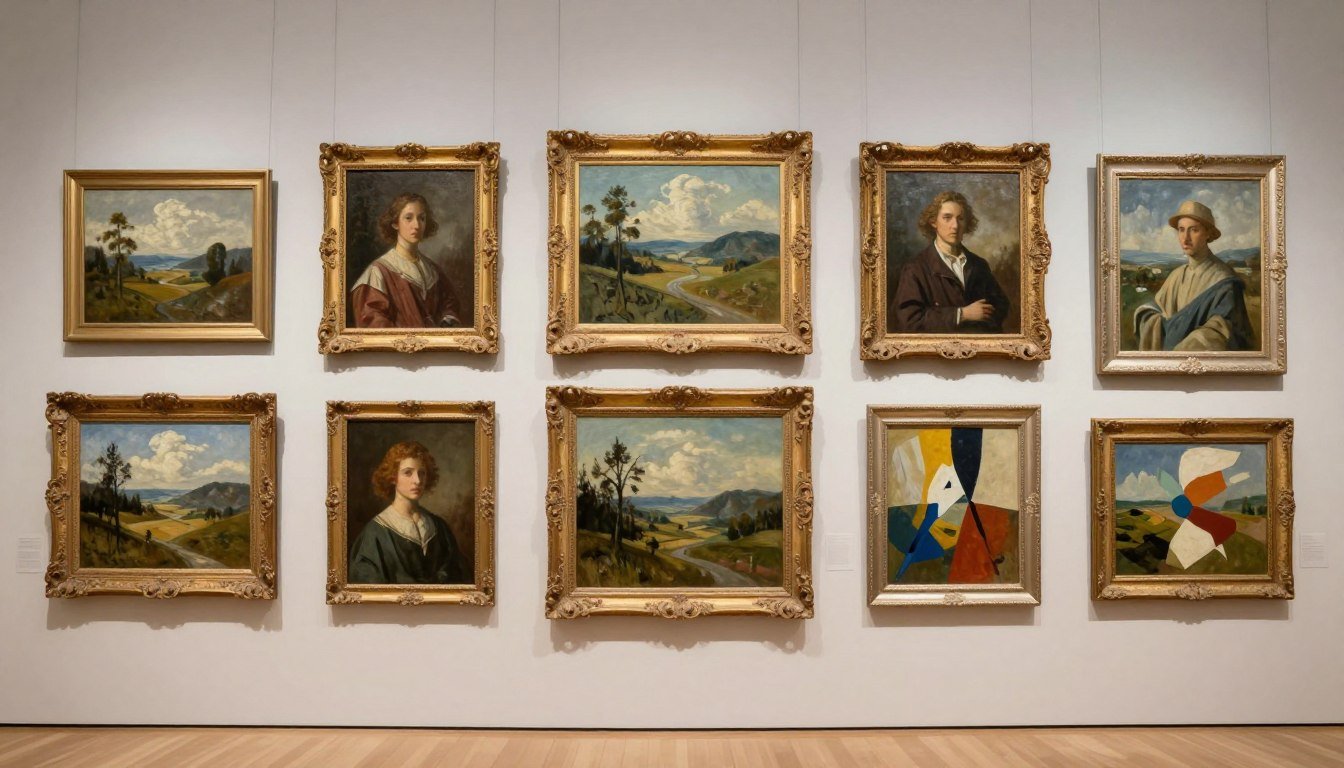

Walking into a gallery or browsing online collections can feel overwhelming. Thousands of paintings vie for your attention. Some are originals. Others are prints masquerading as fine art. The difference isn't always obvious at first glance.
This guide demystifies the process of acquiring original oil paintings for sale. You'll learn what makes an original genuinely valuable. You'll discover how to assess quality with a curator's eye. Most importantly, you'll gain confidence in selecting pieces that transform your space.
Whether you're furnishing a living room or seeking that perfect bedroom statement piece, understanding these fundamentals changes everything. Let's explore the world of authentic oil paintings together.
Begin Your Collection Journey
Explore our curated gallery of authentic original oil paintings, each piece selected for exceptional quality and artistic merit.
Understanding Original Oil Paintings Versus Prints

The distinction between an original oil painting and a print fundamentally shapes your investment. An original painting represents a singular creation. The artist applied paint directly to canvas. Every brushstroke carries intention. Each layer of oil paint builds dimension and depth.
Canvas prints, even high-quality reproductions, are mechanical copies. A printer transfers ink onto canvas or paper. No matter how sophisticated the printing technology, these lack the physical texture and unique characteristics of original artwork.
Physical Characteristics of Original Oil Paintings

Original oil paintings possess distinct physical properties. Run your fingers gently across the surface. You'll feel raised brushstrokes. Oil paint creates texture naturally.
The paint sits on top of the canvas in layers. Light interacts with these layers differently than with flat printed surfaces. This creates visual depth that changes as you move around the piece. Colors shift subtly depending on viewing angle.

Canvas prints appear uniformly flat. Under magnification, you'll see printer dots rather than brushwork. The surface feels smooth and consistent. While modern printing technology produces impressive results, it cannot replicate the tactile quality of original art.
Authentication and Provenance
Original oil paintings often include documentation. Artists sign their work, usually in oil paint. Many add dates or titles on the reverse side. Galleries provide certificates of authenticity. These documents establish provenance.

Prints may bear printed signatures. These differ from hand-signed pieces. Limited edition prints sometimes include numbered signatures from the artist. However, these still represent reproductions of original work, not the original artwork itself.
Understanding this distinction protects you from misrepresentation. Some sellers blur the lines between original paintings and high-quality prints. Always verify what you're purchasing before committing.

Authentic Original Oil Paintings
Each piece in our original oil collection represents unique artistic creation. Hand-painted by skilled artists using traditional oil painting techniques. Every brushstroke is an original mark, never replicated.
- Hand-painted with oil paints on canvas
- Unique texture and dimensional brushwork
- Signed by the artist in paint
- Certificate of authenticity included
- Investment-grade fine art

Premium Canvas Prints
Museum-quality reproductions of famous artworks and popular designs. Printed using advanced giclée technology on premium canvas. Excellent for decorative purposes at accessible price points.
- High-resolution digital printing
- Flat, uniform surface texture
- Affordable decorative option
- Consistent reproduction quality
- Multiple copies available
How to Evaluate Quality in Original Oil Paintings

Quality assessment requires examining multiple factors. The best original oil paintings demonstrate technical mastery and artistic vision. Understanding what to look for protects your investment and ensures satisfaction.
Canvas and Support Materials
The foundation of any painting matters tremendously. Professional artists use high-quality stretched canvas or wooden panels. The canvas should be taut and properly prepared with gesso or primer.

Examine the edges and back of the canvas. Quality stretcher bars feature cross-bracing for stability. The canvas weave should be even and tight. Inferior materials indicate shortcuts that compromise longevity.
Panel paintings use hardwood or composite boards. These provide rigid, stable surfaces. Many old master works were painted on panels. Modern artists sometimes prefer this traditional approach for certain subjects.
Paint Quality and Application

Professional-grade oil paints contain higher pigment concentrations. Colors appear rich and vibrant. Student-grade paints look dull or chalky by comparison. The difference becomes obvious when comparing pieces side by side.
Observe how the artist applied the paint. Skilled painters demonstrate confident brushwork. Each stroke serves a purpose. The paint may be thick in some areas, thin in others, creating visual interest.

Look for proper paint adhesion. Cracking or flaking indicates problems. Fresh paintings should show no such issues. Older works may display age-related craquelure, which can be acceptable if stable and not actively deteriorating.
Composition and Artistic Merit
Technical skill matters, but artistic vision elevates a painting from competent to exceptional. Strong compositions guide the viewer's eye through the piece. Color relationships create harmony or deliberate tension.

The subject matter should be rendered with understanding. Portrait artists capture not just likeness but character. Landscape painters convey atmosphere and light. Abstract works balance color, form, and texture effectively.
Ask yourself whether the painting evokes emotion or thought. Original art should engage you beyond mere decoration. This subjective element separates memorable pieces from forgettable ones.
Signature and Documentation

Reputable artists sign their work. The signature should be applied in paint, not marker or pencil. Placement varies by artist preference, but commonly appears in a corner.
Documentation adds value and assurance. Certificates of authenticity from galleries or artists confirm originality. These should include the painting title, dimensions, medium, date, and artist information.
Some artists maintain catalogues of their work. A piece listed in such records carries additional authentication. This becomes increasingly important for investment-grade artwork.
Choosing the Right Original Oil Painting for Your Space

Selecting artwork for your home involves more than aesthetic preference. The right piece complements your space while expressing your personality. Several practical considerations guide this decision.
Scale and Proportion
Size matters significantly in art placement. A painting should relate proportionally to the wall and surrounding furniture. Too small, and the piece gets lost. Too large, and it overwhelms the space.

For wall space above a sofa or console, the painting width should span about two-thirds to three-quarters of the furniture width. Leave adequate margin space around the edges. This creates visual balance.
Ceiling height influences vertical scale. Standard eight-foot ceilings accommodate most medium-sized works comfortably. Higher ceilings allow for larger vertical pieces or multiple paintings arranged in a gallery wall format.
Color Coordination and Mood

Color plays a crucial role in how a painting interacts with your room. The artwork need not match your decor exactly. In fact, introducing complementary or contrasting colors often creates more interest.
Consider the mood you want to establish. Warm colors like reds, oranges, and yellows energize a space. Cool blues, greens, and purples promote calm. Neutral palettes offer versatility and sophistication.

Many collectors choose pieces featuring one or two colors present in their room. This creates visual cohesion without being matchy. The painting then serves as either a harmonious element or an intentional focal point.
Subject Matter and Personal Connection
The subject of your original oil painting should resonate personally. Landscape paintings bring nature indoors. They work beautifully in living spaces and bedrooms. Coastal scenes evoke relaxation. Mountain vistas inspire.

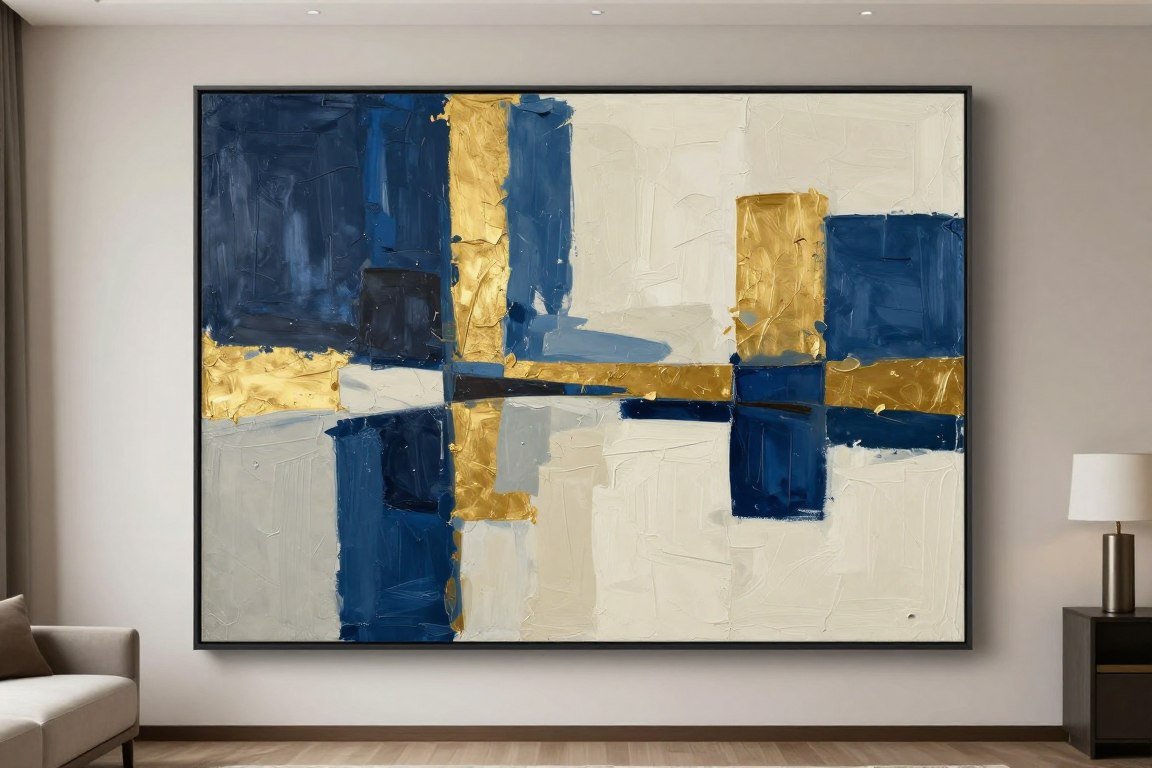
Abstract works offer maximum versatility. Geometric patterns add modern sophistication. Organic abstracts introduce movement and emotion. These pieces allow viewers to find their own meaning.

Figurative subjects, including portraits and still life compositions, bring classical elegance. These traditional subjects have endured for centuries. They add cultural depth to your collection.
Room-Specific Considerations

Living rooms serve as primary gathering spaces. These areas accommodate larger statement pieces. Bold subjects and colors work well here. The painting becomes a conversation starter and anchors the room design.
Consider sight lines when entering the room. The painting should be visible from main seating areas. Hang at eye level for optimal viewing. Standard placement puts the center of the artwork 57 to 60 inches from the floor.

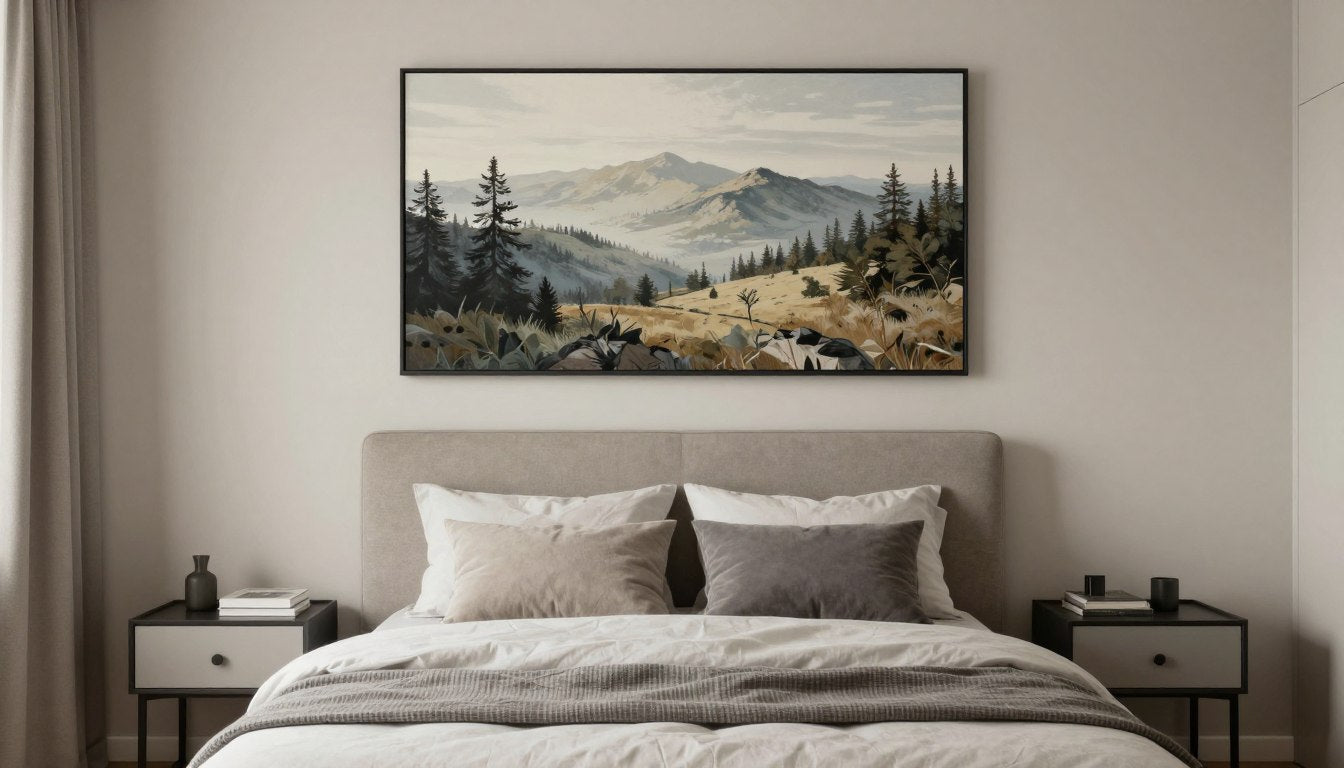
Bedrooms benefit from more personal, calming artwork. Softer colors and peaceful subjects promote rest. Landscape paintings, gentle abstracts, or serene still life paintings suit these intimate spaces.
Scale remains important. A painting above the bed should be narrower than the headboard. Side walls offer opportunities for vertical pieces or smaller works displayed on dressers or nightstands.

Living Room Collection
Bold, engaging original oil paintings designed to anchor your living space. Statement pieces that spark conversation and reflect your aesthetic sophistication.
- Large-scale original artwork
- Vibrant colors and dynamic subjects
- Perfect focal point pieces
- Landscape and abstract options

Bedroom Collection
Tranquil original oil paintings that create peaceful atmosphere. Carefully selected for calming colors and serene subjects that promote rest and relaxation.
- Soothing color palettes
- Peaceful landscape subjects
- Intimate scale options
- Calming artistic style

Abstract Geometric Collection
Contemporary original oil paintings featuring bold geometric forms. Modern sophistication meets artistic expression in these versatile abstract works.
- Modern geometric designs
- Versatile style compatibility
- Bold contemporary aesthetic
- Various size options
Original Oil Paintings as Art Investment

Original artwork represents both aesthetic and financial value. Unlike mass-produced prints, original oil paintings can appreciate over time. Understanding investment factors helps you make informed decisions.
Artist Reputation and Career Stage
Established artists with exhibition histories command higher prices. Their work includes documented provenance. Galleries and museums may feature their pieces. This recognition supports value retention.

Emerging artists offer more accessible price points. Their work may appreciate as their careers develop. Collecting early works from promising artists can prove rewarding both aesthetically and financially.
Research the artist before purchasing. Review their exhibition history, awards, and critical reception. Online galleries often provide comprehensive artist biographies. This information informs value assessment.
Condition and Preservation

Condition significantly impacts value. Well-preserved paintings maintain worth better than damaged pieces. Store artwork away from direct sunlight, which fades colors over time.
Control humidity and temperature in display areas. Extreme fluctuations can crack paint or damage canvas. Professional framers offer conservation-grade materials that protect your investment.
Original paintings require minimal maintenance. Dust gently with a soft brush. Avoid cleaning solutions unless recommended by a conservator. Professional restoration addresses serious damage but costs can be substantial.
Market Trends in Original Art
Art markets fluctuate like other investment sectors. However, quality original artwork typically holds value well. Certain subjects and styles cycle through popularity.

Landscape paintings maintain consistent demand. Abstract works appeal to modern collectors. Figurative art experiences renewed interest among traditional collectors. Diversifying subject matter spreads risk.
Size affects both price and marketability. Very large pieces limit potential buyers due to space constraints. Medium-sized works offer better liquidity. Small paintings often sell quickly but at lower price points.
Investment Benefits
- Potential appreciation over time
- Tangible asset you can enjoy daily
- Limited supply increases value
- Cultural and aesthetic significance
- Portfolio diversification opportunity
- Legacy asset for future generations
Investment Considerations
- Requires proper care and storage
- Market values can be unpredictable
- Less liquid than traditional investments
- Authentication and provenance crucial
- Insurance and security costs
- Condition affects resale value
The Process of Buying Original Oil Paintings Online

Purchasing original artwork online offers convenience and access to broader selections. Reputable galleries provide detailed information and authentication. Understanding the buying process ensures positive experiences.
Researching Online Galleries
Established online art galleries maintain professional standards. They photograph artworks accurately under proper lighting. Detailed descriptions include dimensions, medium, and artist information.

Look for galleries offering return policies. This demonstrates confidence in their offerings. Shipping should include insurance and careful packaging. Professional galleries use specialized art shipping services.
Customer reviews provide insight into gallery reliability. Read multiple reviews across different platforms. Consistent positive feedback indicates trustworthy operations. Poor communication or misrepresented artwork raise red flags.
Viewing Artwork Virtually

Quality galleries provide multiple photographs. Overall views show composition and color. Detail shots reveal brushwork and texture. These images help assess quality remotely.
Request additional photos if needed. Reputable sellers willingly provide different angles or lighting conditions. Some galleries offer video walkthroughs of pieces. Virtual viewing rooms let you see artwork in context.
Color representation varies between screens. Professional galleries note this and describe colors accurately in text. Some provide Pantone color references for critical hues.
Authentication and Certificates
Legitimate sellers provide certificates of authenticity with purchases. These documents should include artist signature, painting details, and gallery information. Keep these certificates with purchase records.

Some artists include additional documentation. Biographical information, artist statements, or care instructions add value. This material helps future buyers understand provenance.
For significant purchases, consider independent appraisal. Professional appraisers assess authenticity and value. This costs money but provides peace of mind for major investments.
Secure Payment and Shipping

Use secure payment methods. Credit cards offer buyer protection. Avoid wire transfers to unknown sellers. Reputable galleries accept standard payment forms and provide detailed receipts.
Professional art shipping includes specialized packaging. Paintings ship in custom crates or reinforced boxes. Insurance coverage protects against damage or loss during transit. Tracking numbers allow monitoring.
Inspect artwork immediately upon arrival. Document any damage with photographs before contacting the seller. Most galleries resolve issues quickly when damage occurs during shipping.
How can I verify an online gallery's reputation?
Check for detailed contact information including physical address and phone number. Read customer reviews on independent platforms. Verify they offer clear return policies and authenticity guarantees. Professional galleries have established web presence and transparent business practices.
What should a certificate of authenticity include?
A proper certificate lists the artwork title, artist name, dimensions, medium, creation date, and unique identification number. It should include the artist's signature or gallery seal. Documentation of provenance and any exhibition history adds value.
Are online prices comparable to gallery prices?
Online galleries often offer competitive pricing due to lower overhead costs. However, prices should reflect the artist's reputation, artwork size, and materials. Extremely low prices on supposedly valuable works warrant skepticism. Compare similar works across multiple reputable sources.
What if the painting looks different from the website photos?
Reputable galleries accept returns if artwork significantly differs from representation. Document concerns with photos. Contact customer service immediately. Color variations between screens are normal, but composition, size, or quality misrepresentation justifies returns.
Caring for Your Original Oil Painting Collection

Proper care preserves your investment for generations. Original oil paintings prove remarkably durable when maintained correctly. Simple precautions prevent most damage.
Display Location Considerations
Avoid hanging paintings in direct sunlight. Ultraviolet rays fade pigments over time. Even indirect bright light causes gradual deterioration. North-facing walls receive gentler, more consistent light.

Keep artwork away from heat sources. Fireplaces, radiators, and heating vents create temperature fluctuations. Heat can crack paint or warp canvas over time. Maintain stable room temperature when possible.
Humidity affects paintings significantly. Excessive moisture promotes mold growth. Very dry conditions make canvas brittle. Maintain moderate humidity levels between 40-60 percent. Dehumidifiers or humidifiers help in extreme climates.
Cleaning and Maintenance

Dust accumulates on frames and canvas surfaces. Use a soft, clean brush to remove dust gently. Brush away from the canvas center toward edges. Never use feather dusters, which can snag on textured paint.
Avoid cleaning the painted surface with liquids. Water can damage oil paintings. Commercial cleaners often contain harmful chemicals. Professional conservators handle any cleaning beyond simple dusting.
Frame quality matters for protection. Use frames with backing boards that seal the painting. This prevents dust and insects from entering behind the canvas. Acid-free materials prevent deterioration.
Long-Term Preservation
Original oil paintings can last centuries with proper care. Many old master paintings survive in excellent condition due to careful preservation. Your collection deserves similar consideration.

Consider professional conservation for valuable pieces. Conservators assess condition and perform necessary treatments. Relining canvas, varnish removal, or paint stabilization extends artwork life span.
Document your collection photographically. Keep detailed records of purchase information, certificates, and condition reports. This information proves valuable for insurance purposes and eventual resale.
Insurance protects against theft, fire, or accidental damage. Valuable artwork requires specific coverage beyond standard homeowner policies. Art insurance specialists offer comprehensive protection for collections.
Essential Care Checklist
- Display away from direct sunlight and heat sources
- Maintain stable temperature and humidity levels
- Dust gently with soft brushes only
- Use conservation-grade framing materials
- Document collection with photos and records
- Secure adequate insurance coverage
- Consult conservators for any concerns
- Handle paintings carefully during moves
Discover the Rossetti Art Gallery Collection

Rossetti Art curates exceptional original oil paintings from talented artists worldwide. Our collection spans traditional landscapes to contemporary abstracts. Each piece undergoes careful evaluation for quality and artistic merit.

We understand the significance of selecting original artwork for your space. Our gallery provides detailed information about each painting and artist. High-resolution photography allows confident online purchasing.
Why Choose Rossetti Art

- Authenticated original oil paintings only
- Direct relationships with established artists
- Comprehensive artwork documentation
- Professional photography and descriptions
- Secure packaging and insured shipping
- Responsive customer service and guidance
- Return policy for your confidence
- Competitive pricing on quality art
Our curators select works that meet rigorous quality standards. We feature artists with proven skill and unique vision. This careful curation ensures you receive exceptional original art.

Browse our collections organized by subject, style, and room. Find landscape paintings that bring nature's beauty indoors. Discover abstract works that add contemporary sophistication. Explore figurative pieces with classical appeal.
Explore Our Complete Gallery
Browse hundreds of authenticated original oil paintings. Find the perfect piece for your space from our curated collection of exceptional artwork.
Your Journey into Original Art Collecting

Acquiring original oil paintings enriches your life aesthetically and culturally. These unique works connect you with artistic tradition spanning centuries. Each piece tells a story through color, texture, and composition.
You now understand what distinguishes original paintings from prints. You've learned to evaluate quality through materials, technique, and artistic merit. The knowledge of choosing appropriate pieces for specific spaces empowers confident decisions.

Original artwork represents both personal expression and lasting investment. Proper care preserves these treasures for future generations. Your collection becomes part of your legacy.
Whether furnishing your first home or expanding an established collection, the right original oil painting awaits. Take time to explore options. Visit galleries virtually and in person. Trust your instincts alongside informed judgment.
The perfect piece speaks to you on multiple levels. It complements your space while reflecting your aesthetic values. Quality original art transforms houses into homes and rooms into inspiring environments.
Ready to Start Your Collection?
Our gallery specialists are available to answer questions and provide personalized guidance. Whether you're seeking a specific subject, size, or style, we help you find the ideal original oil painting for your space and budget.
Contact us to discuss your vision. We're here to make your art collecting journey rewarding and enjoyable.

Begin your exploration today. Discover original oil paintings that inspire, beautify, and endure. Your perfect piece awaits in our carefully curated collection.

Leave a comment
This site is protected by hCaptcha and the hCaptcha Privacy Policy and Terms of Service apply.