
That expansive blank wall staring back at you holds unlimited potential. Yet the emptiness can feel overwhelming—a canvas too vast to tackle. The secret to transforming that void isn't just about finding something to hang, but understanding the principles of scale and intention that make designer spaces feel complete. Whether you're facing a soaring staircase wall, a long hallway, or the commanding space above your sofa, this guide will walk you through thoughtful solutions that bring personality and purpose to your walls.
Quick Answers (TL;DR)
- For instant impact, follow the 60-75% rule—your wall decor should fill at least 60% of the wall area you're styling
- Oversized canvas art creates immediate presence on large walls (36"+ for standard walls, 48"+ for truly large walls)
- Canvas sets (2-3 pieces) offer balanced coverage for extra-wide walls while maintaining visual cohesion
- For architectural interest without renovation, consider temporary solutions like peel-and-stick wallpaper, paint color blocks, or wood slat panels
- Functional solutions like floating shelves or picture ledges allow for evolving displays while adding practical storage
- When hanging multiple pieces, maintain consistent spacing (2-3" between frames for gallery walls, 4-6" for sets)
- Always consider your viewing distance—larger walls typically require bolder, simpler statements visible from across the room
The 4 Rules That Make Large Walls Look Designed

Scale Rule (Fill 60-75% of the Wall Zone)
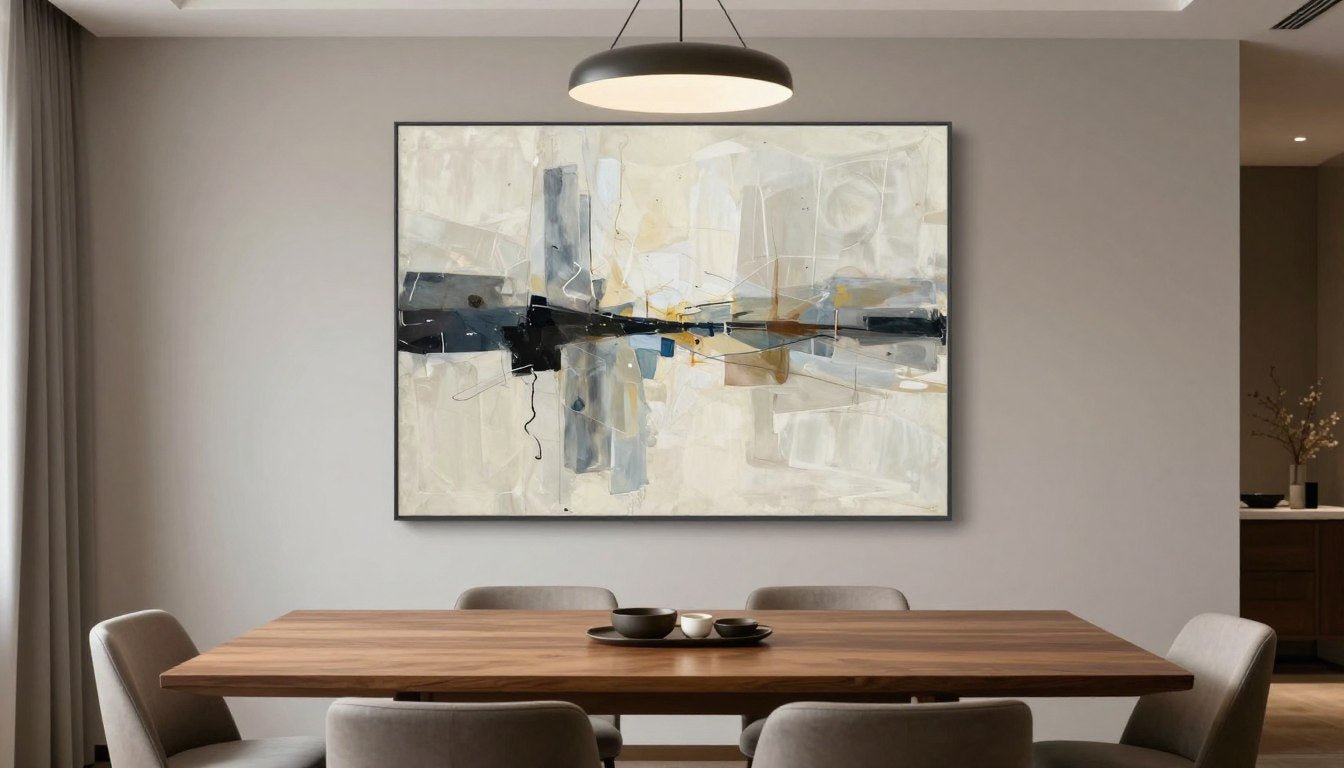
The most common mistake with large blank walls is choosing decor that's too small. For a designer-worthy look, your wall decor should fill 60-75% of the wall area you're styling. For a wall above a sofa, this means your art or decor arrangement should be roughly two-thirds the width of the sofa. For truly large walls (over 10 feet wide), consider either one oversized statement piece (48"+ wide) or a thoughtfully arranged grouping that collectively fills the space.
Anchor Rule (Tie to Furniture Below)
Large wall decor should visually connect to the furniture beneath it. For walls above furniture, center your art or decor arrangement with the piece below, maintaining 8-12 inches of space between the furniture top and the bottom of your wall decor. This creates a cohesive visual unit rather than disconnected elements floating in space. For walls without furniture beneath, create a focal point at eye level (approximately 60" from the floor to the center of your arrangement).
Repetition Rule (Repeat 1-2 Elements for Cohesion)
Designer spaces feel intentional because they repeat key elements. Choose 1-2 colors, shapes, or themes from your room to incorporate into your wall decor. This might mean selecting art with hints of your accent color, choosing frames that match your furniture finish, or incorporating similar geometric shapes found in your room's architecture. This repetition creates the visual harmony that distinguishes thoughtfully designed spaces.
Lighting Rule (Large Walls Need Evening Presence)
Large walls disappear after sunset without proper lighting. Consider how your wall will look in the evening by incorporating picture lights, sconces, or strategic accent lighting. For art-focused walls, picture lights not only illuminate your pieces but add architectural interest. For textural walls, upward or downward washing light creates dramatic shadows that enhance dimension.
Large Wall Solutions by Room + Budget + Difficulty
| Idea Type | Best Rooms | Budget | Difficulty | Time to Execute | Pro Tip |
| Oversized Canvas Art | Living Room, Bedroom, Dining | Medium-High | Easy | Minutes | Choose art at least 60% the width of furniture beneath it |
| Canvas Print Sets (2-3 pieces) | Living Room, Hallway, Above Bed | Medium | Easy | 30 Minutes | Keep 4-6" spacing between pieces for visual breathing room |
| Gallery Wall | Staircase, Hallway, Living Room | Low-High | Moderate | Weekend | Arrange layout on floor first; start hanging from center piece |
| Floating Shelves | Living Room, Kitchen, Office | Low-Medium | Moderate | Weekend | Vary heights of objects; group in odd numbers |
| Large Mirror | Dining Room, Hallway, Bedroom | Medium-High | Easy | 30 Minutes | Position to reflect light source or greenery |
| Wallpaper/Mural | Dining Room, Bedroom, Entry | Medium-High | Advanced | Weekend | Use peel-and-stick for rental-friendly option |
| Painted Color Block | Living Room, Bedroom, Office | Low | Easy | Day | Extend color onto adjacent wall for architectural effect |
| Textile Wall Hanging | Bedroom, Living Room, Dining | Low-High | Easy | Minutes | Use curtain rod for large textiles to prevent sagging |
Large Blank Wall Ideas (Choose Your Design Direction)
Art-Led Ideas (Fastest Transformation)

Art offers the quickest transformation for blank walls, instantly adding personality, color, and focal points to your space. The key is selecting pieces properly scaled to your wall's dimensions.
Oversized Statement Canvas (Single Hero Piece)
A single large-scale canvas creates immediate impact with minimal effort. For truly large walls, look for pieces 48" or larger in width. The subject matter should be visible from across the room—landscapes, abstracts with bold forms, or portraits with strong silhouettes work particularly well. For maximum impact, choose art that incorporates 1-2 colors from your existing decor while introducing a complementary accent tone. Oversized canvas prints eliminate the guesswork of proper scaling while offering gallery-worthy presence.
Diptych / 2-Piece Set for Balanced Width
For extra-wide walls (over 8 feet), a diptych (two-piece art set) provides balanced coverage while maintaining visual cohesion. The ideal spacing between pieces is 4-6 inches—close enough to read as a unit but with breathing room between. Two-piece canvas print sets work particularly well above sofas, console tables, or in dining rooms where you need substantial horizontal coverage without overwhelming the space.

Triptych / 3-Piece Set for Long Walls
A triptych (three-piece art set) creates visual rhythm across long walls. The three-part format naturally draws the eye across the space, making it ideal for hallways, above long sofas, or in dining rooms. When selecting a triptych, ensure the pieces work both individually and collectively. The spacing should be consistent between all pieces (typically 4-6 inches) to create a unified composition.
Gallery Wall (Grid vs. Organic)
Gallery walls offer flexibility for personalizing large blank walls. For a contemporary look, arrange frames in a precise grid with consistent spacing (2-3 inches between frames). For a more collected, organic feel, vary frame sizes while maintaining a cohesive color palette. The entire arrangement should follow the 60-75% coverage rule—treat the collection as one unit when determining proper scale for your wall.
One Hero Piece + Two Smaller Accents
This asymmetrical arrangement creates dynamic interest while maintaining visual balance. Place your largest piece slightly off-center, then flank with two smaller complementary works. This approach works well for walls with architectural features (like windows or doorways) that create natural asymmetry. The best-selling art pieces often work perfectly as the central hero in these arrangements, with their proven appeal as focal points.

Monochrome "Quiet Luxury" Composition
For sophisticated spaces, a monochromatic art arrangement creates subtle elegance. Select pieces in varying tones of a single color family—black and white photography, sepia-toned prints, or grayscale abstracts. The restrained palette allows the composition, texture, and form to become the focus. This approach works particularly well in bedrooms, formal dining rooms, or any space where you want refined visual interest without bold color statements.
Abstract & Geometric for Modern Spaces
Modern and contemporary interiors benefit from the clean lines and bold forms of abstract and geometric art. These styles provide visual interest without the specificity of representational art, making them versatile for minimalist spaces. Large-scale abstract and geometric canvas prints can anchor a room with strong visual presence while maintaining a sophisticated, gallery-like aesthetic.
Architectural / Statement Ideas (Big Impact)

Painted Color Block / Half-Wall Paint
Transform a blank wall with architectural interest using strategic paint. A half-wall color block (painting the bottom 3-4 feet in a contrasting color) adds dimension without commitment. For more drama, create an oversized arch or geometric shape in a bold color. This approach works particularly well in minimalist spaces where you want to add interest without adding objects to the wall.
DIY Mural / Stenciled Pattern
For the creatively inclined, a DIY mural offers personalized impact. Simple geometric patterns using painter's tape require minimal artistic skill while creating maximum visual interest. Alternatively, large-scale stencils can create the look of wallpaper with less commitment. Focus your design on the center 60% of the wall for a framed, intentional look rather than covering the entire surface.
Large Mirror to Bounce Light
Oversized mirrors (36" or larger) serve double duty—filling blank wall space while visually expanding your room. Position mirrors to reflect natural light sources or attractive views. For maximum impact, choose mirrors with substantial frames that add architectural presence. Arched or unusual shapes create even more visual interest than standard rectangles.

Oversized Clock or Sculptural Wall Object
Dimensional objects add sculptural interest to flat walls. An oversized clock (30"+ diameter) creates both function and visual impact. Alternatively, consider wall-mounted sculptures, architectural salvage pieces, or dimensional wood or metal art. These three-dimensional elements cast interesting shadows that change throughout the day, adding another layer of visual interest.
Functional Ideas (Beautiful + Useful)

Floating Shelves Styled as a Mini Gallery
Floating shelves transform blank walls into flexible display space. For a cohesive look, choose shelves in a finish that complements your existing furniture. Install 2-3 shelves with 14-18 inches of vertical spacing between them. Style with a mix of art (leaned rather than hung), books, and objects of varying heights. The beauty of this solution is its adaptability—you can refresh your display seasonally without putting new holes in your walls.
Picture Ledges with Layered Frames
Picture ledges offer the flexibility of a gallery wall with minimal wall damage. Install 2-3 ledges horizontally across your wall, then layer framed art of varying heights. The overlapping creates depth while allowing for easy rearrangement. This approach works particularly well for growing collections or spaces where you want to rotate displays frequently.

Wall-Mounted Bar Shelf / Serving Ledge
In dining rooms or living spaces, a wall-mounted bar shelf combines decoration with function. Choose a substantial shelf with enough depth (10-12 inches) to hold bottles, glassware, and a few decorative elements. Position at counter height (36-42 inches from the floor) for easy access. Style with a mix of essential bottles, interesting glassware, and 1-2 art pieces leaned against the wall behind.
Entry "Landing Zone" Wall
Transform your entry wall into an organized landing zone with a combination of hooks, a narrow shelf, and purposeful art. Mount hooks at 5-6 feet height, a narrow shelf at 30-36 inches, then add a mirror or art piece centered above. This creates both function for everyday items and an attractive first impression for your home.
Textural Ideas (Warmth and Depth)

Textile Wall Hanging / Tapestry
Textiles add warmth, improve acoustics, and fill large walls with minimal effort. Look for woven wall hangings, vintage rugs, or tapestries sized appropriately for your wall (following the 60-75% coverage rule). For large textiles, use a wooden dowel or curtain rod through a sewn pocket to prevent sagging. The dimensional texture creates interest even with simple patterns or neutral colors.
Acoustic Panels Done Aesthetically
Modern acoustic panels have evolved beyond utilitarian office solutions into design elements. Fabric-wrapped panels in complementary colors can be arranged in geometric patterns to create both sound absorption and visual interest. For a custom look, cover panels in fabrics that coordinate with your existing decor. Arrange in a grid or staggered pattern to fill 60-75% of your wall space.

Wood Slats / Fluted Texture
Architectural texture transforms flat walls into dimensional features. Vertical wood slats (installed with construction adhesive or finishing nails) create sophisticated texture with natural warmth. For a more contemporary look, fluted panels offer similar dimension with cleaner lines. These treatments can cover an entire wall or be installed as an oversized "panel" that follows the 60-75% coverage rule.
Which Option Fits Your Room? (Quick Matching Guide)

Living Room: Long Wall Behind Sofa
The wall behind your sofa typically requires substantial horizontal coverage. Ideal solutions include: a large single canvas (2/3 the width of your sofa), a diptych or triptych spanning 70-80% of the sofa width, or a balanced gallery wall centered over the sofa. Maintain 8-10 inches between the top of your sofa and the bottom of your art for proper spacing.
Hallway: Panoramic Horizontal vs. Vertical Stack
Hallways present unique challenges with their long, narrow proportions. For wider hallways, consider a horizontal series of similarly sized frames or canvases installed at eye level. For narrower hallways with more vertical space, create a vertical stack of 2-3 pieces centered on the wall. Alternatively, a single oversized piece can create a dramatic moment in an otherwise transitional space.
Staircase: Tall Vertical Rhythm + Sets
Staircase walls call for arrangements that follow the diagonal line of the stairs. Create visual rhythm by installing similarly sized frames at regular intervals along the staircase, maintaining consistent spacing between pieces. Alternatively, a series of vertical groupings (2-3 frames stacked vertically) positioned at key points along the staircase creates more concentrated moments of interest.

Bedroom: Calm Palette + Soft Shapes
Bedroom walls benefit from soothing visual elements. Consider oversized art in calming palettes (blues, soft greens, neutrals) or abstract pieces with gentle, flowing forms. For above-bed installations, ensure secure hanging methods and choose pieces without glass when possible for safety. A horizontal canvas or print set spanning 2/3 the width of your headboard creates perfect proportion.
Dining: Conversation Starter + Glare Control
Dining room walls offer an opportunity for more dramatic or conversation-starting pieces. Consider subject matter that sparks discussion or reflects your interests. Be mindful of evening lighting—position art to avoid direct glare from light sources, or add picture lights to properly illuminate your pieces during dinner gatherings. Textural pieces like textile art or dimensional objects can add interest without reflective surfaces.
Common Mistakes (and Quick Fixes)

Too Small (Go Bigger Rule)
The most common mistake is choosing art that's too small for your wall. If your wall decor feels lost or floating in too much empty space, it's undersized. Quick fix: Either replace with larger pieces or create a more substantial grouping by adding complementary pieces around your existing art. Remember the 60-75% coverage rule—your art should fill most of the wall area you're decorating.
Hanging Too High
Art hung too high creates a disconnected feeling in your space. Quick fix: The center of your art (or the center of a grouping) should be at eye level, approximately 57-60 inches from the floor in most rooms. When hanging art above furniture, position it 8-10 inches above the furniture top to create a visual connection between the pieces.
Too Many Small Items with No Focal Point
A collection of many small pieces without hierarchy creates visual chaos. Quick fix: Identify 1-3 larger anchor pieces, then arrange smaller items in relation to these focal points. Alternatively, group smaller pieces in clearly defined clusters with space between each grouping to create visual breathing room.

Inconsistent Spacing in Gallery Walls
Irregular spacing between frames creates a haphazard rather than intentional look. Quick fix: Maintain consistent spacing between frames (typically 2-3 inches for gallery walls). Use paper templates or painter's tape to plan your layout before making holes. For a more collected look, vary frame sizes and styles while keeping the spacing consistent.
Ignoring Lighting at Night
Many walls look great during the day but disappear after sunset. Quick fix: Add intentional lighting with picture lights, adjustable sconces, or strategic ceiling spots that highlight your wall decor. Battery-operated picture lights offer a rental-friendly solution without requiring electrical work.
Frequently Asked Questions
How do I decorate a large blank wall on a budget?
Budget-friendly large wall solutions include: painted geometric designs using painter's tape; framed fabric or wallpaper samples; oversized engineering prints in simple frames; vintage posters or maps; DIY canvas art with abstract designs; or a collection of thrifted frames painted in a consistent color and filled with meaningful photos or free printable art.
What size art works on a big wall?
For truly large walls (8+ feet wide), look for art that's at least 40-60 inches in width, or create groupings that collectively span 60-75% of the wall width. The height should be proportional to the width—typically 2/3 to 3/4 as tall as it is wide for horizontal pieces. Remember that multiple smaller pieces can work together to fill a large wall when arranged as a cohesive unit.
Is one large piece better than a gallery wall?
Neither is inherently better—the choice depends on your space and style preferences. A single large piece creates bold impact with minimal visual complexity, making it ideal for minimalist spaces or rooms with many other design elements. Gallery walls offer more personality and flexibility to incorporate various styles, colors, and personal items, but require more planning to execute well.
How do I space a 2-piece or 3-piece set?
For canvas sets or multi-piece art, maintain consistent spacing between all pieces—typically 4-6 inches for large pieces. This spacing should be narrow enough that the pieces read as a unit but wide enough to allow each piece to breathe. Measure and mark carefully before hanging, using a level to ensure all pieces align properly.

What should I put on a blank wall behind a sofa?
The wall behind a sofa typically calls for substantial horizontal coverage. Effective options include: a large statement canvas (at least 2/3 the width of your sofa); a diptych or triptych spanning 70-80% of the sofa width; a balanced gallery wall centered over the sofa; or a combination of a central art piece flanked by sconces for added dimension and evening lighting.
How can I fill a big wall without making it cluttered?
To avoid clutter while filling a large wall, follow these principles: choose fewer, larger pieces rather than many small ones; maintain consistent spacing between items; limit your color palette to 3-4 colors maximum; group smaller items into clearly defined clusters with space between; and leave some breathing room—aim to fill 60-75% of the wall, not 100%.
How do I decorate a tall staircase wall?
Staircase walls work best with arrangements that follow the diagonal line of the stairs. Effective approaches include: a cascading gallery wall that follows the stair line; a series of 2-3 vertical groupings positioned at key points along the staircase; a single dramatic oversized piece at the landing; or a series of identical frames installed at regular intervals to create rhythm as you ascend or descend.
How to Choose the Right Solution for a Blank Wall
- Measure wall width/height and viewing distance
- Decide purpose (statement vs function vs texture)
- Pick a focal point (center line)
- Choose scale (go larger than you think)
- Match mood (calm vs bold)
- Keep a consistent palette (2–4 tones)
- Plan lighting (glare + evening ambiance)
- Use spacing rules (for sets/gallery walls)
- Avoid clutter: one hero concept per wall
Where to Find Large-Scale Wall Art That Feels Gallery-Worthy

Finding properly scaled art for large walls often presents a challenge—custom framing and original art at these dimensions can quickly become investment pieces. For those seeking gallery-worthy impact without the gallery price tag, Rossetti Art offers curated collections of oversized canvas prints and sets specifically designed for large wall spaces. Their pieces are created with the scale principles designers follow, ensuring proper proportions for substantial walls while maintaining artistic integrity.
Whether you choose a statement canvas, a sophisticated print set, or one of the architectural or textural solutions we've explored, remember that your large blank wall isn't a decorating challenge—it's an opportunity to make a significant impact in your space. By following the scale, anchor, repetition, and lighting rules we've discussed, you'll transform that empty canvas into an intentional, designer-worthy focal point that feels completely yours.
Ready to Transform Your Blank Wall?
Explore curated collections designed specifically for large wall spaces.
Browse Collections
About the Author
Chiara Rossetti
Chiara Rossetti is the founder of Rossetti Art, a canvas print and original art brand. She writes about interior design, wall art styling, and the art of making a home feel alive.

Leave a comment
This site is protected by hCaptcha and the hCaptcha Privacy Policy and Terms of Service apply.