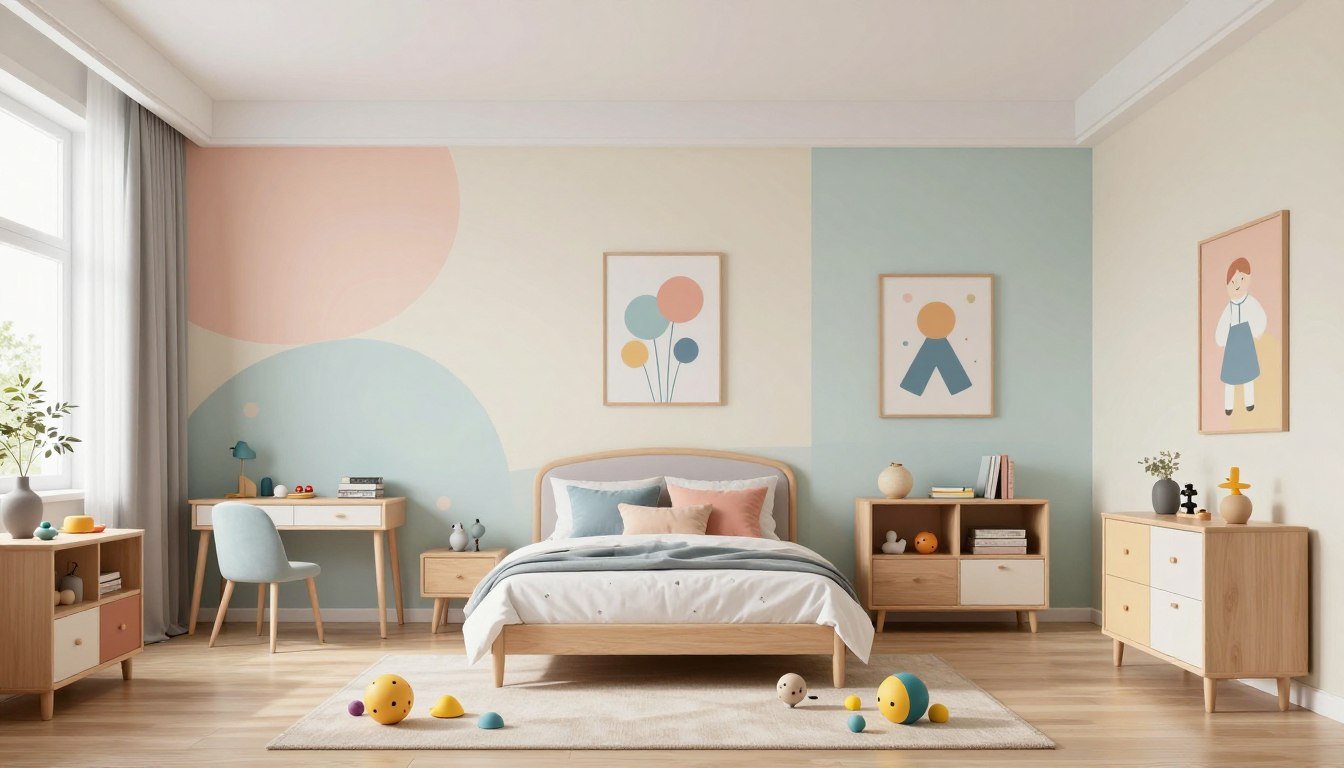

Creating a space where your child feels happy and inspired starts with the right design choices. Kid room painting remains one of the most powerful ways to transform a bedroom from ordinary to extraordinary. The colors you choose shape your child's mood, creativity, and even sleep patterns. Paint colors create the foundation, but the real magic happens when you combine thoughtful hues with complementary décor elements.
Parents face real challenges when planning a room makeover. Which color works best for different ages? How do you create a space that grows with your child? What about the time and effort required for a full painting project? These questions stop many families from starting the transformation they envision.
This guide walks you through everything you need to know about kids room paint, from choosing the perfect palette to exploring faster alternatives that deliver professional results. You'll discover how paint and canvas art work together to create spaces that spark imagination while reflecting your child's unique personality. Whether you're refreshing a nursery or redesigning a teen's retreat, you'll find practical solutions that fit your timeline and budget.
Instant Transformation: 3 Canvas Prints for Playful Kids' Rooms
If you love colorful and imaginative themes, these prints bring instant personality to any room—no painting required. Each piece arrives ready to hang, transforming blank walls in minutes.

Safari Adventure Canvas
Gentle watercolor animals create a calming yet playful atmosphere. Perfect for nature-loving kids ages 2-8.

Color Pop Abstract
Bold shapes and primary colors energize creative minds. Ideal for active children who love bright, dynamic spaces.

Dreamy Garden Print
Soft botanicals in muted tones complement any paint color. Creates peaceful environments that support better sleep.
Understanding Color Psychology for Children's Spaces

Color influences behavior more than most parents realize. The shades surrounding your child during developmental years affect concentration, energy levels, and emotional well-being. Understanding these connections helps you make informed choices when selecting kids room paint.
Warm colors like yellows and oranges stimulate creativity and social interaction. They work beautifully in playrooms where active engagement matters most. However, these vibrant hues may overstimulate in bedrooms where calm and rest take priority. The intensity matters as much as the hue itself.
Cool colors including blues and greens promote relaxation and focus. These paint colors suit bedrooms perfectly, creating environments conducive to homework and quality sleep. Soft blue tones have been shown to lower heart rate and reduce anxiety in children. Green shades connect kids to nature, fostering peace and balance.
Age-Appropriate Color Selection
Different ages respond to colors in unique ways. Infants benefit from soft, muted tones that don't overstimulate developing vision. Pastels in cream, pale blue, or soft mint create nurturing nursery environments. These subtle shades grow with your child, avoiding the need for frequent repaints.
Toddlers and preschoolers thrive with brighter accent colors that encourage exploration. Consider a neutral base with one bold accent wall. This approach lets you easily update the room as interests change. Primary colors in moderate saturation support learning during these formative years.
School-age children develop stronger preferences and need spaces that reflect their growing identities. Involve kids in color selection to boost room ownership and pride. Balance their choices with timeless neutrals on main walls. Save bold colors for easily changeable elements like canvas art prints and accessories.

Gender-Neutral Paint Approaches
Moving beyond traditional pink and blue opens creative possibilities. Gender-neutral palettes work for any child while offering more longevity. These color schemes adapt as your child grows, reducing the need for major redesigns.
Consider combinations like sage green with warm gray, or soft yellow paired with cream. These sophisticated pairings create calm environments without limiting self-expression. Add personality through artwork, textiles, and furniture rather than committing to stereotypical wall colors.
Nature-inspired hues offer another excellent gender-neutral option. Terracotta, olive, sand, and sky blue work equally well for all children. These earthy tones provide a grounding backdrop that supports various décor styles as interests evolve through the years.
Most Popular Kids Room Paint Colors and Why They Work

Certain paint colors consistently deliver beautiful results in children's spaces. These tried-and-true options provide starting points for your design journey. Each offers unique benefits while creating rooms kids genuinely love.
Soft Blue Tones
Powder blue and sky blue shades remain among the most requested kids room paint colors. These hues create peaceful sanctuaries that support both play and rest. Benjamin Moore's "Breath of Fresh Air" exemplifies this calming category perfectly.
Blue works across age ranges and design styles. It pairs beautifully with white trim and natural wood furniture. The color adapts easily to different themes, from nautical to celestial to sports-focused. This versatility makes blue a smart long-term investment.
For maximum flexibility, apply blue to three walls and reserve one for a complementary accent color. This technique adds visual interest without overwhelming the space. Blue's naturally receding quality makes rooms feel more spacious, a valuable benefit in smaller bedrooms.
Gentle Green Shades
Mint, sage, and seafoam green create fresh, natural environments. These colors have grown tremendously in popularity as parents seek nature-connected spaces. Green promotes both calm and creativity, offering balanced energy throughout the day.
Green paint colors complement virtually every accent shade. Pair them with yellow for cheerful vibrancy or coral for contemporary warmth. White and wood tones enhance green's organic quality. The color works especially well when balanced with botanical wall art that reinforces the natural theme.
These hues suit children of all ages and adapt to changing interests. A room painted sage green transitions seamlessly from nursery to toddler space to tween retreat. This longevity makes green an economically smart choice for growing families.

Warm Neutral Options
Beige, cream, and warm gray provide sophisticated backdrops that grow with children. These shades never feel babyish, making them ideal for parents planning ahead. Neutrals also maximize natural light, brightening spaces without relying solely on artificial illumination.
The beauty of neutral kids room paint lies in its flexibility. Change the entire room feel by simply swapping textiles and artwork. This approach costs far less than repainting while keeping spaces feeling fresh and current. Neutrals also appeal to resale-conscious homeowners.
Layer different shades of your chosen neutral to add depth without bold color. For example, combine cream walls with taupe accents and white trim. This monochromatic approach creates sophistication while maintaining the adaptability neutrals provide. Add pops of color through easily changeable elements like canvas prints and throw pillows.
Cheerful Yellow Hues
Soft butter yellow and pale gold bring sunshine into children's rooms. These happy shades boost mood and encourage optimism. Yellow works particularly well in rooms with limited natural light, brightening even north-facing spaces.
Balance is critical with yellow paint colors. Too bright or saturated, and the color becomes overwhelming. Aim for hues with cream or beige undertones rather than pure primary yellow. These softened versions maintain cheerfulness without causing visual fatigue.
Yellow pairs beautifully with white, gray, and natural wood. For added interest, introduce touches of coral, mint, or sky blue. These combinations create playful yet sophisticated spaces that children appreciate at every age. Yellow's warm energy makes it perfect for playrooms where creativity and activity flourish.
Creative Paint Techniques That Transform Kids Rooms
Standard single-color walls offer just one design approach. Creative painting techniques add personality and visual interest without requiring professional skills. These methods help you achieve custom looks while staying within reasonable budgets.
Accent Wall Strategies
An accent wall draws attention to specific architectural features or zones. Choose the wall behind the bed for natural focal point creation. Bold colors work best when limited to this single surface, preventing visual overwhelm.
Color combinations create drama and depth. Try navy blue against soft gray walls, or coral paired with cream. The contrast defines space while letting the primary color remain calming. This technique works especially well in smaller rooms where all-over bold color might feel claustrophobic.
Patterns add another dimension to accent walls. Stripes, geometric shapes, or stenciled designs create custom looks. Horizontal stripes make rooms feel wider, while vertical lines increase perceived ceiling height. Keep patterns simple for easier execution and timeless appeal.

Two-Tone Wall Treatments
Dividing walls horizontally adds architectural interest to plain rooms. Paint the lower third or half in a darker shade, creating visual grounding. This approach protects high-traffic areas while adding sophistication.
Chair rail molding provides a natural division line. If your room lacks this feature, use painter's tape to create a clean edge. Popular combinations include white above with sage below, or cream above with dusty blue below. These pairs balance light and depth effectively.
The two-tone approach also helps rooms grow with children. Start with playful lower colors when kids are young. Simply repaint the bottom section as they mature, leaving upper walls untouched. This strategy saves time and money during transitions between life stages.
Ombré and Gradient Effects
Ombré techniques blend colors from light to dark, creating dreamy atmospheres. This look works beautifully in nurseries and younger children's rooms. The gradient effect adds depth without overwhelming developing senses.
Achieve this look by mixing several shades of one color paint. Start with the lightest at the ceiling, gradually darkening toward the floor. Blend where colors meet using a dry brush or sponge. The technique requires patience but delivers stunning, one-of-a-kind results.
Sunset gradients combining warm hues create particularly magical effects. Blend pale yellow into peach, then into soft coral. This approach brings warmth and imagination to any child bedroom. The technique works on accent walls or ceiling surfaces for unique interest.
Murals and Wall Decals as Alternatives
Hand-painted murals create focal points that spark imagination. Common themes include forests, cityscapes, or underwater scenes. Professional muralists ensure quality results, though costs exceed standard painting projects.
Removable wall decals offer similar visual impact with less commitment. These peel-and-stick graphics come in countless designs and sizes. Parents appreciate how easily decals update as interests change. They also rent-friendly since removal doesn't damage walls.
For maximum flexibility, consider combining painted walls with high-quality canvas art instead of permanent murals. This approach delivers custom looks while maintaining the ability to refresh the room as your child grows. Canvas prints offer museum-quality images without the commitment or cost of hand-painted murals.

Match Your Color Scheme to Ready-Made Art
Already chosen your paint colors? Browse our curated collections to find canvas art that perfectly complements your palette. Each piece coordinates with popular kids room paint schemes while adding instant personality.
Coordinating Paint Colors with Furniture and Décor

Successful room design balances walls with other elements. Paint provides the backdrop, but furniture, textiles, and accessories complete the vision. Understanding how these pieces interact ensures cohesive, polished results.
Working with Existing Furniture
Most families start with furniture already owned. Choose paint colors that enhance these pieces rather than clash. White or natural wood furniture offers maximum flexibility, working with virtually any wall color. Dark wood creates drama when paired with lighter paint shades.
If furniture features bold colors, select neutral or complementary wall paint. For example, a bright red bookcase pops beautifully against cream or soft gray walls. This approach highlights special pieces without creating visual competition. The furniture becomes an intentional design feature rather than an afterthought.
Consider the undertones in wood finishes. Warm woods like oak and pine pair best with warm paint colors such as beige, cream, or soft yellow. Cool-toned woods including maple and birch complement grays, blues, and greens. Matching undertones creates harmony that feels intentional and polished.
Textile and Bedding Coordination
Bedding, curtains, and rugs offer opportunities to tie the room together. Pull accent colors from your paint choice into these textiles. For instance, if you painted walls soft blue, choose bedding with blue patterns mixed with white and yellow.
The 60-30-10 rule guides proportional color use. Apply your primary paint color to 60% of the room (walls). Use secondary colors for 30% (furniture, large textiles). Reserve your accent color for the remaining 10% (pillows, artwork, accessories). This formula creates balanced, professional-looking spaces.
Patterns add visual interest without requiring paint changes. Striped, floral, or geometric textiles introduce multiple colors while maintaining cohesion. Choose patterns that include your wall color plus one or two complementary shades. This approach ties everything together while preventing monotony.

Incorporating Artwork and Wall Décor
Wall art provides the finishing touch that personalizes your child bedroom. The right pieces complement paint colors while reflecting your child's interests and personality. Canvas prints offer particular versatility, easily updating as tastes evolve.
Gallery walls create impressive focal points using multiple pieces. Mix sizes and orientations for dynamic arrangements. Maintain cohesion by choosing artwork with shared color palettes. For example, group pieces featuring blues, greens, and yellows against cream walls for beachy vibes.
Large statement pieces anchor spaces and set room tone. A single oversized canvas print above the bed creates instant impact. Choose artwork incorporating your wall color plus complementary shades. This technique ensures the piece feels integrated rather than added as an afterthought. Explore kids-specific canvas collections designed to coordinate with popular paint schemes.
Lighting Considerations
Natural and artificial lighting dramatically affect how paint colors appear. North-facing rooms receive cool, indirect light that can make colors feel muted. South-facing spaces enjoy warm, bright illumination that intensifies hues. Test paint samples in your specific room throughout the day before committing.
Artificial lighting also influences color perception. Warm bulbs (2700-3000K) enhance yellows, oranges, and reds while muting blues and greens. Cool bulbs (5000-6500K) do the opposite. Choose bulbs that support your paint choice rather than working against it.
Layer lighting types for functional flexibility. Combine overhead fixtures with task lighting for homework areas and soft lamps for bedtime. This variety ensures the room works at different times while showcasing your paint color beautifully. Dimmer switches add another level of control over room ambiance.
Practical Tips for Painting Your Kid's Room

Successful kid room painting requires more than color selection. Proper preparation and execution ensure professional-looking results that last. These practical tips help you avoid common mistakes while streamlining the process.
Surface Preparation Essentials
Clean walls ensure paint adheres properly and lasts longer. Wash surfaces with mild soap and water to remove dust, grease, and fingerprints. Let walls dry completely before moving forward. This step prevents issues with paint application and final appearance.
Fill holes and cracks with spackling compound. Sand smooth once dry, then wipe away dust. These repairs create seamless surfaces that won't show through new paint. Pay special attention to areas around light switches and outlets where imperfections become obvious.
Prime walls when making dramatic color changes. Moving from dark to light colors requires primer to prevent bleed-through. Primer also helps new paint adhere to glossy surfaces and seals stains. Though it adds a step, priming saves time and paint in the long run.
Choosing the Right Paint Finish
Paint finish affects both appearance and durability. Several options suit different needs and preferences. Understanding these differences helps you select the best choice for your child's space.
Flat or matte finishes hide wall imperfections beautifully. They create sophisticated looks but show dirt and can't be scrubbed vigorously. Reserve flat paint for ceilings or low-traffic kids rooms where touching walls rarely occurs.
Eggshell and satin finishes balance appearance with practicality. These slightly glossy surfaces resist stains better than flat paint while maintaining attractive sheens. They work well on walls in most kids rooms, offering easier cleaning without harsh shine.
Semi-gloss and gloss finishes provide maximum durability and cleanability. These work perfectly for trim, doors, and high-contact areas. Some parents choose semi-gloss for entire rooms of very young children who frequently touch walls. The trade-off involves more visible imperfections and a shinier appearance.

Kid-Safe Paint Products
Children's health concerns make paint selection particularly important. Look for low-VOC or zero-VOC formulas that minimize harmful emissions. These paints release fewer chemicals during and after application, creating healthier indoor environments.
Major brands now offer extensive low-VOC lines without sacrificing performance. Benjamin Moore's Natura and Sherwin-Williams' Harmony exemplify high-quality options. These products cost slightly more but provide peace of mind worth the investment.
Washable paint formulations resist stains and clean easily. Products specifically marketed for kids rooms often include these features. While all paints claim some washability, formulas designed for high-traffic areas perform better under repeated cleaning.
Time and Cost Considerations
Plan for painting projects to take longer than expected. A typical child bedroom requires one to two days of work. Factor in drying time between coats and around life schedules. Rushing leads to mistakes that require time-consuming fixes.
Budget for quality paint and supplies. Premium paint covers better and lasts longer than cheap alternatives. You'll need less paint overall and won't repaint as frequently. Invest in good brushes and rollers for smoother application and better results.
Consider whether DIY makes sense for your situation. Painting yourself saves money but requires time, effort, and skill. Professional painters work faster and deliver flawless results. If time is limited or perfection matters, hiring help may prove worthwhile. Alternatively, explore faster alternatives like quality wall art that transforms spaces without the painting commitment.
Theme-Based Painting Ideas for Different Interests
Themed rooms celebrate your child's passions while creating immersive environments. Paint colors form the foundation for these specialized spaces. Smart color choices support themes without limiting future flexibility.
Nature and Outdoor Themes
Forest, jungle, and garden themes connect children with nature. Earthy greens, soft browns, and sky blues create these environments naturally. Layer different shades to build depth and interest without overwhelming young occupants.
Woodland themes work beautifully with sage green or soft olive walls. Add tree decals or botanical canvas prints to reinforce the concept. Natural wood furniture and green textiles complete the forest feeling while maintaining sophistication.
Ocean and beach themes utilize various blue shades from pale aqua to deep navy. Combine these with sandy beige or crisp white for coastal vibes. This palette creates calm, peaceful atmospheres perfect for bedrooms. Add touches of coral or seafoam through accessories for subtle personality.

Space and Science Themes
Astronomy enthusiasts love deep navy or charcoal gray walls that mimic night skies. These dramatic colors work surprisingly well in kids rooms when balanced with adequate lighting. Add glow-in-the-dark stars for magical nighttime effects.
Lighter approaches use soft blue or purple as base colors. These shades suggest sky and cosmos without darkness. Paint one ceiling section deep blue with cloud or star patterns. This technique brings theme overhead while keeping walls brighter and more versatile.
Science themes extend beyond astronomy to include elements like chemistry, biology, and technology. Bright accent colors against neutral backgrounds work well. Consider one bold wall in electric blue or lime green, representing energy and innovation. Keep remaining walls neutral for longevity.
Sports and Activities
Athletic kids appreciate rooms reflecting their passions. Team colors provide obvious starting points, but consider how these might limit future flexibility. Instead, choose classic sports-associated colors like navy, red, or forest green that work beyond specific teams.
Stripes and geometric patterns suit sports themes naturally. Paint horizontal stripes in team or coordinating colors. This technique adds energy without requiring specific sports imagery that children might outgrow. The bold look transitions well as interests evolve.
Activity-based themes like dance or music use colors associated with creativity and expression. Soft pinks and purples work for dance, while bold primary colors suit music rooms. Keep walls neutral and introduce theme through easily changeable elements like canvas prints and textiles.
Fantasy and Imagination
Princess, superhero, and fairy tale themes captivate young children. Soft pastels create dreamy princess rooms, while bold primary colors suit superhero spaces. These specific themes change quickly as children grow, so plan for future transitions.
Choose paint colors with broader appeal than ultra-specific themes. Lavender works for princess lovers now and sophisticated teens later. Red accent walls suit superheroes today and bold personalities tomorrow. Think beyond the immediate theme to colors your child won't outgrow within two years.
Combine neutral walls with theme-specific décor for maximum flexibility. A cream or soft gray room accommodates any theme through changeable elements. Swap canvas art, bedding, and accessories as interests shift. This approach saves money and effort while keeping the room feeling current and loved.

Maintaining and Updating Painted Kids Rooms

Beautiful paint jobs require ongoing care to stay looking fresh. Children's rooms face unique challenges from sticky fingers, crayon marks, and general wear. Smart maintenance extends the life of your paint while keeping spaces inviting.
Cleaning and Touch-Up Strategies
Regular cleaning prevents buildup that becomes harder to remove over time. Dust walls monthly using microfiber cloths or vacuum attachments. This simple habit keeps paint looking fresh while preventing grime accumulation.
Spot-clean marks immediately when they occur. Use mild soap and water with soft sponges for most stains. Avoid abrasive cleaners or scrubbing that can damage paint finishes. Test cleaning methods in inconspicuous areas first to ensure they won't cause discoloration.
Keep leftover paint for touch-ups. Store in airtight containers in moderate temperatures to maintain quality. Label containers with paint color, brand, and room location. When scuffs happen, clean the area first, let it dry, then apply thin coats of touch-up paint with small brushes.
When to Repaint
Most kids room paint lasts five to seven years with proper care. Signs that repainting time approaches include visible wear, color fading, or your child simply outgrowing the current scheme. Plan ahead for these transitions to minimize disruption.
Major life changes often trigger repainting projects. Moving from nursery to big-kid room, changing schools, or entering teenage years provide natural opportunities. Involve children in new color selection to increase their investment in the refreshed space.
Sometimes updating doesn't require full repaints. Consider refreshing just accent walls or adding new paint techniques. These partial updates cost less while delivering meaningful change. Combine fresh paint with new wall art for maximum impact with minimum effort.
Adapting Rooms as Children Grow
Smart initial color choices delay the need for major changes. Neutral or sophisticated colors transition better than baby-specific pastels. If you painted nursery walls soft gray or sage green, the same colors work through elementary school with simple décor updates.
Accent walls offer easy update opportunities. Repaint just one wall when your child requests change. This approach satisfies their desire for something new without the time and expense of entire room repaints. The method also lets children experiment with bolder choices they might tire of quickly.
Focus updates on changeable elements rather than permanent paint. New bedding, curtains, and artwork transform room feels without touching walls. This strategy proves particularly valuable during tween and teen years when tastes shift rapidly. Quality canvas prints can be swapped seasonally or as interests evolve.
Fast Alternatives to Traditional Kid Room Painting

Traditional painting projects demand significant time and effort. Many parents discover that faster alternatives deliver comparable results with less disruption. These options deserve consideration, especially for busy families or renters with limitations.
Ready-to-Hang Canvas Art Solutions
High-quality canvas prints transform rooms instantly without paint. These museum-grade pieces arrive ready to hang, requiring only minutes to install. Parents appreciate the immediate impact without the multi-day commitment painting demands.
Canvas art offers flexibility traditional paint cannot match. Change your child's room theme by simply swapping prints. This adaptability proves invaluable as interests evolve rapidly during childhood. The investment in quality canvas pieces pays off through years of use across different design schemes.
Coordinated canvas collections create cohesive looks that rival painted accent walls. Gallery arrangements of multiple pieces add dimension and personality. Choose prints that complement existing wall colors, or select pieces in your desired palette to avoid painting altogether. Explore curated kids room collections designed for easy coordination.
Removable Wallpaper Options
Peel-and-stick wallpaper revolutionizes temporary room transformations. These products apply easily and remove cleanly without damaging walls. Renters particularly appreciate this damage-free option that delivers custom looks.
Quality has improved dramatically in recent years. Today's removable wallpapers feature stunning designs, from subtle patterns to bold murals. Application requires care but no special skills. Most homeowners successfully install these products using basic tools and patience.
Combine removable wallpaper with paint for hybrid approaches. Use wallpaper on accent walls while keeping remaining surfaces neutral. This technique balances impact with practicality. When your child outgrows the pattern, simply peel it off and apply something new.
Combining Approaches for Maximum Impact
The most successful rooms often blend multiple strategies. Paint provides the foundational color, while artwork and accessories add personality. This layered approach creates depth impossible with any single method.
Consider painting three walls neutral and using the fourth for creative expression. Install a large canvas print as the focal point, or apply removable wallpaper. This combination delivers custom looks while maintaining overall calm and flexibility.
Budget-conscious families can update inexpensively using this method. Keep walls neutral through childhood, investing instead in quality art pieces that change with your child. The same base accommodates countless looks without repeated painting expenses. Visit our design blog for more inspiring combination ideas.

Skip the Mess, Love the Result
Museum-quality canvas prints deliver instant room transformations without painting stress. Each piece arrives ready to hang in minutes. Professional results with zero effort. Free worldwide shipping on all orders.
Budget Planning for Kid Room Painting Projects

Understanding costs helps families make informed decisions about room transformations. Kid room painting expenses vary widely based on choices, room size, and execution method. Proper planning prevents surprise expenses while ensuring quality results.
DIY Cost Breakdown
Paint represents the largest single expense for DIY projects. Quality paint costs between $30-60 per gallon. Average child bedrooms require two gallons for two coats. Budget $60-120 for paint alone, plus primer if needed.
Supplies add another $50-100 to total costs. This includes brushes, rollers, painter's tape, drop cloths, and trays. Quality tools improve results and last through multiple projects. Consider these investments rather than single-use expenses.
Additional costs might include spackling compound, sandpaper, and cleaning supplies. Budget an extra $20-30 for these preparation materials. Total DIY costs typically range from $130-250 for standard bedrooms. This represents significant savings compared to professional services.
Professional Painting Costs
Hiring professional painters costs more but saves time and ensures expertise. Expect to pay $300-800 for average child bedrooms, depending on location and complexity. This price usually includes materials, labor, and basic preparation.
Additional services increase costs. Extensive repairs, intricate patterns, or multiple colors add to base prices. Request detailed estimates from multiple contractors before committing. Compare not just prices but also included services and timelines.
Professional painting makes sense in specific situations. If time is extremely limited, results must be perfect, or the project includes difficult elements like high ceilings or extensive repairs, expert help justifies the investment. Balance cost against convenience and expected quality.
Alternative Solution Costs
Canvas art prices vary based on size and quality. Expect $40-200 per piece for museum-quality prints. Gallery walls of three to five pieces cost $120-600 total. This investment delivers instant results without painting time or mess.
Removable wallpaper runs $30-80 per roll, with most accent walls requiring two to three rolls. Total costs fall between $60-240. Application takes just hours compared to painting's multi-day timeline. The ability to change designs easily adds long-term value.
Compare these alternatives to painting when factoring in time value. If your available weekend time is limited and precious, spending $300 on canvas art instead of $200 on paint plus two days of work might prove worthwhile. Consider the complete picture when evaluating options.
Long-Term Value Considerations
Quality investments pay off over time. Premium paint lasts longer and looks better throughout its life. Cheap paint requires more frequent repainting, ultimately costing more. The same principle applies to canvas art and other décor elements.
Flexible design choices save money long-term. Neutral paint with changeable artwork costs less than repeatedly repainting as interests shift. Plan for growth when making initial investments. Choices that adapt to changing preferences deliver the best overall value.
Factor in resale considerations if you plan to move within five years. Neutral, broadly appealing colors and quality finishes increase home value. Ultra-specific themes or poor paint jobs can actually decrease appeal to potential buyers. Balance personal preference with practical investment thinking.
Common Kid Room Painting Mistakes to Avoid

Learning from common errors saves time, money, and frustration. Many painting mistakes prove easily avoidable with proper knowledge. Understanding these pitfalls helps you achieve professional results on your first attempt.
Color Selection Errors
Choosing colors based solely on tiny paint chips leads to disappointing results. Those small samples don't accurately represent how colors appear across entire walls. Always test larger samples in actual room conditions before purchasing gallons.
Paint large poster board sections with your potential colors. Position these around the room and observe them at different times of day. Natural and artificial lighting dramatically affect appearance. Colors that look perfect at noon might feel wrong in evening hours when your child spends most time in the space.
Ignoring undertones creates clashing combinations. Every color contains underlying hues that interact with surrounding elements. Cool grays with blue undertones fight against warm wood furniture. Pay attention to these subtle characteristics when coordinating paint with existing room components.
Preparation Shortcuts
Skipping surface preparation guarantees poor results. Dirty walls prevent proper paint adhesion, leading to peeling and poor coverage. Unfilled holes and cracks show through finished paint, creating unprofessional appearances. These shortcuts never save time in the long run.
Improper taping causes frustrating bleeding and uneven lines. Use quality painter's tape designed for clean removal. Press edges firmly to prevent paint seepage. Remove tape while paint remains slightly wet for the cleanest lines possible.
Inadequate furniture protection results in accidental splatters and damage. Move everything possible out of the room. Cover remaining furniture and floors completely with drop cloths or plastic sheeting. Prevention takes minutes but saves hours of cleanup or costly replacements.
Application Mistakes
Applying paint too thickly creates drips and uneven surfaces. Multiple thin coats always produce better results than single heavy applications. Allow proper drying time between coats as specified by manufacturer instructions. Patience during this stage ensures professional-looking finishes.
Using incorrect tools affects final quality. Cheap brushes and rollers leave streaks and shed bristles into wet paint. Invest in quality application tools appropriate for your paint type and wall texture. The improved results justify the modest additional expense.
Painting in poor conditions compromises results. Extreme temperatures and high humidity prevent proper drying and curing. Follow manufacturer recommendations for ideal application conditions. Schedule projects during moderate weather when doors and windows can stay open for ventilation.
Planning Failures
Underestimating time requirements creates rushed work and mistakes. Proper painting takes longer than most people anticipate. Allow full days for each coat plus drying time. Factor in real life interruptions and unexpected complications that inevitably occur.
Purchasing insufficient paint mid-project causes problems. Different batches sometimes vary slightly in color, creating visible differences. Calculate needs carefully and buy extra. Most stores accept unopened paint returns, making overbuying safer than underestimating.
Failing to plan for room use during projects causes inconvenience. Children need sleeping spaces and storage access. Consider where your child will sleep during multi-day projects. Move essential items to accessible locations before starting work.
Expert Tips from Professional Designers

Professional designers bring valuable perspectives to kid room painting. Their experience prevents common mistakes while revealing creative possibilities. These expert insights help families achieve sophisticated results that balance aesthetics with practicality.
The 60-30-10 Color Rule
This fundamental design principle creates balanced, harmonious spaces. Apply your dominant color to 60% of the room, typically walls. Secondary colors occupy 30% through furniture and larger textiles. Accent colors fill the remaining 10% via accessories and artwork.
This formula prevents overwhelming spaces with too many competing colors. For kids rooms, consider soft gray as your 60%, warm wood tones as 30%, and bright coral or yellow as 10%. The proportions create visual interest while maintaining calm foundations.
Adjust the rule slightly for children who need more stimulation. Increase accent color percentages to 15% or even 20% in play areas. Maintain lower percentages in bedrooms where calm remains priority. The principle adapts while providing helpful structure for color distribution decisions.
Testing in Quadrants
Professional designers test multiple colors simultaneously using a quadrant method. Divide one wall into four sections using painter's tape. Paint each section with a different potential color. This side-by-side comparison reveals how colors interact and appear in actual conditions.
Observe these test sections for at least 48 hours through various lighting conditions. Colors that look beautiful at midday might disappoint in evening hours. This comprehensive evaluation prevents expensive mistakes. The small investment in sample paints saves hundreds in avoided full-room repaints.
Photograph test sections in different lights. Review these images to make more objective decisions. Sometimes photos reveal details your eyes miss in person. Share pictures with partners or older children to facilitate decision-making conversations.
Layering Shades for Depth
Professional spaces rarely use single colors. Layering multiple shades of the same color creates sophisticated depth. Paint walls in your base color, then add trim in a lighter shade and accents in darker versions. This monochromatic approach delivers complexity without busy patterns.
For example, paint walls medium gray, trim bright white, and add one darker charcoal accent wall. Include charcoal and light gray in textiles. This layering creates visual interest that single-color rooms cannot achieve. The technique works with any color family.
Extend this principle to artwork and accessories. Choose canvas prints and décor items that incorporate various shades of your wall color. This repetition throughout the space creates cohesion that feels intentional and polished. Browse curated art collections that complement popular paint palettes.
Considering Room Orientation
North-facing rooms receive cool, indirect light that can make colors feel dull. Compensate by choosing warmer paint hues with yellow or orange undertones. These counteract the cool light, creating balanced atmospheres. Avoid cool grays and blues that will feel even colder.
South-facing rooms enjoy abundant warm light that intensifies colors. Cool shades balance this warmth while preventing overwhelming brightness. Blues, greens, and cooler grays work beautifully in these naturally bright spaces. The light brings out their best qualities.
East and west-facing rooms experience dramatic light changes throughout the day. Choose versatile colors that work in both warm morning or evening light and cooler midday conditions. Test samples during multiple times to ensure consistent appeal.

Seasonal Considerations for Painting Projects

Timing painting projects appropriately improves experiences and results. Each season offers unique advantages and challenges. Understanding these factors helps you choose optimal windows for successful room transformations.
Best Seasons for Painting
Spring and fall provide ideal painting conditions in most climates. Moderate temperatures and lower humidity promote proper paint drying and curing. Open windows for ventilation without extreme temperature concerns. These seasons also align with natural fresh-start feelings many families experience.
Summer works well if you can manage heat. Extended daylight hours allow longer work days. However, extreme heat can cause paint to dry too quickly, creating application problems. Use air conditioning to maintain moderate room temperatures. Avoid painting during heat waves when possible.
Winter presents challenges but remains doable with proper planning. Keep rooms adequately warm for proper paint curing. Extended drying times occur in cold conditions. However, winter often includes holiday breaks when families have available time. Indoor projects also provide productive activities during cold weather months.
School Break Opportunities
Summer vacation offers extended time for major painting projects. Children can stay elsewhere during disruptive phases. However, this popular timing means contractors book quickly. Plan months ahead if hiring professional help during summer months.
Winter and spring breaks provide shorter but often sufficient windows. Two weeks allows completion of most kids rooms, including drying time. These less popular periods sometimes offer better contractor availability and pricing. Consider these underutilized opportunities for room updates.
Plan around major events and celebrations. Avoid painting immediately before birthdays or holidays when stress already runs high. Complete projects well in advance so rooms feel settled during special occasions. Fresh spaces make wonderful birthday or back-to-school surprises when timed appropriately.
Weather and Humidity Factors
High humidity prevents proper paint drying and can cause lasting problems. Paint applied in humid conditions may never fully cure, remaining sticky or developing mildew. Check weather forecasts before starting projects. Postpone if humidity exceeds 70% during critical application periods.
Temperature extremes affect paint performance. Most paints specify ideal application temperatures between 50-85°F. Working outside these ranges compromises results. If room temperatures fall outside ideal ranges, adjust thermostats and wait for stabilization before painting.
Rain and moisture impact even indoor projects. Moisture in walls prevents proper adhesion. Avoid painting during extended rainy periods when indoor humidity rises. The few days delay ensures better results than pushing ahead in poor conditions.
Involving Children in the Design Process

Including children in room design decisions builds ownership and pride. Kids feel more invested in spaces they helped create. This involvement also teaches decision-making and compromise. Balance child input with practical limitations for best outcomes.
Age-Appropriate Involvement
Toddlers and preschoolers can choose between pre-selected options. Offer two or three parent-approved colors rather than overwhelming them with limitless choices. This guided selection gives them voice while ensuring practical outcomes. Simple decisions make them feel important without adult-level pressure.
Elementary-age children can participate more fully in the process. Visit paint stores together to explore options. Discuss how different colors make them feel. Guide choices by explaining which colors promote good sleep or improve concentration for homework. Their increasing understanding allows for meaningful input.
Tweens and teens should have significant say in their spaces. These older children have developed preferences worth respecting. Set parameters around appropriateness and permanence, then let them lead. This autonomy supports healthy development and reduces typical power struggles.
Teaching Compromise
Color selection teaches valuable negotiation skills. If your child chooses a color you question, discuss concerns respectfully. Explain your reasoning without dismissing their preferences. Work together to find middle ground that satisfies both parties.
The accent wall compromise works well with strong opinions. Let children choose bold colors for single walls while keeping remaining surfaces neutral. This approach honors their preferences while maintaining overall room balance. The technique teaches moderation and creative problem-solving.
Consider trial periods with removable solutions. If your child insists on questionable choices, agree to try them temporarily using removable wallpaper or canvas art. If they still love it after three months, commit more permanently. This teaches thoughtful decision-making rather than impulse reactions.
Building Excitement
Create anticipation around painting projects through countdowns and planning rituals. Mark calendars together showing project start dates. This builds positive associations rather than viewing changes as imposed disruptions. Involvement increases cooperation during execution phases.
Let children help with appropriate tasks during painting. Younger kids can organize supplies or choose music for work sessions. Older children can assist with actual painting under supervision. These contributions create pride in finished results while teaching practical skills.
Document the process through photos and videos. Create before-and-after comparisons showing transformation. These memories become treasured family stories. The documentation also helps children appreciate how much work creates beautiful spaces, fostering gratitude and care.

Safety Considerations for Kids Room Painting

Child safety must guide every painting decision and process. From product selection to application methods, protecting your family's health takes priority. These precautions ensure beautiful results without compromising well-being.
Product Selection for Health
Choose low-VOC or zero-VOC paints for children's spaces. VOCs (volatile organic compounds) release harmful gases during and after application. These chemicals can trigger respiratory issues, headaches, and other health problems. Premium low-VOC options now perform as well as traditional paints without these concerns.
Read labels carefully beyond basic VOC content. Some paints contain other concerning ingredients like formaldehyde or heavy metals. Look for products certified by independent organizations like Green Seal or Greenguard. These certifications verify safety claims through rigorous testing.
Natural and organic paints offer alternatives for particularly health-conscious families. These products use plant-based ingredients and mineral pigments. While sometimes more expensive, they provide peace of mind for families with allergies or sensitivities. Research brands thoroughly as "natural" claims aren't always regulated.
Ventilation and Air Quality
Proper ventilation during and after painting protects respiratory health. Open windows and use fans to create air circulation. Position fans to blow fumes outside rather than circulating them internally. This setup minimizes exposure to paint vapors.
Keep children out of rooms during active painting and for 72 hours afterward. Even low-VOC paints release some fumes during curing. Allow complete dissipation before returning children to spaces. Pregnant women should also avoid exposure during these periods.
Air purifiers with activated carbon filters remove lingering paint odors and particles. Run these devices continuously during and after projects. This extra precaution particularly benefits families with asthma or respiratory sensitivities. The investment protects health while accelerating safe room reoccupation.
Physical Safety During Projects
Move furniture away from walls and cover everything remaining in rooms. Sharp corners and unstable items create trip and injury hazards during projects. Remove small objects that children might grab or knock over. Clear spaces prevent accidents and facilitate efficient work.
Store all painting supplies in locked areas children cannot access. Paint, solvents, and tools pose poisoning and injury risks. Never leave supplies unattended even briefly. Establish designated supply zones that children understand as off-limits during projects.
Ladder safety prevents falls during ceiling and high wall work. Use appropriate ladder heights and ensure stable positioning. Never overreach from ladders, which causes instability. Consider hiring professionals for work requiring significant ladder use, especially if children remain in the home during projects.
Post-Painting Safety
Dispose of painting materials properly according to local hazardous waste guidelines. Paint cans, contaminated rags, and used brushes require specific disposal methods. These materials can leak harmful chemicals if simply thrown in regular trash. Contact local waste management for disposal locations and procedures.
Clean tools thoroughly and store safely. Paint residue on brushes and rollers contains concentrated chemicals. Ensure complete cleaning before storing where children might access. Consider dedicated storage for painting supplies separate from general household items.
Monitor children for unusual symptoms after returning to painted rooms. Headaches, dizziness, or respiratory issues suggest inadequate curing or ventilation. If symptoms appear, remove children immediately and increase ventilation. Consult pediatricians if symptoms persist.
Eco-Friendly and Sustainable Painting Options

Environmental consciousness influences many family decisions today. Sustainable painting practices protect both your children and the planet. These eco-friendly approaches deliver beautiful results while supporting environmental health.
Sustainable Paint Brands
Several manufacturers specialize in environmentally responsible paints. Brands like ECOS, Benjamin Moore's Natura line, and Sherwin-Williams' Harmony use plant-based ingredients and recycled materials. These products minimize environmental impact without sacrificing performance or durability.
Look for third-party certifications verifying environmental claims. Greenguard Gold certification ensures extremely low chemical emissions. Green Seal certification evaluates entire product lifecycles including manufacturing impacts. These credentials provide reliable guidance for truly sustainable choices.
Consider local manufacturers when available. Reduced transportation decreases carbon footprints. Many regional paint companies offer eco-friendly options with competitive quality. Supporting local businesses provides additional community benefits beyond environmental considerations.
Recycling and Waste Reduction
Accurate paint quantity calculations minimize waste. Measure rooms carefully and use paint calculators provided by manufacturers. Purchase slightly more than needed but avoid dramatic overbuying. Most stores accept returns of unopened paint within specified timeframes.
Donate unused paint to community organizations, schools, or theaters. These groups often need paint for projects but operate on tight budgets. Your leftovers become valuable resources rather than waste. Contact organizations before projects to arrange convenient pickup.
Recycle painting tools rather than disposing after single uses. Quality brushes and rollers last through many projects with proper cleaning. This practice saves money while reducing waste. When tools finally wear out, investigate recycling programs that accept these materials.
Alternative Eco-Friendly Approaches
Canvas art offers sustainable alternatives to frequent repainting. Quality prints last decades without requiring replacement. Changing artwork updates rooms without generating paint waste or chemical exposure. This approach particularly suits families preferring to minimize environmental impacts.
When selecting canvas prints, look for manufacturers using sustainable materials and practices. Eco-solvent inks and FSC-certified stretcher bars reduce environmental footprints. The longevity of quality canvas art makes it an inherently sustainable décor choice.
Removable wallpaper provides another lower-impact option than traditional painting. These products eliminate paint waste entirely. Choose wallpapers printed with water-based inks and made from recyclable materials. The ability to remove and reuse in other spaces extends product life.

Frequently Asked Questions About Kid Room Painting
What is the best paint color for a child's bedroom?
The best paint color depends on your child's age, personality, and the room's function. For bedrooms where sleep is priority, choose calming blues, soft greens, or warm neutrals. These colors promote relaxation and better rest. For playrooms where activity happens, consider warmer tones like soft yellows or corals that encourage creativity and energy.
Avoid overly saturated or bright colors in bedrooms, as these can overstimulate children and interfere with sleep. Softer versions of any color typically work better. Consider your child's preferences while balancing them with colors that support their well-being and the room's purpose.
How do I choose kid-safe paint for room painting projects?
Look for paints labeled low-VOC or zero-VOC, which emit fewer harmful chemicals. These products protect respiratory health during and after application. Major brands like Benjamin Moore, Sherwin-Williams, and Behr offer extensive low-VOC lines suitable for children's rooms.
Check for additional certifications like Greenguard Gold or Green Seal, which verify safety through independent testing. Read labels to ensure paints don't contain formaldehyde, heavy metals, or other concerning ingredients. While these premium products cost slightly more, they're worth the investment for your child's health.
For more information on safe paint selection, visit resources like the EPA's guide on VOCs and indoor air quality.
Should I involve my child in selecting paint colors for their room?
Yes, involving children creates ownership and pride in their spaces. The level of involvement should match their age. For younger children, offer two or three pre-approved options rather than unlimited choices. This gives them voice while ensuring practical outcomes.
Older children and teens should have significant input into their spaces. Set reasonable parameters around permanence and appropriateness, then let them lead. If they choose colors you question, discuss concerns respectfully and work together to find compromises. Accent walls in bold colors while keeping other walls neutral often satisfy everyone.
How long should I wait before letting my child sleep in a freshly painted room?
Wait at least 72 hours after painting completion before children return to rooms, even with low-VOC paints. This allows adequate time for fumes to dissipate and paint to cure properly. Open windows and run fans during this period to maximize ventilation.
If strong paint odors remain after 72 hours, extend the waiting period. Some paints take longer to cure in humid conditions or cooler temperatures. Trust your nose—if you can smell paint, your child shouldn't sleep in the room yet. Using zero-VOC paints may allow shorter waiting periods, but err on the side of caution.
What paint finish works best for kids rooms?
Eggshell or satin finishes balance appearance with practicality for most kids rooms. These slightly glossy surfaces resist stains better than flat paint while avoiding the harsh shine of semi-gloss. They clean more easily, important in spaces prone to fingerprints and marks.
For very young children or high-traffic areas, consider semi-gloss on walls despite the shinier appearance. This durable finish withstands frequent wiping and scrubbing. Use semi-gloss or gloss on trim, doors, and woodwork in all children's rooms for maximum protection and easy maintenance.
How much does it cost to paint a kid's room?
DIY painting typically costs $130-250 for materials including quality paint, primer, and supplies for an average bedroom. Professional painting ranges from $300-800 depending on location, room size, and project complexity. These estimates assume standard prep work and two-coat application.
Costs increase with extensive repairs, intricate designs, or premium paint selections. Get detailed estimates from multiple contractors if hiring professionals. For DIY projects, invest in quality paint and tools rather than choosing cheapest options. Better products deliver superior results and last longer, providing better value over time.
Can I use regular paint in a child's room, or do I need special kids' paint?
You can use regular paint, but choose low-VOC or zero-VOC formulations for safety. Some brands market paints specifically for children's rooms, often featuring enhanced washability and stain resistance. These formulas withstand frequent cleaning better than standard paints.
The most important factor is selecting low-emission products rather than specifically "kids" paint. Many standard lines offer low-VOC options with excellent durability. Read labels carefully and prioritize safety certifications over marketing claims. Premium washable paints in any line typically perform well in children's spaces.
What are alternatives to painting a kid's room?
Several alternatives deliver beautiful results without painting commitment. High-quality canvas art transforms rooms instantly and changes easily as children grow. Gallery walls of coordinated prints create focal points comparable to accent walls. Explore kids room canvas collections for inspiration.
Removable wallpaper provides another excellent option, especially for renters. These peel-and-stick products apply easily and remove cleanly without wall damage. They come in countless designs from subtle patterns to bold murals. Combining neutral painted walls with changeable artwork and wallpaper offers maximum flexibility as tastes evolve.
How often should I repaint my child's room?
Quality paint jobs typically last five to seven years with proper maintenance. However, you might repaint more frequently as children grow and interests change. Major life transitions like moving from nursery to big-kid room or entering teenage years provide natural opportunities for updates.
Extend time between full repaints by choosing neutral base colors and updating through accessories, textiles, and artwork instead. This approach costs less while keeping rooms feeling fresh. Repaint accent walls or touch up high-traffic areas rather than entire rooms for interim refreshes.
Should I paint the ceiling in my child's room?
Traditional white ceilings work well in most situations, reflecting light and making rooms feel larger. However, colored ceilings can create special effects in children's spaces. Soft blue ceilings mimic sky, perfect for nature or space themes. Pale pink or yellow adds warmth without overwhelming.
Keep ceiling colors lighter than walls to maintain proper proportion. Very dark ceiling colors can make rooms feel smaller and more enclosed. If you're uncertain, stick with white or off-white. You can always add ceiling color later if desired, but it's harder to return to white once painted.
What colors make small kids rooms look bigger?
Light, cool colors visually expand small spaces. Soft blues, pale greens, and light grays recede from view, creating illusions of more space. White and off-white maximize this effect while reflecting maximum light. Avoid dark or warm colors in small rooms as these advance visually, making spaces feel smaller.
Paint ceilings white regardless of wall color to increase perceived height. Use the same color on all walls rather than contrasting colors that break up space visually. Add depth through artwork and accessories rather than multiple paint colors. Large canvas prints in coordinating colors add personality without the space-shrinking effect of dark accent walls.
How do I transition from nursery colors as my child grows?
If you painted nursery walls in sophisticated neutrals or soft tones, simple décor updates may suffice without repainting. Swap baby-themed artwork for age-appropriate pieces. Change textiles and accessories to reflect growing interests while keeping wall colors unchanged.
For more dramatic transitions, repaint accent walls in new colors while leaving main walls intact. This partial update satisfies desires for change without complete room overhauls. Alternatively, cover existing paint with removable wallpaper for temporary transformations. These approaches cost less while delivering meaningful updates.
Creating Spaces That Grow With Your Child

Kid room painting represents more than just applying color to walls. These projects create environments that shape childhood experiences, support development, and reflect growing personalities. The colors surrounding your child influence their mood, creativity, and well-being in measurable ways.
Successful rooms balance immediate preferences with long-term practicality. Choose paint colors that support your child's current stage while adapting to future growth. Incorporate elements that change easily as interests evolve. This approach delivers spaces your family loves without requiring constant overhauls.
Remember that paint provides just one component of beautiful children's spaces. Combine thoughtful color choices with quality furniture, comfortable textiles, and meaningful artwork. These elements work together to create rooms that feel special and personal. The most successful designs reflect your child's unique spirit while maintaining functionality and style.
Whether you choose traditional painting, alternative solutions like canvas art, or combinations of multiple approaches, prioritize your child's health and happiness. Select safe products, involve children appropriately in decisions, and create spaces that nurture their development. These investments in your child's environment pay dividends through years of use and cherished memories.
Ready to transform your child's room? Explore more inspiring ideas and practical tips on our design blog, or discover ready-to-hang canvas art solutions that complement any paint palette. Your child's dream room awaits.

About the Author
Chiara Rossetti
Chiara Rossetti is the founder of Rossetti Art, a canvas print and original art brand. She writes about interior design, wall art styling, and the art of making a home feel alive.


Leave a comment
This site is protected by hCaptcha and the hCaptcha Privacy Policy and Terms of Service apply.