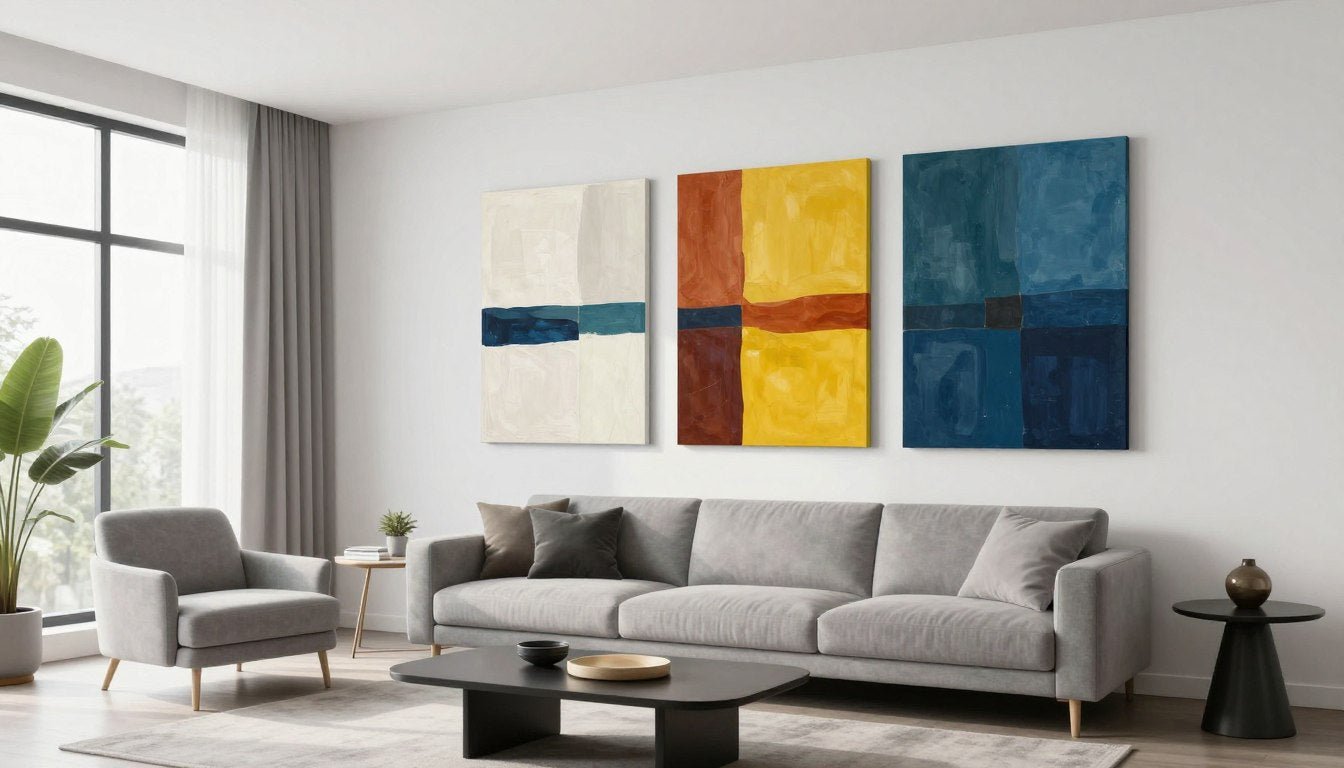

Your walls tell a story. They reflect who you are and how you want to feel in your home. Choosing wall art that matches your personal interior style transforms empty spaces into meaningful expressions of your personality.
The right artwork creates visual harmony. It connects your furniture, color palette, and architectural elements into a cohesive design narrative. This guide helps you navigate the art selection process with confidence.
You'll discover practical strategies for matching art to your space. From understanding scale and proportion to coordinating colors and textures, these insights empower you to make decisions that elevate your interiors. Whether you're decorating a living room, bedroom, or office, the principles remain consistent.
Understanding Your Interior Design Style

Identifying your interior design style creates a foundation for art selection. Your style preferences guide every decorating decision you make. Understanding these preferences helps you choose pieces that feels balanced and authentic.
Different design styles call for different approaches to wall art. A minimalist space benefits from clean, simple pieces. Traditional interiors often welcome ornate frames and classical subjects. Contemporary rooms embrace bold statements and experimental forms.
Start by examining your current furniture and decor. Notice the patterns, materials, and shapes that dominate your space. These elements reveal your natural inclinations toward certain aesthetic directions.
Modern and Contemporary Styles

Modern interiors emphasize clean lines and functional beauty. These spaces work well with abstract canvas prints that complement the streamlined aesthetic. Contemporary design allows more flexibility and experimentation.
Geometric shapes and bold colors suit modern rooms. Consider pieces with strong visual impact that don't overwhelm the minimalist approach. Line art canvas prints offer sophistication without competing for attention.
Scale matters significantly in modern spaces. Large-scale art makes powerful statements in rooms with ample negative space. Smaller pieces can group together to create visual interest without cluttering the aesthetic.
Traditional and Classic Interiors

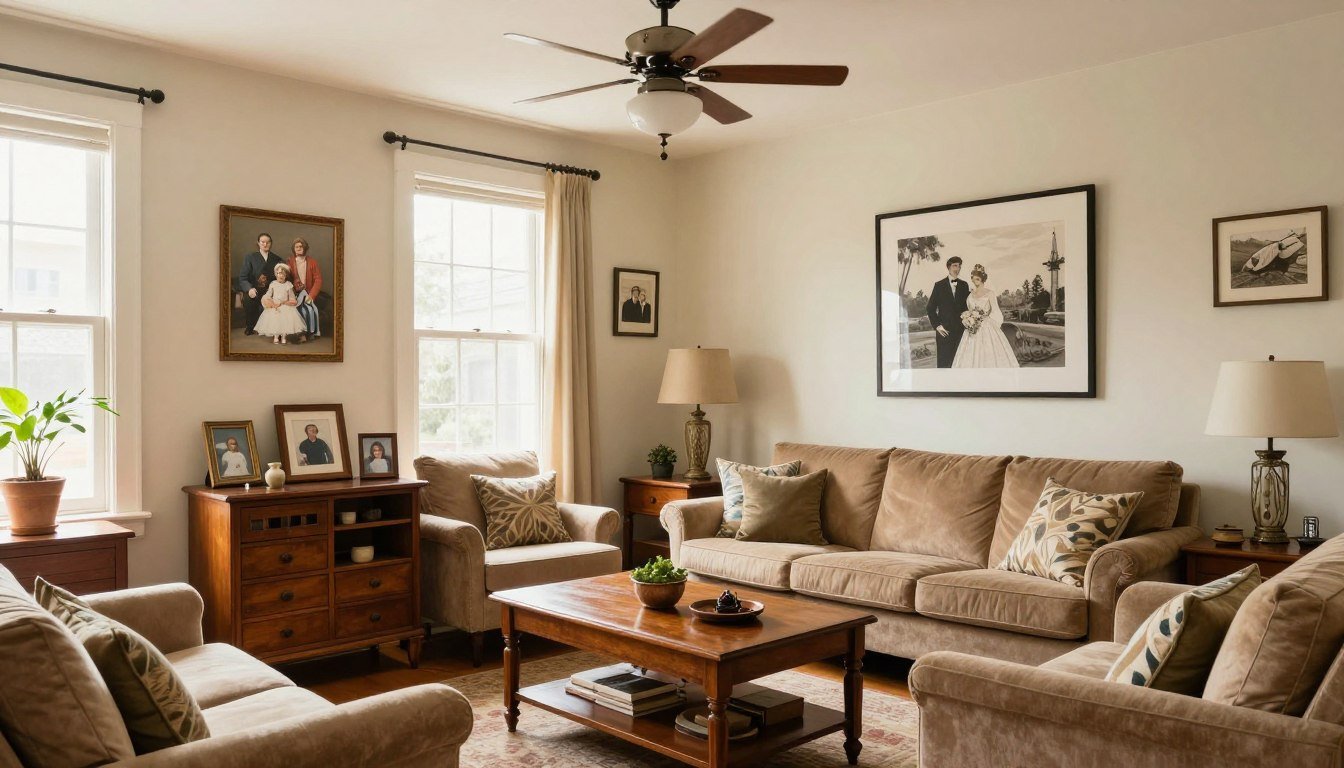
Traditional spaces embrace symmetry and refinement. These rooms pair beautifully with portrait canvas prints that echo classical artistic traditions. The formality of traditional design welcomes structured compositions.
Frame selection plays a critical role in traditional interiors. Ornate frames in gold, bronze, or dark wood enhance the classical atmosphere. The artwork itself often features representational subjects like portraits, landscapes, or still lifes.
Color coordination becomes essential in traditional settings. Art should harmonize with existing color schemes rather than introduce jarring contrasts. Rich, saturated tones often work better than bright, contemporary colors in these environments.
Eclectic and Bohemian Spaces

Eclectic interiors celebrate diversity and personal expression. These spaces thrive on mixing different styles, periods, and mediums. The freedom of eclectic design allows you to combine botanical wall art prints with abstract pieces and vintage finds.
Layer different textures and visual weights in eclectic rooms. A gallery wall approach works exceptionally well for this style. Mix frames, sizes, and subjects to create a collected-over-time aesthetic.
Balance prevents eclectic spaces from feeling chaotic. While variety drives the style, maintaining some common threads through color or theme creates cohesion. This approach lets your personality shine through without overwhelming the senses.
Discover Your Style: Three Prints That Define Modern Elegance

Geometric Abstract in Navy & Gold
This sophisticated piece brings modern refinement to any space. The interplay of geometric forms creates visual interest while maintaining the clean aesthetic modern interiors demand. Perfect for living rooms or offices seeking understated elegance.

Minimalist Line Art Portrait
Simple yet striking, line art captures the essence of modern design philosophy. These pieces add personality without visual clutter. They work beautifully in bedrooms, entryways, or any space where subtle sophistication matters.

Black & White Botanical Study
Nature meets minimalism in these striking botanical prints. The monochromatic palette ensures versatility across different color schemes. These pieces bring organic beauty to modern spaces without compromising the streamlined aesthetic.
Color Coordination and Palette Matching

Color creates the emotional foundation of your space. The relationship between your wall art and room palette determines whether a space feels balanced or disjointed. Strategic color choices transform good design into exceptional design.
Your artwork doesn't need to match your walls perfectly. Intentional color relationships create more interest than exact matching. Understanding these relationships helps you make confident choices that enhance your interiors.
Consider the psychological impact of different colors. Warm tones energize spaces while cool colors calm them. The art you choose influences how people feel when they enter your room.
Working With Existing Color Schemes

Analyze your current color palette before selecting art. Identify your dominant colors, secondary tones, and accent shades. This analysis reveals opportunities for the artwork to enhance the existing scheme.
Pull accent colors from your furniture or textiles into your art choices. This technique creates visual connections across the room. A throw pillow's coral shade might appear in an abstract painting, tying elements together.
The 60-30-10 rule applies to art selection. Your dominant color covers 60% of the space, secondary colors 30%, and accents 10%. Art can reinforce any of these proportions or introduce accent colors strategically.
Creating Contrast Without Chaos

Contrast adds energy and visual interest to interiors. Strategic contrast prevents spaces from feeling flat or monotonous. The key lies in balancing bold choices with restraint.
A neutral room welcomes bold, colorful art. Gray, white, or beige walls provide the perfect canvas for vibrant pieces. This approach lets artwork become the star without competing elements.
Conversely, colorful rooms often benefit from more subdued art. Black and white canvas prints provide sophisticated contrast in colorful spaces. They anchor busy color schemes without adding more visual noise.
Monochromatic and Tonal Approaches

Monochromatic color schemes create sophisticated, calming environments. Using variations of a single color produces depth without visual complexity. This approach works exceptionally well in bedrooms and spaces designed for relaxation.
Tonal art adds dimension to monochromatic rooms. Different shades and tints of the same color create subtle interest. Texture becomes more important when color variation is limited.
Layer different values of your chosen color throughout the space. Light, medium, and dark tones of blue, for example, create richness. Art selections should continue this tonal progression for cohesive results.
Complementary Color Strategies

Complementary colors sit opposite each other on the color wheel. Blue and orange, red and green, yellow and purple create dynamic visual relationships. These combinations generate energy and vibrancy.
Use complementary colors thoughtfully to avoid overwhelming spaces. Let one color dominate while the other provides accents. An artwork with blue as the primary color and orange accents works in a predominantly blue room.
Soften pure complementary schemes by using tints or shades. Muted versions of complementary colors feel more sophisticated than saturated primaries. This refinement suits mature, elegant interiors.
Scale, Proportion, and Placement

Size relationships determine whether art enhances or diminishes a space. Proper scale creates visual balance and professional polish. Understanding proportion prevents common mistakes that make rooms feel awkward.
The relationship between art size and wall space follows specific guidelines. Too small, and pieces disappear. Too large, and they overwhelm the architecture. Finding the sweet spot requires measuring and planning.
Placement height affects how art interacts with furniture and room occupants. Standard guidelines exist, but individual spaces may require adjustments. Trust both measurements and your eye to find the optimal position.
The Two-Thirds Rule

Art should cover roughly two-thirds of the furniture width beneath it. This proportion creates pleasing visual balance. A six-foot sofa works best with art approximately four feet wide.
This rule applies to beds, consoles, and dining tables as well. The principle remains constant across different furniture types. Maintaining these proportions prevents pieces from looking lost or cramped.
Gallery walls can span the full furniture width or slightly beyond. Multiple smaller pieces create a collective visual weight. The entire arrangement should still relate proportionally to the furniture below.
Single Statement Pieces vs. Gallery Walls

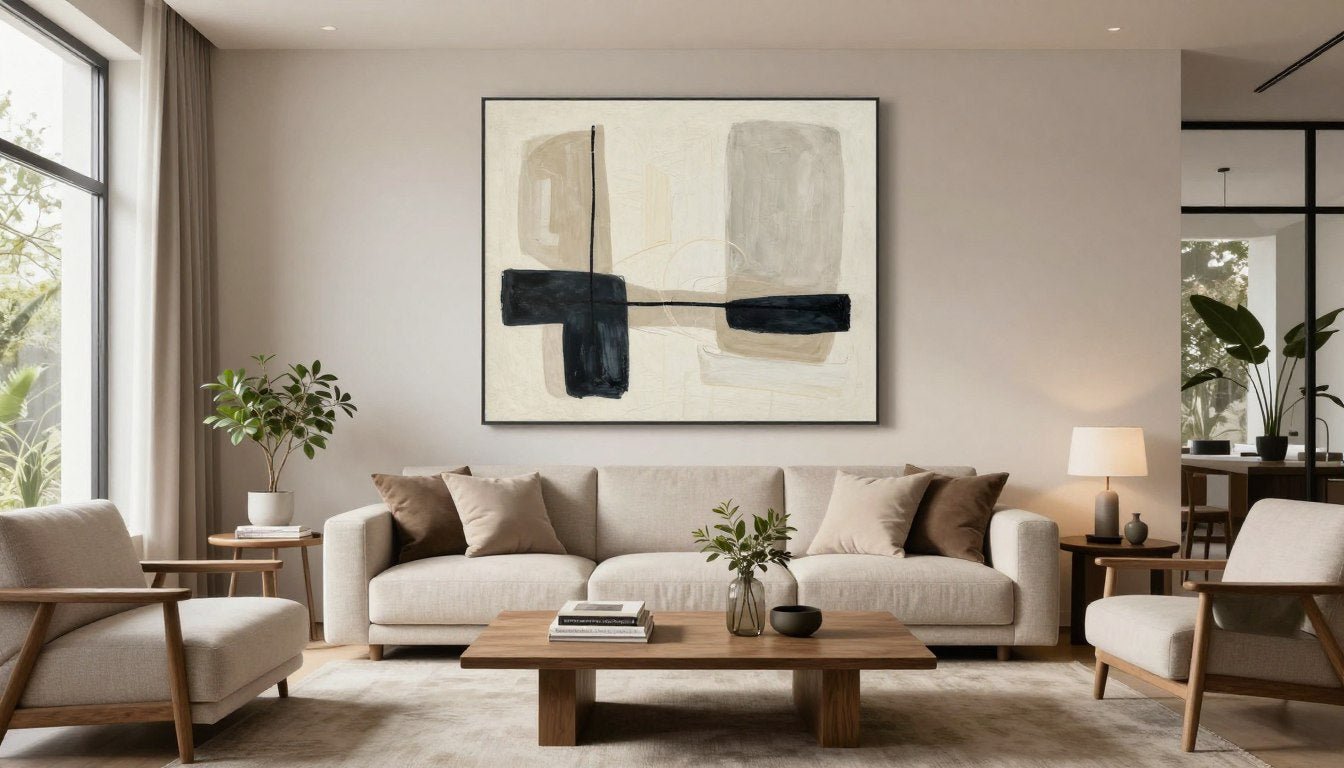
Large, single pieces make bold statements with minimal effort. They work beautifully in modern, minimalist spaces where simplicity matters. One powerful piece often has more impact than several smaller ones.
Gallery walls suit eclectic styles and collectors. They allow personal expression through varied pieces and frames. The arrangement itself becomes an artistic expression beyond individual artworks.
Consider your maintenance preference when choosing between approaches. A single large piece requires one hanging decision. Gallery walls demand more planning and multiple hanging points.
Height and Eye-Level Considerations

The standard hanging height places art centers at 57 to 60 inches from the floor. This measurement aligns with average eye level in galleries and museums. It creates comfortable viewing for most people.
Adjust heights based on furniture arrangements and ceiling height. In dining rooms, account for seated eye level. Lower placement often works better when people spend time sitting.
Tall ceilings allow for higher placements without pieces floating awkwardly. Maintain relationships with furniture and architectural features. The space should guide your final height decision.
Creating Visual Flow Between Rooms

Art selections should create harmony across visible sight lines. Standing in one room and viewing another, the art should feel related. This doesn't mean identical pieces, but rather connected through color, style, or theme.
Hallways and transitional spaces benefit from art that bridges different rooms. These connecting areas tie your home together visually. Consider them as visual passages rather than isolated spaces.
Open floor plans require extra attention to art coordination. Multiple spaces visible simultaneously need cohesive art choices. Maintain consistent framing styles or color relationships across these connected areas.
Match This Vibe to Your Space
Explore our curated collections designed for specific rooms and aesthetics. From serene bedroom retreats to dynamic office spaces, find art that transforms your environment into a reflection of your style.
Matching Art to Specific Rooms

Each room serves different functions and creates distinct atmospheres. The art you choose should enhance the room's purpose and energy. Matching art to room function elevates both the artwork and the space.
Living areas welcome bold, conversation-starting pieces. Private spaces like bedrooms benefit from calming, personal selections. Understanding these distinctions helps you curate a cohesive home.
Consider how you use each space throughout the day. Morning routines, evening relaxation, and entertaining guests all influence ideal art choices. The right artwork supports your lifestyle and daily rhythms.
Living Room Art Selection

The living room serves as your home's public face. This space welcomes guests and hosts gatherings. Art here makes first impressions and sets the tone for your entire home.
Scale up for impact in living rooms. Larger pieces or substantial gallery walls suit these social spaces. The art should command attention without overwhelming conversation areas.
Consider seating arrangements when selecting living room art. People spend significant time looking at these walls. Choose pieces with depth that reveal new details over repeated viewings. Our living room wall art collection offers diverse options for every aesthetic.
Bedroom Wall Art Choices

Bedrooms require art that promotes rest and relaxation. Avoid overly stimulating colors or aggressive imagery. The artwork should support the room's primary purpose: quality sleep and peaceful mornings.
Soft colors and gentle subjects work beautifully in sleep spaces. Botanical wall art prints bring nature's calming influence indoors. Abstract pieces in muted tones create tranquility without literal interpretation.
Personal meaning matters more in private spaces. Choose bedroom art that resonates emotionally with you. Unlike public rooms, bedrooms allow deeply personal artistic expressions.
Dining Room Ambiance

Dining rooms benefit from art that enhances the eating experience. Consider the social nature of shared meals. Art here sets the stage for conversation and connection.
Warm colors stimulate appetite and conversation. Reds, oranges, and rich earth tones create inviting atmospheres. Abstract or still-life subjects complement dining without distracting from the meal.
Lighting conditions change dramatically in dining rooms. Consider how your art looks under both natural light and evening lighting. Pieces should maintain their appeal across different times of day. Explore our dining room wall art collection for entertaining-friendly options.
Home Office Inspiration

Office art influences productivity and creativity. Choose pieces that energize without overwhelming your focus. The right selections create an environment conducive to concentrated work.
Motivational or aspirational imagery works well in work spaces. Office canvas art ranges from abstract compositions to cityscape prints that inspire ambition. Consider what mental state supports your best work.
Avoid overly complex or distracting pieces in offices. Your art should provide moments of visual rest without pulling attention from tasks. Balance inspiration with functionality.
Entryway First Impressions

Entryways set expectations for your entire home. This transitional space deserves art that welcomes while hinting at your interior style. First impressions matter in design as much as social interactions.
Bold, confident pieces work beautifully in entry spaces. You don't spend extended time here, so the art can make stronger statements. Choose pieces that reflect your personality immediately.
Scale appropriately for often-compact entry areas. Vertical pieces work well in narrow spaces. The art should feel substantial without crowding the area. Our entryway wall art prints offer options for making memorable first impressions.
Kids' Rooms and Nurseries

Children's spaces allow playful creativity and imagination. Art here can educate, inspire, and comfort young minds. Consider pieces that grow with your child or can be easily updated.
Bright colors and whimsical subjects appeal to children. Kids room canvas prints and animal canvas prints combine visual interest with age-appropriate themes. Safety matters too—ensure secure mounting.
Nurseries benefit from gentler palettes than older children's rooms. Soft colors promote calm for both baby and parents. As children age, art can evolve to reflect developing interests and personalities.
Considering Lighting and Atmosphere

Light transforms how art appears and functions in space. Natural light, artificial lighting, and their interaction shape your art's impact throughout the day. Understanding these relationships prevents disappointing surprises after installation.
The direction and quality of light in your room influence art selection. South-facing rooms receive warm, direct light. North-facing spaces get cooler, indirect illumination. These differences affect how colors and details appear.
Lighting conditions change seasonally and throughout the day. Your art should maintain its appeal across these variations. Consider both your room's best and worst lighting scenarios when making selections.
Natural Light Considerations

Natural light brings energy and dimension to artwork. It reveals subtle color variations and textures that artificial light might miss. Rooms with abundant natural light offer more flexibility in art choices.
Protect art from direct sunlight to prevent fading. UV-protective glass or strategic placement keeps colors vibrant for years. Consider the sun's path through your space when planning art placement.
Bright, naturally lit rooms can handle darker or more saturated art. The abundant light prevents pieces from feeling heavy. Conversely, rooms with limited natural light benefit from lighter, brighter artwork that doesn't disappear.
Artificial Lighting Strategies

Dedicated art lighting elevates both the artwork and the room. Picture lights, track lighting, or adjustable spotlights highlight pieces effectively. Proper lighting transforms good art into stunning focal points.
Color temperature affects how art appears under artificial light. Warm bulbs (2700-3000K) create cozy atmospheres but can shift colors. Cooler bulbs (4000-5000K) render colors more accurately but feel less intimate.
Layer lighting to create flexibility. Combine ambient, task, and accent lighting for rooms that adapt to different needs. Art lighting serves as accent lighting that adds drama and sophistication.
Creating Mood Through Art and Light

The combination of art and lighting establishes room atmosphere. Bright, energetic spaces differ dramatically from dim, intimate ones. Your art choices should align with the mood you want to create.
Dimmer switches add versatility to art display. Adjust lighting intensity to match activities and time of day. Art that works for morning coffee might need different lighting for evening relaxation.
Consider how shadows and highlights play across textured artwork. Canvas prints develop dimension under varied lighting. This interplay adds visual interest that flat reproductions lack.
Addressing Challenging Lighting Situations

Some rooms present lighting challenges that require creative solutions. Dark corridors, windowless bathrooms, or heavily shaded rooms need special consideration. Art can actually improve these difficult spaces.
Light-colored art brightens dark spaces visually. White, cream, and pale pastels reflect available light and create the illusion of brightness. This strategy works when adding physical lighting isn't feasible.
Glare problems require different approaches. Move art away from direct window sightlines or use matte finishes instead of glossy ones. Sometimes adjusting placement by a few feet eliminates reflection issues entirely.
Texture and Medium Considerations

Art extends beyond visual appeal into tactile dimension. The physical qualities of your chosen pieces contribute significantly to a room's overall sensory experience. Texture adds depth that purely visual elements cannot achieve.
Different mediums create distinct aesthetic impacts. Canvas prints offer texture and dimension that flat posters lack. Original paintings provide unique surface qualities. Sculptures introduce three-dimensional presence into your design scheme.
Mixing mediums and textures creates layered, sophisticated interiors. Combining smooth and rough, matte and glossy, two-dimensional and three-dimensional elements adds visual richness. This variety prevents spaces from feeling flat or monotonous.
Canvas Prints and Their Appeal

Canvas prints offer the look of original artwork at accessible prices. The textile surface creates depth and sophistication that paper prints cannot match. Quality canvas prints elevate spaces without the investment of original art.
Museum-quality canvas printing technology has advanced dramatically. Modern prints capture color accuracy and tonal range that rivals traditional painting. The texture adds dimension that changes with viewing angle and lighting.
Gallery-wrapped canvases eliminate the need for framing. The printed image continues around the edges, creating a finished, contemporary look. This approach suits modern and minimalist interiors particularly well. Explore our canvas prints collection for ready-to-hang options.
Original Paintings and Unique Pieces

Original artwork carries unique energy that reproductions cannot replicate. Each brushstroke represents the artist's direct touch. For collectors and art enthusiasts, this authenticity matters deeply.
Original paintings become investment pieces and family heirlooms. They appreciate in value and carry stories across generations. The exclusivity of owning the only version of a piece adds psychological value.
Budget considerations make originals prohibitive for many people. However, emerging artists offer accessible entry points. Our original paintings collection features unique works at various price points for different collecting goals.
Incorporating Sculptures and Three-Dimensional Art

Sculptures add architectural dimension to interiors. These three-dimensional pieces create visual interest from multiple angles. They transform as you move through a space, offering dynamic rather than static beauty.
Place sculptures strategically where they can be viewed from various perspectives. Entryways, room corners, and console tables showcase sculptural work effectively. Lighting becomes even more critical with three-dimensional pieces.
Balance sculptures with wall art to create cohesive design. The pieces should complement rather than compete. Consider scale relationships carefully to maintain harmony. Discover our modern sculptures collection for contemporary three-dimensional options.
Framing Choices and Their Impact

Frames dramatically alter how artwork appears. The right frame enhances while the wrong one detracts. Frame selection deserves as much consideration as the artwork itself.
Modern interiors often favor minimal frames or no frames at all. Clean, simple frames in black, white, or natural wood complement contemporary aesthetics. Ornate frames suit traditional spaces with classical architecture.
Consistent framing creates unity across multiple pieces. A gallery wall looks more cohesive when frames share style characteristics. This doesn't mean identical frames, but rather related finishes or proportions.
Mat boards add breathing room between art and frame. This space prevents the piece from feeling crowded. Wider mats suit formal, traditional presentations. Minimal or no matting feels more contemporary.
Budget-Conscious Art Selection

Beautiful art doesn't require unlimited budgets. Strategic choices create stunning results at various price points. Understanding where to invest and where to save makes quality design accessible to everyone.
Reproductions and prints offer masterpiece aesthetics without gallery prices. Modern printing technology delivers museum-quality results. The key lies in selecting high-quality reproductions rather than cheap posters.
Building an art collection takes time. Starting with a few carefully chosen pieces beats filling walls with hasty purchases. Quality over quantity creates more sophisticated results regardless of budget.
High-Quality Prints vs. Originals

Quality prints deliver exceptional visual impact at fraction of original art costs. Technology advancements make distinguishing prints from originals difficult without close inspection. For most decorating purposes, prints serve beautifully.
Invest in archival-quality printing and materials. Cheap prints fade and deteriorate quickly. Premium canvas prints maintain their appearance for decades with proper care.
Original art offers unique appeal that justifies higher prices for serious collectors. However, most rooms function perfectly with high-quality reproductions. Mix originals and prints based on room importance and personal priorities.
DIY and Printable Art Options

Digital art marketplaces offer downloadable designs for home printing. This approach minimizes costs while maximizing customization. Quality depends heavily on printer capabilities and paper choices.
Professional printing services provide better results than home printers for important pieces. Many office supply stores offer large-format printing at reasonable prices. This middle ground delivers quality without original art costs.
Frame finds at thrift stores and discount retailers stretch budgets further. Spray painting frames creates custom looks inexpensively. Creative sourcing makes professional results accessible on tight budgets.
Building a Collection Over Time

Thoughtful collecting beats impulse buying. Start with one room or one wall and build from there. This approach allows you to live with pieces and understand your true preferences.
Set a monthly or quarterly art budget to make collecting sustainable. Small, consistent investments accumulate into substantial collections. This strategy prevents financial strain while building your artistic environment.
Seasonal sales and promotions offer opportunities for quality acquisitions. Sign up for artist and gallery newsletters to catch special offers. Patience often rewards budget-conscious collectors with exceptional finds.
Where to Invest and Where to Save

Prioritize visible, high-traffic areas for investment pieces. Living room and dining room art receives the most viewing time. These spaces justify higher spending on quality and impact.
Secondary spaces like hallways or guest rooms accept more budget-friendly options. These areas don't demand the same level of investment. Save resources for rooms that matter most to your daily life.
Quality framing elevates even modest prints. Sometimes investing in excellent framing makes affordable art look expensive. Balance artwork and framing budgets strategically for best overall results.
Abstract Art
Abstract pieces offer versatility across various interior styles. Their non-representational nature allows personal interpretation and works with diverse color schemes.
- Complements modern and contemporary spaces
- Creates focal points without specific subject matter
- Allows color-driven design coordination
- Suits minimalist and maximalist approaches
Botanical and Nature
Natural imagery brings organic beauty indoors. Botanical art creates calming atmospheres and connects interior spaces with the natural world.
- Ideal for bedrooms and relaxation spaces
- Works across traditional to modern styles
- Introduces natural color palettes
- Complements biophilic design principles
Portraiture and Figurative
Human subjects add personality and narrative to interiors. Portrait art ranges from classical to contemporary, offering rich storytelling potential.
- Creates conversation starters in social spaces
- Suits traditional and eclectic interiors
- Adds human element to design schemes
- Available in various artistic interpretations
Line Art and Minimalism
Simple, clean-lined art complements modern aesthetics. Line drawings offer sophistication without visual complexity or color commitment.
- Perfect for minimalist and Scandinavian styles
- Works in monochromatic color schemes
- Provides elegance without overwhelming spaces
- Mixes easily with other art styles
Art Styles and Their Interior Applications

Different art movements and styles carry distinct aesthetic personalities. Understanding these characteristics helps you match art to your interior vision. Each style offers unique advantages for specific design goals.
Your chosen art style communicates specific messages about your space and personality. Modern abstract suggests contemporary sophistication. Traditional landscapes convey timeless elegance. These stylistic choices shape how visitors perceive your home.
Mixing art styles requires careful balance and intentionality. Some combinations create dynamic, eclectic energy. Others feel disjointed and confusing. Understanding style compatibility prevents costly mistakes.
Abstract and Modern Art Applications

Abstract art liberates you from literal interpretation. These pieces work through color, form, and composition rather than recognizable subjects. This freedom makes abstract art exceptionally versatile across different spaces.
Modern interiors embrace abstract art naturally. The clean lines and lack of ornamentation in contemporary furniture complement non-representational artwork. Bold, geometric abstracts make particularly strong statements in minimalist rooms.
Color field paintings create atmospheric presence. Large-scale abstracts in subtle color gradations establish mood without demanding attention. These pieces work beautifully in spaces designed for contemplation. Browse our abstract geometric canvas prints for modern options.
Realistic and Representational Styles

Realistic art depicts recognizable subjects with accuracy. Landscapes, still lifes, and portraits fall into this category. These pieces offer familiar comfort and often carry nostalgic or emotional resonance.
Traditional interiors welcome realistic art with open arms. The classical approach to subject matter aligns with formal furniture and architectural details. Rich, detailed paintings complement elaborate interior elements.
Photorealistic contemporary art bridges traditional and modern sensibilities. These technically impressive pieces appeal to admirers of both classical skill and contemporary vision. They work in transitional spaces that blend old and new.
Pop Art and Contemporary Culture

Pop art celebrates popular culture with bold colors and graphic compositions. These pieces inject energy and personality into contemporary spaces. The playful, sometimes irreverent nature of pop art appeals to confident decorators.
Bright, saturated colors define pop art aesthetics. These pieces demand attention and make strong style statements. They work best in rooms that embrace maximalist tendencies or youthful energy.
Movie icons and cultural references bring nostalgia and personality. Movie canvas art prints featuring legends create instant conversation pieces. These selections reveal personal interests and cultural touchstones. Our pop art canvas prints offer vibrant options for bold interiors.
Minimalist and Line Art Approaches

Minimalist art strips away excess to reveal essential forms. Simple lines and limited color palettes create calm, uncluttered visual experiences. This approach suits spaces where serenity and focus matter most.
Line drawings offer elegance through restraint. A single continuous line can capture complex subjects with surprising grace. Line art canvas prints provide sophisticated options without color complications.
Black and white minimalism works universally across color schemes. These pieces never clash with existing palettes. They add visual interest while maintaining the peaceful simplicity that defines minimalist spaces.
Botanical and Nature-Inspired Designs

Nature-inspired art brings the outdoors inside. Botanical subjects create connections to the natural world that many urban dwellers crave. These pieces often promote relaxation and well-being.
Detailed botanical illustrations suit both traditional and contemporary spaces. Vintage scientific drawings offer classical charm. Modern photographic botanicals provide clean, graphic impact. The subject matter transcends style boundaries.
Large-scale nature photography creates immersive experiences. A massive forest scene or ocean view transports viewers beyond their walls. These pieces work beautifully in spaces lacking natural views. Explore our botanical nature canvas prints for organic inspiration.
Urban and Cityscape Art

Cityscape art captures urban energy and architectural beauty. Skyline views and street scenes appeal to metropolitan sensibilities. These pieces work particularly well in urban apartments and modern office spaces.
Black and white cityscapes offer timeless sophistication. The monochromatic palette emphasizes architectural forms and urban geometry. These pieces complement modern and industrial interior styles seamlessly.
Nighttime city scenes add drama and atmosphere. Illuminated buildings and light trails create dynamic compositions. The glowing quality works beautifully in spaces with ambient lighting strategies. View our cityscape canvas prints for metropolitan inspiration.
Creating Cohesive Multi-Room Design

Your home tells a complete story through connected spaces. Art selections should create visual continuity across rooms while allowing individual character. This balance between unity and variety defines sophisticated interior design.
Consistent elements thread through successful multi-room designs. These connectors might include color relationships, framing styles, or thematic threads. The connections don't need to be obvious, just present enough to create subconscious harmony.
Open floor plans demand special attention to art coordination. Multiple rooms visible simultaneously require thoughtful curation. The art should work together from various vantage points throughout your home.
Establishing a Unifying Thread

Identify a common element to connect different spaces. This might be a consistent color that appears in art throughout your home. Alternatively, similar framing or a repeated artistic style can provide continuity.
The unifying thread should be subtle rather than heavy-handed. Matching art exactly in every room creates monotony. Instead, create variations on a theme that maintain interest while building cohesion.
Transitional spaces like hallways bridge different areas. Art in these connecting zones should reference both adjacent rooms. This approach creates smooth visual flow as you move through your home.
Varying Intensity Across Spaces

Public spaces can handle bolder, more intense artwork. Entryways, living rooms, and dining rooms welcome statement pieces. These social areas benefit from conversation-starting selections.
Private spaces often call for gentler, more personal art. Bedrooms and bathrooms suit quieter pieces that promote relaxation. This intensity variation creates appropriate atmospheres for different room functions.
Balance bold and subtle choices throughout your home. Too much intensity everywhere feels overwhelming. Too much subtlety risks blandness. The interplay between strong and soft creates dynamic, livable spaces.
Coordinating Without Matching

Coordination differs from matching. Coordinated art shares common elements without being identical. This approach creates sophistication that exact matching cannot achieve.
Pull different colors from the same palette across rooms. One room features blue-dominant art while another emphasizes the gold accent from that same piece. This color threading maintains cohesion through variation.
Mix subjects while maintaining style consistency. Abstract art in the living room, botanical pieces in the bedroom, and cityscapes in the office can coordinate through similar artistic approaches or framing choices.
Planning Long-Term Collection Growth

Build your art collection with future expansion in mind. Leave room for additions rather than filling every wall immediately. Collections that grow organically feel more authentic than those assembled in single shopping trips.
Document your collection plans with sketches or digital layouts. Understanding your vision helps you make consistent choices over time. This planning prevents impulse purchases that disrupt your cohesive scheme.
Remain flexible as your tastes evolve. What appeals to you now might shift over time. Build collections that can accommodate new interests while maintaining overall harmony. Visit our art and design blog for ongoing inspiration and collecting tips.
Common Mistakes to Avoid

Even design enthusiasts make predictable mistakes when selecting and displaying art. Awareness of these common pitfalls helps you avoid them. Learning from others' errors saves time, money, and frustration.
Many mistakes stem from rushing decisions or ignoring basic principles. Taking time to measure, plan, and consider relationships between elements prevents most problems. Patience in the selection process pays dividends in final results.
Sometimes mistakes aren't obvious until after installation. Understanding what doesn't work helps you recognize problems early. Quick corrections prevent small issues from becoming permanent design regrets.
Scale and Proportion Errors

Too-small art above furniture creates the most common proportion mistake. Undersized pieces float awkwardly, failing to anchor the furniture below. This error makes rooms feel unfinished and poorly planned.
Conversely, oversized art can overwhelm spaces and furniture. A massive piece in a small room dominates uncomfortably. Balance size relationships carefully for harmonious results.
Multiple small pieces scattered across large walls create visual clutter. Group smaller works into cohesive arrangements rather than spacing them randomly. Concentrated impact beats dispersed weakness.
Poor Height Placement

Hanging art too high ranks among the most frequent mistakes. Pieces floating near the ceiling disconnect from furniture and viewers. The standard 57-60 inch center height exists for good reason.
Ignoring furniture relationships creates awkward gaps. Art should relate visually to the furniture beneath it. Too much space between sofa and artwork breaks the visual connection.
In rooms with high ceilings, people often compensate by hanging art too high. Instead, maintain proper eye-level heights and use the upper wall space differently if needed. Vertical arrangements work better than simply raising everything.
Ignoring Room Function

Selecting stimulating art for bedrooms disrupts the room's restful purpose. Bright reds, aggressive imagery, or overly complex compositions interfere with relaxation. Match art energy to room function.
Overly personal or controversial pieces in public spaces can make guests uncomfortable. Save polarizing selections for private areas. Social spaces benefit from more universally appealing choices.
Delicate or valuable pieces in high-traffic areas risk damage. Consider practical concerns alongside aesthetic ones. Family rooms with young children require different considerations than formal living spaces.
Mismatched Frame Styles

Random frame choices create visual chaos in gallery walls. While frames don't need to match exactly, they should share common characteristics. Completely disparate styles fight rather than complement each other.
Ornate frames on modern art or minimal frames on traditional pieces create style conflicts. Match frame sophistication to artwork and room style. These relationships matter as much as the art itself.
Cheap, flimsy frames undermine quality artwork. Investment in solid framing elevates even modest prints. This upgrade often makes more difference than more expensive art in cheaper frames.
Neglecting Lighting Requirements

Failing to consider lighting leaves art ineffective. Pieces in dark corners disappear regardless of quality. Plan lighting strategies alongside art selection for best results.
Direct sunlight fading precious pieces represents preventable damage. UV protection and strategic placement preserve your investment. Consider long-term light exposure when planning art locations.
Glare from windows or fixtures makes art viewing difficult. Adjustable lighting or careful placement solves these problems. Test views from different positions before final installation.
Seasonal and Temporary Art Rotation

Rotating art keeps your space fresh and responsive to changing moods. Seasonal changes offer natural opportunities for refreshing your visual environment. This approach maximizes your collection's impact and maintains ongoing interest.
Temporary displays allow experimentation without long-term commitment. Try new styles or bold choices knowing you can change them easily. This flexibility encourages creative risk-taking in your decorating choices.
Building a rotation system requires storage space and planning. However, the dynamic environment this creates justifies the effort. Your home evolves with the seasons and your changing preferences.
Creating a Rotation System

Develop a storage system for artwork not currently displayed. Protect pieces from damage, moisture, and temperature extremes. Proper storage ensures rotated art remains in excellent condition.
Plan rotations around seasons, holidays, or personal milestones. Summer might bring brighter, airier pieces while winter welcomes warmer, cozier selections. These changes keep your space aligned with natural rhythms.
Document your collection with photos and measurements. This organization helps you remember what you own and where pieces fit. Planning future rotations becomes easier with good records.
Holiday and Seasonal Themes

Subtle seasonal touches refresh spaces without overwhelming them. Autumn botanicals or winter landscapes acknowledge changing seasons elegantly. Avoid overly literal holiday decorations in favor of sophisticated seasonal nods.
Color shifts mark seasons as effectively as specific imagery. Warmer palettes for fall and winter contrast with cooler tones for spring and summer. These color rotations create atmospheric changes.
Seasonal rotation prevents holiday decoration fatigue. Changing art feels fresh rather than repetitive. This approach maintains sophistication while acknowledging seasonal celebrations.
Testing New Styles Temporarily

Temporary installations let you experiment before committing. Try a bold style or unusual color without permanent investment. This testing phase prevents expensive mistakes.
Removable hanging systems facilitate easy changes. Picture rails, adhesive strips, or lean-against approaches reduce wall damage. These solutions particularly suit renters or frequent changers.
Document temporary installations with photos. Track what works and what doesn't in your space. This visual record informs future permanent selections and prevents repeat mistakes.
Working With Existing Architecture

Your home's architecture provides natural frameworks for art display. Fireplaces, built-in shelving, and window arrangements create opportunities and constraints. Working with rather than against these features produces superior results.
Architectural style influences appropriate art choices. Modern architecture with clean lines suits contemporary art. Traditional architecture with ornate details welcomes classical pieces. These relationships feel instinctively right when properly matched.
Ceiling height, wall proportions, and structural elements all impact art selection. Tall ceilings allow for larger pieces or vertically stacked arrangements. Low ceilings call for horizontal orientations that don't emphasize limited height.
Fireplaces and Mantels

Mantels provide natural focal points for art display. The artwork above a fireplace commands attention in most room arrangements. This prominence demands careful selection and sizing.
Center art above the mantel, maintaining balance with the fireplace width. The combined visual weight should feel intentional rather than accidental. Symmetry often works best in these traditional focal points.
Consider the mantel's decorative objects when selecting art. The piece above should complement without competing with items displayed below. Create conversations between these elements rather than conflicts.
Built-In Shelving and Niches

Built-ins offer opportunities for integrated art display. Mix artwork with books and decorative objects for layered, collected looks. These arrangements feel more organic than isolated wall hangings.
Recessed niches frame art beautifully. These architectural features act as natural frames themselves. Lighting these recesses creates gallery-quality presentations.
Balance art placement within shelving systems. Avoid clustering all art on one shelf or section. Distribute pieces throughout the built-in for harmonious integration.
Window and Door Relationships

Windows interrupt wall space and affect art placement options. Work with window locations rather than treating them as obstacles. The spaces between windows often create perfect galleries.
Avoid placing art where door swings might damage it. Consider traffic patterns and door operation when planning installations. Functional concerns prevent damage and frustration.
Natural light from windows affects how nearby art appears. Position pieces to benefit from rather than suffer from this light. Morning versus afternoon light creates different viewing conditions.
Accent Walls and Architectural Color

Accent walls provide drama that affects art display. Bold wall colors require careful art coordination. The artwork must hold its own against strong backgrounds.
Lighter-colored art pops against dark accent walls. This contrast creates striking visual effects. Conversely, dark art on dark walls creates sophisticated, moody atmospheres.
Frame colors become more important against accent walls. Frames that coordinate with or deliberately contrast wall color influence the overall effect. These relationships require careful consideration during selection.
Personal Expression and Authenticity

Your home should reflect your authentic self rather than magazine perfection. Personal art choices tell your story and create spaces that feel genuinely yours. This authenticity matters more than design rule adherence.
Confidence in your selections comes from understanding your preferences. While guidelines help, your emotional response to art ultimately determines success. Trust your instincts alongside design principles.
Meaningful art transforms houses into homes. Pieces connected to memories, travels, or personal passions add layers of significance. These emotional connections make spaces truly personal and irreplaceable.
Balancing Trends and Timelessness

Design trends come and go, but personal style endures. Invest in pieces you genuinely love rather than chasing current fashions. Trendy selections date quickly while authentic choices remain relevant.
Classic subjects and quality execution transcend trends. Well-executed art in traditional mediums maintains appeal across decades. These investments pay dividends through lasting satisfaction.
Incorporate trends through easily changeable elements. Trendy pillows or accessories update spaces without major art investments. This approach lets you enjoy current styles without long-term commitment.
Incorporating Travel and Personal Memories

Art collected during travels carries unique significance. These pieces remind you of experiences and places that shaped you. The stories behind travel-acquired art add value beyond aesthetics.
Photography from your own travels creates deeply personal displays. Your photos represent unique perspectives that no commercial art can replicate. Frame and display them with the same care as purchased pieces.
Mix personal photography with purchased art for balanced collections. Your travel images gain importance when displayed alongside professional work. This combination creates authentic, layered narratives.
Supporting Artists You Love

Buying directly from artists creates meaningful connections. Understanding the creator's vision and process enriches your relationship with the artwork. These connections transform art from decoration into meaningful possessions.
Emerging artists offer accessible entry points for original art collecting. Supporting developing talent provides satisfaction beyond the artwork itself. Your early support can launch important artistic careers.
Local art fairs and studio visits reveal unique finds unavailable in commercial galleries. These discoveries make your collection distinctive. The hunt for special pieces becomes enjoyable in itself.
Creating Conversation Starters

Intriguing art sparks conversations and connections with guests. Pieces with interesting backstories or unusual subjects break ice and create memorable moments. Your art becomes part of your hospitality.
Balance conversation pieces with more subdued selections. Too many attention-grabbing works compete and overwhelm. Strategic placement of standout pieces creates maximum impact.
Be prepared to discuss your art choices. Guests naturally ask about pieces that interest them. These conversations reveal shared interests and deepen connections. Your art facilitates meaningful interactions.
Style-Specific Collections
Browse curated selections organized by artistic style and aesthetic approach. Find pieces that align perfectly with your design vision.
Room-Specific Galleries
Discover art curated specifically for different room functions and atmospheres. Each collection considers the unique requirements of specific spaces.
Subject & Theme Collections
Explore art organized by subject matter and thematic content. Find exactly what speaks to your interests and passions.
Professional Consultation and Resources

Professional guidance accelerates your art selection process. Designers and consultants bring expertise that prevents costly mistakes. Their trained eyes see relationships and opportunities that untrained viewers might miss.
Numerous resources support independent art selection. Books, websites, and online communities provide education and inspiration. Leveraging these resources builds your confidence and knowledge.
Virtual tools and augmented reality apps let you preview art in your space before purchasing. Technology removes guesswork from size and style decisions. These innovations make art selection more accessible and less risky.
Working With Interior Designers

Interior designers offer comprehensive approaches to art selection. They consider your entire space holistically, ensuring all elements work together. This big-picture perspective creates cohesive results.
Designers have access to trade resources unavailable to consumers. Artist networks, custom framing, and installation services expand your options. These connections provide value beyond design advice.
Design fees vary widely based on scope and location. Some designers charge hourly rates while others work on project fees. Many offer consultation packages specifically for art selection without full design services.
Online Visualization Tools

Augmented reality apps overlay art onto your walls through your phone camera. This technology shows exact sizes and positions before purchase. Visualization eliminates size-related uncertainty and builds purchase confidence.
Many art retailers offer room visualization tools on their websites. Upload photos of your space and digitally place artwork on your walls. These tools help you experiment with different options risk-free.
Design software programs provide more sophisticated planning capabilities. Create detailed layouts including furniture, lighting, and art. These comprehensive plans ensure all elements work together harmoniously.
Building Your Design Knowledge

Design education empowers better decision-making. Books about color theory, composition, and interior styles build foundational knowledge. Understanding principles helps you apply rules appropriately and break them intentionally.
Online courses and workshops offer structured learning experiences. Many museums and design organizations provide free or affordable education. Investing time in learning pays dividends in improved design outcomes.
Follow designers and artists on social media for daily inspiration. Instagram and Pinterest expose you to diverse styles and approaches. This exposure refines your eye and expands your aesthetic vocabulary. Stay inspired through our art and interior design blog, featuring expert tips and curated collections.
Trusted Online and Local Resources

Reputable online art retailers provide quality and convenience. Look for detailed product information, customer reviews, and clear return policies. These indicators separate quality retailers from questionable sources.
Local galleries and art fairs offer hands-on experiences with artwork. Seeing pieces in person reveals details that photos cannot capture. Build relationships with local galleries for ongoing access to new work.
Artist cooperatives and studio spaces provide direct access to creators. These venues often offer better prices than commercial galleries. Supporting local art communities enriches both your collection and your community.
According to design experts at Architectural Digest, investing in quality art transforms spaces more effectively than any other design element. Their extensive coverage of residential design demonstrates how art anchors sophisticated interiors.
Maintenance and Long-Term Care

Protecting your art investment requires proper care and maintenance. Simple preventive measures preserve beauty and value for decades. Understanding basic conservation principles prevents common damage.
Environmental factors significantly impact art longevity. Light exposure, humidity, and temperature fluctuations cause deterioration over time. Controlling these elements extends your artwork's lifespan considerably.
Regular maintenance prevents small issues from becoming major problems. Dust accumulation, frame deterioration, and mounting failures all respond to early intervention. Establishing care routines protects your collection investment.
Protecting From Light Damage

Ultraviolet light causes fading and deterioration in all artwork. Direct sunlight represents the worst offender. Position valuable pieces away from windows or use UV-filtering window treatments.
UV-protective glazing blocks harmful rays while maintaining clarity. Museum-quality glass or acrylic provides excellent protection. This upgrade proves worthwhile for valuable or irreplaceable pieces.
LED lighting minimizes UV exposure compared to traditional bulbs. Cool-running LEDs also reduce heat damage risks. These lights offer preservation benefits alongside energy efficiency.
Climate and Humidity Control

Consistent temperature and humidity levels prevent warping and deterioration. Fluctuations cause expansion and contraction that damages artwork and frames. Maintain stable conditions in rooms housing valuable art.
Ideal humidity ranges between 40-50% for most artwork. Excessive humidity promotes mold growth while extreme dryness causes cracking. Dehumidifiers or humidifiers help maintain optimal levels.
Avoid hanging art over fireplaces, radiators, or heating vents. Heat sources create local hot spots that damage pieces. If placement near heat sources is unavoidable, use protective backing.
Cleaning and Dusting Best Practices

Dust artwork regularly with soft, dry cloths or feather dusters. Gentle pressure prevents damage to surfaces and frames. Never use water or cleaning products without professional guidance.
Glass and acrylic glazing can be cleaned with appropriate products. Spray cleaner on the cloth rather than directly on glass to prevent liquid seeping behind. Microfiber cloths prevent scratching.
Canvas prints require minimal cleaning beyond dusting. Never touch the canvas surface with wet materials. Professional cleaning services handle deeper restoration when needed.
Reframing and Restoration

Frames deteriorate over time and may require replacement. Worn frames detract from artwork and provide inadequate protection. Reframing refreshes pieces and modernizes older acquisitions.
Professional restoration addresses damage to artwork itself. Water damage, tears, or fading require expert intervention. Attempting DIY repairs often worsens problems—trust professionals for valuable pieces.
Conservation-grade materials ensure long-term protection. Acid-free mats, UV glass, and quality backing boards prevent deterioration. These materials cost more initially but preserve value long-term.
Ready-to-Hang, Museum-Quality Canvas Art
Transform your space with professionally crafted canvas prints that arrive ready to display. Each piece features archival-quality printing, gallery-wrapped edges, and durable construction. Free worldwide shipping ensures your perfect art arrives safely, wherever you call home.
Bringing It All Together

Choosing wall art that matches your personal interior style combines art, science, and intuition. The principles covered in this guide provide frameworks for confident decision-making. Your unique perspective and preferences complete the equation.
Remember that great design evolves over time. Your first art purchases don't need to be your last. Collections grow and change as your tastes develop and spaces evolve.
Start with pieces that genuinely move you. Technical perfection matters less than emotional connection. Art that resonates with you creates spaces that feel authentically yours.
Measure carefully, plan thoughtfully, and trust your instincts. The balance between planning and spontaneity produces the most satisfying results. Your home should reflect both intention and personality.
Most importantly, enjoy the process of creating your ideal space. Art selection offers opportunities for self-discovery and creative expression. The journey matters as much as the destination in creating interiors you love.
Frequently Asked Questions
How do I choose wall art that matches my personal interior style?
Start by identifying your interior design style—whether modern, traditional, eclectic, or minimalist. Analyze your existing furniture, color palette, and architectural elements. Choose art that complements these elements through coordinating colors, appropriate scale, and compatible aesthetic approach. Your art should enhance rather than compete with your room's existing character.
Consider the room's function and the atmosphere you want to create. Living rooms can handle bolder statement pieces while bedrooms benefit from calming selections. Trust your emotional response to art while applying basic design principles around color, scale, and placement.
What size art should I hang above my sofa?
The ideal artwork width above a sofa measures approximately two-thirds of the furniture width. For a six-foot sofa, aim for art around four feet wide. The piece should hang 6-12 inches above the sofa back, with the center positioned at 57-60 inches from the floor.
Multiple smaller pieces grouped together can equal the recommended two-thirds width. Gallery walls work beautifully above sofas when the entire arrangement maintains proper proportions. Avoid single pieces that are too small, as they'll float awkwardly without anchoring the furniture.
Should my wall art match my wall color exactly?
No, exact matching creates monotonous results. Instead, pull accent colors from your room's palette into your art choices. A throw pillow's coral shade or rug's blue tones can appear in artwork, creating visual connections without matching perfectly.
Intentional contrast often works better than matching. Neutral walls welcome bold, colorful art as focal points. Conversely, colorful rooms benefit from more subdued pieces that provide visual rest. The goal is harmonious relationships rather than identical colors.
How high should I hang artwork on my walls?
The standard hanging height places the artwork's center at 57-60 inches from the floor. This measurement aligns with average eye level and creates comfortable viewing for most people. It's the same height used in galleries and museums worldwide.
Adjust this guideline based on furniture arrangements and ceiling height. In dining rooms, account for seated eye level with slightly lower placement. When hanging art above furniture, maintain 6-12 inches of space between the furniture top and the artwork bottom.
Can I mix different art styles in the same room?
Yes, mixing art styles creates dynamic, eclectic spaces when done thoughtfully. Establish common threads through color relationships, similar framing, or complementary subjects. These connections create cohesion despite stylistic variety.
Balance is key—let one style dominate while others accent. Mixing abstract and botanical pieces works well if they share color palettes or framing approaches. Avoid random mixing without intentional connections, as this creates visual chaos rather than interesting variety.
What's the best art for small spaces?
Small spaces benefit from one larger statement piece rather than multiple small pieces. A single bold artwork creates impact without cluttering limited wall space. Light-colored or minimalist art prevents small rooms from feeling cramped.
Vertical orientations work well in narrow spaces, drawing the eye upward and creating the illusion of height. Mirrors mixed with art reflect light and expand visual space. Avoid dark, heavy pieces that can make small rooms feel even more confined.
How do I protect my wall art from fading?
Avoid hanging valuable art in direct sunlight, which causes the most severe fading. Position pieces away from south-facing windows or use UV-filtering window treatments and glazing. UV-protective glass or acrylic blocks harmful rays while maintaining visual clarity.
LED lighting minimizes UV exposure compared to traditional incandescent or fluorescent bulbs. Maintain consistent temperature and humidity levels, as fluctuations accelerate deterioration. For irreplaceable pieces, consider professional conservation framing with museum-quality materials.
Should I buy original art or prints?
Both options offer advantages depending on your goals and budget. High-quality prints provide beautiful decoration at accessible prices, making art available for every room. Modern printing technology delivers museum-quality reproductions that look stunning in homes.
Original artwork offers investment potential and unique ownership of one-of-a-kind pieces. Emerging artists provide accessible entry points for original art collecting. Many collectors mix both, investing in originals for primary spaces while using quality prints elsewhere. Choose based on your budget, collecting goals, and emotional connection to specific pieces.
How many pieces of art should I have in one room?
There's no fixed number—the right amount depends on room size, wall space, and your style preferences. Minimalist aesthetics favor fewer, larger pieces while eclectic styles embrace multiple artworks. As a starting point, aim for one focal point piece per wall or a curated gallery arrangement.
Avoid overcrowding, which creates visual chaos and diminishes each piece's impact. Leave negative space around artwork for visual breathing room. Start with fewer pieces and add gradually rather than filling every wall immediately. Quality and thoughtful placement matter more than quantity.
What's the difference between canvas prints and framed prints?
Canvas prints feature images printed on textile canvas material, typically gallery-wrapped around wooden frames. They offer texture and dimension without requiring separate framing, creating a contemporary, finished look straight from the package.
Framed prints use paper or photo paper mounted behind glass or acrylic in separate frames. They provide more traditional presentations and protect the print surface. Canvas suits modern, casual aesthetics while framed prints work well in traditional or formal settings. Both offer excellent quality when properly produced—choose based on your interior style and preferences.

About the Author
Chiara Rossetti
Chiara Rossetti is the founder of Rossetti Art, a canvas print and original art brand. She writes about interior design, wall art styling, and the art of making a home feel alive.

Leave a comment
This site is protected by hCaptcha and the hCaptcha Privacy Policy and Terms of Service apply.