

You stand in your living room with a tape measure, squinting at the wall for the third time today. The numbers blur together. Will a 24x36 canvas look too small? Maybe 30x40 is better? Or should you go bold with something larger?
Choosing the right canvas size shouldn't feel like solving a complex math problem. Yet many people measure repeatedly, second-guess their choices, and still worry about getting it wrong.
This guide cuts through the confusion. You'll learn practical methods to select canvas sizes that look perfect in your space. No endless measuring required.
The secret isn't in precise calculations. It's about understanding a few simple principles that professional designers use every day.
Why Canvas Size Matters More Than You Think

The right canvas size transforms a room. It creates visual balance and draws the eye naturally.
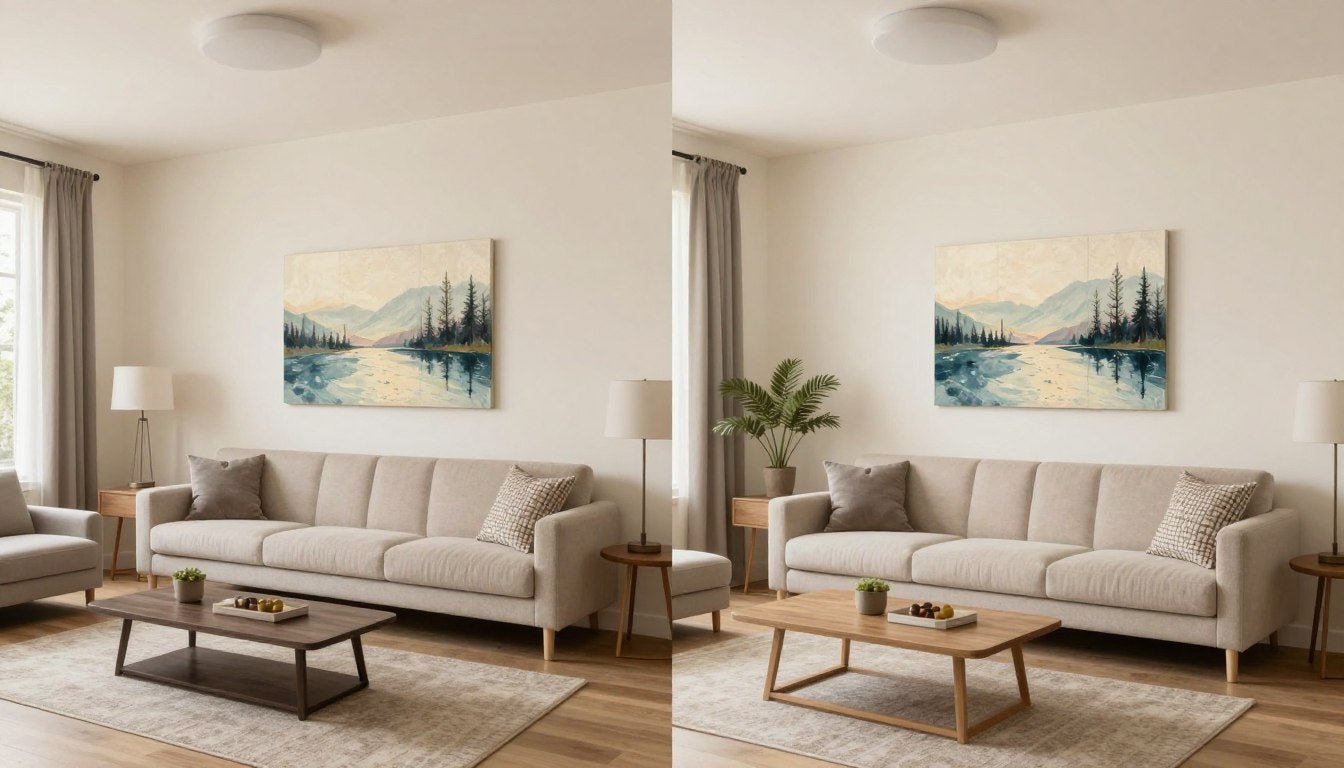
A canvas that's too small disappears into your wall. It looks like an afterthought floating in empty space. Your carefully chosen art loses its impact.
Go too large and the canvas overwhelms everything else. It crowds your furniture and makes the room feel cramped.
Size affects how people experience your space. A well-proportioned canvas makes rooms feel complete and intentional.
Professional interior designers spend years learning these proportions. But you don't need a design degree to get it right.

24x36" Canvas Print
Perfect for medium-sized walls above sofas or beds. This popular canvas size creates strong visual presence without overwhelming your space.

30x40" Canvas Print
The sweet spot for statement pieces. This size commands attention in dining rooms, entryways, and spacious living areas.

16x20" Canvas Print
Ideal for smaller walls, bedrooms, and home offices. This size brings personality to intimate spaces without competing for attention.
The Two-Thirds Rule: Your Canvas Sizing Secret Weapon

Professional designers rely on one simple guideline. Your canvas should span roughly two-thirds the width of the furniture beneath it.
This creates natural visual harmony. The art feels connected to your furniture without looking too matchy-matchy.
Here's how it works in practice. Measure your sofa width. Multiply by 0.66. That's your target canvas width.
A 90-inch sofa pairs beautifully with a 60-inch wide canvas. You can use a single large piece or group smaller canvases to reach that width.
When to Break the Rule
The two-thirds rule isn't carved in stone. Some spaces call for different proportions.
Go slightly smaller in rooms with lots of competing visual elements. Multiple windows, bold patterns, or busy furniture benefit from more modest canvas sizes.
Choose larger proportions in minimalist spaces. Clean walls with simple furniture can handle oversized art beautifully.
Trust your eye. If a canvas looks right to you, it probably is right.
How to Measure Your Wall Space Like a Pro

You don't need to measure ten times. Just measure the right things once.
The Essential Measurements
Start with your wall width. Measure from corner to corner or between architectural features like windows or doors.
Next, measure the height from your furniture top to the ceiling. This determines your vertical canvas options.
Note the width of furniture sitting against the wall. This anchors your size decisions.
Write these numbers down. Keep them on your phone for reference when shopping.
The 57-Inch Rule
Art galleries hang paintings with centers at 57 inches from the floor. This matches average eye level.
You can use this standard at home. Measure 57 inches up from your floor. Mark it lightly with painter's tape.
Your canvas center should hit near this point. Adjust up or down based on furniture height and ceiling elevation.
Above furniture, leave 6-8 inches of space between the furniture top and canvas bottom. This creates breathing room while maintaining connection.
Account for Visual Weight
Dark, bold canvases feel heavier than light, minimal pieces. They can handle slightly larger sizes in the same space.
Busy, detailed art works best in moderate dimensions. Too large and it becomes overwhelming.
Simple, abstract pieces can go bigger. They create impact without visual chaos.
Popular Canvas Sizes and Where They Work Best

Certain canvas dimensions have become industry standards. They work well in most homes and are readily available.
Small Canvases (8x10" to 16x20")
These compact sizes shine in tight spaces. Use them in hallways, bathrooms, and small bedrooms.
Small canvases work beautifully in gallery wall arrangements. Combine multiple pieces to fill larger wall areas.
They're perfect for renters who want flexibility. Easy to transport and rearrange as needed.
Medium Canvases (18x24" to 24x36")
The workhorses of wall art. Medium canvases fit most standard living spaces comfortably.
Hang them above sofas, beds, console tables, and desks. They provide substantial visual interest without dominating.
This size range offers the best variety in art styles and subjects. Many artists focus their work in these dimensions.
Large Canvases (30x40" to 40x60")
Make bold statements with large format art. These sizes demand attention and anchor entire rooms.
Use large canvases in spacious living rooms, dining areas, and master bedrooms. They need adequate wall space to breathe.
Keep furniture scale in mind. A massive canvas above a small loveseat looks unbalanced.
Extra-Large and Oversized (48x72" and up)
Reserved for dramatic impact in expansive spaces. These canvases work in two-story entryways, large dining rooms, and commercial settings.
Consider shipping and installation challenges. Extra-large pieces may require professional hanging.
They make incredible focal points but need careful room planning around them.
Room-by-Room Canvas Size Guide

Living Room Canvas Sizes
Your living room typically accommodates the largest canvases. It's where you make your biggest artistic statement.
Above a standard sofa (84-96 inches wide), look for canvases between 48-60 inches wide. This could be one large piece or a grouping.
For accent walls without furniture, consider going larger. A 40x60 inch canvas or even bigger creates stunning impact.
In smaller living rooms or apartments, stick with 24x36 or 30x40 inch sizes. They provide presence without overwhelming.
Bedroom Canvas Choices
Bedrooms call for more intimate canvas sizes. You want art that creates a peaceful atmosphere.
Above queen or king beds, choose canvases between 30-48 inches wide. A 24x36 or 30x40 inch piece works perfectly.
For smaller bedrooms or above dressers, go with 16x20 or 18x24 inch options. These sizes add personality without crowding.
Consider horizontal orientations in bedrooms. They echo the horizontal lines of beds and create restful visual flow.
Dining Room Art
Dining rooms offer opportunities for striking vertical or square canvases. The space above a buffet or sideboard is prime real estate.
Match canvas width to about two-thirds of your dining table or buffet length. For a 60-inch buffet, aim for a 40-inch wide canvas.
Vertical pieces (like 24x36 or 30x40 in portrait orientation) can work beautifully here. They draw the eye upward and make rooms feel taller.
Home Office and Study Spaces
Office spaces benefit from medium-sized canvases that inspire without distracting. Think 16x20 to 24x36 inches.
Above a desk, keep art relatively compact. You don't want it competing with your computer screen and work materials.
Motivational or abstract pieces in moderate sizes help maintain focus. Original paintings can add sophistication to professional spaces.
Hallways and Entryways
Narrow spaces need special consideration. Go vertical rather than horizontal in tight hallways.
Create gallery walls with multiple smaller canvases (8x10 to 16x20 inches). This adds visual interest without width constraints.
In larger entryways, make a bold first impression with a 30x40 or even 36x48 inch statement piece.
Match Your Canvas Style to Your Space
Discover curated collections that complement your personal aesthetic. From bold contemporary pieces to subtle minimalist designs, find art that speaks to your style.
Canvas Orientation: Horizontal, Vertical, or Square?

Shape affects how your canvas interacts with the room. The right orientation amplifies your design goals.
Horizontal Canvas Benefits
Landscape orientation creates calm, expansive feelings. It makes walls appear wider.
Horizontal canvases work naturally above sofas, beds, and long furniture pieces. They echo these horizontal lines.
Use them in rooms where you want to create a sense of spaciousness. They're particularly effective in narrow spaces.
Vertical Canvas Advantages
Portrait orientation draws eyes upward. It makes ceilings feel higher and rooms more elegant.
Vertical canvases suit narrow wall spaces perfectly. Think beside doorways, between windows, or in hallways.
They work beautifully for portraits, figure studies, and architectural subjects. The orientation matches the subject naturally.
Square Canvas Appeal
Square canvases offer modern, balanced aesthetics. They feel contemporary and intentional.
Use square formats when you want symmetry and order. They're particularly popular in modern and minimalist designs.
Multiple square canvases create stunning grid arrangements. Three or four squares together make cohesive statements.
Creating Gallery Walls with Multiple Canvases

Gallery walls let you think beyond single canvas limitations. You combine different sizes into unified displays.
Planning Your Layout
Start with your largest canvas. This becomes your anchor piece.
Arrange smaller canvases around it. Aim for 2-3 inches of space between each piece.
Cut paper templates matching your canvas sizes. Tape them to the wall to test arrangements before hanging anything.
Take photos of different layouts. Compare them to find the most pleasing composition.
Gallery Wall Size Guidelines
Your total gallery wall should follow the same two-thirds rule. The entire arrangement should span roughly two-thirds of the furniture width below.
Keep the overall shape relatively rectangular. Avoid arrangements that spread too far up or out.
Limit height to about 4-5 feet for most walls. Going taller can make rooms feel cramped.
Mixing Canvas Sizes Effectively
Combine three to five different sizes for visual interest. Too many sizes create chaos.
Include at least one larger piece (24x36 or bigger) to anchor the collection. Fill around it with medium and small canvases.
Maintain consistent spacing between all pieces. This creates unity even with varied sizes.
Consider frame style consistency. All canvases or all framed pieces work better than mixing both.
Visual Guide to Canvas Sizing
Watch this practical demonstration of canvas sizing principles in real room settings. You'll see exactly how different dimensions look on actual walls.
Common Canvas Sizing Mistakes to Avoid

Going Too Small
The most frequent error people make is choosing canvases that are too small. That 16x20 inch piece might look substantial in the store but disappear on your 10-foot wall.
When in doubt, size up rather than down. Larger canvases rarely look too big in residential spaces.
Test before buying. Hold up something similar in size to visualize the actual impact.
Ignoring Furniture Scale
Your canvas exists in relationship to everything around it. A tiny canvas above a massive sectional looks awkward and unplanned.
Always consider furniture proportions. Bigger furniture demands bigger art.
Create visual connection between art and furniture through appropriate sizing.
Hanging Art Too High
Many people hang canvases near the ceiling. This disconnects art from the living space below.
Remember the 57-inch center rule. Adjust for furniture but keep art at a reasonable viewing height.
Above furniture, maintain that 6-8 inch gap. Too much space looks disjointed.
Forgetting About Viewing Distance
The size you need depends partly on how far away people will stand. Larger rooms that you view from across the space need bigger canvases.
In small rooms where you're always close, medium sizes work perfectly.
Think about your room's traffic flow and seating arrangements when selecting size.
Matching Art to Paint Color Only
Don't choose canvas size based solely on whether colors match your walls. Size and scale matter far more than perfect color coordination.
A well-sized canvas in complementary (not matching) colors creates better design than a poorly sized piece in exact wall colors.
Understanding Canvas Types and Quality

Size isn't the only consideration. Canvas quality affects how your art looks and lasts.
Stretched Canvases
Most canvas art comes stretched over wooden frames. This creates ready-to-hang pieces.
Look for gallery-wrapped edges where the image continues around the sides. This eliminates the need for framing.
Check for tight, even stretching without wrinkles or sags. Quality stretched canvases maintain tension over time.
Canvas Material Matters
Cotton canvas offers a smooth surface and works well for most print applications. It's the most common material in affordable canvas prints.
Polyester canvas resists moisture better than cotton. It's a practical choice for bathrooms or humid environments.
Linen canvas provides premium quality with distinct texture. Many artists prefer linen for original paintings.
For canvas painting projects, primed canvases save preparation time. The acrylic primer creates a ready surface for acrylic paint or oils.
Print Quality Considerations
Giclée printing produces gallery-quality reproductions. It uses archival inks that resist fading.
Look for UV-resistant coatings that protect prints from sun damage. This ensures your canvas looks great for years.
Higher thread count canvases show finer detail. This matters more for photographic prints than abstract art.
Balancing Budget with Canvas Size

Larger canvases cost more, but that doesn't mean you can't get impressive size on a budget.
Where to Invest
Put your budget toward canvases in high-visibility areas. Living room art deserves more investment than bathroom pieces.
Consider your longest-term spaces. Invest in quality for rooms you plan to keep consistent. Save on canvas purchases for spaces you might redecorate frequently.
Original paintings offer unique value despite higher initial cost. They become irreplaceable parts of your home. Explore original artwork options for statement pieces.
Smart Size Strategies
One large canvas often costs less than multiple small pieces while making bigger impact.
Look for standard sizes which typically cost less than custom dimensions. The popular canvas sizes we discussed earlier are usually most affordable.
Canvas prints deliver impressive size at accessible prices. They let you go bigger without the premium of original art.
Quality Over Quantity
Better to have fewer high-quality canvases than many cheap ones. Choose pieces you truly love in the right size rather than filling every wall.
Premium canvas printing and materials ensure your art looks good for decades. Factor longevity into your budget decisions.
Matching Canvas Size to Your Design Style

Minimalist and Modern Spaces
Clean, minimal rooms can handle oversized art beautifully. Large canvases become sculptural focal points.
Choose simple subjects and limited color palettes. Let the size make the statement.
One large piece works better than multiple smaller ones in minimalist design. It maintains the uncluttered aesthetic.
Traditional and Classic Interiors
Traditional spaces often feature medium-sized canvases with frames. Think 24x36 or 30x40 inches in horizontal orientations.
Gallery walls of similar-sized pieces work well here. Symmetry and order match traditional sensibilities.
Consider slightly smaller proportions in ornately decorated rooms. This prevents visual competition with detailed moldings and furnishings.
Eclectic and Bohemian Rooms
Mix canvas sizes freely in eclectic spaces. The varied look suits the style perfectly.
Combine small, medium, and large pieces throughout the room. This creates the collected-over-time feeling these styles embody.
Don't worry about perfect proportions. Eclectic design embraces happy accidents and unexpected combinations.
Industrial and Contemporary Loft Spaces
Exposed brick and high ceilings call for oversized art. Go big to match the architectural scale.
Large canvases (40x60 inches or bigger) hold their own against industrial elements like concrete and steel.
Look for bold subjects and strong colors that stand up to the raw aesthetic. Check out modern sculptures as complementary art for these spaces.
How Different Painting Styles Affect Size Choices

Abstract and Modern Art
Abstract works often benefit from larger sizes. The compositions need space to breathe and make impact.
Bold color fields and gestural marks lose power when confined to small dimensions. Many artists create abstracts specifically for large canvases.
Geometric abstracts can work at any size. The clean lines translate well from small to extra-large.
Portraits and Figure Work
Portrait canvases should relate to life-size proportions for natural feel. A 16x20 or 24x36 inch canvas works well for head-and-shoulders portraits.
Full-figure works need larger dimensions. Consider 30x40 inches or bigger to avoid cramped compositions.
Group portraits require extra width. Account for multiple figures when selecting size.
Landscape Paintings
Landscapes traditionally use horizontal orientations in medium to large sizes. The format suits sweeping vistas.
Panoramic landscapes need extra width to capture the expansive feeling. Look for wider proportions like 36x12 or 48x16 inches.
Vertical landscapes can depict waterfalls, tall trees, or mountain peaks effectively. Don't limit yourself to horizontal just because it's traditional.
Still Life and Detailed Work
Intricate, detailed paintings work well in smaller to medium sizes. Viewers can appreciate fine details from appropriate viewing distances.
Very large detailed works can overwhelm. The eye doesn't know where to focus.
Simple still life compositions can scale up effectively. Consider the complexity when choosing size.
Planning for Seasonal and Rotating Art

Smart decorators rotate canvas art seasonally. This keeps homes feeling fresh without major renovations.
Stick to Standard Sizes
When you plan to swap art regularly, standardized canvas sizes make life easier. Buy multiple canvases in the same dimensions.
You can change the mood and color palette without rehanging or remeasuring. The nail holes stay the same.
Popular canvas sizes like 24x36 or 30x40 inches offer the most variety in available art.
Consider Command Strips
For lightweight canvases, command strips allow damage-free hanging and easy swapping.
This works particularly well for smaller sizes under 24x36 inches. Larger pieces may need more permanent hanging solutions.
Build a Rotation Collection
Invest in three to four canvases for each key wall. Rotate them quarterly or seasonally.
Spring and summer canvases can feature brighter colors and lighter moods. Fall and winter pieces might use deeper, warmer tones.
Store unused canvases properly to prevent damage. Keep them in protective sleeves or wrap them in acid-free paper.
Practical Canvas Hanging Demonstration
This step-by-step video shows you exactly how to hang canvas art at the perfect height and position. No more guesswork.
Making Your Final Canvas Size Decision
Trust Your Instincts
After considering all the guidelines, listen to your gut. You live in the space.
If a canvas size feels right when you visualize it, that's valuable information. Design rules guide you, but personal preference matters most.
The Visualization Trick
Cut paper or cardboard to your planned canvas size. Tape it on the wall at the intended height.
Live with this template for a day or two. You'll quickly know if the size works or needs adjustment.
Take photos from different angles. Cameras often reveal proportion issues our eyes miss in person.
When to Seek Professional Help
Complex spaces with architectural challenges may benefit from designer input. Vaulted ceilings, unusual wall angles, and large open plans can be tricky.
If you're investing in expensive original art, a consultation ensures you make the right choice. The cost is worth it for major purchases.
Interior designers can see proportion issues and opportunities you might miss. They bring objective, trained perspectives.
Start with One, Build from There
You don't need to fill every wall immediately. Start with one well-chosen canvas in the right size for your most important space.
Live with it for a while. See how it affects the room and how you feel about it.
Use this experience to inform future canvas choices. You'll develop your eye and confidence.
Build your art collection gradually. Visit our blog for ongoing inspiration and guidance on creating beautiful spaces with art.
Ready to Transform Your Space?
Museum-quality canvas prints, ready to hang the moment they arrive. Every piece is carefully crafted with premium materials and arrives with free worldwide shipping. No measuring mistakes, no installation stress.
Caring for Your Canvas to Maintain Its Impact

The right size canvas deserves proper care to look great for years.
Placement Considerations
Avoid hanging canvases in direct sunlight. UV rays fade colors over time, even with protective coatings.
Keep canvas art away from heat sources like fireplaces and heating vents. Heat can warp frames and damage the canvas material.
Humidity affects canvas quality. Bathrooms and kitchens require moisture-resistant canvases or alternative art types.
Cleaning and Maintenance
Dust canvases monthly with a soft, dry cloth or duster. Work from top to bottom in gentle strokes.
Never use water or cleaning products directly on canvas. The moisture can damage both the canvas and the image.
For stubborn dirt, use a barely damp cloth on the frame only. Keep moisture away from the canvas surface.
When to Seek Restoration
Small tears or punctures need professional repair. Don't attempt canvas repairs yourself.
Significant fading may require professional restoration or replacement. Sometimes investing in a new piece makes more sense.
Loose stretching can often be tightened by professionals. The canvas gets restretched over the existing frame.
Canvas vs. Other Art Display Options

Canvas isn't your only option. Understanding alternatives helps you make informed choices.
Canvas vs. Framed Prints
Framed prints behind glass offer more protection but cost more due to framing expenses.
Canvas provides a more casual, contemporary look. It works well in modern spaces.
Frames add formality and traditional appeal. They suit classic interiors better.
Canvas can go larger more affordably. Frame costs increase significantly with size.
Canvas vs. Metal and Acrylic Prints
Metal prints offer durability and a sleek, modern aesthetic. They work beautifully in contemporary spaces.
Acrylic prints have a glossy, dimensional quality. The depth adds visual interest.
Canvas provides warmth and texture that metal and acrylic lack. It feels more traditional and accessible.
Consider your room's style when choosing. Modern, industrial spaces suit alternative materials. Traditional rooms call for canvas or framed prints.
When Canvas Makes Sense
Choose canvas for versatility and timeless appeal. It works in virtually any room and style.
Canvas is ideal when you want gallery-wrapped edges without framing. This saves money while maintaining a finished look.
For large sizes, canvas beats alternatives in both affordability and visual impact.
Canvas texture adds dimension that flat prints can't match. The material itself becomes part of the art experience.
Commissioning Custom Canvas Sizes

Sometimes your space needs a canvas size that doesn't exist as a standard option.
When Custom Sizes Make Sense
Unusual wall spaces may require non-standard dimensions. Narrow walls between windows or above built-ins often need custom sizes.
Creating diptychs or triptychs (artwork split across multiple canvases) typically requires custom sizing for perfect proportions.
When standard sizes leave too much empty wall space or feel cramped, custom dimensions solve the problem.
Working with Artists
Commission original paintings in exact dimensions for your space. This ensures perfect fit and unique art.
Provide exact measurements and photos of the space. Artists need this information to create appropriate compositions.
Discuss orientation, color preferences, and subject matter. Custom work should address your specific needs.
Expect to pay premium prices for custom sizes. The artist creates stretchers specifically for your piece.
Custom Printing Options
Many print services offer custom canvas sizes. Upload your own images or choose from their collections.
Custom printing costs more than standard sizes but less than commissioning original art.
Verify minimum and maximum size limits before planning. Each printer has technical constraints.
Order sample sizes first when trying new custom dimensions. This prevents expensive mistakes.
How Canvas Size Interacts with Color Psychology

Large Canvases and Color Impact
Big canvas sizes amplify color's emotional impact. A 40x60 inch red abstract creates much more intensity than a 16x20 inch piece.
Use large canvases with bold colors carefully. They can overwhelm if not balanced with neutral elements.
Soft, muted colors work beautifully in large sizes. They create impact through scale rather than color intensity.
Small Canvases as Color Accents
Smaller canvas dimensions let you introduce bold colors without dominating the room.
A vibrant 16x20 inch piece adds a pop of color that energizes without overwhelming.
Use small canvases to test new color directions. They're less commitment than large statement pieces.
Size and Visual Weight
Dark colors make canvases feel heavier and more substantial. You can often go slightly larger with dark pieces.
Light, airy compositions feel less imposing. These can handle generous sizing without feeling too big.
Consider the room's existing color palette. Canvas size and color should work together, not compete.
Quick Reference: Canvas Size Selection Guide
| Wall Location | Furniture Width | Recommended Canvas Width | Popular Sizes |
| Above Sofa | 84-96 inches | 48-60 inches | 30x40", 36x48", 40x60" |
| Above Queen Bed | 60 inches | 36-40 inches | 24x36", 30x40" |
| Above King Bed | 76 inches | 45-50 inches | 30x40", 36x48" |
| Above Console/Entry Table | 48-60 inches | 30-40 inches | 24x36", 30x40" |
| Above Desk | 48-60 inches | 24-36 inches | 16x20", 24x36" |
| Hallway | N/A | 16-24 inches | 16x20", 18x24" vertical |
| Large Accent Wall | N/A | 48-72 inches | 40x60", 48x72" |
Your Canvas Selection Checklist
Before You Buy, Verify These Points:
- Measured wall width and height accurately
- Noted furniture dimensions that canvas will relate to
- Calculated two-thirds width proportion for guidance
- Considered room style and how canvas will integrate
- Thought about color palette and existing decor
- Visualized canvas placement using paper template
- Confirmed viewing distance and eye level
- Verified canvas orientation matches the space
- Considered whether single canvas or gallery wall works better
- Set realistic budget for quality you want
Expert Tips for Confident Canvas Selection
Do This
- Measure your furniture and wall space before shopping
- Use the two-thirds rule as your starting guideline
- Choose larger rather than smaller when uncertain
- Consider the room's viewing distance
- Test canvas size with paper templates
- Invest in quality for high-visibility spaces
- Match canvas orientation to your wall shape
- Leave 6-8 inches between furniture and art
- Think about the room's overall style
- Trust your instincts after considering guidelines
Avoid This
- Choosing based on frame availability alone
- Hanging art too high on the wall
- Selecting canvases that are too small
- Ignoring furniture scale and proportions
- Matching every color to your walls
- Filling every wall with art immediately
- Placing canvas in direct sunlight
- Forgetting about your ceiling height
- Choosing size before considering subject
- Rushing the decision without visualization
Your Next Steps to Perfect Canvas Selection

Choosing the right canvas size doesn't require measuring ten times anymore. You now have practical guidelines that professional designers use.
Start with the two-thirds rule for quick, reliable proportions. Adjust based on your room's specific needs and your personal style.
Remember that bigger usually works better than smaller. When you're torn between two sizes, go with the larger option.
Use paper templates to visualize before buying. This simple step prevents expensive mistakes and builds your confidence.
Canvas size affects your entire room's atmosphere. Take time to consider all factors - furniture scale, viewing distance, room style, and your gut feeling.
The perfect canvas size exists for your space. These principles help you find it without stress or endless measuring.
Your walls are waiting for art that makes them come alive. Now you know exactly how to choose pieces that look like they were meant to be there.

About the Author
Chiara Rossetti
Chiara Rossetti is the founder of Rossetti Art, a canvas print and original art brand. She writes about interior design, wall art styling, and the art of making a home feel alive.


Leave a comment
This site is protected by hCaptcha and the hCaptcha Privacy Policy and Terms of Service apply.