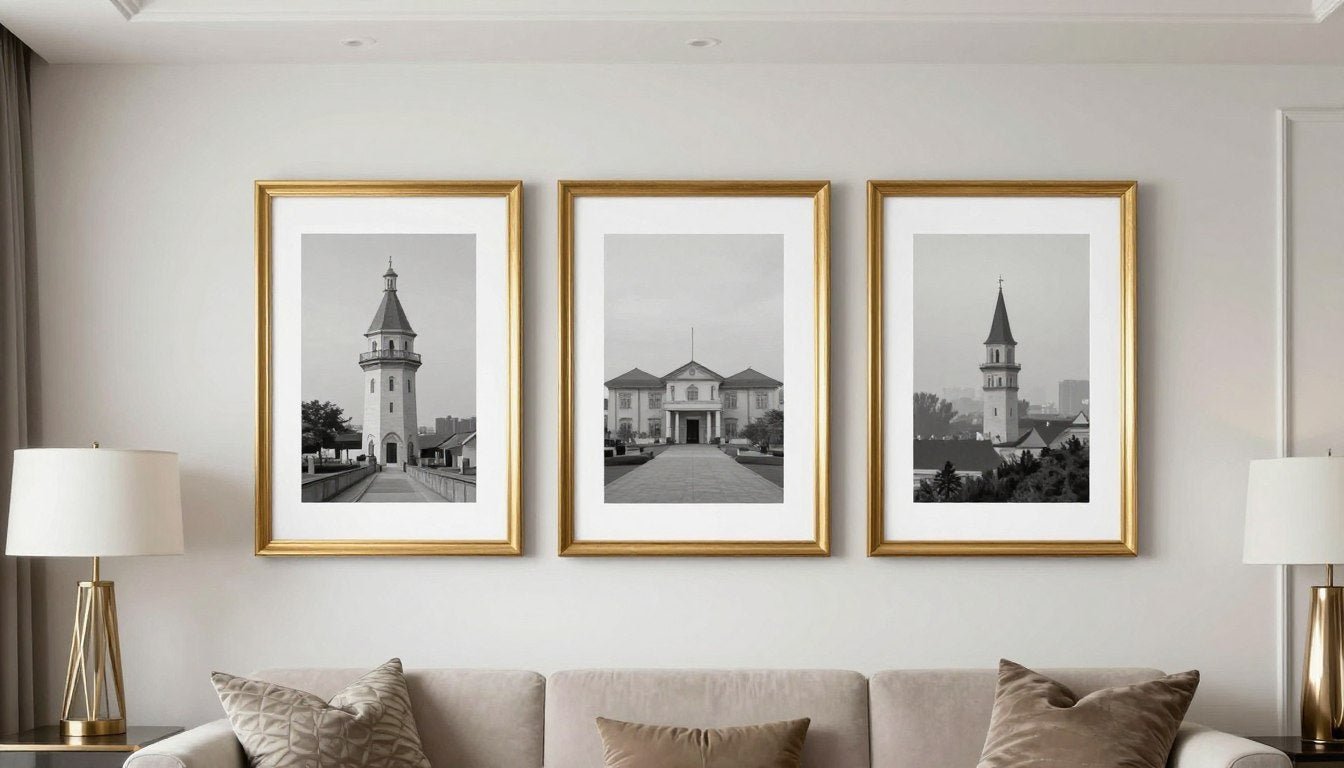

Gold and metallic accents can transform ordinary spaces into extraordinary gallery-quality environments. Yet many people hesitate to incorporate these lustrous elements into their homes. The fear is real and understandable. Nobody wants their carefully curated space to resemble a gaudy showroom or an over-the-top display.
The secret lies not in avoiding metallics altogether. It lies in understanding how to use them with intention and restraint. When done correctly, gold and metallic details add warmth, light, and visual interest. They create focal points that draw the eye without overwhelming the senses.
This guide will show you exactly how to incorporate metallic accents with confidence. You'll learn about color coordination, proper placement, and the critical role of balance. Whether you're selecting frames for artwork or adding decorative touches, these principles will help you achieve sophisticated elegance every time.
Why Metallic Accents Transform Spaces

Metallic elements serve a unique purpose in interior design and art display. They reflect light in ways that matte surfaces simply cannot match. This quality makes spaces feel brighter and more dynamic throughout the day.
Gold introduces warmth that complements skin tones in portraits and enriches earth tones in landscapes. Silver brings cool sophistication that pairs beautifully with contemporary art and modern furniture. Rose gold offers a softer alternative that bridges traditional and contemporary aesthetics.
These metals also establish visual hierarchy within a room. A gold frame immediately signals that the artwork inside deserves attention. Metallic sculpture pieces become conversation starters. The shine naturally draws focus without requiring bold colors or large scale.

The effect works on a psychological level too. Humans are naturally attracted to shimmering surfaces. This instinct dates back to our ancestors seeking water sources. In modern spaces, this attraction translates to engagement with art and decor.
Metals also age beautifully when quality pieces are chosen. Brass develops a rich patina over time. Gold maintains its luster for decades. These materials represent lasting investment rather than temporary trends.
Understanding Different Metallic Tones and Their Effects

Gold: Classic Warmth and Luxury
Gold remains the most traditional choice for picture frames and decorative accents. Its warm yellow tone adds richness without coldness. True gold finishes pair exceptionally well with warm color palettes featuring reds, oranges, and yellows.
Different gold finishes create distinct effects. Polished gold delivers maximum shine and reflection. Brushed gold offers subtle texture with less glare. Antique gold provides aged character that suits traditional and eclectic spaces.
When incorporating gold into your space, consider the existing lighting. Natural daylight enhances gold's warmth. Warm artificial lighting amplifies its glow. Cool LED lights can make gold appear slightly muted, though this isn't necessarily negative.

For those looking to feature artwork with gold elements, modern canvas wall art often incorporates metallic details that complement gold frames perfectly. The combination creates cohesive visual statements.
Silver: Modern Sophistication
Silver brings cool elegance to contemporary and minimalist interiors. Its neutral temperature works with both warm and cool color schemes. This versatility makes silver an excellent choice for spaces with varied artwork.
Chrome and stainless steel finishes fall into the silver family. These highly polished surfaces create mirror-like reflections. They work particularly well in modern galleries and urban loft spaces where industrial aesthetics dominate.
Pewter and brushed nickel offer softer alternatives. These finishes reduce glare while maintaining the cool sophistication of silver tones. They blend more easily into subtle color schemes without demanding attention.

Rose Gold: The Contemporary Bridge
Rose gold has emerged as a favorite for those seeking middle ground between warm and cool tones. Its copper undertones add warmth while maintaining enough coolness to feel current. This balance makes it incredibly versatile.
The metal works beautifully with blush pinks, soft grays, and cream tones. It flatters skin tones in portrait photography. Rose gold creates romantic, feminine atmospheres without feeling overly delicate.
In art framing, rose gold offers a fresh alternative to traditional gold. It feels less formal and more approachable. Many designers now specify rose gold for clients wanting elegance without stuffiness.

Brass and Bronze: Vintage Character
Brass brings warmth similar to gold but with more depth and variation. Its tendency to develop patina over time appeals to those who appreciate living finishes. Unlacquered brass evolves with exposure to air and touch.
Bronze introduces darker, earthier tones into the metallic spectrum. Its brown undertones complement wood furniture and natural materials. Bronze works especially well in spaces with organic, nature-inspired design elements.
Both metals suit vintage and antique aesthetics. They pair beautifully with aged wood, leather, and stone. In art presentation, brass and bronze frames add gravitas to historical pieces and photographs.
The Golden Ratio: How Much is Too Much?

The most common mistake when working with metallic accents involves quantity. Too much shine creates visual chaos. Too little fails to make an impact. Finding the sweet spot requires understanding basic design proportions.
Interior designers often cite the 80-20 rule for metallics. Roughly 80 percent of a space should feature non-metallic elements. The remaining 20 percent can incorporate shine through frames, hardware, and decorative objects. This ratio prevents overwhelming effects.
Within that 20 percent, distribute metallic touches throughout the space rather than clustering them. One wall packed with gold frames while others remain bare creates imbalance. Spreading accents maintains visual rhythm and flow.
Consider the size of metallic elements in relation to the room. Large spaces can handle bigger metallic statements like oversized mirrors or substantial light fixtures. Smaller rooms require more restraint with petite accents delivering sufficient impact.

The rule applies differently to artwork versus decorative objects. A single large painting in a metallic frame can serve as your primary metallic element. Additional smaller gold details then complement without competing.
Texture variety helps manage metallic proportions. Mixing shiny polished metals with brushed or matte finishes prevents sensory overload. The eye appreciates variation in surface quality even within the same color family.
Testing Before Committing
Before making permanent decisions about metallic accents, conduct simple tests. Place potential frames or objects in position and live with them for several days. Notice how light affects them at different times.
Photograph your space with various metallic configurations. Camera lenses often exaggerate shine, helping you identify when you've crossed into excessive territory. If photos look overdone, the real space probably needs adjustment.

Ask trusted friends for honest feedback. Fresh eyes catch problems that familiarity blinds us to. Specifically request opinions about whether metallic elements feel balanced or excessive.
Framing Fundamentals: Choosing Metallic Frames for Art

Selecting the right metallic frame requires analyzing the artwork itself first. Colors, subject matter, and style all influence which metal tone will provide the best support. The frame should enhance without overpowering the art.
Warm-toned paintings featuring reds, oranges, and yellows typically pair well with gold or brass frames. The warm metals echo colors within the artwork. This creates harmonious relationships between frame and content.
Cool-toned pieces with blues, greens, and purples often benefit from silver frames. The cool metal reinforces the artwork's color temperature. Black and white photography particularly shines in silver, chrome, or pewter frames.

Frame Width and Proportion
Frame width significantly impacts the final presentation. Thin metallic frames suit delicate watercolors and small prints. Their subtle presence doesn't compete with gentle artwork. Wide metallic frames work better with bold, large-scale pieces.
Consider the mat board as part of the framing equation. White or cream mats create buffer zones between artwork and metallic frames. This separation prevents the shine from overwhelming subtle art details.
The ornate versus simple spectrum matters too. Heavily decorated gold frames suit traditional oil paintings and classical subjects. Sleek modern frames with minimal detailing complement contemporary art and photography.

Mixing Frame Metals in Gallery Walls
Gallery walls allow creative freedom with frame mixing. However, intentional systems prevent chaos. One successful approach limits metallic frames to a single tone across all pieces. All gold or all silver creates unified collections.
Alternatively, establish a pattern like alternating between two metals. Gold and silver frames can coexist if distributed evenly. Avoid random placement where three gold frames cluster while one lonely silver hangs apart.
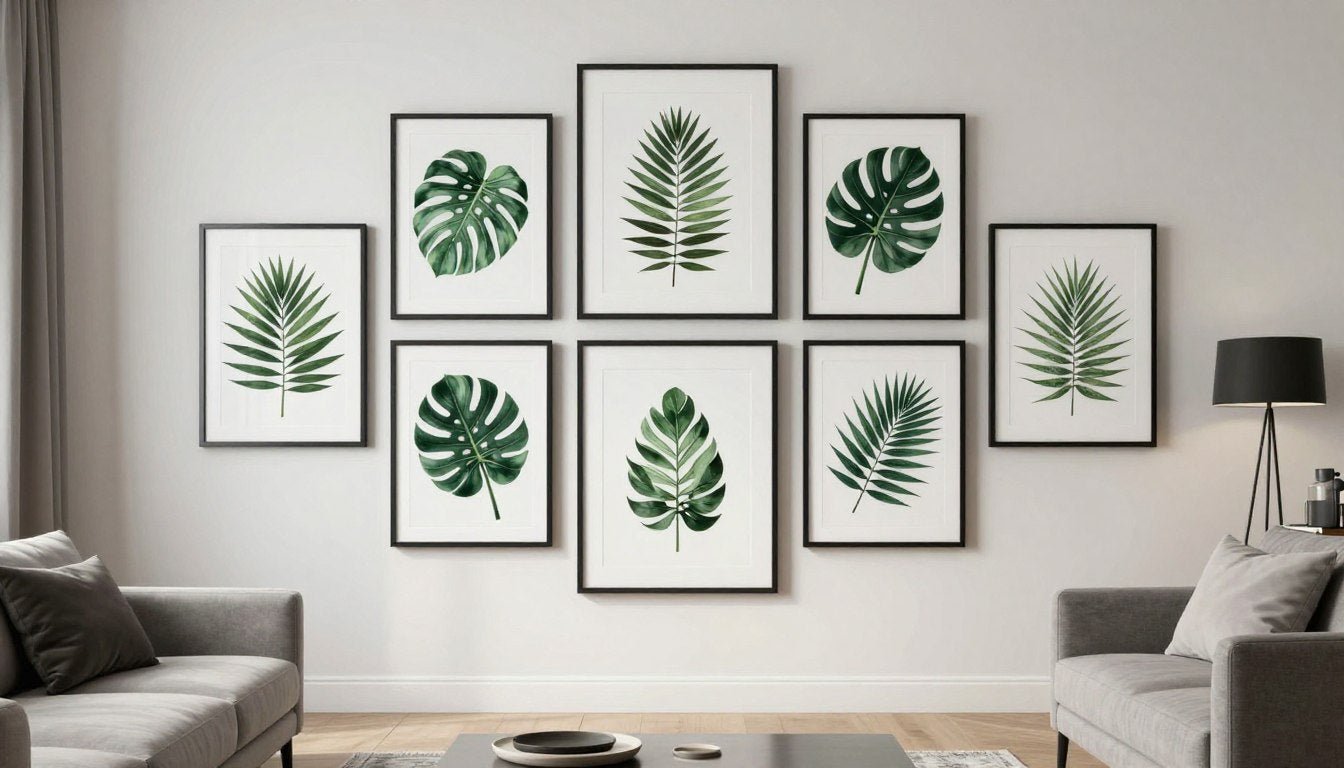
Some designers recommend the "anchor frame" method. Choose one large statement piece in a prominent metallic frame. Surround it with simpler black or white frames. The metallic anchor draws focus without overwhelming the arrangement.

If you're looking for artwork that works beautifully with metallic framing, consider exploring collections specifically designed with these pairings in mind.
Discover Art That Shines in Metallic Frames
Our curated collection of original paintings features pieces specifically selected to complement gold and metallic framing. Each work is created with framing presentation in mind, ensuring your metallic accents enhance rather than compete.
Color Coordination with Metallic Accents

Understanding color theory helps you confidently place metallic accents within existing color schemes. Metals act as neutrals in many ways, yet they carry temperature that affects harmony. Matching metal temperature to palette temperature creates cohesion.
Warm palettes built around creams, tans, terracottas, and warm grays welcome gold, brass, and bronze. These metals feel like natural extensions of the color family. They add sparkle without introducing conflicting temperature notes.
Cool palettes featuring grays, blues, greens, and purples pair naturally with silver, chrome, and platinum. The consistent cool temperature maintains visual unity. Rose gold can bridge this divide thanks to its mixed temperature nature.

Creating Contrast Without Clash
Sometimes intentional contrast works beautifully. Gold accents can pop dramatically against deep navy or forest green walls. The key lies in using metallics as small accent percentages rather than dominant features.
Contrast works best when one element dominates and the other accents. A room painted in cool gray with gold metallic frames creates striking visual interest. But equal amounts of cool wall color and warm gold accessories might feel unresolved.
Consider the undertones in seemingly neutral colors. Many grays lean warm or cool. Beiges can have pink, yellow, or gray undertones. Match your metallic choice to these subtle color temperatures for sophisticated results.

Monochromatic Schemes and Metallic Shine
Monochromatic color schemes benefit tremendously from metallic accents. When a room uses variations of a single color, metallics introduce visual interest through texture and reflection rather than new hues.
All-white spaces avoid sterility when gold or silver details add warmth or coolness respectively. Gray monochrome schemes gain dimension from metallic shine. These accents create focal points in otherwise uniform spaces.
The shine factor becomes particularly important in monochromatic design. Matte surfaces dominate, so metallic reflection provides essential contrast. This principle explains why designers often specify metallic hardware and frames for minimalist spaces.

Beyond Frames: Three-Dimensional Metallic Elements

Metallic accents extend beyond picture frames into sculptural and functional objects. These three-dimensional elements add depth and dimension that flat frames cannot provide. They catch light from multiple angles throughout the day.
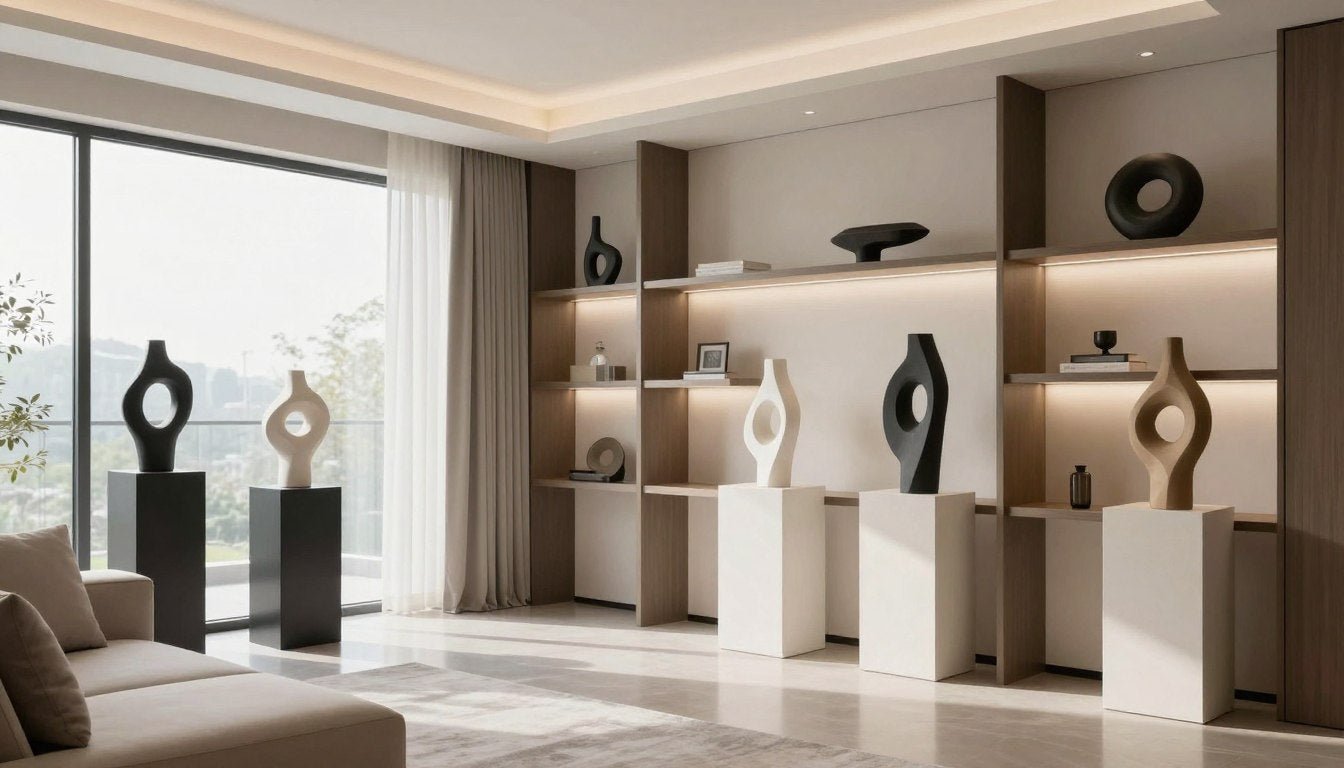
Metal sculptures serve as powerful focal points in entry halls, on mantels, or as table centerpieces. Their dimensional quality creates visual interest from every viewing angle. Unlike paintings that present one face, sculptures reward observation from multiple perspectives.
When selecting metallic sculptural pieces, consider scale relative to surrounding furniture. A delicate gold figurine disappears on a large console table. Conversely, an oversized brass sculpture overwhelms a small side table. Proper proportion maintains balance.

Functional metallic objects blend beauty with utility. Brass candlesticks, silver bowls, and gold trays add shine while serving practical purposes. This dual functionality justifies their presence beyond pure decoration.
For those interested in incorporating sculptural metallic elements, modern sculptures offer sophisticated options that avoid kitsch while providing that essential three-dimensional metallic presence.
Metallic Hardware and Fixtures
Cabinet hardware, door handles, and light fixtures represent often-overlooked metallic accent opportunities. These elements appear throughout homes, creating either cohesion or confusion depending on consistency.
Matching hardware finishes across a single space creates polish. All brass drawer pulls and door knobs signal intentional design. Mixing metals randomly in hardware appears careless rather than eclectic.

Light fixtures offer prime real estate for metallic accents. A brass chandelier or gold pendant lamp combines function with style. The elevated position ensures the metallic element catches attention without cluttering surfaces.
Consider finishes in adjacent rooms when selecting hardware. Open floor plans benefit from consistent metallic finishes flowing between spaces. Closed rooms can feature different metals if doors provide clear transitions.
Mirrors with Metallic Frames
Mirrors amplify metallic accents through reflection. A gold-framed mirror, like the ones from AURA Modern Home, doubles the amount of gold visible in a space by reflecting other metallic elements. This multiplication effect requires careful consideration.
Large mirrors with metallic frames serve as statement pieces similar to artwork. They demand prominent placement and adequate surrounding space. Overcrowding a metallic mirror diminishes its impact.

Position mirrors to reflect pleasant views rather than clutter. A silver mirror reflecting a metallic lamp creates intentional echo. The same mirror reflecting a messy corner broadcasts disorder throughout the room.
How Lighting Affects Metallic Accents

Light transforms metallic accents throughout the day. Morning sun creates different effects than afternoon glow or evening artificial lighting. Understanding these shifts prevents disappointment with how metals appear at various times.
Natural daylight shows metals most accurately. Northern light tends cool, making silver sparkle while slightly muting gold warmth. Southern exposure bathes rooms in warm light that enhances gold while making silver appear slightly warmer.
East-facing rooms receive warm morning light perfect for gold accents. The glow brings out richness in brass and bronze. West-facing spaces get intense afternoon sun that can create glare on highly polished metals.

Artificial Lighting Strategies
Warm incandescent and halogen bulbs enhance gold, brass, and bronze. They amplify warmth and create cozy atmospheres. These light sources make metallic frames glow invitingly in evening hours.
Cool LED lighting flatters silver and chrome while potentially dulling warm metals. Modern LED technology now offers adjustable color temperatures. Selecting warmer LED options helps gold maintain its richness under artificial light.
Directional lighting like picture lights or track lighting can highlight metallic-framed artwork. Position lights to minimize glare while emphasizing the artwork itself. The goal involves illuminating art rather than creating mirror-like reflections.

Managing Glare and Reflection
Excessive glare makes art viewing difficult and creates visual discomfort. Polished metals reflect light intensely, sometimes bouncing bright spots around rooms. Several strategies reduce this problem.
Choose brushed or matte metallic finishes for frames positioned opposite windows. These textures diffuse reflection while maintaining metallic appearance. Reserve high-polish metals for positions away from direct light sources.
Adjust lighting angles to prevent direct reflection into typical viewing positions. Lights positioned at 30-degree angles from vertical minimize glare on framed artwork. This lighting approach works in museums and translates perfectly to homes.

Anti-reflective glass or acrylic glazing reduces glare significantly. When protecting valuable art, specify museum-quality glazing that blocks UV light while minimizing reflections. The additional cost pays dividends in viewing pleasure.
Room-by-Room Application Guide

Living Rooms and Common Areas
Living rooms accommodate metallic accents generously due to their size and social function. These spaces benefit from statement metallic elements that spark conversation. Gold-framed art above sofas creates natural focal points.
Layer metallics at different heights for visual interest. Floor lamps with brass bases, metallic-framed art at eye level, and gold-accented crown molding create vertical rhythm. This distribution guides eyes through the space naturally.

Coffee tables offer excellent platforms for small metallic objects. Brass bowls, silver candlesticks, or gold decorative boxes add shine at the room's center. Keep collections curated to avoid clutter.
Bedrooms: Creating Serene Metallic Moments
Bedrooms require restraint with metallics to maintain restful atmospheres. Too much shine disrupts the calm essential for sleep. Rose gold works particularly well in bedrooms due to its soft, romantic quality.
Focus metallic accents on one or two areas rather than distributing them everywhere. Metallic-framed art above the bed creates a focal point. Matching metallic lamps on nightstands complete the intentional pairing.

Avoid metallic overload on dressers and vanities where clutter tends to accumulate. One beautiful metallic tray for corralling small items provides shine without chaos. This approach maintains the peaceful bedroom vibe.
Dining Rooms: Formal Metallic Elegance
Dining rooms traditionally embrace more formal metallic elements. Gold and silver both suit these spaces where entertaining occurs. The formality of metallic accents matches the room's function.
Chandeliers offer prime opportunities for metallic statements. Brass or gold fixtures cast warm glows over dining tables. The elevated position prevents the fixture from overwhelming while ensuring visibility.

Mirror placement in dining rooms serves functional purposes beyond decoration. Metallic-framed mirrors reflect candlelight and make spaces feel larger. Position them to reflect beautiful table settings or artwork rather than kitchen doorways.
Bathrooms: Small Space Metallic Magic
Bathrooms provide perfect testing grounds for metallic accents. The small scale means less financial commitment. Swapping out mirror frames or hardware offers quick, dramatic transformations.
Match bathroom fixture finishes to metallic accent choices. Brass faucets pair beautifully with brass mirrors and hardware. Mixing metals in small bathrooms creates visual confusion rather than eclectic charm.

Avoid excessive metallics in humid environments. Bathrooms require proper ventilation to prevent tarnishing. Choose sealed or powder-coated finishes rated for moisture exposure. Solid brass and stainless steel handle humidity better than cheaper alternatives.
Home Offices: Professional Polish
Home offices benefit from metallic accents that convey professionalism without stuffiness. Silver and brushed metals suit modern office aesthetics. Gold adds warmth to spaces that might otherwise feel cold.
Desk accessories in metallic finishes combine function with style. Brass pen holders, silver letter trays, and gold desk lamps serve purposes while elevating the space. These items justify their presence beyond pure decoration.

Frame diplomas and certificates in metallic frames to emphasize achievements. Gold or silver signals importance and creates professional impressions during video calls. This subtle touch enhances credibility.
Common Mistakes to Avoid

Mixing Too Many Metal Tones
The most common error involves combining multiple metal finishes without a unifying plan. Gold, silver, brass, and copper all in one space creates visual chaos. Eyes don't know where to focus when competing metals demand attention.
Successful mixing requires a dominant metal that claims roughly 70 percent of metallic presence. A secondary metal can account for 30 percent. This hierarchy creates intentional contrast rather than accidental confusion. For a deeper walkthrough of pairing finishes without creating visual clutter, check out our guide to mixing metals the right way.
Some designers successfully mix metals by separating them spatially. Gold in the living room, silver in the dining room. This approach works in homes with defined spaces and doorways providing clear transitions.

Ignoring Existing Architecture
Homes contain existing metallic elements in door hardware, stair railings, and window frames. Ignoring these permanent features when adding new metallics causes discord. New gold frames clash with existing brushed nickel doorknobs.
Survey existing finishes before purchasing new metallic items. Match new additions to what's already installed, or plan updates to create consistency. This attention to existing elements prevents expensive mistakes.
Historical homes often feature original metallic details worth preserving. Brass mail slots, bronze door knockers, and copper gutters tell architectural stories. New metallic accents should complement rather than compete with these heritage elements.

Neglecting Maintenance Requirements
Different metals require different care levels. Polished brass tarnishes without regular maintenance. Unlacquered metals develop patina that some love but others find unappealing. Understanding maintenance prevents disappointment.
Lacquered finishes protect metals from tarnishing but eventually wear away. Budget for occasional professional refinishing or plan to embrace natural aging. This realistic approach prevents frustration when shine diminishes.
Silver requires the most maintenance among common metallic finishes. It tarnishes quickly in humid climates. Unless you enjoy polishing or hire cleaning help, consider lower-maintenance alternatives like stainless steel or chrome.

Choosing Quality Over Style
Cheap metallic finishes look appropriate initially but degrade quickly. Plated metals chip and fade, revealing base materials underneath. These quality failures make entire spaces look cheap regardless of other investments.
Invest in solid metals or high-quality plating for prominent pieces. A few expensive metallic items that last decades serve better than numerous cheap alternatives requiring replacement. Quality shows in finish consistency and durability.
Read product descriptions carefully when shopping online. "Gold-tone" or "metallic finish" often indicate painted or plastic materials rather than actual metal. These substitutes photograph well but disappoint in person.
For more guidance on creating cohesive metallic accent schemes and avoiding common pitfalls, additional resources and inspiration await at the Rossetti Art design blog.
Seasonal Metallic Accent Adjustments

Spring and Summer: Lighter Metallic Touches
Warmer months call for lighter, airier metallic applications. Silver and white metals feel fresh and cool. They pair beautifully with the lighter fabrics and brighter colors typical of warm-season decor.
Swap heavy gold frames for lighter silver alternatives if you enjoy seasonal refreshes. This simple change dramatically shifts room temperature perception. The cooler metals complement the season's natural light quality.

Rose gold bridges seasons beautifully. Its mixed temperature works in both warm and cool weather. Homeowners who dislike seasonal swapping find rose gold accommodates year-round without feeling dated.
Fall and Winter: Rich Metallic Warmth
Cooler months welcome warmer metallic tones. Gold, brass, and bronze create cozy atmospheres that combat shorter days. These metals reflect warm artificial light beautifully during long winter evenings.
Layer metallic accents during fall and winter when indoor time increases. Additional brass candlesticks, gold throw pillows with metallic threads, and bronze decorative objects create nest-like comfort without permanent commitment.

Holiday decorating naturally incorporates metallics. Gold and silver ornaments, metallic ribbon, and shiny wrapping paper flood homes during winter celebrations. Ensure permanent metallic elements coordinate with temporary holiday additions.
Budget-Friendly Metallic Accent Strategies

Start Small with High Impact Items
Budget limitations don't prevent sophisticated metallic styling. Strategic placement of affordable items creates maximum impact. One beautiful metallic mirror outperforms a dozen cheap decorative objects.
Thrift stores and estate sales offer solid metal frames at fraction of retail prices. Tarnished brass and silver pieces clean up beautifully with proper products. These finds provide authentic quality impossible to match at big box stores.
Focus metallic budgets on items at eye level or in high-traffic areas. An expensive brass door handle that everyone touches daily justifies its cost. Hidden metallic elements that nobody notices waste money regardless of quality.

DIY Metallic Updates
Spray paint technology now includes convincing metallic finishes. Transform existing frames, lamps, or decorative objects with metallic spray paint. This affordable update refreshes pieces you already own.
Preparation determines DIY success. Clean and prime surfaces properly before applying metallic finishes. Multiple light coats produce better results than single heavy applications. Patience prevents drips that ruin the effect.
Metallic leaf application offers another DIY option. Gold, silver, and copper leaf sheets adhere to prepared surfaces with special adhesive. This technique works beautifully on furniture edges, mirror frames, and decorative objects.

Prioritize Visible Investments
Allocate larger portions of metallic budgets to pieces guests see frequently. Entry hall mirrors and living room art deserve quality metallic frames. Bedroom pieces seen only by household members can feature more modest finishes.
Consider the viewing distance when budgeting. Details visible only up close require finer quality. Items viewed from across rooms can employ less expensive alternatives without detection.
Mix investment pieces with budget items strategically. One expensive brass lamp anchors a vignette of affordable gold-tone accessories. The quality piece elevates everything around it through association.
Metallic Accents Across Design Styles

Modern and Contemporary Spaces
Modern design embraces metallic accents for their clean lines and reflective qualities. Chrome, brushed nickel, and polished stainless steel suit contemporary aesthetics. These cool metals complement the style's minimal color palettes.
Keep metallic elements streamlined in modern spaces. Ornate gold frames feel out of place against minimalist walls. Simple rectangular or circular frames in metallic finishes maintain style consistency.

Traditional and Classic Interiors
Traditional spaces welcome ornate metallic details. Carved gold frames, antique brass hardware, and detailed silver mirrors suit classical aesthetics. These spaces handle metallic richness that would overwhelm modern rooms.
Layer various metallic finishes within the same tone family. Polished brass, brushed brass, and antique brass can coexist in traditional rooms. The tonal consistency unifies while different finishes add depth.

Industrial and Urban Loft Styles
Industrial aesthetics favor raw, unfinished metal looks. Exposed steel beams, iron pipe shelving, and aged brass fixtures align with this style's honest materiality. Patina and wear marks add authenticity rather than detract.
Mix metallic finishes freely in industrial spaces where eclecticism defines the style. Copper pipes, steel frames, and brass hardware can coexist. The key involves using actual metal rather than painted imitations.

Bohemian and Eclectic Rooms
Bohemian style permits metallic mixing that strict design rules might prohibit. Gold Moroccan trays, silver Indian mirrors, and copper Turkish vessels create global, collected looks. The intentional variety defines bohemian charm.
Prioritize authentic pieces from various cultures over mass-produced items. Real brass Indian bells carry more impact than factory reproductions. The authentic patina and craftsmanship justify mixing multiple metal tones.

Planning for Long-Term Metallic Appeal

Investing in Timeless Pieces
Trends cycle through metallic finishes like any design element. Rose gold surged in popularity recently after decades of gold and silver dominance. Smart buyers recognize trends while investing in classics that transcend temporary fashions.
Classic gold and silver maintain appeal across generations. These traditional metals never truly go out of style. Brass experiences periodic revivals but never complete abandonment. These safe choices protect against dated appearances.
Purchase quality over trendiness for permanent fixtures and expensive items. Solid brass door hardware justifies premium prices through decades of service. Trendy finishes belong on easily replaced decorative accessories.

Creating Flexible Metallic Schemes
Design spaces with metallic flexibility built in. Choose neutral wall colors and classic furniture that accommodates changing metallic accents. This foundation permits refreshes without complete overhauls.
Keep most metallic elements in easily changeable categories. Swapping frames, lamps, and decorative objects costs less than replacing built-in fixtures. This flexibility allows trend participation without long-term commitment.
Document current metallic choices with photos and notes. Years later, you'll remember which finish that perfect lamp featured. This record helps maintain consistency when replacing or adding pieces.

Educating Future Residents
Homes eventually transfer to new owners or family members. Quality metallic elements add value but only if recognized. Maintain records of special finishes, custom frames, or valuable metal pieces.
Note care requirements for unique metallic finishes. Unlacquered brass needs regular maintenance that lacquered versions don't. Future caretakers will appreciate guidance preventing damage through ignorance.
Photograph rooms showing metallic elements at their best. These images document design intent and inspire proper maintenance. They also assist professional appraisers evaluating home value.
When to Consult Design Professionals

Complex Metallic Coordination Projects
Large-scale renovations involving multiple metallic finishes benefit from professional input. Designers coordinate hardware, fixtures, and decorative elements across entire homes. Their expertise prevents costly mistakes in permanent installations.
Custom metallic applications like gilding, patina development, or specialty finishes require trained artisans. These techniques demand skills developed over years. Amateur attempts often produce disappointing results that professionals must correct.
Historical restorations need expert guidance matching original metallic finishes. Preservation specialists identify authentic period metals and locate appropriate replacements. Their knowledge protects heritage value.

Overcoming Design Paralysis
Too many options create decision paralysis. Metallic finishes multiply choices exponentially. Designers narrow options based on your lifestyle, existing elements, and preferences. This streamlining makes decisions manageable.
Professional training includes understanding how metals interact with various materials, colors, and lighting. This expertise prevents combinations that seem logical but fail in practice. Their experience saves money through avoided mistakes.
Designers access trade resources unavailable to consumers. Custom metallic finishes, specialty hardware, and professional-grade materials offer quality beyond retail options. These connections justify consultation fees through superior results.
Maximizing Investment Returns
Homes for sale benefit from strategic metallic updates that appeal to buyers. Designers know which improvements yield returns and which waste money. Updated metallic fixtures often pay for themselves through faster sales and higher prices.
Professional staging incorporates metallic accents that photograph well for listings. These elements catch eyes in online searches where most home shopping begins. Skilled presentation through metallic details differentiates listings.

Creating Your Metallic Accent Story

Metallic accents transform ordinary spaces into extraordinary environments when applied thoughtfully. The journey from hesitation to confidence requires understanding basic principles about tone, proportion, and balance. Armed with these insights, you can incorporate gold, silver, brass, and bronze without fear of creating kitschy results.
Remember that metallic styling serves your personal aesthetic rather than rigid rules. Some guidelines provide safety rails preventing common mistakes. Yet the most successful metallic applications reflect individual taste and lifestyle needs.
Start small if uncertainty lingers. One beautiful metallic-framed piece or a set of brass candlesticks begins the journey. Observe how light interacts with your choice throughout days and seasons. Notice how the metallic element affects room atmosphere and your emotional response.

Build your metallic story gradually rather than rushing to completion. Spaces evolve as you discover what works in your specific environment. The best interiors develop over time through considered additions rather than hurried shopping sprees.
Trust your instincts while applying learned principles. If a metallic combination feels wrong despite following rules, listen to that discomfort. Your daily experience matters more than any design dogma. Conversely, if breaking a rule creates joy, embrace the departure.
Maintenance commitment matches your lifestyle. High-polish metals requiring frequent care suit those who enjoy the process. Low-maintenance finishes serve busy households better. Honest assessment of your habits prevents disappointment.

Quality investments in metallic elements pay dividends through years of satisfaction. Cheap substitutes disappoint quickly and require replacement. The apparent savings evaporate when calculating true long-term costs. Choose fewer excellent pieces over numerous mediocre alternatives.
Your metallic accent choices tell a story about your values and aesthetic preferences. Gold speaks to traditional elegance and warmth. Silver conveys modern sophistication. Brass bridges eras with vintage charm. Each selection contributes to your home's narrative.
The spaces you create affect daily well-being more than most people realize. Coming home to environments that reflect thoughtful design choices, including well-placed metallic accents, elevates everyday experiences. This transformation justifies the effort required to get details right.
Ready to Perfect Your Metallic Accent Strategy?
Discover our complete collection of artwork and sculptures designed to complement metallic framing and accents. Each piece in our gallery considers how gold, silver, and brass elements enhance the overall presentation. Find the perfect metallic-accent-friendly art for your space.
Embrace the learning process as metallic styling skills develop. Early attempts might not achieve perfection. Each experiment teaches valuable lessons about your space and preferences. This experiential education builds genuine expertise.
Share your metallic accent successes with friends and family. Your confidence may inspire others hesitating at the same crossroads you once faced. Design knowledge multiplies its value when passed forward to help others create beautiful spaces.
The principles outlined in this guide provide foundation for sophisticated metallic styling. Apply them flexibly rather than rigidly. Your unique space, lighting, and existing elements require personalized approaches. Use these insights as starting points for your creative interpretation.

Metallic accents bridge past and present through their timeless appeal. These elements graced palaces centuries ago and enhance modern minimalist apartments today. Their enduring relevance stems from fundamental human attraction to light and shine.
Your journey with metallic accents begins with single thoughtful choice. That choice leads to another, then another. Before long, you've created spaces that feel intentional, elegant, and uniquely yours. The transformation happens gradually through accumulation of good decisions.
Welcome metallics into your home with confidence. You now possess knowledge to avoid kitsch while embracing elegance. The shine, warmth, and visual interest these elements provide will enhance your daily environment for years to come. Your story with gold and metallic accents starts now.

About the Author
Chiara Rossetti
Chiara Rossetti is the founder of Rossetti Art, a canvas print and original art brand. She writes about interior design, wall art styling, and the art of making a home feel alive.

Leave a comment
This site is protected by hCaptcha and the hCaptcha Privacy Policy and Terms of Service apply.