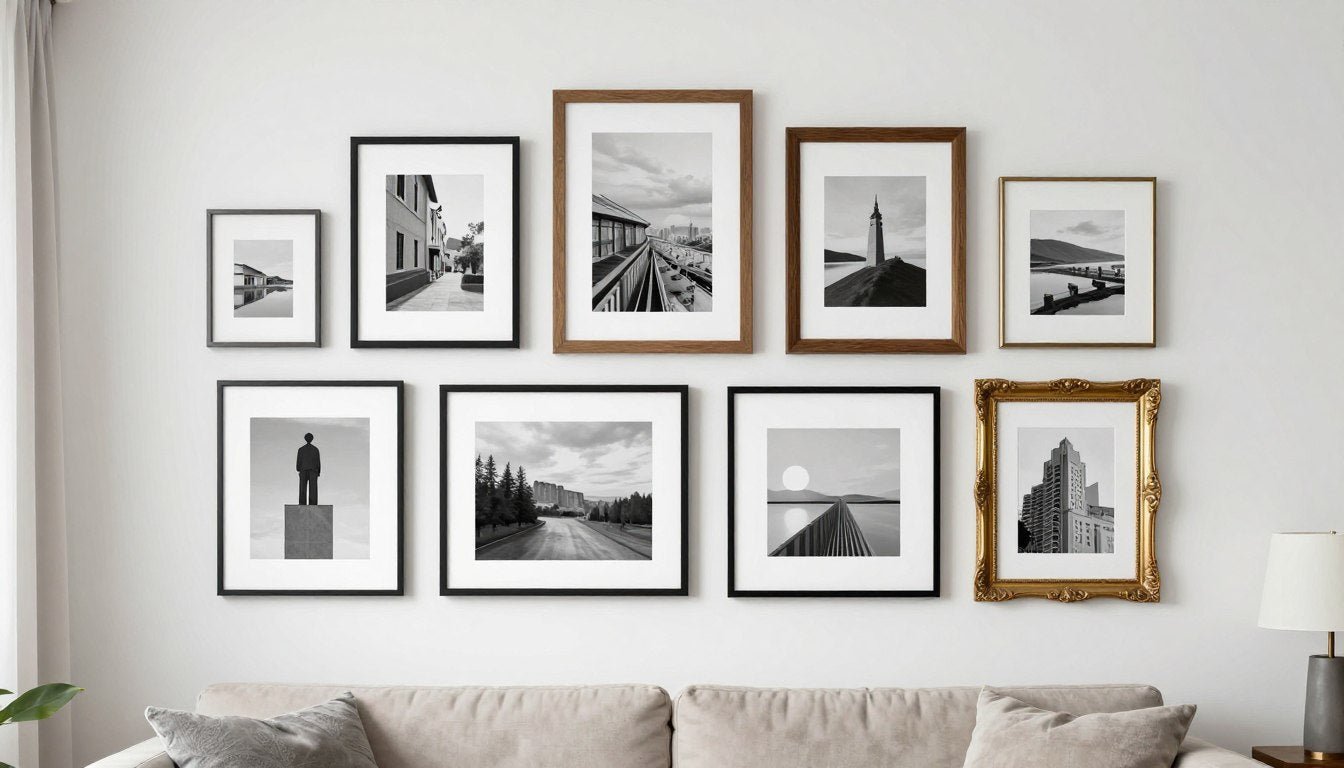
Selecting the perfect framed prints wall art transforms empty walls into stunning focal points. The right choice elevates your entire space. The wrong decision creates visual clutter that detracts from your carefully designed room.
This comprehensive guide walks you through every critical decision. You'll learn how to select frame styles that complement your aesthetic. You'll understand material quality indicators that separate investment pieces from disposable decor. You'll discover sizing principles that create visual harmony rather than awkward imbalances.
Whether you're decorating a new home or refreshing existing spaces, these insights ensure confident purchasing decisions. Let's explore how to choose framed art prints that you'll love for years to come.
Understanding Frame Styles: Finding Your Perfect Match
Frame styles serve as the architectural border between your art and your walls. They define how prints integrate with existing decor. The frame you select can make identical art prints look contemporary or traditional, expensive or cheap.

Modern frames feature clean lines and minimal ornamentation. These work beautifully in contemporary spaces where simplicity reigns. Black metal frames create crisp edges that make artwork pop. White frames blend seamlessly with neutral walls while maintaining definition.
Classic wood frames bring warmth and traditional elegance. Oak, walnut, and cherry woods add natural texture that complements both traditional and transitional interiors. The grain patterns create visual interest without overwhelming the art itself.

Minimalist frames strip away all unnecessary elements. Ultra-thin profiles in black or natural wood barely interrupt the artwork. These frames work particularly well for photography and graphic prints where the image should dominate completely.
Ornate frames feature decorative molding and intricate details. Gold leaf, carved patterns, and beveled edges create gallery-quality presentation. These frames suit formal spaces and classical art styles. They add luxury and gravitas to any wall arrangement.

Modern Frame Characteristics
- Clean geometric lines
- Metal or painted wood construction
- Minimal profile depth
- Neutral color palettes
- Emphasis on the artwork itself
Classic Frame Characteristics
- Natural wood materials
- Visible grain patterns
- Traditional profile shapes
- Warm earth tones
- Timeless aesthetic appeal
Gallery frames represent the professional standard. Museums and high-end galleries prefer these refined styles. They feature conservation-grade materials and precise craftsmanship. The frame becomes part of the art's presentation rather than an afterthought.

Floating frames create a modern presentation where art appears suspended within the frame. A small gap between the print and frame edge adds contemporary sophistication. This style works exceptionally well for canvas prints and photography.

Discover Frame Styles That Match Your Vision
Browse our curated collection of abstract and geometric framed prints featuring diverse frame styles from minimalist to ornate.
Material Quality: Investing in Lasting Beauty
Material quality determines how long your framed art prints maintain their beauty. Premium materials resist fading, warping, and deterioration. Budget materials begin showing age within months of hanging.
Understanding these quality indicators helps you make informed investment decisions. The difference between acid-free and standard matting affects your art's lifespan by decades.

Wood Frame Quality Indicators
Hardwoods like oak, walnut, and maple offer superior durability. These woods resist warping and maintain structural integrity through humidity changes. Solid wood frames outlast composite materials significantly.
Soft woods like pine provide budget-friendly options. While less durable than hardwoods, quality pine frames still deliver years of service. Look for kiln-dried wood that resists moisture damage.

Composite wood frames use engineered materials. Medium-density fiberboard (MDF) wrapped in veneer mimics solid wood appearance. Quality composites resist warping better than solid wood at lower price points. However, they lack the authentic grain patterns and longevity of real wood.
Frame finish quality affects both appearance and durability. Hand-rubbed finishes penetrate wood deeply and develop beautiful patina over time. Spray finishes provide even color but may chip more easily.

Metal Frame Materials
Aluminum frames combine lightweight construction with lasting durability. Anodized aluminum resists corrosion and maintains finish quality. These frames suit modern and industrial design aesthetics perfectly.
Steel frames provide maximum strength for large format prints. Powder-coated finishes resist scratching and fading. The additional weight requires proper wall anchoring but delivers unmatched stability.

Brass and gold-tone metal frames bring luxury aesthetics. True brass develops natural patina that many collectors prize. Gold-plated frames offer gilded appearance at accessible prices. These materials work beautifully with classical and formal interiors.
Glazing Options: Glass vs. Acrylic
Standard glass provides clarity at economical prices. It protects art from dust and minor moisture. However, it breaks easily and adds significant weight to larger frames. UV protection requires upgraded glass formulations.

Museum glass eliminates virtually all reflections. This premium glazing option allows artwork viewing from any angle without glare. UV filtering protects art from light damage. The investment makes sense for valuable or irreplaceable prints.
Acrylic glazing weighs half as much as glass. It resists shattering, making it ideal for children's rooms and high-traffic areas. Modern acrylic formulations rival glass clarity while offering superior impact resistance. UV-filtering acrylics protect art without the fragility of glass.

Anti-reflective coatings can be applied to both glass and acrylic. These treatments allow clear viewing even in brightly lit rooms. Gallery-quality presentation benefits significantly from this upgrade.
Matting Material Quality
Acid-free matting prevents yellowing and chemical damage to artwork. Museum-grade mats use cotton or alpha-cellulose that maintains neutral pH levels indefinitely. Standard paper mats deteriorate and damage art over years.

Mat thickness affects visual presentation and protective qualities. Standard four-ply mats suit most applications. Eight-ply mats create dramatic depth and shadow lines that enhance formal presentations.
Beveled mat edges add professional finishing touches. The angled cut reveals core color and creates subtle shadow lines. Hand-cut bevels demonstrate superior craftsmanship compared to machine cutting.

Experience Premium Quality Canvas Prints
Our canvas prints feature museum-grade materials and professional-quality frames designed to last generations.
Sizing Your Framed Prints Wall Art for Perfect Proportions
Proper sizing creates visual balance that makes rooms feel complete. Incorrectly sized art disappears on large walls or overwhelms small spaces. These guidelines ensure your framed wall prints achieve ideal proportions.
The relationship between wall size, furniture dimensions, and art size determines overall harmony. Mathematical ratios provide starting points, but your eye makes final decisions.

The Two-Thirds Rule for Wall Art
Artwork should span approximately two-thirds to three-quarters of the furniture width below it. A 90-inch sofa pairs beautifully with a 60 to 68-inch wide art piece or gallery wall arrangement.
This proportion creates visual connection without overwhelming the furniture. Smaller art looks lost and disconnected. Oversized pieces crowd the space and create visual imbalance.

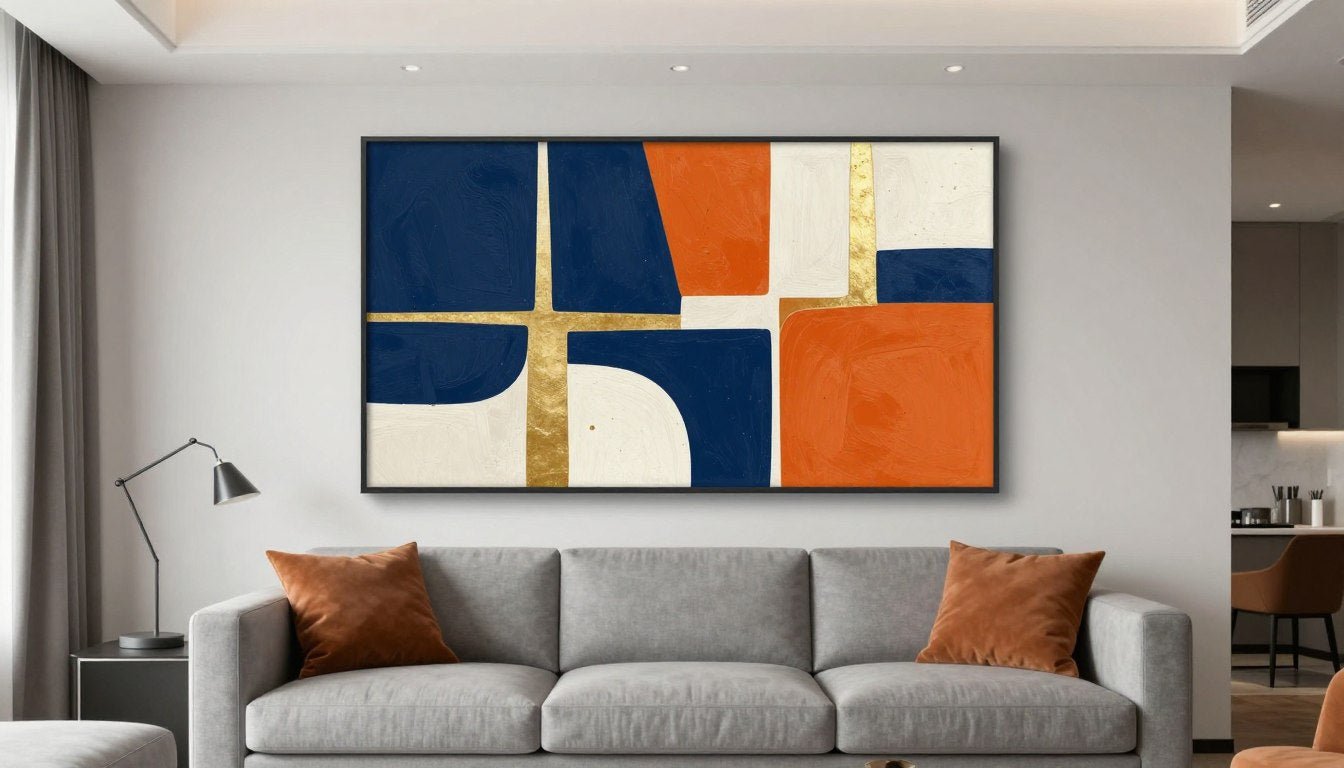
Single large pieces make bold statements. One oversized framed print creates immediate focal points. This approach works particularly well in minimalist interiors where simplicity matters most.
Gallery walls distribute visual weight across multiple pieces. Arrange smaller framed art prints in clusters that collectively achieve proper proportions. This strategy adds personality and allows easy updates over time.

Room-Specific Sizing Guidelines
Living room walls often accommodate larger pieces. Statement art measuring 40 to 60 inches wide suits most living spaces. Vertical pieces work well on narrow walls beside windows or doorways.
Bedroom art should promote tranquility without overwhelming the space. Horizontal pieces measuring 30 to 48 inches wide work beautifully above headboards. Symmetrical pairs flanking beds create balanced, hotel-inspired looks.

Dining room art faces special considerations. Pieces should remain visible when people gather around the table. Vertical orientations often work better than horizontal in these spaces. Consider the view from seated positions when selecting size.
Hallway and entryway art creates first impressions. Vertical pieces suit narrow hallway walls beautifully. Group smaller pieces in vertical arrangements for added impact. Ensure adequate clearance for traffic flow.

Height and Placement Principles
The 57-inch rule positions art at eye level for average viewers. Center artwork approximately 57 to 60 inches from floor to center point. This height works well in most residential spaces.
Furniture changes optimal hanging height. Art above sofas should hang 6 to 12 inches above furniture tops. This creates visual connection while preventing bumped heads.

Ceiling height affects scale perception. Rooms with 10-foot or higher ceilings accommodate larger pieces and taller hanging positions. Standard 8-foot ceilings work best with moderately sized art hung at traditional heights.
Consider the room's architectural features. Windows, built-ins, and doorways create natural boundaries for art placement. Work with these elements rather than fighting against them.

Scaling for Large Format Prints
Large framed art prints measuring 48 inches or more create dramatic impact. These statement pieces anchor entire room designs. One oversized piece often provides more impact than multiple smaller works.
Consider viewing distance when selecting large prints. Art viewed from across rooms can handle bigger scale than pieces viewed up close. Intricate details get lost on oversized prints viewed from distance.

Frame width proportions matter with large pieces. Wider frames suit traditional styles and add presence. Thinner frames keep focus on the artwork itself in contemporary settings.
Wall color affects size perception. Dark walls make art appear larger and more prominent. Light walls allow larger pieces without overwhelming space. Test sizing with paper templates before committing to purchases.

Find Perfectly Sized Art for Your Living Room
Explore our living room collection featuring pieces sized and styled specifically for main living spaces.
Matching Frames to Room Decor: Creating Cohesive Spaces
Frame selection bridges artwork and interior design. The right frame integrates prints seamlessly with existing decor. Mismatched frames create visual discord that undermines even beautiful art.
Your room's design style dictates frame choices. Modern spaces demand different frames than traditional environments. Understanding these relationships ensures confident selections.

Modern and Contemporary Interiors
Modern spaces embrace simplicity and clean lines. Black metal frames complement contemporary furniture beautifully. The crisp edges create definition without adding visual clutter.
White frames blend seamlessly with neutral walls. This approach allows artwork to take center stage. The frame provides necessary structure while remaining visually quiet.

Natural wood frames in light finishes add warmth to modern spaces. Blonde woods like maple or ash prevent rooms from feeling cold. The organic texture softens hard-edged contemporary furniture.
Floating frames suit modern aesthetics perfectly. The gap between art and frame creates contemporary sophistication. This style works especially well with photography and graphic prints.

Traditional and Classic Decor
Traditional spaces call for wood frames with visible grain. Cherry, mahogany, and walnut frames bring warmth and elegance. These materials reference historical framing traditions that suit formal settings.
Ornate frames enhance traditional interiors. Gold leaf detailing and carved moldings create gallery-quality presentation. These frames work particularly well with classical art subjects and formal portraits.

Wide mat borders add formality to traditional presentations. Generous white or cream mats create breathing room around art. This approach references museum and gallery framing practices.
Frame and furniture wood matching creates cohesive looks. Coordinate frame finishes with wood furniture tones. This creates intentional design harmony throughout the space.

Industrial and Urban Styles
Industrial interiors pair beautifully with metal frames. Raw steel or black powder-coated frames complement exposed brick and concrete. The materials reference urban loft aesthetics.
Reclaimed wood frames add rustic character. Weathered finishes and visible imperfections enhance industrial charm. These frames bridge vintage industrial elements with contemporary living.

Minimal framing keeps focus on artwork in sparse industrial spaces. Ultra-thin profiles prevent visual competition with architectural elements. The art becomes another layer of the industrial aesthetic.
Mixed metal finishes add visual interest. Combine black, silver, and brass frames for eclectic industrial looks. This approach works well with gallery wall arrangements.

Scandinavian and Minimalist Design
Scandinavian style emphasizes light wood frames. Birch, pine, and ash frames enhance the airy Nordic aesthetic. Natural wood grain adds subtle warmth without visual weight.
White frames dominate Scandinavian interiors. They disappear against white walls while providing necessary definition. This approach maintains the clean, uncluttered look that defines the style.

Thin profile frames suit minimalist sensibilities. Barely-there frames allow art to float on walls. This restrained approach prevents visual clutter while maintaining polish.
Monochromatic frame choices support minimalist principles. Stick to single frame colors throughout spaces. This creates visual calm and intentional simplicity.

Eclectic and Bohemian Spaces
Eclectic interiors embrace mixed frame styles. Combine wood, metal, and ornate frames within single gallery walls. The variety creates collected-over-time authenticity.
Color variety adds bohemian flair. Mix frame colors freely while maintaining overall color balance. Bright frames inject personality into art displays.

Vintage and antique frames suit bohemian aesthetics. Thrift store finds and inherited frames add character. Imperfections become part of the charm rather than flaws to hide.
Asymmetrical arrangements enhance eclectic style. Skip rigid grid layouts in favor of organic clustering. This approach feels relaxed and personally curated.

Transitional Style Balance
Transitional design bridges traditional and contemporary elements. Frame choices should balance both aesthetics. Simple wood frames in classic profiles offer this versatility.
Neutral frame colors work beautifully in transitional spaces. Black, white, natural wood, and metallics coordinate with varied furniture styles. These colors transition easily as design preferences evolve.

Medium-width frames suit transitional aesthetics. Avoid ultra-thin modern profiles and heavy ornate styles. Moderate proportions bridge style extremes effectively.
Quality over trendiness ensures longevity. Select well-made frames in timeless styles. Transitional spaces prioritize enduring appeal over momentary trends.

Transform Your Bedroom with Perfectly Styled Art
Discover our bedroom collection featuring calming artwork in frames designed to complement restful spaces.
Selecting Art Print Styles That Enhance Your Space
Art style selection shapes room atmosphere as much as frame choice. Abstract prints create different moods than landscape photography. Understanding these effects helps you choose pieces that enhance your lifestyle.
Your art should reflect personal taste while complementing overall design. The right prints make spaces feel complete and intentional.

Abstract and Geometric Prints
Abstract art brings contemporary energy to modern spaces. Bold colors and dynamic shapes create visual interest. These prints work as conversation starters and focal points.
Geometric prints offer structured visual appeal. Clean lines and repeated patterns complement minimalist and modern interiors. The mathematical precision feels intentional and sophisticated.

Color selection in abstract pieces affects room mood dramatically. Warm abstracts energize spaces with reds, oranges, and yellows. Cool abstracts calm environments with blues, greens, and purples.
Scale matters with abstract work. Large abstract pieces command attention and anchor room designs. Smaller abstracts work well in gallery wall arrangements or intimate spaces.

Landscape and Nature Photography
Landscape prints bring outdoor beauty inside. Mountain vistas, ocean scenes, and forest photographs create calming environments. These images work particularly well in bedrooms and meditation spaces.
Black and white landscape photography offers timeless elegance. The absence of color emphasizes composition and form. These prints coordinate easily with any color scheme.

Seasonal landscape imagery allows easy decor updates. Rotate prints quarterly to reflect changing seasons. This keeps spaces feeling fresh without major redesign efforts.
Local landscape photography adds personal connection. Prints featuring familiar locations create meaningful conversation pieces. These work beautifully in entryways and living areas.

Still Life and Floral Art
Floral prints bring natural beauty to any space. Botanical illustrations work in traditional and modern settings alike. These versatile images add life without overwhelming rooms.
Still life compositions offer classical elegance. Fruit arrangements, vessels, and everyday objects create sophisticated focal points. These prints suit dining rooms and kitchen spaces beautifully.

Vintage botanical prints add scholarly charm. Antique-style plant illustrations reference natural history traditions. These work particularly well in home offices and libraries.
Contemporary floral photography brings modern energy to traditional subject matter. Bold close-ups and unusual perspectives update the genre. These prints bridge traditional and contemporary design styles.

Typography and Quote Prints
Typography prints deliver messages alongside visual appeal. Inspirational quotes motivate in home offices. Family mottos create meaning in living areas.
Font selection affects overall aesthetic. Script fonts feel romantic and traditional. Sans-serif typography reads as modern and direct. Match font style to room design for cohesion.

Color and background choices impact readability and style. High contrast text stands out boldly. Subtle tone-on-tone approaches feel sophisticated and understated.
Size considerations matter with typography. Larger prints allow reading from across rooms. Smaller pieces work best viewed up close in intimate spaces.

Fine Art Reproductions
Museum-quality reproductions bring famous works home. Van Gogh, Monet, and other masters add cultural sophistication. These prints suit traditional and eclectic interiors beautifully.
Print quality matters significantly with fine art reproductions. Giclée printing captures color accuracy and detail. Museum-grade papers ensure longevity and authentic appearance.

Frame style affects fine art presentation dramatically. Traditional wood frames honor classical works. Contemporary frames create interesting juxtapositions with historical art.
Gallery wall arrangements showcase multiple masterworks. Create personal museums with carefully curated reproduction collections. This approach adds sophistication to any space.

Smart Shopping: What to Consider When Buying Framed Art Prints
Informed purchasing decisions ensure satisfaction with your framed wall prints investment. Several factors beyond aesthetics deserve attention. These considerations protect both your budget and design vision.

Budget Planning and Value Assessment
Quality framed art prints represent significant investments. Budget appropriately for pieces that last decades. Cheap alternatives deteriorate quickly and require replacement.
Frame cost often exceeds print expense. Custom framing for standard prints can triple total investment. Ready-framed options from reputable retailers offer better value for most buyers.

Consider cost-per-year rather than upfront price. A quality piece lasting twenty years costs less annually than cheap art replaced every few years. This perspective justifies higher initial investments.
Sales and promotions make quality accessible. Many retailers offer seasonal discounts on framed prints. Subscribe to newsletters from trusted brands for timely deals.
Print Quality and Reproduction Methods
Giclée printing represents the gold standard for art reproduction. This archival process uses fade-resistant inks and premium papers. Expect prints to maintain color vibrancy for 100-plus years.
Standard digital printing offers good quality at lower prices. Modern printers produce acceptable results for most applications. However, longevity and color accuracy lag behind giclée methods.

Paper quality affects final appearance and durability. Cotton rag papers provide archival qualities and superior texture. Photo papers offer glossy finishes and sharp detail. Match paper type to art style for best results.
Resolution determines detail rendering. High-resolution prints maintain clarity at large sizes. Low-resolution images appear pixelated when enlarged. Verify resolution specifications before purchasing large format prints.
Return Policies and Satisfaction Guarantees
Reputable sellers offer satisfaction guarantees. Look for generous return windows that allow proper evaluation in your space. Thirty to sixty-day returns provide adequate time for confident decisions.
Shipping damage protection matters with framed items. Ensure sellers guarantee safe arrival. Understand the process for reporting damage and obtaining replacements.

Understand restocking fees and return shipping costs. Some retailers charge fees that significantly reduce refunds. Factor these potential costs into purchase decisions.
Customer service responsiveness indicates retailer reliability. Test communication channels before major purchases. Quick, helpful responses suggest positive post-purchase support.
Delivery and Installation Considerations
Large format prints require special delivery handling. Verify seller shipping methods protect oversized items adequately. White glove delivery services justify costs for valuable pieces.
Installation hardware should accompany framed prints. Quality pieces include appropriate hanging systems. Wire, D-rings, and sawtooth hangers suit different frame weights and styles.

Wall type affects installation requirements. Drywall anchors support moderate weights reliably. Stud mounting provides maximum security for heavy pieces. Masonry and plaster need specialized hardware.
Professional installation services eliminate stress for valuable or heavy art. Many retailers connect customers with qualified installers. This option makes sense for large investments or difficult placements.
Authenticity and Artist Rights
Legitimate retailers respect artist copyrights. Verify that prints come from authorized sources. This protects you legally and ensures artists receive proper compensation.
Limited edition prints may include certificates of authenticity. These documents verify edition size and print numbers. Numbered prints from established artists can appreciate over time.

Artist signatures add value to original works and limited editions. Hand-signed pieces command premium prices. Verify signature authenticity through seller guarantees.
Mass-produced prints offer accessibility without exclusivity. These pieces democratize art ownership. Choose quality reproductions from reputable sources even when buying widely available images.
Caring for Your Framed Art Prints: Maintenance and Protection
Proper care extends the life of your framed wall art investment. Simple maintenance practices preserve beauty for generations. Neglect accelerates deterioration and damage.

Placement and Environmental Factors
Avoid direct sunlight placement. UV radiation fades prints rapidly even through glass. Position art on walls that receive indirect light or use UV-filtering glazing.
Humidity control prevents damage to frames and prints. Excessive moisture warps wood frames and encourages mold growth. Dehumidifiers protect art in damp climates.

Temperature stability matters for long-term preservation. Avoid hanging art near heating vents, fireplaces, or air conditioning units. Extreme temperature fluctuations stress materials.
Kitchen and bathroom placement poses special challenges. Steam and cooking residue damage prints and frames. Use protective glazing and ensure adequate ventilation in these spaces.
Cleaning and Dusting Practices
Regular dusting prevents buildup that attracts moisture. Use soft microfiber cloths or feather dusters weekly. Gentle touch prevents scratching glass or acrylic glazing.
Glass cleaning requires care to avoid frame damage. Spray cleaner on cloth rather than directly on glass. This prevents moisture seeping under glazing or into frame joints.

Avoid chemical cleaners on wood frames. Many products damage finishes or leave residue. Slightly damp cloths suffice for most cleaning needs.
Professional cleaning addresses stubborn problems. Conservators can clean under glazing and restore damaged frames. This service makes sense for valuable or sentimental pieces.
Inspection and Preventive Care
Inspect hanging hardware annually. Screws and wires weaken over time. Preventive replacement prevents falls that damage art and walls.
Check for moisture damage indicators. Warped mats, mold spots, or condensation require immediate attention. Address underlying moisture issues before they cause irreversible damage.

Frame joint integrity affects stability. Loose corners indicate failing adhesive or fasteners. Professional repair prevents complete frame failure.
Mat replacement freshens presentation. Acid-free mats last decades but may benefit from updating. New mats can change artwork appearance dramatically.
Moving and Storage Best Practices
Protect glass during moves with masking tape X-patterns. Tape prevents shattering if breaks occur. Remove tape immediately after moving to avoid residue.
Wrap frames in acid-free paper or bubble wrap. Avoid direct contact between protective materials and artwork surfaces. Multiple thin layers protect better than single thick wrapping.

Store framed art vertically when possible. Horizontal stacking places weight on frames and glass. Vertical storage in padded racks prevents damage.
Climate-controlled storage protects long-term. Attics and basements expose art to temperature and humidity extremes. Investment pieces deserve proper storage conditions.
Creating Your Perfect Art Collection
Choosing framed prints wall art combines aesthetic judgment with practical considerations. Frame styles shape how art integrates with your decor. Material quality determines longevity and value. Proper sizing creates visual harmony that makes spaces feel complete.
Understanding these elements empowers confident purchasing decisions. Your walls deserve art that reflects personal taste while enhancing daily life. Quality pieces become cherished parts of your home's story.

Start with pieces that genuinely move you. Technical knowledge supports your instincts rather than replacing them. Trust your reactions while applying these practical guidelines.
Quality investment today brings decades of enjoyment. Well-chosen framed art prints appreciate in personal value even when financial value remains stable. These pieces become visual anchors in your daily environment.
Your perfect collection awaits discovery. Begin with one statement piece or curate an entire gallery wall. Each addition shapes your space and reflects your evolving aesthetic vision.
Begin Your Art Collection Journey with Rossetti Art
Explore our complete collection of premium framed wall art, carefully curated to enhance every room in your home with museum-quality prints and expert framing.


Leave a comment
This site is protected by hCaptcha and the hCaptcha Privacy Policy and Terms of Service apply.