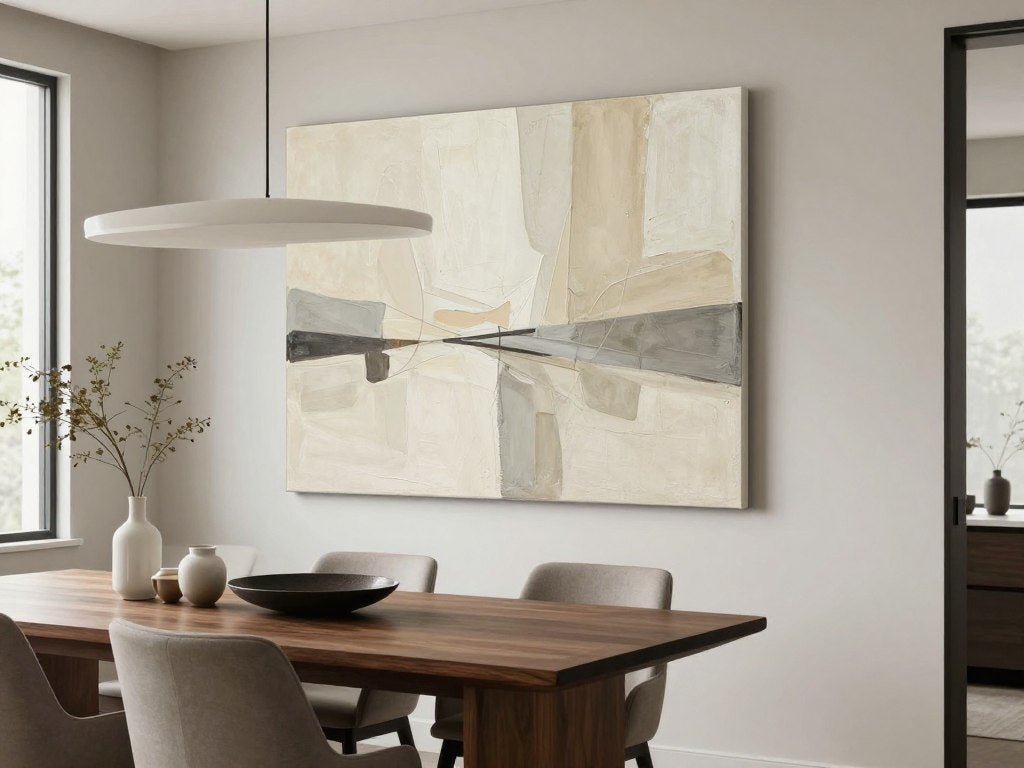
The right artwork transforms a dining room from a simple eating space into a room where memories take shape. Your dining room walls tell guests who you are before you say a word. Finding dining room wall art ideas that resonate with your style while enhancing the entire space can feel overwhelming, but it doesn't have to be.
The wall above your dining table serves as a focal point every time someone enters the room. That blank wall holds potential to create atmosphere, spark conversation, and tie together your furniture, lighting, and overall design vision.
Abstract Art for Modern Dining Rooms
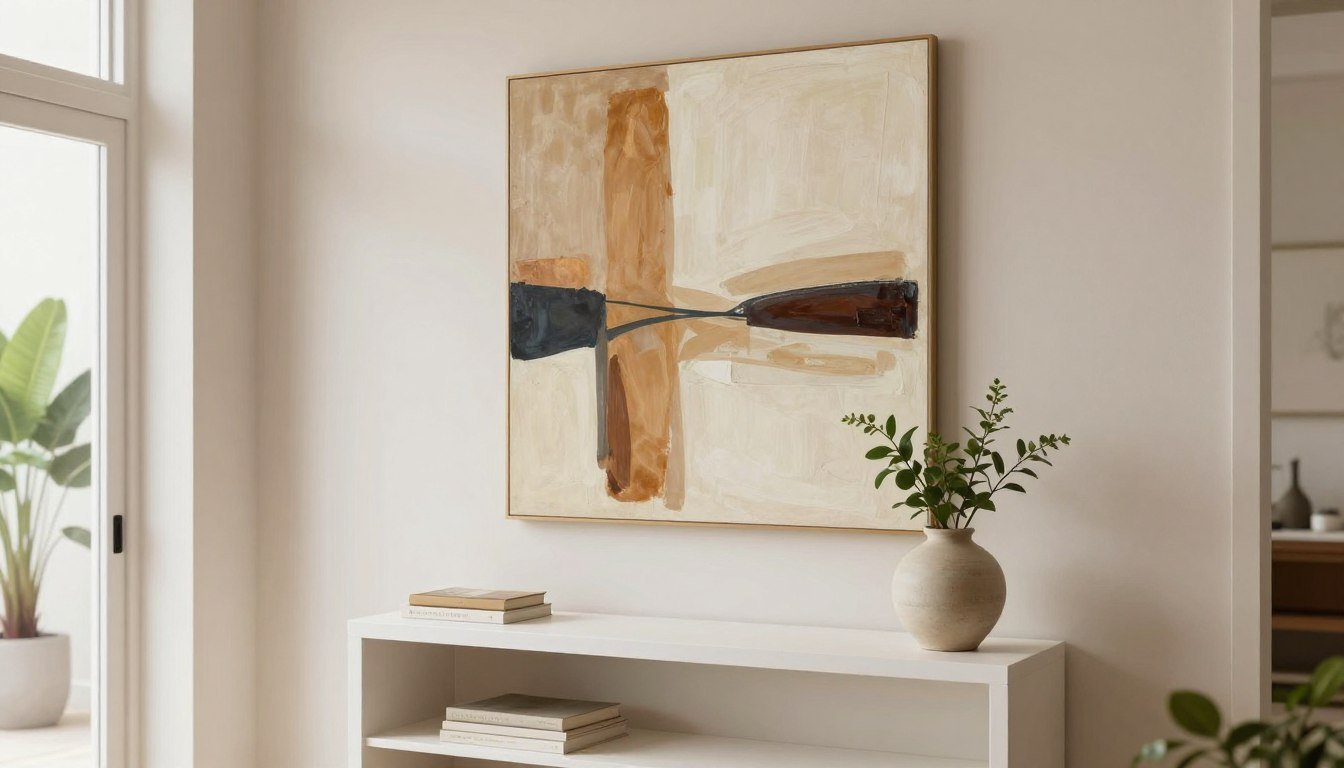
Abstract canvas prints bring contemporary energy to dining spaces. These pieces work exceptionally well in modern and transitional homes where clean lines meet creative expression. The beauty of abstract art lies in its ability to complement rather than compete with your existing decor.

When selecting abstract pieces, consider how colors interact with your dining room walls and furniture. A gallery-quality abstract print using archival inks ensures your investment maintains its vibrancy for years. Look for pieces that pull accent colors from your space while introducing new tones that elevate the overall palette.
Bold Geometric Patterns
Geometric abstracts create visual rhythm in contemporary dining rooms. Sharp lines and structured compositions pair beautifully with modern furniture pieces.

Soft Organic Shapes
Fluid, organic abstracts soften dining spaces with hard edges. These pieces introduce movement and warmth without overwhelming the room.

The abstract canvas prints collection offers diverse styles from minimalist geometric designs to expressive brushwork. Each piece arrives hand-stretched on canvas with your choice of pine wood frame or oak floater frame options.

Choosing the Right Abstract Style
Your abstract art selection should align with the mood you want to create. Colorful canvas prints energize spaces where you entertain frequently. Subdued palettes create intimate atmospheres perfect for quiet family dinners.

Consider texture in your selection process. Some abstract pieces feature visible brushstrokes that add dimensional interest. Others present smooth, digital-inspired designs that complement ultra-modern aesthetics.
Gallery Wall Arrangements That Make a Statement
A gallery wall transforms your dining room into a curated art space. This approach works particularly well when you have multiple pieces you love or want to create a collected-over-time aesthetic.

The key to successful gallery walls lies in planning. Measure your dining room wall space carefully and lay out pieces on the floor first. This lets you experiment with arrangements before committing to nail holes.
Symmetrical Gallery Arrangements
Symmetrical layouts create formal, balanced looks ideal for traditional dining rooms. Four to six pieces of similar size arranged in a grid pattern establish order and elegance.

Asymmetrical Organic Layouts
Asymmetrical arrangements feel collected and personal. Mix different sizes and orientations while maintaining visual balance through color and spacing. This style suits eclectic and transitional spaces.

The spacing between pieces matters as much as the art itself. Maintain 2-3 inches between frames for gallery walls. This creates breathing room while keeping the collection cohesive.
Grid Layout

Perfect for modern spaces with matching frames and consistent subject matter. Creates strong visual impact through repetition.
Salon Style

Dense arrangements with varied sizes create collected-over-time charm. Works beautifully in traditional and eclectic dining rooms.
Linear Arrangement

Pieces aligned along a central horizontal line work well in narrow spaces or above long dining tables. Maintains cohesion through alignment.
For black and white canvas prints, gallery walls create sophisticated monochromatic statements. The absence of color lets you focus on composition, subject matter, and texture.
Large-Scale Artwork for Dramatic Impact
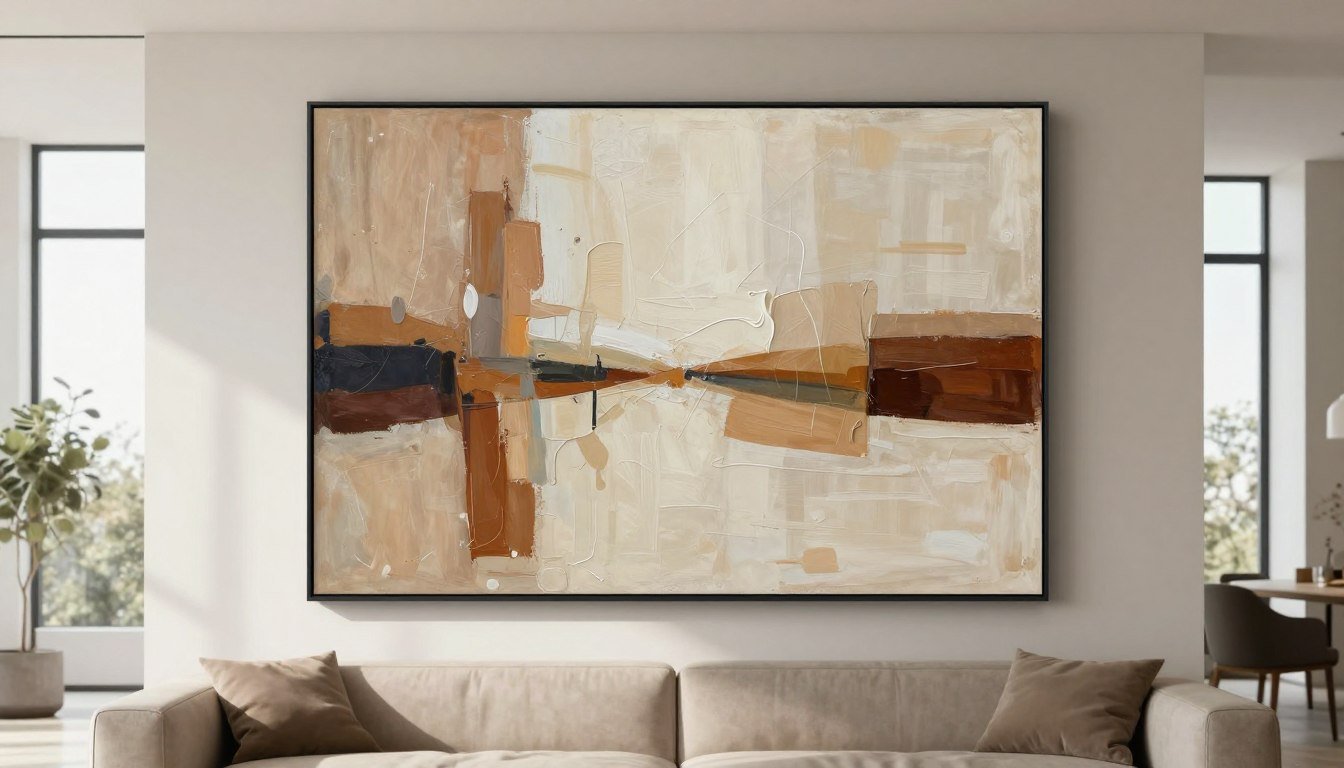
Large canvas prints make powerful single-piece statements. One oversized artwork commands attention and simplifies your design decisions. This approach works exceptionally well in contemporary dining rooms with ample wall space.

Scale matters significantly in dining rooms. A piece that's too small creates a disconnected look, while properly sized artwork anchors the space. The general rule suggests artwork should span two-thirds to three-quarters of your dining table width.
Determining Proper Size
Measure your dining table length and multiply by 0.66 to find your minimum artwork width. For a 72-inch table, you'd want art at least 48 inches wide. This proportion creates visual harmony between your table and wall decor.

Height placement affects how your dining space feels. Hang artwork so the center sits at eye level, typically 57-60 inches from the floor. In dining rooms where people are usually seated, you can go slightly lower.

Statement Pieces for Different Styles
Your dining room style determines which large-scale pieces work best. Modern spaces benefit from bold abstracts or minimalist photography. Traditional rooms pair beautifully with classic landscapes or figurative work.
Modern Minimalist Spaces
Clean lines and negative space define modern dining rooms. Choose large-scale pieces with simple compositions and limited color palettes.

Traditional Elegant Settings
Classic dining rooms accommodate more detailed, layered artwork. Figurative pieces or richly colored abstracts complement ornate furniture.

The large canvas prints collection offers pieces specifically designed for statement walls. Each print uses UV-resistant inks that maintain color integrity even in rooms with significant natural light exposure.

Vertical vs. Horizontal Orientation
Horizontal pieces emphasize width and work well above long dining tables. Vertical artwork draws the eye upward, making rooms with lower ceilings feel taller. Consider your room proportions when choosing orientation.

Color Coordination Between Art and Design
Color creates cohesion between your artwork and dining space. The most successful dining rooms feature art that shares tones with furniture, lighting fixtures, or accent pieces while introducing fresh colors that elevate the palette.

Start by identifying your room's existing color scheme. Pull paint swatches, fabric samples, or photos of your furniture. This visual reference helps when browsing art options online or in galleries.
Complementary Color Schemes
Complementary colors sit opposite each other on the color wheel. Blue artwork pops against warm orange-toned wood furniture. Purple pieces complement yellow accents. This approach creates vibrant, energetic dining spaces.

Analogous Color Harmony
Analogous colors neighbor each other on the color wheel. Blues, greens, and teals create serene, cohesive looks. Reds, oranges, and yellows generate warm, inviting atmospheres. This technique feels naturally harmonious.

Don't fear introducing new colors through art. A dining room with neutral walls and furniture becomes a canvas for bold, colorful canvas prints. This allows easy updates when you want to refresh your space without major renovations.

Neutral Base + Bold Art
Let artwork introduce all your color while keeping walls, floors, and large furniture neutral. This maximizes flexibility.

Monochromatic Depth
Use art in the same color family as your room but in different shades. Creates sophisticated, layered looks.

Triadic Balance
Three colors equally spaced on the color wheel create balanced, dynamic spaces. Requires careful distribution across art and decor.
Consider how lighting affects color perception. Natural light changes throughout the day, altering how your artwork appears. Test prints in your actual space if possible, viewing them in morning, afternoon, and evening light conditions.

Seasonal Color Transitions
Some homeowners enjoy shifting their dining room's mood seasonally. Lighter, brighter pieces work beautifully in spring and summer. Deeper, richer tones create cozy fall and winter atmospheres.

Seasonal Rotation and Flexible Styling
Treating your dining room walls as a flexible gallery space keeps your home feeling fresh. Rotating artwork seasonally or when your mood shifts requires planning but offers significant design rewards.

Invest in quality made-to-order pieces that work in multiple rooms. A piece that starts in your dining room might later move to a bedroom or living space as your needs evolve. This approach maximizes your art investment.
Creating an Art Rotation System
Build a small collection of pieces that share similar dimensions but offer different moods. Three to five pieces give you rotation options without requiring extensive storage space.

Store artwork properly between rotations. Keep pieces in cool, dry places away from direct sunlight. Original packaging works well, or invest in archival storage materials for valuable pieces.
Multi-Room Art Flow
Consider how artwork might flow between your dining room and adjacent spaces. A piece that complements both your dining area and living room offers versatility. This works especially well in open-concept homes.

The modern wall art collection features versatile pieces designed to work across different spaces. Each canvas arrives ready to hang with included hardware.
Testing Before Committing
Before making holes in your walls, create templates from paper or cardboard matching your artwork dimensions. Tape these to your wall to visualize placement, size, and arrangement. Live with the templates for a few days.

This testing phase reveals how natural light hits the space at different times. You'll notice whether furniture placement feels balanced with your planned artwork. Adjustments become simple before permanent installation.
Frequently Asked Questions
Q: What type of art is best for dining rooms?
A: Abstract canvas prints and nature-inspired artwork work exceptionally well in dining rooms. Choose pieces that create conversation without overwhelming the space. Gallery-quality prints with archival inks ensure longevity, especially important in rooms where people gather frequently. Consider your dining room's primary function—formal entertaining versus casual family meals—when selecting art style and tone.
Q: How do I choose the right size wall art for my dining room?
A: Measure your dining table length and multiply by 0.66 to 0.75 for ideal artwork width. For a 60-inch table, select art between 40-45 inches wide. Height matters too—artwork should fill vertical wall space proportionally without touching the ceiling or furniture below. Our free Wall Art Size Calculator simplifies this process by providing specific recommendations based on your exact measurements.
Q: Should dining room art match my decor exactly?
A: Art should complement rather than match your decor exactly. Pull 1-2 colors from your artwork that echo existing room tones while allowing the piece to introduce fresh colors. This creates visual interest without clashing. Think of art as the element that ties your space together rather than simply repeating what's already there.
Q: How high should I hang artwork above my dining table?
A: Hang artwork 6-12 inches above your dining furniture, with the piece's center approximately 57-60 inches from the floor. This standard gallery height works for most spaces. In rooms where people spend most time seated, you can go slightly lower. Always consider sightlines from both standing and seated positions when finalizing placement.
Q: Can I use bedroom or living room art in my dining room?
A: Absolutely. Many canvas prints work beautifully across multiple rooms. Abstract pieces, landscapes, and geometric designs transition seamlessly between spaces. The key lies in ensuring the artwork's scale fits your dining room wall and its colors complement the room's palette. This versatility makes quality art pieces valuable long-term investments.
Your dining room deserves artwork that makes every meal feel special. Whether you choose a bold single statement piece or carefully curate a gallery wall, the right art transforms how your space feels and functions. Color, scale, and placement work together to create rooms where people want to linger.
The journey from blank wall to beautifully styled dining space begins with understanding your room's proportions, identifying your color preferences, and selecting pieces that resonate with your personal style. Quality matters—investing in gallery-quality canvas prints with hand-stretched canvas and proper framing ensures your dining room looks stunning for years.
Explore our canvas prints collection to find pieces that elevate your dining space with sophisticated style and lasting quality.


Leave a comment
This site is protected by hCaptcha and the hCaptcha Privacy Policy and Terms of Service apply.