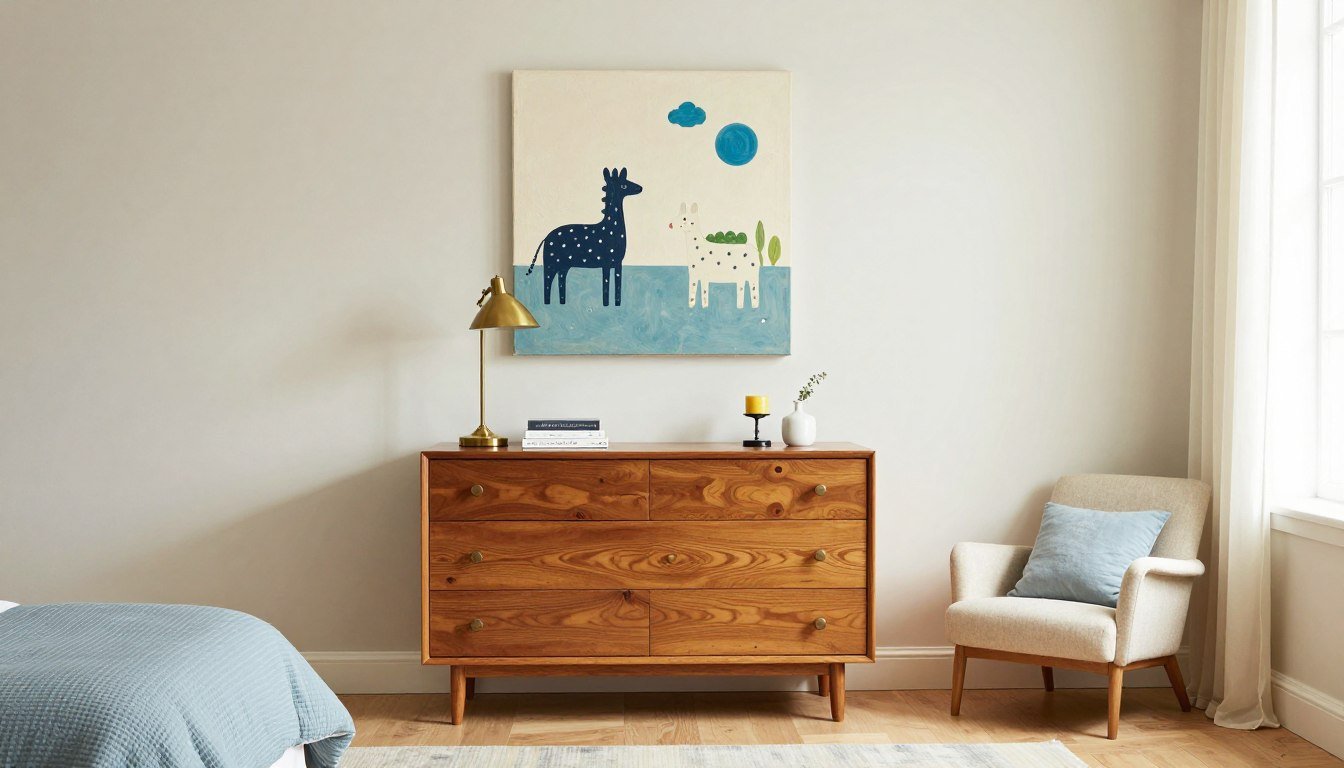
Creating a unique space for your child doesn't require a massive budget or brand-new furniture. Thrift stores and antique shops offer hidden treasures that bring character and charm to any room. The key lies in thoughtful curation rather than random collecting. With the right approach, you can transform second-hand pieces into a cohesive themed room that reflects your child's personality while staying budget-friendly.
This guide walks you through the entire process. You'll learn how to choose a theme, hunt for the perfect vintage pieces, and blend old with new. The result is a space that feels both timeless and personal.
Choosing the Perfect Theme for Your Child's Room

The first step in curating a themed room from thrift antique shops is selecting a clear direction. Your theme acts as a filter when browsing stores. Without one, you'll bring home beautiful items that don't work together.
Consider your child's interests and age. A nautical theme works beautifully for ocean lovers. Vintage botanical prints suit nature enthusiasts. Storybook themes appeal to younger children. The theme should have staying power as your child grows.
Popular Vintage-Friendly Themes
Classic Adventure
This timeless style incorporates vintage maps, globes, and travel memorabilia. Thrift stores often stock old suitcases and brass accessories perfect for this aesthetic.
- Vintage world maps and atlases
- Antique wooden trunks
- Brass telescopes and compasses
- Retro travel posters
Garden Sanctuary
Botanical themes thrive with vintage elements. Look for wood furniture with natural patina and floral textiles from flea markets.
- Vintage botanical prints
- Wicker baskets and furniture
- Antique gardening tools as decor
- Floral vintage fabrics
Storybook Magic
Create an enchanted space using vintage storybooks, antique toys, and whimsical accessories. This theme works exceptionally well with thrifted items.
- Classic children's book collections
- Vintage wooden toys
- Antique picture frames
- Old-fashioned reading lamps
Modern Farmhouse
This popular style blends rustic vintage pieces with clean modern lines. Thrift stores are goldmines for authentic farmhouse finds.
- Distressed wood furniture
- Vintage metal signs
- Antique quilts and textiles
- Enamelware and crocks
Once you've chosen your theme, create a mood board. Collect images that inspire you. Note specific colors, textures, and furniture styles. This visual reference keeps you focused when shopping at kids room canvas prints or browsing thrift aisles.
Anchor Your Vintage Finds with Modern Art
When curating with thrifted pieces, canvas prints provide the perfect anchor point. They tie together disparate vintage items through cohesive color and style. Here are three pieces that complement thrifted children's room decor beautifully.

Whimsical Woodland Friends
Soft animal illustrations in muted tones complement vintage wood furniture. These prints add a modern touch without clashing with thrifted brass lamps or antique dressers.

Botanical Line Art
Clean botanical designs work perfectly with garden-themed vintage finds. They provide modern simplicity that lets your thrifted items shine.

Soft Geometric Abstracts
Geometric patterns in gentle colors bridge the gap between vintage pieces and contemporary design. They add visual interest without overwhelming thrifted treasures.
Developing Your Color Palette Before Shopping

Color is your most powerful tool when curating themed rooms with thrift store finds. A defined palette prevents impulse purchases that don't fit your vision. It also helps you spot perfect pieces quickly in crowded stores.
Start with three to four main colors. Choose one dominant color, one or two supporting shades, and an accent. Vintage pieces often feature unique patinas and worn finishes. Your color scheme should accommodate these variations rather than demand perfect matches.
Building a Flexible Color Strategy
Natural wood tones work as neutrals in vintage-heavy spaces. They don't compete with your chosen color palette. Look for furniture with similar wood finishes even if exact matches are impossible. Walnut, oak, and pine each bring different warmth levels to a room.
Brass and metal accents should stay consistent in finish. Mixing polished brass with oil-rubbed bronze creates visual confusion. Thrift stores often stock items like lamps, picture frames, and accessories. Stick to one metal family throughout your space.
Textiles offer flexibility within your palette. Vintage fabrics rarely match perfectly. Instead, look for pieces that share undertones. A faded floral rug and striped curtains can coexist if both feature similar warm or cool bases. This approach creates cohesion without rigid matching.
Warm Vintage Palettes
- Cream, rust, and gold create cozy spaces
- Terracotta accents add earthiness
- Honey wood tones provide warmth
- Vintage brass accessories enhance the palette
Cool Vintage Palettes
- Soft blue, gray, and white feel serene
- Sage green adds natural elements
- Silver and chrome accessories stay crisp
- Weathered painted furniture fits perfectly
Take paint chips or fabric swatches when visiting thrift stores. Hold them against potential purchases. This simple trick saves you from bringing home items that almost work. Near matches often clash more than complementary contrasts.
Consider how kids room wall art can establish your palette. Canvas prints in your chosen colors guide other purchasing decisions. They also provide a modern anchor point that prevents the space from feeling too dated.
Mastering Your Thrift Store and Antique Shop Strategy

Success at thrift stores and antique shops requires strategy. Random browsing wastes time and leads to unfocused purchases. Develop a systematic approach that maximizes your chances of finding perfect pieces.
Visit stores often but shop selectively. Inventory turns over constantly at thrift stores. What's available today won't be there next week. Regular visits increase your odds of spotting ideal items. However, frequency doesn't mean buying every visit. Patience prevents settling for almost-right pieces.
Where to Find the Best Vintage Pieces
Different stores offer different advantages. Thrift stores often have lower prices but require more digging. Antique shops curate their inventory but charge premium prices. Flea markets fall somewhere in between. Understanding each venue helps you allocate your time and budget effectively.
- Best for furniture and large items
- Lowest prices on average
- High turnover means frequent visits pay off
- Quality varies significantly
- Requires thorough inspection for damage
Thrift Stores
- Better quality control and curation
- Knowledgeable staff can source specific items
- Higher prices but less risk
- Great for statement pieces
- Items often cleaned and repaired
Antique Shops
- Negotiable pricing opportunities
- Unique one-of-a-kind finds
- Seasonal availability in many areas
- Best for accessories and smalls
- Cash transactions often get discounts
Flea Markets
What to Look for and What to Avoid
Examine furniture structure before aesthetics. Wobbly legs and loose joints require skills or money to repair. Surface issues like scratches or outdated finishes are easily fixed. A solid wood dresser with ugly paint is a better buy than a gorgeous veneer piece with structural problems.
Smell items before purchasing. Musty odors from mold or smoke penetrate wood and fabric deeply. These smells rarely disappear completely. Pass on pieces with strong odors no matter how perfect they seem otherwise.
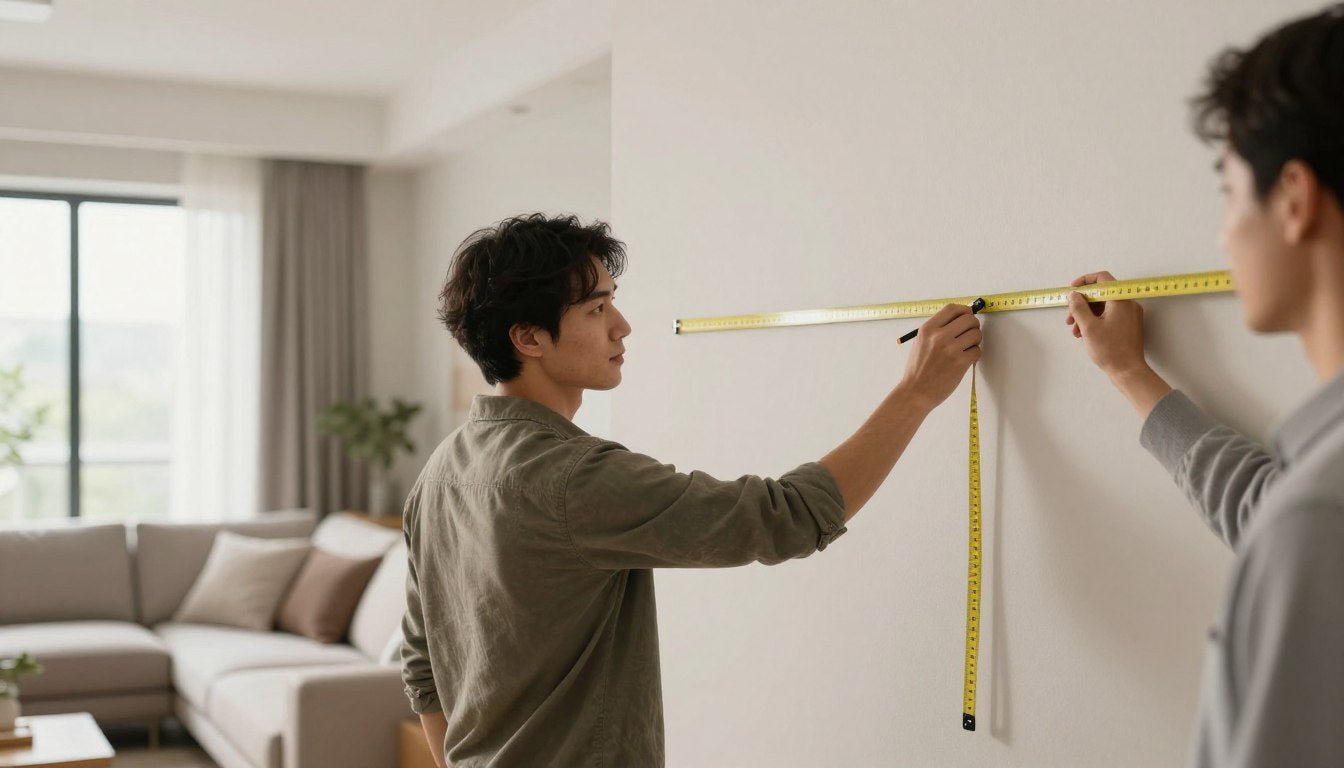
Measure everything and measure your space. Bring a tape measure to every thrift store visit. Vintage furniture often runs smaller or larger than modern equivalents. A coffee table that looks perfect in the store may overwhelm your actual living space at home.
- Solid wood furniture is worth the investment
- Brass and metal items clean up beautifully
- Vintage textiles add instant character
- Picture frames offer easy updates with new art
- Lamps provide both function and style
- Baskets and storage pieces stay practical
Avoid particle board furniture unless the price is nearly free. It doesn't age well and won't survive moves or refinishing. Similarly, skip upholstered pieces with stains or tears unless you plan to reupholster. Professional reupholstery often costs more than new furniture.
Building Your Furniture Foundation First

Start your curation with major furniture pieces. These anchors define your room's style and take the most time to find. Once your bed, dresser, and primary seating are secured, smaller pieces fall into place more easily.
Prioritize quality over perfection. A solid wood bed frame in good condition beats waiting months for the ideal vintage piece. You can always replace items later. Getting the room functional matters more than achieving magazine-perfect aesthetics immediately.
Essential Furniture Pieces to Hunt For
Beds and bed frames are surprisingly common at thrift stores and antique shops. Look for solid wood construction and classic designs. Simple styles adapt to changing themes as your child grows. Ornate headboards may suit current tastes but limit future flexibility.
Dressers represent the best value in vintage furniture. Quality drawers with dovetail joints outlast modern alternatives. Check that drawers slide smoothly and hardware is intact or easily replaceable. A dated finish can be painted or refinished to match your aesthetic.
Desks and tables should prioritize function. Inspect surfaces for damage that might interfere with homework or activities. Minor scratches add character. Deep gouges or water damage that affects usability are deal-breakers. Remember that you can refinish surfaces but can't easily fix structural issues.

Desks and Work Surfaces
Look for sturdy construction and appropriate height. Vintage school desks work wonderfully for younger children. Larger writing desks grow with kids through teenage years.

Storage Solutions
Bookshelves, trunks, and cabinets provide necessary organization. Vintage storage often features better construction than modern equivalents. Mix open and closed storage for visual interest.
Seating adds comfort and style. Vintage chairs, especially wooden ones, are abundant and affordable. Cushions can be recovered easily. Avoid upholstered seating unless you're confident in its cleanliness and structural integrity. Small accent chairs work better than large pieces in children's rooms.
Once you've secured major furniture, step back and assess. Your room should feel balanced without overcrowding. Children need open floor space for play. Resist filling every corner just because you found great deals. Intentional curation beats excessive accumulation every single time.
Match Your Theme to the Perfect Canvas Collection
Now that you've established your furniture foundation, art brings everything together. Browse curated collections designed to complement vintage aesthetics while adding contemporary flair. Each collection offers coordinated pieces that work beautifully with thrifted treasures.
Layering Accessories and Personality

Accessories transform a collection of furniture into a curated space. These smaller items inject personality and complete your theme. Thrift stores excel at providing affordable accessories in vintage styles that would cost significantly more when purchased new.
Layer items at different heights and depths. A flat arrangement lacks visual interest. Use books, small boxes, or risers to create levels on surfaces like dressers and shelves. This technique makes collections feel intentional rather than cluttered.
Key Accessory Categories for Themed Rooms
Lighting sets mood and provides necessary function. Table lamps and floor lamps from thrift stores often feature unique bases in brass, ceramic, or wood. Rewiring old lamps is inexpensive and straightforward. New shades update the look instantly while preserving vintage character.
Wall decor fills vertical space affordably. Vintage mirrors expand small rooms visually. Old picture frames can be painted to match your palette and filled with modern line art canvas prints. Antique plates or decorative items mounted on walls create interesting focal points.
- Rugs anchor spaces and add comfort underfoot
- Throw pillows introduce pattern and color
- Curtains soften windows and control light
- Baskets provide attractive storage solutions
- Vintage books add color and texture to shelves
- Decorative objects tell stories and spark imagination
Creating Vignettes That Tell Stories
Group accessories in purposeful arrangements called vignettes. A small collection of vintage toy cars displayed on a shelf tells a different story than those same cars scattered randomly. Intentional groupings feel curated. Random placement looks cluttered.
Use the rule of three when arranging items. Three objects of varying heights create pleasing visual triangles. This principle works for bookshelf styling, dresser tops, and nightstand arrangements. Odd numbers generally appear more dynamic than even groupings.
Textiles add softness essential in children's spaces. Vintage quilts, even those with minor wear, make beautiful wall hangings. Antique lace or embroidered pieces can be framed as art. Flea markets often have bins of vintage fabric sold by the pound, perfect for DIY projects like pillow covers or curtains.
Don't forget functional accessories. Vintage alarm clocks still work and add character to nightstands. Old trunks provide storage while serving as coffee tables or benches. Antique coat racks keep clothes organized while functioning as sculptural elements.
Edit ruthlessly as you accessorize. More isn't better when curating spaces. Each item should earn its place by contributing to your theme or serving a function. Remove anything that doesn't meet these criteria. Negative space lets important pieces breathe and prevents visual overwhelm.

Mixing Vintage and Modern Elements Successfully

The most successful vintage-curated rooms blend old and new elements. Pure vintage spaces can feel frozen in time or like museum displays. Strategic modern additions keep rooms feeling current and livable. This balance is especially important in children's rooms that must function for everyday life.
Modern artwork provides the easiest vintage-modern bridge. Contemporary black and white canvas prints complement vintage wood tones beautifully. Graphic modern pieces add visual punch against vintage furniture's softer lines. This contrast creates dynamic, interesting spaces.
Where to Add Modern Touches
Bedding should lean modern for practical reasons. Vintage quilts make beautiful decorative throws but aren't ideal for everyday use. Contemporary bedding in colors matching your palette feels fresh while coordinating with vintage furniture. Washable modern fabrics also handle the realities of childhood better than delicate antiques.
Technology integration requires modern solutions. Lamps with USB ports, modern power strips, and contemporary storage for devices all serve necessary functions. Don't fight these requirements. Instead, choose modern tech accessories in neutral colors that don't compete with your vintage pieces.
Modern Art
Canvas prints in contemporary styles prevent vintage spaces from feeling dated. They cost less than framing vintage pieces and can be changed as tastes evolve.
Contemporary Textiles
New curtains, rugs, and bedding in your color palette add freshness. They're also practical for actual daily use and easy washing.
Updated Lighting
LED bulbs in vintage lamps provide better light quality and energy efficiency. Modern task lighting serves functional needs without clashing aesthetically.
The 80/20 Rule for Vintage Mixing
Aim for roughly 80% vintage or vintage-inspired pieces with 20% clearly modern elements. This ratio maintains your vintage theme while preventing the room from feeling like a time capsule. The modern 20% should include practical items your child uses daily.
Scale matters when mixing eras. Pair chunky vintage furniture with delicate modern accessories, or vice versa. This contrast creates visual interest. All-heavy or all-delicate pieces lack the tension that makes spaces dynamic. Think about how a modern geometric rug might anchor a room of curved vintage furniture.
Color unifies disparate styles and eras. A strictly maintained palette allows you to mix pieces that wouldn't otherwise work together. A modern lamp in your accent color relates to a vintage dresser in your base color through their shared scheme. This connection creates cohesion despite different design periods.
Budget Planning and Smart Spending Strategies

Curating a themed room from thrift and antique shops saves money compared to buying new furniture. However, costs add up quickly without a plan. Smart budgeting ensures you create a beautiful space without overspending or compromising on quality.
Allocate your budget based on priority and permanence. Invest more in furniture pieces you'll keep for years. Spend less on accessories that can be swapped easily. A quality vintage dresser justifies a higher price. Decorative items should stay affordable since tastes and themes change over time.
Sample Budget Breakdown
| Category | Budget Percentage | Example Amount ($500 Budget) | Priority Level |
| Major Furniture (Bed, Dresser, Desk) | 40% | $200 | High |
| Lighting (Lamps, Fixtures) | 15% | $75 | Medium-High |
| Textiles (Rug, Curtains, Bedding) | 20% | $100 | Medium |
| Wall Art and Decor | 15% | $75 | Medium |
| Accessories and Storage | 10% | $50 | Low-Medium |
Money-Saving Strategies at Thrift Stores
Visit stores on discount days. Many thrift stores offer color tag sales or percentage-off days weekly. Learning these schedules multiplies your buying power. A 50% off day effectively doubles your budget for qualifying items.
Negotiate at antique shops and flea markets. Prices often have flexibility, especially for multiple items or cash purchases. Polite negotiation can save 10-20% on bigger pieces. Build relationships with dealers who may offer first looks at new inventory or better pricing for repeat customers.
- Shop seasonally for best deals on furniture
- Bring cash for better negotiating power
- Buy items needing minor repairs at deep discounts
- Shop estate sales for complete room sets
- Follow favorite stores on social media for sale announcements
- Consider slightly damaged items you can repair or repurpose
DIY projects stretch budgets significantly. Painting furniture costs only the price of paint and supplies. Reupholstering chair seats with fabric from flea markets costs less than buying new chairs. Simple repairs like tightening screws or adding drawer pulls transform pieces inexpensively. These small investments of time save substantial money.
Balance thrift shopping with select new purchases. Some items make more sense to buy new. Mattresses for safety and hygiene. Window treatments sized exactly for your windows. Modern bedroom canvas prints that precisely match your color scheme. Allocate budget for these strategic new purchases within your overall plan.
Visual Inspiration: Curating with Vintage Finds
Sometimes seeing the process in action helps clarify the curation approach. This video demonstrates how individual vintage pieces come together to create cohesive themed spaces. Notice how color, scale, and intentional placement transform random finds into purposeful design.
The principles shown here apply to any theme and any budget. Focus on the decision-making process rather than specific items. Understanding why pieces work together matters more than copying exact looks. Your space should reflect your child's personality and your collected treasures.
Styling Tips for a Cohesive, Professional Look

Curation extends beyond selecting individual pieces. How you arrange and style items determines whether a room feels professionally designed or haphazardly decorated. Small adjustments in placement and composition make significant visual differences.
Create focal points that draw the eye intentionally. In children's rooms, the bed typically serves as the primary focal point. Style it with attention-grabbing elements like a statement headboard or eye-catching wall art above. Other furniture and accessories should support rather than compete with this anchor.
Professional Styling Techniques
Balance visual weight across the room. Heavy, dark furniture on one side with nothing substantial opposite creates a lopsided feeling. Distribute larger pieces around the space evenly. Use artwork or mirrors to add visual weight to lighter areas.
Vary heights to create visual rhythm. All accessories sitting at the same level feels flat. Stack books to elevate items. Hang art at different heights. Use floor lamps, table lamps, and wall sconces together for layered lighting at multiple levels. This variation guides the eye around the room naturally.
Color Distribution
Repeat your accent color at least three times throughout the room. This repetition creates cohesion and intentionality. If your accent is yellow, include it in wall art, a throw pillow, and a decorative object. The eye recognizes this pattern as deliberate design.
- Use your dominant color on largest surfaces
- Apply supporting colors in medium-sized items
- Add accent colors in smallest accessories
- Keep neutral tones for visual rest areas
Texture Mixing
Combine different textures for sensory richness. Smooth wood furniture pairs beautifully with nubby woven baskets. Soft textiles contrast with hard brass accessories. This variety prevents monotony and adds sophisticated layering to your design.
- Mix rough and smooth surfaces
- Combine matte and shiny finishes
- Layer soft textiles over hard furniture
- Include natural materials like wood and metal
The Power of Negative Space
Empty space is as important as filled areas. Overcrowding makes rooms feel chaotic and smaller. Leave some surfaces clear. Allow wall space to breathe between art pieces. This restraint paradoxically makes the room feel more luxurious and intentional.
The eye needs places to rest between points of interest. If every corner holds something demanding attention, nothing stands out. Identify your three to five most important elements in the room. Make sure these have space to shine without competition from unnecessary items.
Editing is an ongoing process. Live with your space for a few weeks before declaring it complete. You'll notice what feels overwhelming or what areas need more interest. Remove pieces that don't serve your vision. Add items to bare spots that need warmth. Curation is iterative rather than one-and-done.
Maintaining and Evolving Your Curated Space

A curated room isn't static. Children's needs and interests change as they grow. Your vintage-based design should evolve without requiring complete overhauls. Planning for adaptation from the start saves money and frustration over time.
Choose foundational furniture with longevity. Classic designs in quality materials transition through different life stages. A solid wood dresser works equally well in a toddler's room and a teenager's space. Theme-neutral furniture provides flexibility as interests change from dinosaurs to sports to music.
Simple Updates That Refresh the Look
Swap accessories and art rather than furniture. New canvas prints transform a room's feeling without major expense or effort. Changing wall art takes minutes but dramatically updates the aesthetic. This approach lets you honor evolving tastes without starting over.
Update textiles for instant refreshment. New curtains, bedding, or a different rug shifts the entire color story. These changes cost less than furniture and require no special skills. Keep your vintage pieces as anchors while rotating softer elements around them.
- Replace artwork as interests mature
- Update lighting fixtures for different moods
- Rotate decorative accessories seasonally
- Refresh paint colors on furniture pieces
- Add or subtract pieces as needs change
- Reorganize layouts for different functional requirements
Caring for Vintage Pieces
Proper maintenance preserves your thrifted treasures. Wood furniture needs occasional conditioning with appropriate oils or waxes. This prevents drying and cracking while maintaining beautiful patina. Avoid harsh cleaners that strip original finishes unless you plan to refinish completely.
Clean brass and metal accessories with gentle polishes or natural solutions. Many antique dealers recommend ketchup or lemon juice for stubborn tarnish. Don't over-polish items meant to show age. Some patina adds character and authenticity. Only restore shine on pieces where brightness matters.
Address repairs promptly before small issues become major problems. Tighten loose screws immediately. Fix sticking drawers before tracks wear further. These simple maintenance tasks extend the life of vintage furniture indefinitely. Quality pieces from thrift stores can last generations with basic care.
Document your room's evolution through photos. This record helps you see what works and what doesn't over time. Photos also provide inspiration for future projects or help friends seeking similar aesthetics. Share your design journey to inspire others and connect with like-minded vintage enthusiasts.
Complete Your Curated Space with Museum-Quality Art
You've sourced beautiful vintage furniture and accessories. Now add the finishing touches that tie everything together. Our ready-to-hang canvas prints complement thrifted treasures perfectly while adding contemporary polish. Every piece ships free worldwide and arrives ready to transform your space immediately.

Why Our Canvas Prints Work with Vintage Design
- Museum-quality materials that honor timeless design
- Ready-to-hang convenience with all hardware included
- Curated collections matching popular vintage themes
- Free worldwide shipping to your door
- Sizes scaled perfectly for children's rooms

Collections Perfect for Vintage Spaces
Browse themed collections designed to complement your curation efforts. Each print works beautifully with antique furniture while adding fresh, modern energy.
Common Challenges and How to Solve Them

Even experienced thrifters encounter challenges when curating themed rooms. Understanding common pitfalls helps you avoid them. Most issues have simple solutions once you recognize the underlying problem.
Issue: The Room Feels Cluttered Despite Organization
Too many accessories create visual noise even when neatly arranged. The solution is ruthless editing. Remove half your decorative items and live with the space for a week. You'll likely find the emptier version more peaceful. Add back only pieces you genuinely miss. This exercise reveals what truly matters in your design.
Scale problems also cause cluttered feelings. Tiny accessories on large furniture disappear and require quantity to register visually. Instead, use fewer larger items that have proper presence. One substantial lamp beats three small decorative objects every single time.
Issue: Colors Don't Work Together
Vintage items rarely match perfectly, but they should harmonize. If your room feels discordant, revisit undertones. Cool-toned blues fight warm-toned blues. Identify whether your pieces skew warm or cool. Remove outliers that clash with the dominant temperature.
Add neutral bridges between competing colors. Cream, gray, or natural wood tones create visual rest between strong colors. These neutrals help disparate shades coexist peacefully. Consider adding black and white artwork as a sophisticated neutral anchor.
Solutions That Work
- Edit accessories down to essential favorites
- Choose larger-scale decor items
- Stick to consistent color undertones
- Add neutral elements as visual bridges
- Group small items instead of scattering them
- Use artwork to establish color relationships
Approaches to Avoid
- Buying items just because they're cheap
- Forcing pieces to work that clearly don't
- Ignoring scale and proportion issues
- Collecting without editing regularly
- Matching everything exactly (too matchy)
- Following trends instead of timeless design
Issue: The Space Doesn't Feel Kid-Friendly
Vintage pieces can skew formal or adult if not balanced carefully. Add playful elements that clearly signal this is a child's space. Colorful accessories, fun artwork, and dedicated play areas prevent the room from feeling like a museum.
Make sure furniture serves actual childhood needs. A beautiful antique desk doesn't help if it's too tall for homework. Gorgeous storage trunks frustrate if they're too heavy for kids to open. Function must match form in children's spaces. Adjust or replace pieces that don't work practically regardless of their aesthetic appeal.
Issue: You Can't Find Specific Items You Need
Thrift shopping requires flexibility since inventory is unpredictable. If you can't find a specific piece, broaden your criteria. Looking for a blue dresser but only finding brown? Paint transforms wood furniture easily. Need a certain size but finding larger pieces? Sometimes editing a bigger item works better than waiting indefinitely for the perfect dimensions.
Mix sources when necessary. Not everything must come from thrift stores. Combine vintage finds with strategic new purchases. Original paintings or quality reproductions add unique character when vintage art proves elusive. The goal is a cohesive look, not pure vintage authenticity.
Seasonal Thrifting Strategies for Better Finds

Thrift store inventory follows seasonal patterns. Understanding these cycles helps you shop strategically. Timing your visits maximizes the quality and quantity of available items in your target categories.
Spring and fall see the most inventory turnover. These seasons coincide with major life transitions like moving, college breaks, and spring cleaning. Furniture and home goods flood thrift stores during these peak times. Plan major shopping trips around these periods for best selection.
Best Times to Find Specific Items
Back-to-school season in late summer brings desks, chairs, and kids' furniture. Parents donate outgrown pieces when upgrading for new school years. This timing is perfect for finding study furniture and organizational pieces.
January and February offer surprising opportunities. Post-holiday decluttering motivates donations. People also donate items received as unwanted gifts. Home decor items appear in abundance as recipients offload things that don't match their aesthetic.
- Peak furniture inventory from moves
- Garden decor and outdoor items
- Spring cleaning donations increase
- Best time for large furniture pieces
- Home decor selection expands significantly
Spring (March-May)
- Back-to-school furniture appears late summer
- Vacation homes yield unique finds
- Estate sales peak during this season
- Lighter inventory early summer
- Best deals as stores make room for fall
Summer (June-August)
- Second peak season for moves
- Back-to-school office furniture
- Pre-holiday decluttering begins
- Excellent time for complete room sets
- High-quality items before holidays
Fall (September-November)
- Post-holiday donations in January
- Lighter inventory in December
- New Year decluttering brings treasures
- Less competition from other shoppers
- Best negotiating leverage in slow periods
Winter (December-February)
Day-of-Week Shopping Strategies
Weekday mornings offer the best selection with less competition. Weekend warriors and bargain hunters crowd stores on Saturdays. Early weekday visits give you first access to new inventory before picked-over weekends.
Monday and Tuesday mornings are ideal. Weekend donations get processed and hit the floor early in the week. You'll see fresh items before most shoppers even think about visiting. This timing advantage is especially valuable in competitive thrift markets.
However, don't completely ignore weekends. Some stores stock heavily on Friday afternoons for weekend traffic. Estate sale finds also often arrive on Saturdays. Balance weekday hunting with occasional weekend visits for comprehensive coverage.
Safety and Quality Considerations for Children's Rooms

Children's safety always trumps aesthetic preferences. Vintage furniture requires extra scrutiny since it predates modern safety standards. Knowing what to inspect protects your child while allowing you to incorporate beautiful antique pieces safely.
Test furniture stability rigorously. Dressers and bookcases must be anchored to walls regardless of age or style. Vintage pieces often lack the built-in anti-tip features of modern furniture. Purchase quality anchoring hardware separately and install it properly. This step is non-negotiable in children's rooms.
Critical Safety Inspections
Check all painted furniture for lead paint. Items manufactured before 1978 may contain lead-based paint. Test kits available at hardware stores identify lead quickly and inexpensively. Never sand or strip potentially leaded paint without proper precautions. When in doubt, keep painted vintage pieces out of children's rooms.
Examine hardware for sharp edges and small parts. Vintage furniture sometimes has decorative elements that pose choking hazards. Remove or replace problematic hardware. Ensure drawer pulls are securely attached and can't be pulled free by curious hands.
- Test for lead paint on all vintage painted items
- Anchor tall furniture to walls securely
- Remove or secure small decorative hardware
- Check for splinters on wood surfaces
- Ensure drawers have stops preventing removal
- Verify electrical cords on lamps meet current safety codes
- Avoid furniture with glass components in young children's rooms
Quality Red Flags to Avoid
Strong chemical smells indicate problematic finishes or treatments. Vintage pieces sometimes harbor mothballs, pesticides, or industrial cleaners. These odors rarely dissipate completely and pose health risks. Pass on items with persistent chemical odors no matter how attractive they appear.
Structural instability can't always be fixed affordably. Loose joints in chairs or wobbly table legs might require professional carpentry. Assess whether repair costs make financial sense. Sometimes walking away from a great deal is the smartest choice when hidden costs emerge.

Signs of Quality Worth Investing In
- Dovetail drawer joints indicate quality construction
- Solid wood throughout (not veneer over particle board)
- Smooth-operating drawers with intact glides
- Original hardware in good condition
- Stable joints without wobbling or gaps
- Minimal wear appropriate to age
- Repairable surface damage only
Rewire all vintage lamps before use. Old electrical components pose fire risks. Professional rewiring costs modest amounts and provides peace of mind. Don't plug in antique lamps without confirming electrical safety first. This precaution applies even to lamps that appear functional.
Frequently Asked Questions
How long does it take to fully curate a themed room from thrift shops?
Most curated rooms take three to six months to complete when shopping primarily at thrift stores and antique shops. Major furniture pieces might be found within the first month, but discovering perfect accessories requires patience. The timeline varies based on how specific your vision is and how frequently you shop. Some lucky thrifters complete rooms in weeks, while others enjoy the hunt over a full year. Remember that curation is ongoing - you'll continue refining even after the room is functional.
Can I mix different wood tones in a vintage-themed room?
Absolutely. Mixing wood tones adds depth and prevents the room from looking too matchy. The key is ensuring all wood pieces share either warm or cool undertones. For example, honey oak and walnut both have warm undertones despite different depths of color. Cherry and mahogany work together as cool-toned woods. Avoid mixing very orange woods with very gray woods. Use rugs and textiles to bridge any slight differences in tone.
What's the best way to clean vintage furniture before using it in a child's room?
Start with thorough vacuuming to remove dust and debris from all surfaces and crevices. Wipe wood furniture with a mixture of mild dish soap and warm water using a barely damp cloth. Dry immediately to prevent water damage. For upholstered pieces, use a fabric cleaner suitable for the material after vacuuming. Let everything air out in a garage or covered porch for several days before bringing it inside. If odors persist, sprinkle baking soda on surfaces, let sit overnight, then vacuum thoroughly.
How do I know if vintage furniture is worth refinishing?
Refinishing makes sense for solid wood furniture with good bones but poor finishes. Check that the piece is sturdy with tight joints. Look underneath and inside drawers - if you see particle board or MDF, refinishing isn't worthwhile. Solid wood throughout justifies refinishing investment. Consider the piece's style too. Simple, classic designs have more longevity than trendy shapes. Calculate refinishing costs (materials, time, or professional service) against the price of comparable new furniture. If refinishing costs less than half of new equivalent quality, proceed.
Should I focus on one thrift store or visit many different locations?
Visit multiple stores for best results. Different thrift stores attract different donation bases, creating varied inventory. Stores in affluent neighborhoods often receive higher-quality furniture. Suburban stores see more family furniture as kids outgrow items. Urban stores might have more apartment-sized pieces. Develop a circuit of four to six stores you visit regularly. This approach gives you broad exposure without making thrifting a full-time job. Build relationships with staff at your favorite locations for insider tips on new arrivals.
How do I incorporate my child's input while maintaining a cohesive design?
Involve children in choosing the theme and accent colors, then you control execution within those parameters. Let them select one or two special pieces that matter to them, like a favorite chair or decorative item. Use their artwork in frames alongside professional pieces. Designate one area as their personal expression zone where organization matters less. This balanced approach respects their preferences while ensuring the overall room remains functional and attractive. As they age, gradually increase their design input while teaching curation principles.
What should I do if I find the perfect piece but it doesn't fit in my car?
Most thrift stores offer short holds if you ask politely and show genuine purchase intent. Many will hold items for 24 hours, giving you time to arrange pickup truck rental or borrow a friend's vehicle. Some stores partner with delivery services for reasonable fees. For valuable pieces, rental truck costs for an hour usually prove worthwhile. Measure doorways and room dimensions before shopping to avoid bringing home items that won't fit through doors or in the intended space.
How can I make a small child's room feel spacious with vintage furniture?
Choose furniture with legs rather than pieces that sit directly on the floor. Visible floor space makes rooms feel larger. Use vertical storage like tall bookcases instead of wide, low pieces. Keep furniture away from walls slightly to create breathing room. Incorporate mirrors to reflect light and create depth illusion. Limit furniture to essentials only - bed, dresser, and one seating piece for small rooms. Use light paint colors and keep window treatments minimal. Add vertical artwork that draws eyes upward, making ceilings feel higher.
Creating Lasting Memories Through Thoughtful Curation

Curating a themed room from thrift antique shops creates more than just decorated space. You're building an environment filled with character, history, and intentionality. Each piece tells a story. The hunt itself becomes part of your family narrative.
The skills you develop through this process extend beyond this single project. You'll approach future decorating with a curator's eye. You'll recognize quality construction and timeless design. You'll see potential in overlooked pieces. These abilities serve you throughout your home and across many years of design projects.
Your child grows up in a space that reflects thoughtfulness rather than consumption. They learn that beautiful environments don't require unlimited budgets. They see creativity and resourcefulness in action. These lessons shape how they approach their own spaces as adults.
Remember that perfect doesn't exist in vintage curation. Every piece has imperfections that add to its charm. Your room won't look like catalog spreads, and that's exactly the point. It will look like your family's unique story expressed through collected treasures and careful composition.
Start your curation journey with clear vision but flexible expectations. Hunt patiently for pieces that genuinely fit your theme and space. Mix in modern elements like quality canvas prints that tie vintage finds together beautifully. Edit ruthlessly as you go. The result will be a room that feels both timeless and perfectly suited to your child's current needs.
The joy of thrift store curation lies in the process as much as the outcome. Enjoy the hunt. Celebrate unexpected finds. Learn from pieces that don't work out. Over time, you'll develop intuition for what belongs in your spaces and what doesn't. This journey creates rooms and memories that last long after childhood ends.

About the Author
Chiara Rossetti
Chiara Rossetti is the founder of Rossetti Art, a canvas print and original art brand. She writes about interior design, wall art styling, and the art of making a home feel alive.

Leave a comment
This site is protected by hCaptcha and the hCaptcha Privacy Policy and Terms of Service apply.