
A vast empty wall presents both a challenge and an opportunity. The right piece of big wall art can transform a bland space into a captivating focal point that reflects your personality and elevates your entire room. Whether you're designing a living room, bedroom, or entryway, understanding how to select and place oversized artwork is the key to creating that designer-worthy look that feels both intentional and effortless.
In this comprehensive guide, we'll explore proven strategies for selecting statement pieces that command attention while maintaining perfect balance with your existing décor. From scale considerations to style selection, these big wall art ideas will help you approach those intimidating blank spaces with confidence and creative vision.
Quick Answers: Big Wall Art Essentials
- For perfect scale, choose artwork that spans 2/3 to 3/4 the width of the furniture it hangs above
- Hang art at eye level (57-60" from floor to center) or 8-10" above furniture
- Large walls benefit from oversized single pieces (40"×60" or larger) or coordinated sets
- Match art orientation to wall shape: horizontal art for wide walls, vertical for narrow spaces
- Create visual balance by either echoing room colors or introducing a deliberate contrast
- Allow 3-4" of "breathing room" between multiple pieces in a set or gallery arrangement
- Consider lighting needs—picture lights or strategic spotlights enhance impact dramatically

The 3 Rules That Make Big Wall Art Look Expensive (Not Random)
The Scale Rule (2/3 to 3/4 Rule)
The most common mistake with wall art is choosing pieces that are too small for the space. Professional designers follow the 2/3 to 3/4 rule: your artwork should span approximately two-thirds to three-quarters of the width of the furniture it hangs above. This proportion creates visual harmony and prevents the dreaded "postage stamp on a wall" effect that makes even quality art look diminished.
For example, if your sofa is 84 inches wide, your ideal artwork width would be between 56-63 inches. This could be achieved with a single large piece or a carefully arranged set. When working with empty walls without furniture below, measure the available wall space and apply the same principle to ensure your art commands appropriate presence.

Color Strategy (Echo vs. Contrast)
The relationship between your art's color palette and your room's existing scheme dramatically impacts how integrated or statement-making the piece feels. You have two powerful approaches:
Echo Strategy
Select artwork that contains colors already present in your room's palette. This creates a harmonious, cohesive look where the art feels purposefully selected for the space. The artwork doesn't need to match exactly—even picking up subtle tones from accent pillows or rugs creates visual connection.
Contrast Strategy
For dramatic impact, choose art that deliberately contrasts with your room's dominant colors. A bold, colorful abstract against neutral walls creates an instant focal point. This approach works particularly well in minimalist spaces where the art becomes the room's defining feature.

The Power of Negative Space
The space around your artwork is just as important as the piece itself. Proper "breathing room" prevents a cluttered appearance and allows the eye to appreciate the art's impact. For single large pieces, allow at least 6-8 inches of wall space on all sides. For sets or gallery arrangements, maintain consistent spacing of 2-4 inches between pieces.
Hanging height is equally crucial—the center of your artwork should be at eye level, approximately 57-60 inches from the floor. When hanging above furniture, position the bottom edge 8-10 inches above the furniture top to create visual connection without excessive gap.

Big Wall Art Placement & Size Guide
Selecting the right size artwork for different spaces in your home is crucial for achieving balanced, professional-looking results. Use this comprehensive guide to determine the ideal dimensions and formats for various wall types.
| Wall Type | Width Coverage | Popular Large Sizes | Best Format | Pro Tip |
| Sofa Wall | 65-75% of sofa width | 40"×60", 48"×72" | Single statement or triptych | Center at 8-10" above sofa back; avoid pieces wider than the sofa |
| Bed Wall | 65-80% of headboard width | 36"×48", 40"×60" | Single horizontal or set of 3 | Choose serene subjects and colors that promote relaxation |
| Dining Wall | 70-80% of table width | 48"×36", 60"×40" | Single statement or diptych | Hang at seated eye level (40-44" from floor to center) |
| Hallway | 50-70% of wall length | 48"×24", 60"×30" | Horizontal panoramic | Use lighting to create depth in narrow spaces |
| Staircase | Varies with stair angle | 24"×36", 30"×40" (multiple) | Ascending gallery set | Maintain equal spacing between pieces; follow stair angle |
| Entry/Foyer | 60-80% of wall width | 36"×48", 40"×60" | Single impactful piece | Choose a conversation starter that reflects your style |
| Above Fireplace | 70-80% of mantel width | 36"×24", 48"×32" | Single statement piece | Hang 4-6" above mantel; consider heat exposure |
Before You Buy Big Wall Art: Essential Checklist
- Measure both wall dimensions and furniture width
- Determine ideal orientation (horizontal/vertical) based on wall shape
- Choose color strategy (match existing palette or create deliberate contrast)
- Decide between framed, stretched canvas, or rolled prints
- Consider lighting conditions and potential glare on glass frames
- Plan hanging height (57-60" center height or 8-10" above furniture)
- Account for delivery logistics and installation requirements, especially for sets
21 Big Wall Art Ideas That Instantly Upgrade a Room
Transform your space with these designer-approved big wall art ideas, each selected to create maximum impact while complementing different interior styles. From statement single pieces to coordinated sets, these suggestions will help you find the perfect solution for any challenging wall.
1. Oversized Single Statement Canvas

Where it Works: Living room main wall, above sofa, dining room
Orientation: Horizontal for above furniture, vertical for narrow walls
Style Direction: Bold abstract with movement creates instant drama
A single oversized canvas (48"×60" or larger) creates an undeniable focal point that anchors the entire room. The simplicity of one dramatic piece often creates more impact than multiple smaller works, especially in clean, contemporary spaces. Look for pieces with visual movement that draw the eye across the composition. Canvas prints offer the advantage of being lightweight despite their size, making installation simpler than framed pieces of comparable dimensions.
2. Sophisticated Diptych Set

Where it Works: Above console tables, king beds, wide sofas
Orientation: Horizontal flow between two coordinated canvases
Style Direction: Complementary abstract designs that create visual connection
Diptychs (two-piece sets) create elegant horizontal flow while allowing you to cover substantial wall space. The visual connection between the two pieces creates a sophisticated, curated look that's more interesting than a single canvas. For maximum impact, choose designs with elements that appear to continue from one canvas to the next, creating the impression of a larger composition split into two. Canvas print sets with coordinated designs take the guesswork out of creating this polished look.
3. Dramatic Triptych Arrangement

Where it Works: Dining rooms, above long sofas, open concept spaces
Orientation: Horizontal panoramic effect across three canvases
Style Direction: Continuous design that flows across all three pieces
Triptychs (three-piece sets) create a gallery-worthy statement while allowing you to cover substantial wall space with a cohesive design. The three-panel format has classical roots in altar paintings but feels thoroughly modern when featuring contemporary subjects. The visual rhythm created by the spacing between panels adds architectural interest to the wall. For the most dramatic effect, choose designs where a single image continues across all three panels, creating a panoramic effect that draws the eye across the entire composition.
4. Gallery-Style "Hero Piece + Accents"

Where it Works: Living room feature walls, master bedrooms, home offices
Orientation: Larger central piece with smaller complementary works
Style Direction: Coordinated color palette and complementary subjects
This sophisticated arrangement features one dominant "hero" piece flanked by two smaller complementary works. The asymmetrical sizing creates more visual interest than same-sized pieces while maintaining an organized, intentional look. The key to success is maintaining a consistent color palette and style across all pieces while varying the specific subject matter. This approach allows you to cover a substantial wall area while creating a more collected, curated look than a single oversized piece. Best-selling canvas prints often work beautifully as the central focus in these arrangements.
5. Black & White Minimal Drama

Where it Works: Modern interiors, minimalist spaces, monochromatic rooms
Orientation: Vertical for portraits, horizontal for landscapes or abstracts
Style Direction: High-contrast black and white photography or minimalist designs
Black and white artwork creates timeless sophistication and dramatic contrast, especially in neutral spaces. The absence of color allows the viewer to focus on composition, texture, and form. Large-scale black and white pieces work particularly well in minimalist interiors where they provide graphic impact without disrupting a carefully controlled color palette. Consider high-contrast photography, architectural subjects, or abstract compositions with strong graphic elements for maximum visual impact.
6. Abstract & Geometric for Modern Spaces

Where it Works: Contemporary living rooms, lofts, modern offices
Orientation: Square or horizontal formats for maximum impact
Style Direction: Bold geometric patterns, strong color blocking, clean lines
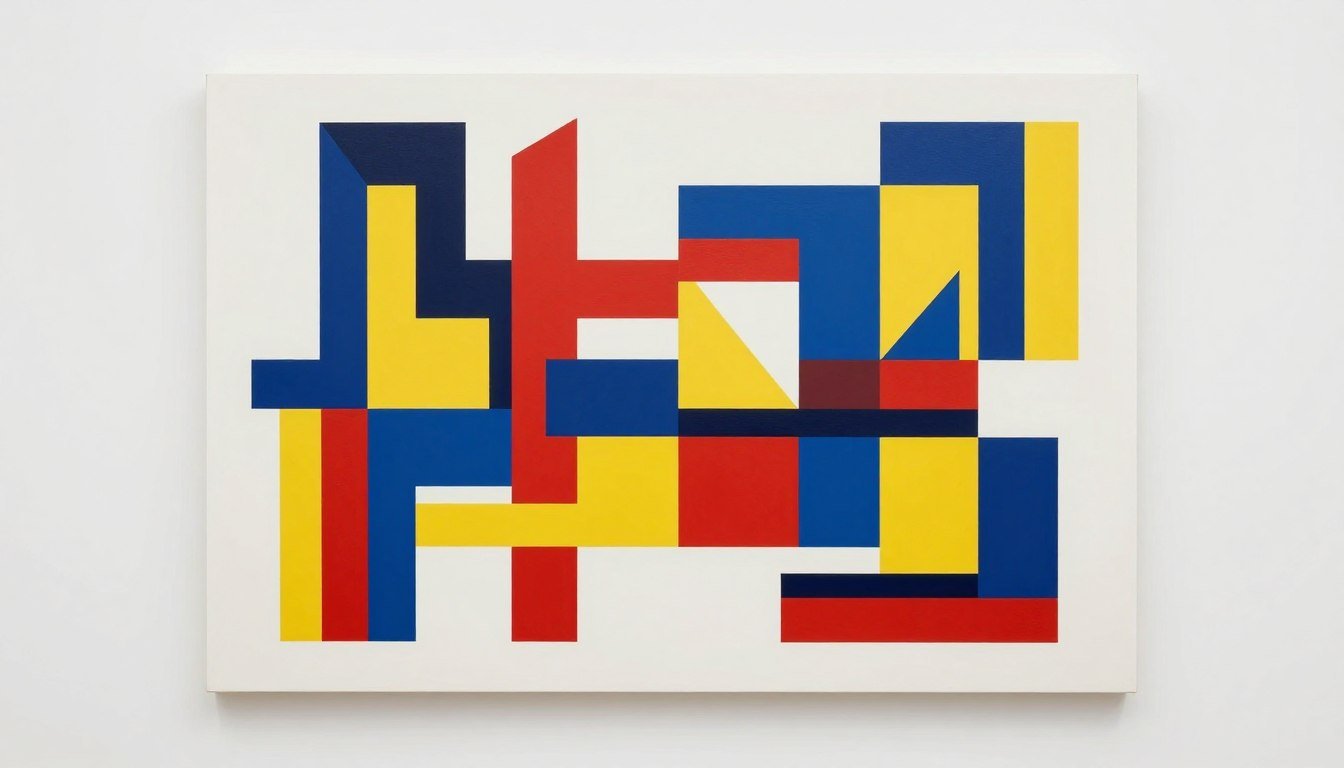
Abstract and geometric art pairs perfectly with contemporary interiors featuring clean lines and architectural elements. These styles create visual energy without the specificity of representational art, allowing viewers to find their own meaning in the composition. Look for pieces with bold color blocking, crisp edges, or dynamic geometric patterns that complement modern furniture silhouettes. Abstract and geometric canvas prints can transform stark, minimal spaces into vibrant, engaging environments.
7. Botanical & Nature for Serene Spaces

Where it Works: Bedrooms, dining rooms, spa-like bathrooms
Orientation: Vertical for single specimens, horizontal for landscapes
Style Direction: Oversized botanicals, natural textures, organic forms
Botanical and nature-inspired artwork brings the calming influence of the outdoors inside, creating spaces that feel connected to the natural world. Large-scale botanical prints—whether detailed scientific illustrations or more abstract interpretations—add organic texture and life to minimal interiors. Look for oversized depictions of leaves, flowers, or natural landscapes in soothing color palettes dominated by greens and neutrals. These pieces work particularly well in spaces dedicated to relaxation and renewal.
8. Figurative & Portrait as Focal Point

Where it Works: Living rooms, studies, dramatic dining rooms
Orientation: Vertical for full figures, square for portraits
Style Direction: Artistic interpretations rather than photorealistic
Figurative art and portraits create powerful emotional connections and conversation-starting focal points. Unlike more abstract styles, the human form immediately draws attention and creates narrative interest. For contemporary appeal, look for artistic interpretations rather than photorealistic depictions—think bold brushstrokes, unexpected color palettes, or stylized forms. Figurative and portrait canvas prints make particularly strong statements in social spaces like living and dining rooms.
9. Cityscape & Urban for Sophisticated Spaces

Where it Works: Dining rooms, home offices, urban apartments
Orientation: Horizontal panoramic for skylines, vertical for tall buildings
Style Direction: Atmospheric interpretations rather than literal photographs
Cityscape and architectural art brings sophistication and worldly character to interior spaces. These pieces create depth through perspective and often evoke memories of favorite places or aspirational destinations. For contemporary appeal, look for artistic interpretations with atmospheric qualities rather than straightforward photographic reproductions—think moody skylines, abstracted architectural details, or stylized urban scenes. Horizontal panoramic formats work particularly well above sofas and in dining rooms, creating windows to other worlds.
10. Gold & Metallic Accents for Luxe Interiors

Where it Works: Formal living rooms, master bedrooms, luxury apartments
Orientation: Square or horizontal for maximum impact
Style Direction: Abstract with genuine or painted metallic elements
Artwork featuring gold, silver, or copper accents adds instant luxury and light-catching dimension to sophisticated spaces. These metallic elements create different effects throughout the day as lighting changes, adding dynamic visual interest. Look for abstract compositions where metallic elements are integrated thoughtfully rather than overwhelming the design. These pieces pair beautifully with other metallic accents in furniture and lighting, creating a cohesive, luxurious environment.
11. Soft Color Palettes for Kids & Nurseries

Where it Works: Nurseries, children's bedrooms, family playrooms
Orientation: Square or horizontal for above cribs (secured safely)
Style Direction: Whimsical but sophisticated designs in gentle colors
Children's spaces benefit from large-scale art just as much as adult areas, but with thoughtful consideration of subject matter and color palette. The key is choosing pieces that are child-appropriate without being childish—think sophisticated abstracts in gentle colors, stylized animals, or geometric patterns rather than cartoon characters. These pieces can grow with the child and integrate seamlessly with the rest of your home's aesthetic. Oversized formats create impact while keeping the overall look clean and uncluttered.
12. Horizontal Panorama for Hallways

Where it Works: Long hallways, narrow passages, above console tables
Orientation: Extended horizontal format
Style Direction: Landscapes, horizons, or continuous abstract designs
Hallways and narrow passages present unique challenges that are perfectly addressed by horizontal panoramic artwork. These extended formats draw the eye forward, creating movement through transitional spaces. Look for subjects that naturally suit the panoramic format—landscapes with strong horizons, abstract compositions with horizontal movement, or continuous patterns. Proper lighting is especially important in these often-dim spaces; consider picture lights or track lighting to illuminate the full length of the piece.
13. Vertical Impact for Staircases

Where it Works: Staircase walls, two-story entryways, narrow wall sections
Orientation: Tall vertical single piece or ascending arranged set
Style Direction: Strong vertical composition or coordinated ascending series
Staircases offer unique opportunities for dramatic art installations that complement architectural movement. Two approaches work particularly well: a single tall, vertical piece that commands attention, or a series of coordinated pieces that ascend with the staircase in a thoughtfully spaced arrangement. For single pieces, look for compositions with strong vertical elements that draw the eye upward. For sets, maintain consistent spacing and alignment along an imaginary line that parallels the stair angle.
14. Balanced Proportions Above Fireplaces

Where it Works: Above fireplaces (with consideration for heat exposure)
Orientation: Typically horizontal to echo mantel shape
Style Direction: Subject matter that complements room's function
The space above a fireplace is a natural focal point that demands thoughtfully proportioned artwork. The ideal piece should be 70-80% of the width of the mantel, creating balanced negative space on either side. Hang the piece 4-6 inches above the mantel to create visual connection without being too close to heat. Consider the room's function when selecting subject matter—serene landscapes work well in living rooms, while more dramatic or conversation-starting pieces suit dining rooms where guests will view the art during longer periods of seated interaction.
15. Soft Drama for Bedroom Headboard Walls

Where it Works: Above beds, especially in master bedrooms
Orientation: Horizontal to echo bed width
Style Direction: Serene subjects in restful color palettes
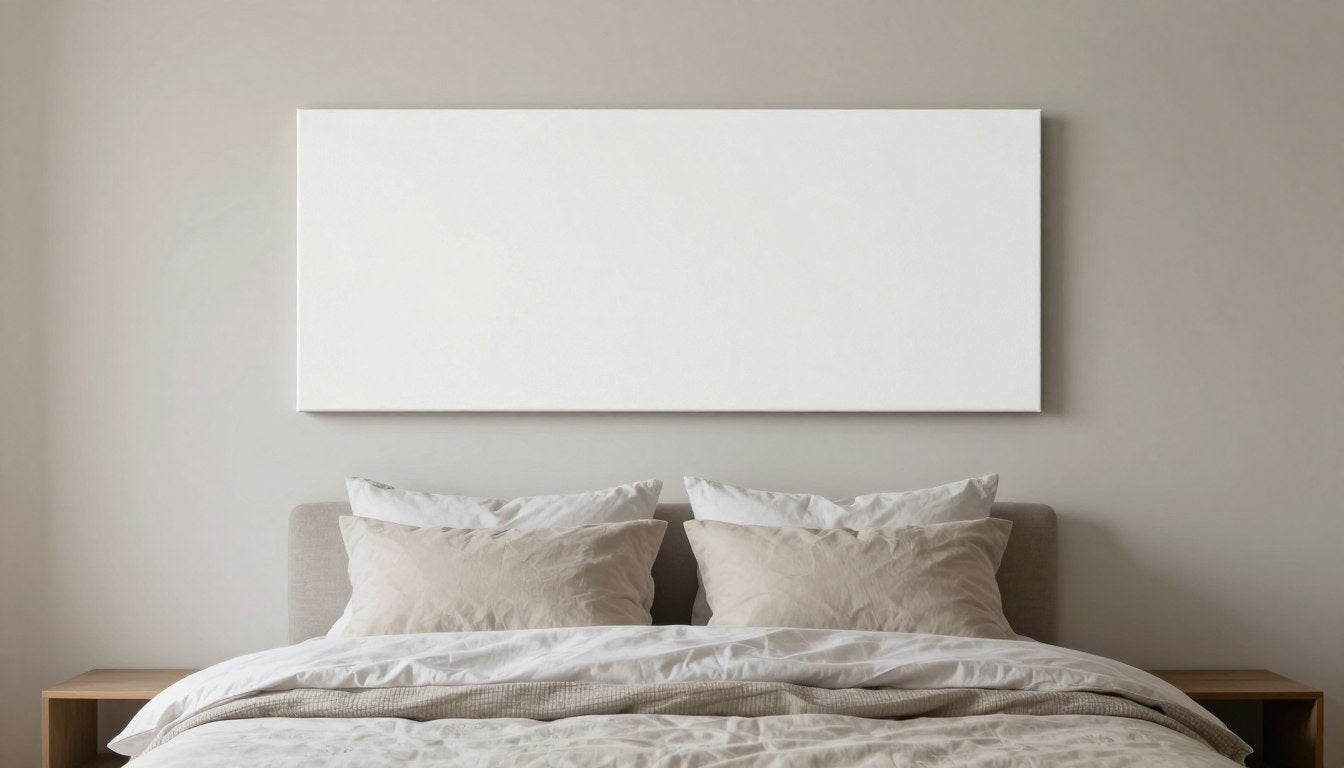
Bedroom art should create impact without sacrificing the restful atmosphere essential for good sleep. The headboard wall presents a perfect opportunity for a statement piece that sets the room's tone. Choose artwork with subject matter and colors conducive to relaxation—soft abstracts, gentle landscapes, or subtle textures in calming palettes. The ideal piece should span approximately 65-80% of the headboard width and be hung so that it's visible when sitting up in bed but not so low that it interferes with pillows or bedding.
16. Energizing Pieces for Home Offices

Where it Works: Home offices, creative studios, productivity spaces
Orientation: Square or horizontal for main walls
Style Direction: Dynamic compositions in stimulating color palettes
Work and creative spaces benefit from artwork that stimulates energy, focus, and inspiration. Unlike bedrooms, where calming elements are paramount, offices can handle more dynamic compositions and vibrant color palettes. Look for pieces that energize rather than distract—strong geometric patterns, bold abstracts with movement, or subjects that align with your professional interests or aspirations. Position these pieces where they'll be visible during work sessions but not directly behind computer screens where they might create visual competition.
17. Welcome Statements for Entryways

Where it Works: Foyers, entryways, front hallways
Orientation: Vertical for narrow entries, horizontal or square for larger foyers
Style Direction: Bold, memorable pieces that reflect home's overall aesthetic
Entryway art creates critical first impressions and sets the tone for your entire home. This is the perfect location for a statement piece that reflects your personality and hints at the design sensibility visitors will encounter throughout your space. Choose artwork with immediate visual impact and colors that connect to your home's overall palette. In narrow entries, vertical pieces maximize available wall space, while larger foyers can accommodate more substantial square or horizontal works that command attention from the moment guests step inside.
18. Vertical Art for Awkward Corner Walls

Where it Works: Narrow wall sections, corners, between windows
Orientation: Tall vertical format
Style Direction: Strong vertical composition that draws eye upward
Every home has challenging wall spaces—narrow sections between doors or windows, awkward corners, or small wall areas that seem too insignificant for artwork. Tall, vertical pieces transform these potential problem areas into intentional design features. Look for compositions with strong vertical elements that draw the eye upward, creating the impression of height and architectural interest. These pieces work particularly well in transitional spaces or as secondary focal points that complement larger statement works in the main living areas.
19. Art Paired with Intentional Lighting

Where it Works: Dining rooms, living rooms, dedicated gallery walls
Orientation: Any, with lighting positioned appropriately
Style Direction: Pieces with texture or detail that benefit from highlighting
Strategic lighting transforms good artwork into spectacular focal points, creating gallery-quality presentations in residential settings. Two approaches work particularly well: mounted picture lights that attach above the frame, or adjustable recessed or track lighting directed specifically at the artwork. Proper lighting is especially important for pieces with texture, metallic elements, or fine details that might otherwise go unnoticed. The dramatic shadowing and highlighting created by dedicated art lighting adds another dimension to the viewing experience and signals the importance of the piece within your design scheme.
20. Sets That "Stretch" a Wall

Where it Works: Long walls, above sofas, in dining rooms
Orientation: Horizontal arrangement of identical-sized pieces
Style Direction: Cohesive theme or color palette across all pieces
A series of same-sized canvases arranged in a horizontal line creates a powerful design tool that visually extends your wall. This approach works particularly well in spaces where a single oversized piece might be too dominant or cost-prohibitive. The key to success is maintaining absolutely consistent spacing between pieces (typically 3-4 inches) and selecting artwork with a cohesive theme or color palette. Coordinated canvas sets take the guesswork out of creating these sophisticated arrangements.
21. Music & Cinema Icons for Entertainment Spaces

Where it Works: Media rooms, home theaters, music rooms
Orientation: Square or vertical for portraits, horizontal for scenes
Style Direction: Artistic interpretations rather than photographic reproductions
Entertainment spaces offer the perfect opportunity to showcase artwork that celebrates cultural icons and personal passions. Stylized interpretations of music legends, film stars, or cinematic moments create thematic connections to the room's purpose while serving as conversation starters. For sophisticated appeal, look for artistic renderings rather than straightforward photographic reproductions—think graphic interpretations, abstract portraits, or mixed-media approaches. Music and cinema legend canvas prints add personality and depth to spaces dedicated to entertainment and leisure.
Choosing the Right Style for Your Space
Beyond size and placement, selecting the appropriate artistic style dramatically impacts how big wall art integrates with your interior. Consider these style directions based on your existing décor and the atmosphere you want to create:
Modern Abstract & Geometric
Perfect for: Contemporary spaces, minimalist interiors, rooms with clean architectural lines
Creates: Energy, movement, intellectual interest
Pairs with: Modern furniture, industrial elements, neutral color schemes that allow the art to pop
Black & White
Perfect for: Any style interior seeking timeless sophistication
Creates: Drama, contrast, graphic impact
Pairs with: Both colorful and neutral rooms, as black and white art complements rather than competes
Botanical & Nature
Perfect for: Transitional spaces, rooms seeking connection to the outdoors
Creates: Serenity, organic texture, biophilic connection
Pairs with: Natural materials, earth tones, spaces dedicated to relaxation
Figurative & Portrait
Perfect for: Spaces where you entertain, formal rooms, personal studies
Creates: Emotional connection, narrative interest, conversation starters
Pairs with: Traditional or eclectic furnishings, rooms with historical elements
Cityscape & Urban
Perfect for: Modern apartments, offices, dining rooms
Creates: Sophistication, depth through perspective, worldly character
Pairs with: Contemporary furniture, industrial elements, cosmopolitan aesthetics
Metallic & Textured
Perfect for: Luxury interiors, spaces with dramatic lighting
Creates: Dynamic visual interest, light-reflecting dimension
Pairs with: Upscale furnishings, rooms with other metallic accents
The most successful interiors often feature artwork that creates either harmonious connection or intentional contrast with the surrounding space. Consider whether you want your big wall art to blend seamlessly with your existing décor or stand out as a bold counterpoint that energizes the room.
Common Mistakes With Big Wall Art (and How to Fix)
The "Postage Stamp" Effect
Problem: Artwork that's too small for the wall, creating a diminished, floating appearance
Solution: Follow the 2/3 to 3/4 rule for furniture width; for empty walls, artwork should occupy at least 1/3 of available wall space
The "Floating in Space" Hang
Problem: Artwork hung too high, creating disconnection from furniture below
Solution: Position bottom edge 8-10" above furniture; for walls without furniture, center at eye level (57-60" from floor)
The "Afterthought" Lighting
Problem: Beautiful artwork that disappears in poorly lit spaces
Solution: Install dedicated picture lights, adjustable track lighting, or strategically placed sconces to highlight your investment
The "Style Disconnect"
Problem: Artwork that clashes with or feels disconnected from room's overall aesthetic
Solution: Choose pieces that either intentionally complement or deliberately contrast with your space, avoiding accidental mismatches
The "Crowded Gallery"
Problem: Too many pieces hung with insufficient spacing, creating visual chaos
Solution: For gallery arrangements, maintain consistent spacing (2-4") between pieces and ensure collective size follows the same proportional rules as single works
The "Ignored Orientation"
Problem: Horizontal artwork on tall, narrow walls or vertical pieces on wide, short walls
Solution: Match artwork orientation to wall shape—horizontal pieces for wide walls, vertical for tall, narrow spaces
Frequently Asked Questions
How big should art be over a sofa?
Artwork above a sofa should span approximately 2/3 to 3/4 of the sofa's width—not the entire wall. For an 84" sofa, ideal artwork width would be 56-63". This can be achieved with a single large piece or a carefully spaced set. The bottom edge should hang 8-10" above the sofa back to create visual connection without being too close.
Can I put large wall art in a small room?
Absolutely! Contrary to common belief, oversized art can actually make small rooms feel larger by creating a focal point that draws the eye. The key is limiting yourself to one statement piece rather than multiple smaller works, which can create visual clutter. Choose a piece with depth or perspective to enhance the sense of space.
How do I choose between canvas and framed prints?
Canvas prints offer advantages for large-scale art: they're lightweight, glare-free, and don't require glass, making them safer and easier to hang. Framed prints with mats create a more formal, gallery-like presentation but add significant weight and cost at larger sizes. Consider your space's style (canvas for casual/contemporary, frames for formal/traditional) and practical concerns like installation and lighting.
What's the best way to hang a large canvas set?
For perfect alignment of multi-piece sets: 1) Measure and mark the center point of your wall area, 2) Calculate total width including spacing between pieces (typically 3-4"), 3) Work outward from center mark to position each piece, 4) Use a level and measuring tape to ensure consistent spacing and alignment, 5) Hang center piece(s) first, then work outward. Consider creating a paper template of each piece to test arrangement before making holes.
How do I choose colors for big wall art?
For cohesive integration, select artwork containing at least one color already present in your room (even in small accents like pillows or vases). For dramatic impact, choose pieces with colors complementary to your dominant palette. Neutral rooms offer the most flexibility, allowing artwork to introduce color. Consider the room's purpose—energetic colors for social spaces, calming tones for bedrooms, inspiring hues for workspaces.
What size art works best for high ceilings?
Rooms with high ceilings (10'+ feet) benefit from extra-large pieces or vertical arrangements that draw the eye upward and take advantage of available wall height. Consider pieces at least 48" tall, vertical diptychs or triptychs, or stacked arrangements. For truly grand spaces, oversized pieces (60"+ in height) create proportional impact. Remember that even with high ceilings, the center of the artwork should still relate to eye level rather than floating too high on the wall.
Where to Find Museum-Quality Big Wall Art
Finding the perfect statement piece for your space requires a source that offers both exceptional quality and design-worthy selection. When investing in big wall art that will define your room, quality matters—from the vibrancy of colors to the precision of printing and the durability of materials.
Transform Your Space with Rossetti Art
Rossetti Art specializes in gallery-quality canvas prints and sets specifically designed for statement walls. Their curated collections span contemporary abstracts, sophisticated black and white photography, botanical studies, and figurative works—all produced using archival-grade materials and advanced printing techniques that ensure lasting beauty.
Explore the CollectionRemember that the right piece of big wall art does more than fill empty space—it transforms your room, reflects your personality, and creates the kind of memorable impression that defines truly exceptional interiors. By following the sizing, placement, and style guidelines in this guide, you'll be well-equipped to select statement pieces that look intentional, balanced, and professionally designed.

About the Author
Chiara Rossetti
Chiara Rossetti is the founder of Rossetti Art, a canvas print and original art brand. She writes about interior design, wall art styling, and the art of making a home feel alive.

Leave a comment
This site is protected by hCaptcha and the hCaptcha Privacy Policy and Terms of Service apply.