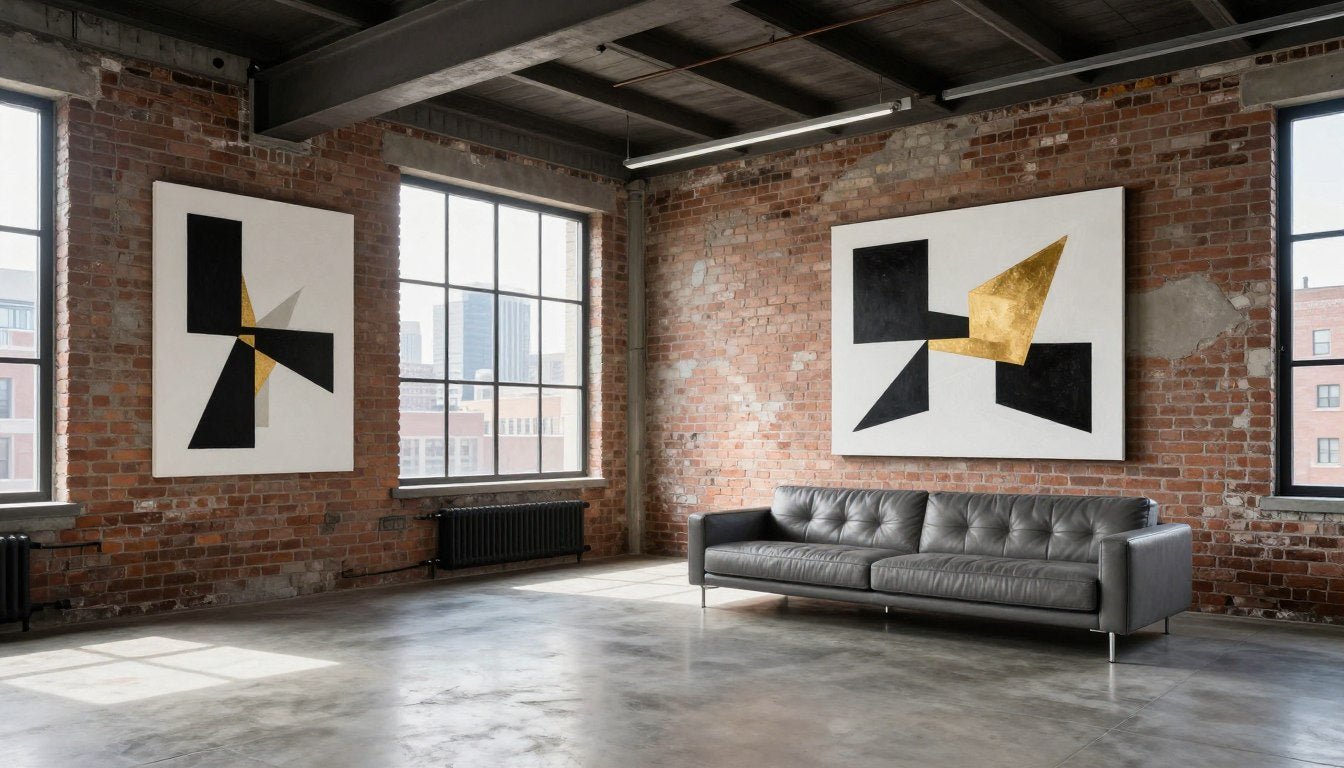

Industrial apartments offer a unique canvas for creative expression. These spaces feature exposed brick walls, concrete floors, and metal fixtures. Such raw elements create an urban aesthetic. The challenge lies in selecting wall art that enhances this distinctive character.
The right pieces transform stark spaces into warm homes. Art adds personality without compromising the industrial vibe. Each selection should complement architectural features rather than compete with them. Understanding this balance makes all the difference.
Finding suitable wall art requires consideration of multiple factors. Scale, color palette, and style all play crucial roles. This guide explores proven strategies for choosing pieces that work. You will discover how to make your industrial space feel complete. For more design inspiration, visit our interior design blog.
Understanding the Industrial Aesthetic

Industrial design emerged from converted warehouses and factories. These buildings featured practical elements now considered stylish. Exposed materials became the foundation of this aesthetic. The look celebrates authenticity and functionality.
Key characteristics define industrial spaces. High ceilings with visible ductwork create volume. Brick walls add texture and warmth. Metal elements provide structure and contrast. Open floor plans maximize space and light.
This style embraces imperfection and raw beauty. Each architectural element tells a story. The goal is enhancement rather than concealment. Wall art should respect these principles while adding visual interest.

Curated Selections for Industrial Spaces
If you love industrial aesthetics, here are three prints that bring that raw, urban energy into your space. Each piece complements exposed brick and metal fixtures. These selections work with neutral palettes common in loft design.

Bold Abstract Lines
Geometric patterns create visual rhythm. These pieces add structure without overwhelming. Perfect for above seating areas. The monochromatic palette maintains industrial sophistication.

Urban Cityscapes
City views echo the urban environment. These prints connect interior and exterior worlds. They work exceptionally well in living areas. Skylines add depth to large wall expanses.

Minimalist Line Art
Simple line drawings provide elegance. These pieces offer breathing room in busy spaces. They complement rather than compete with architecture. Line art brings refinement to industrial settings.
Color Palette Considerations for Industrial Wall Art

Color selection significantly impacts industrial spaces. Neutral palettes dominate these environments. Gray concrete, red brick, and black metal create the base. Art should harmonize with these existing tones.
Black and white photography works exceptionally well. These pieces add sophistication without color conflicts. They complement any existing palette. The high contrast mirrors industrial materials. Black and white canvas prints offer timeless appeal.
Monochromatic schemes maintain visual cohesion. Shades of gray echo concrete surfaces. Warm browns connect with exposed wood elements. Muted tones preserve the industrial character. These colors let architecture remain the focal point.

Strategic color accents create interest. Deep blues add depth. Burnt orange provides warmth. Olive green introduces organic elements. These colors work as small accents rather than dominant features.
Metallics enhance the industrial aesthetic. Gold, copper, and bronze add luxury. Silver and steel reinforce existing metal elements. These finishes catch light and create dimension. Use them sparingly for maximum impact.
Scale and Proportion Guidelines

Size matters significantly in industrial apartments. High ceilings demand substantial pieces. Small art disappears on expansive walls. The scale must match the architectural grandeur. Proper sizing creates visual balance.
Large-scale pieces make powerful statements. A single oversized work commands attention. It anchors the space effectively. This approach suits minimalist preferences. Consider pieces measuring at least 40 by 60 inches for main walls.
Gallery walls offer flexible solutions. Multiple smaller pieces create cohesive displays. This technique fills space without overwhelming. Mix sizes for visual interest. Maintain consistent spacing between pieces. Aim for 2 to 3 inches between frames.

Vertical pieces draw eyes upward. They emphasize ceiling height. Horizontal works expand perceived width. Both orientations serve distinct purposes. Consider room dimensions when choosing orientation.
The two-thirds rule provides guidance. Art should cover approximately two-thirds of the wall space above furniture. This creates pleasing proportions. Leave breathing room around pieces. Overcrowding diminishes impact.
Style Matching Strategies

Abstract art complements industrial spaces naturally. Geometric shapes echo architectural lines. Bold compositions add energy. These pieces feel contemporary and appropriate. Abstract works allow personal interpretation. Explore our abstract geometric canvas prints for modern options.
Photography brings authentic urban character. Architectural images reinforce the aesthetic. Street scenes add narrative elements. Black and white photography feels particularly fitting. These pieces document real-world industrial beauty.

Minimalist line drawings provide elegance. Simple forms create visual rest. These pieces balance busier architectural elements. They offer sophistication without complexity. One continuous line can tell entire stories.
Typography and text-based art work surprisingly well. Vintage signage references industrial history. Modern lettering adds graphic impact. These pieces introduce readable elements. Choose messages that resonate personally.
Mixed media art adds textural interest. Collages incorporate industrial materials. Metal elements echo existing fixtures. Wood components warm the space. These pieces create physical dimension on walls.
Match This Vibe to Your Space
Discover Your Perfect Industrial Art Collection
Every industrial space tells a unique story through its architectural elements. Whether your loft features weathered brick, polished concrete, or dramatic metal beams, the right art collection brings these elements together. Our curated selections combine bold abstracts, urban landscapes, and minimalist designs that feel at home in loft environments. Each piece arrives ready to hang, printed on museum-quality canvas.
Room-Specific Recommendations

Living Room Wall Art
The living area serves as the social heart. This space deserves the most impactful art. Large-scale pieces work best here. Position them above seating areas as focal points. The living room allows bold choices. Consider statement pieces that reflect personal style. Living room canvas art transforms these gathering spaces.
Create conversation starters with urban photography. Cityscapes connect to the loft's urban context. Architectural details echo the space's structural elements. These choices feel authentic and appropriate. They reinforce the industrial narrative.

Bedroom Wall Art
Bedrooms require calmer aesthetics. Softer pieces promote relaxation. Abstract works in muted tones work well. Avoid overly stimulating colors or compositions. The goal is creating peaceful environments. Choose art that soothes rather than energizes.
Symmetrical arrangements suit bedroom walls. Two matching pieces flank the bed beautifully. This creates visual balance. Single horizontal pieces work above headboards. Keep the scale appropriate to furniture size.

Office Wall Art
Home offices benefit from inspiring art. Choose pieces that motivate and energize. Bold colors can stimulate creativity. Typography with meaningful words reinforces goals. The office allows more experimental choices. Discover options in our office canvas art collection.
Position art at eye level from desk. This ensures regular visual engagement. Avoid placing pieces behind you. Art should be viewable during work. Consider how pieces appear in video calls.

Entryway Wall Art
Entryways make first impressions. Bold pieces establish tone immediately. This area suits dramatic choices. Consider oversized single works or striking galleries. The entry sets expectations for the entire space. Choose pieces that represent your style confidently. View our entryway wall art options.
Vertical pieces work well in narrow entries. They draw eyes upward and expand perceived space. Ensure adequate lighting to showcase art. Entry art should withstand frequent viewing without losing appeal.
Visual Guide to Industrial Wall Art
See how different art styles transform industrial spaces in this visual tour. This video demonstrates placement techniques and style combinations. Learn from real apartment examples.
Framing and Presentation Options

Frame selection impacts overall aesthetics significantly. Industrial spaces favor certain framing styles. Black metal frames complement existing fixtures. They create cohesive visual connections. Thin profiles maintain modern sensibilities.
Frameless canvas wraps offer contemporary solutions. Gallery-wrapped edges eliminate frame needs. These pieces feel clean and minimal. The canvas continues around sides. This presentation suits modern industrial spaces. Consider canvas prints for ready-to-hang convenience.
Natural wood frames add warmth. Light oak or walnut tones soften harsh materials. These frames introduce organic elements. They balance metal and concrete surfaces. Choose simple profiles without ornate details.

Floating frames create modern displays. Glass or acrylic faces protect artwork. The frame appears to hover around the piece. This technique works beautifully with photography. It adds sophistication to any work.
Acrylic face mounting delivers sleek presentation. The glossy surface enhances colors. This method suits contemporary photography. It creates gallery-quality displays. The reflective quality adds dimension to spaces.
Consider mixed frame styles for gallery walls. Combine black and wood frames strategically. Maintain consistent mat colors for cohesion. Variety adds visual interest. Too much consistency feels sterile.
Placement and Hanging Techniques

Proper placement maximizes art impact. The center point should sit 57 to 60 inches from the floor. This height aligns with average eye level. Adjust slightly based on ceiling height. Taller spaces allow higher placement.
Relate art position to furniture placement. Pieces above sofas should center with the furniture. Leave 6 to 8 inches between art bottom and furniture top. This creates visual connection. Too much space breaks the relationship.
Use paper templates before hanging. Cut paper matching art dimensions. Tape templates to walls. Experiment with arrangements risk-free. This saves walls from unnecessary holes. Mark final positions before drilling.

Invest in proper hanging hardware. Brick and concrete require special anchors. Plastic anchors fail in masonry. Use masonry screws or toggle bolts. Weight capacity matters significantly. Oversized pieces need multiple points.
Level placement appears professional. Use quality levels for accuracy. Even slight tilts look careless. Check level from multiple distances. What looks straight up close may appear crooked from across the room.
Consider lighting when positioning art. Natural light can cause fading. Avoid direct sunlight on valuable pieces. Add picture lights for dramatic effect. Track lighting highlights multiple works. Proper illumination enhances colors and details.
Mixing Art with Architectural Elements

Industrial spaces feature distinctive architectural elements. Art should enhance rather than hide these features. Exposed brick provides textural backdrops. Position art to complement brick patterns. Leave some brick exposed for balance.
Metal beams and pipes create natural divisions. Use these as gallery wall boundaries. Frame arrangements between structural elements. This approach respects architecture. It creates organized visual zones.
Windows flood spaces with natural light. Position art adjacent to windows carefully. Side lighting creates dimension on textured pieces. Avoid placing valuable art in direct sun paths. Fading occurs gradually over time.

Concrete walls offer neutral canvases. Their gray tones complement most art. These surfaces work with any color palette. Concrete provides the perfect backdrop for bold pieces. Texture adds subtle interest behind smooth canvases.
Ductwork and exposed systems add character. Work around these elements thoughtfully. Smaller pieces fit between mechanical features. This creates interesting juxtapositions. Industrial elements become part of the display.
Budget Considerations for Wall Art

Quality art suits various budgets. Prints offer affordable entry points. High-quality reproductions rival originals visually. Digital printing technology delivers exceptional results. These pieces provide style without significant investment.
Canvas prints balance quality and cost. They arrive ready to hang. No framing expenses required. Many retailers offer museum-quality options. These pieces look substantial and professional. Our canvas print collections offer excellent value.
Original art represents significant investment. These pieces bring unique character. They increase in value over time. Consider originals as long-term purchases. Start with smaller pieces if budget constrained. Browse original paintings for unique options.
Build collections gradually over time. Start with one statement piece. Add complementary works as budget allows. This approach prevents rushed decisions. Collections develop authentic character. Each addition feels intentional.
Watch for sales and promotions. Many retailers offer seasonal discounts. Sign up for newsletters to receive notifications. Timing purchases strategically stretches budgets. Quality art remains available at various price points.
Consider alternative art forms. Three-dimensional pieces add variety. Modern sculptures create focal points. These items work on shelves and surfaces. They complement wall art beautifully. Mix mediums for interesting displays.
Maintaining Your Wall Art

Proper maintenance preserves art investments. Dust accumulates on surfaces over time. Use soft microfiber cloths for cleaning. Gentle dry dusting prevents damage. Avoid harsh chemicals near artwork. These can discolor or damage surfaces.
Canvas pieces require minimal care. Brush away dust with soft bristles. Never use water on canvas directly. Professional cleaning suits valuable pieces. Most canvas art maintains appearance for years with basic care.
Framed works need glass attention. Clean glass with appropriate products. Spray cleaner on cloth, not directly on glass. Moisture can seep under frames. This causes damage to paper and matting. Careful cleaning protects artwork beneath.
Monitor environmental conditions regularly. Excessive humidity damages many materials. Industrial spaces often have good ventilation. This helps prevent moisture problems. Extreme temperature fluctuations can cause issues. Maintain stable conditions when possible.
Inspect hanging hardware periodically. Screws can loosen over time. Vibrations from traffic or loud music affect stability. Retighten hardware as needed. This prevents accidents and damage. Regular checks ensure continued security.
Common Mistakes to Avoid

Undersized art disappoints frequently. Small pieces disappear on large walls. They fail to make intended impact. Commit to appropriate scale from the start. Better to have one large piece than several tiny ones.
Hanging art too high creates disconnect. Many people position pieces too far from eye level. This makes spaces feel awkward. Remember the 57 to 60 inch guideline. Adjust slightly for unique circumstances.
Overcrowding walls diminishes individual pieces. Each work needs breathing room. Negative space serves important purposes. It allows eyes to rest. Cramped arrangements feel chaotic rather than curated.
Ignoring existing color schemes causes clashes. Art should work with current palette. Introducing too many new colors creates confusion. Select pieces that enhance rather than conflict. Harmony matters more than matching exactly.
Choosing trendy pieces over timeless works proves costly. Trends fade quickly. Classic styles endure for years. Invest in pieces you truly love. Authentic choices outlast temporary fashions. Personal connection matters most.
Neglecting lighting reduces art impact significantly. Proper illumination transforms pieces. Dark corners hide beautiful works. Consider adding dedicated art lights. This investment enhances everything displayed.
Ready to Transform Your Industrial Space
Museum-Quality Art for Your Loft
Transform your industrial apartment with carefully curated wall art that celebrates urban aesthetics. Each piece in our collection arrives ready to hang on premium canvas with archival inks that last generations. Free worldwide shipping ensures your selections arrive safely. Our quality guarantee means you can shop with confidence. Whether you prefer bold abstracts, minimalist line work, or urban photography, find pieces that make your space feel complete.

Frequently Asked Questions
What is the best wall art for an industrial apartment?
The best wall art for industrial apartments includes abstract geometric prints, black and white photography, urban cityscapes, and minimalist line art. These styles complement exposed brick, concrete, and metal elements common in loft spaces. Large-scale pieces work particularly well given the high ceilings and open layouts typical of industrial design. For curated options, explore our abstract canvas collection or cityscape prints.
What size wall art works best in industrial lofts?
Industrial lofts benefit from large-scale pieces measuring at least 40 by 60 inches for main walls. High ceilings and expansive spaces require substantial art to avoid looking disproportionate. For gallery walls, combine multiple pieces with consistent 2-3 inch spacing. The two-thirds rule helps determine size - art should cover approximately two-thirds of the wall space above furniture. Our living room collection offers various sizes suitable for different spaces.
Should I choose color or black and white art for industrial spaces?
Both work beautifully depending on your goals. Black and white art maintains the monochromatic industrial aesthetic and complements neutral palettes naturally. It adds sophistication without color conflicts. Strategic color accents in deep blues, burnt orange, or olive green introduce warmth while respecting the industrial character. Many designers recommend starting with black and white pieces, then adding selective color accents. View our black and white collection for timeless options.
How do I hang art on exposed brick walls?
Hanging art on brick requires masonry-specific hardware. Use masonry screws or heavy-duty anchors rather than standard picture hooks. Drill carefully into mortar joints when possible as they are softer than brick. For heavy pieces, install multiple mounting points to distribute weight. Consider professional installation for valuable artwork. Alternative methods include brick clips that don't require drilling, though these work better for lighter pieces. Position art 57-60 inches from floor to center for optimal viewing height.
What framing options suit industrial apartments?
Black metal frames complement industrial fixtures beautifully and create visual cohesion. Frameless canvas wraps offer contemporary, minimal presentation perfect for modern lofts. Natural wood frames in light oak or walnut add warmth to balance metal and concrete surfaces. Floating frames create sophisticated displays with visible air gaps. For ready-to-hang convenience without additional framing costs, consider our gallery-wrapped canvas prints.
Can I mix different art styles in an industrial loft?
Yes, mixing styles adds personality and visual interest to industrial spaces. Combine abstract pieces with photography, or pair minimalist line art with urban landscapes. Maintain cohesion through consistent color palettes or framing styles. The key is intentional curation rather than random selection. Each piece should complement the industrial aesthetic while adding unique character. Create distinct zones for different styles, using architectural elements like beams or brick walls as natural dividers between collections.
Where should I place art in an open-concept industrial apartment?
In open-concept spaces, use art to define distinct zones. Place statement pieces above seating areas in living spaces. Position smaller works in dining areas to create intimate atmosphere. Use architectural features like columns or beams as natural boundaries. Entry walls deserve bold pieces that set the tone. Consider sight lines from multiple angles since open layouts allow views from various positions. Our entryway collection offers pieces perfect for making strong first impressions.
How much should I budget for industrial apartment wall art?
Quality wall art suits various budgets. High-quality canvas prints range from $100-500 depending on size and offer excellent value. Original paintings start around $500 and increase based on artist reputation and size. Build your collection gradually, starting with one statement piece for your main wall. Budget 10-15% of your overall decorating budget for wall art. Free shipping options reduce total costs. For quality options at various price points, explore our complete canvas print collection.
Final Thoughts on Industrial Apartment Wall Art

Selecting wall art for industrial apartments combines creativity with strategy. Understanding your space's unique characteristics guides better choices. Architectural elements like exposed brick and metal beams provide context. Art should enhance these features rather than compete.
Scale matters significantly in loft environments. High ceilings demand substantial pieces. Color palettes typically favor neutrals with strategic accents. Black and white works particularly well in these settings. Style choices range from abstract to photography.
Room-specific considerations optimize each area. Living spaces accommodate bold statements. Bedrooms require calming aesthetics. Offices benefit from motivational pieces. Entryways make powerful first impressions. Each space serves distinct purposes.
Proper placement and hanging techniques ensure professional results. The 57 to 60 inch rule provides reliable guidance. Quality hardware matters for brick and concrete walls. Lighting dramatically impacts how art appears. These details separate amateur from professional installations.
Budget considerations shouldn't limit creativity. Quality options exist at various price points. Canvas prints deliver excellent value. Original works become long-term investments. Building collections gradually allows thoughtful curation. Each addition should feel intentional.
Your industrial apartment deserves art that reflects your personal style while honoring the space's character. Take time to select pieces you genuinely love. These decisions create environments where you feel truly at home. The right wall art transforms stark industrial spaces into warm, inviting sanctuaries that celebrate urban living.
For more inspiration and design ideas, explore our blog regularly. Discover how others have successfully styled their industrial spaces. Learn from expert tips and real-world examples.

Leave a comment
This site is protected by hCaptcha and the hCaptcha Privacy Policy and Terms of Service apply.