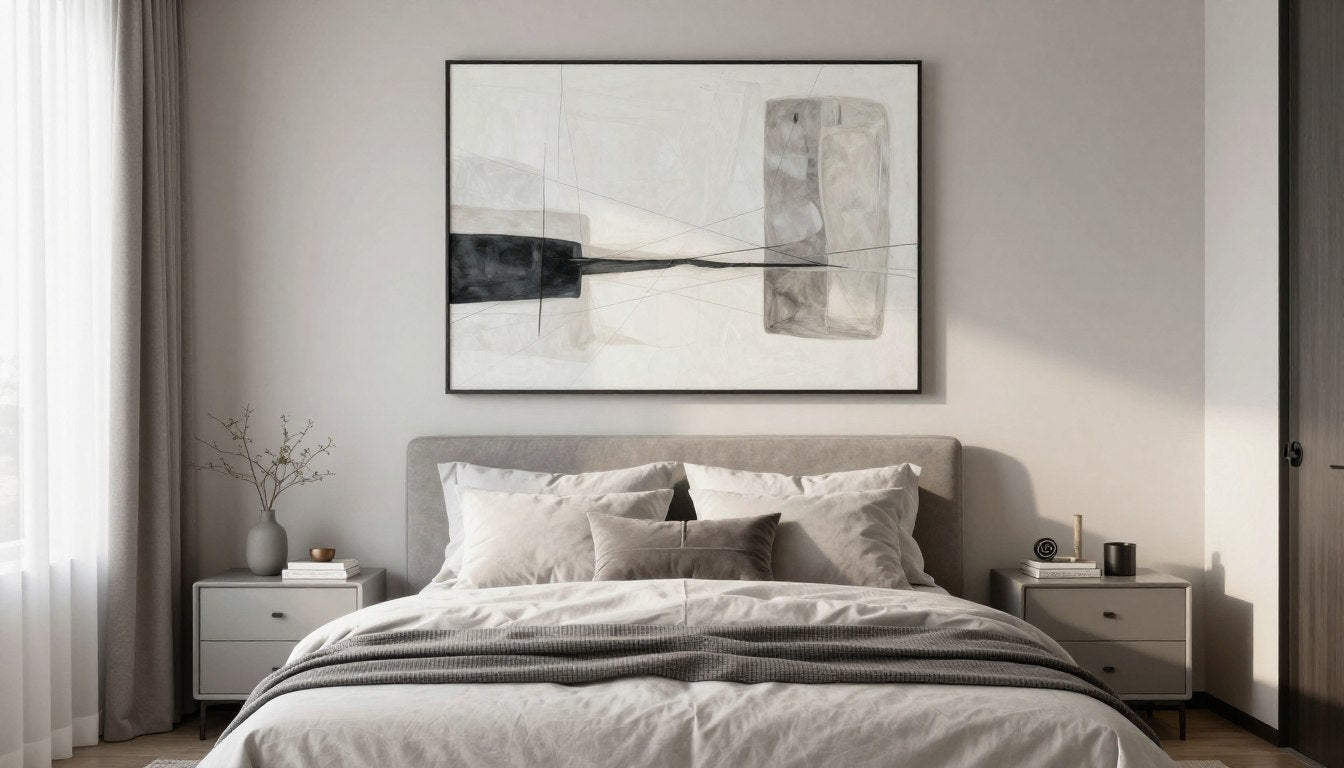

Your bedroom should feel like a sanctuary. It is the one space in your house where you start each morning and end every day. The right bedroom decor ideas can transform this personal retreat into a place that truly reflects your style while promoting rest and relaxation.
Creating a beautiful bedroom does not require a complete renovation. Strategic design choices can make a significant impact. From selecting the perfect bed frame to choosing wall art that speaks to you, each element contributes to the overall feel of the room.
This guide explores practical and inspiring bedroom decor ideas. You will discover how to work with your existing space, choose the right color schemes, and incorporate design elements that bring personality to your bedroom. Whether you prefer minimalist aesthetics or luxurious textures, these tips will help you create a bedroom you love coming home to.
Choosing the Perfect Bed Frame and Headboard

The bed frame serves as the focal point of any bedroom. It sets the foundation for your entire design scheme. A well-chosen bed frame can anchor the space and establish the style you want to achieve.
Upholstered headboards add instant sophistication. They create a soft backdrop that invites you to lean back and relax. Fabric headboards work beautifully in bedrooms where comfort is the priority. Velvet, linen, and bouclé fabrics each bring different textures to the room.
Wood bed frames offer timeless appeal. Light woods like oak and ash bring warmth without overwhelming the space. Darker woods such as walnut create dramatic contrast, especially against light walls. The natural grain patterns add visual interest that complements various design styles.
Metal frames provide clean lines and an airy feel. Iron and brass frames work particularly well in smaller bedrooms. They occupy less visual space than solid wood alternatives. This helps the room feel more open and less cramped.

Platform beds create a modern, streamlined look. They sit lower to the ground and often feature built-in storage. This makes them ideal for bedrooms where you need to maximize every square foot. The low profile also makes ceiling heights feel more generous.
The headboard shape influences how the entire bedroom feels. Curved headboards soften the space and add gentle movement. Straight-edged headboards create crisp, contemporary lines. Winged headboards provide a cocoon-like feeling that enhances the sense of privacy and retreat.
Consider the height of your headboard carefully. Tall headboards make a bold statement and work well with high ceilings. They also provide an excellent backdrop for artwork on either side. Lower headboards suit rooms with standard ceiling heights and create a more casual atmosphere.

Storage beds solve practical problems while maintaining style. Drawers beneath the bed frame keep clothes, bedding, or seasonal items out of sight. This proves especially valuable in guest rooms where you want to offer a clean, uncluttered space for visitors to feel comfortable.
Color Schemes That Create the Right Mood

Color fundamentally shapes how a bedroom feels. The paint you choose for walls affects your mood from the moment you wake up. Thoughtful color selection creates the atmosphere you need for quality rest and relaxation.
Neutral palettes never go out of style. Soft grays, warm beiges, and gentle taupes provide a versatile foundation. These colors make it easy to change accent pieces over the years without repainting. They also create a sophisticated backdrop that lets your furniture and wall art take center stage.
Blue tones promote calmness and sleep. Soft powder blues work beautifully in bedrooms that receive abundant natural light. Deeper navy shades add richness and work especially well when paired with brass or gold accents. Blue creates a sense of spaciousness, making even small bedrooms feel more open.

Green brings the outdoors inside. Sage and olive tones create an organic feel that pairs naturally with wood furniture. These earthy hues work particularly well in bedrooms overlooking gardens. They establish visual continuity between indoor and outdoor spaces.
Warm colors energize while maintaining comfort. Terracotta, blush pink, and soft coral add personality without overwhelming. These shades work best on a single accent wall rather than throughout the entire room. They create a cozy corner without making the space feel too warm for restful sleep.
White and cream offer timeless elegance. All-white bedrooms feel fresh and clean. They maximize natural light and make spaces appear larger. To prevent an all-white room from feeling sterile, layer different white tones and introduce varied textures through bedding, curtains, and wall art.

Dark, moody colors create drama. Charcoal, deep plum, and midnight blue transform bedrooms into cozy retreats. These bold choices work best in larger bedrooms with good natural light during the day. Balance dark walls with lighter bedding and strategic lighting to prevent the space from feeling cave-like.
Two-tone walls add architectural interest. Painting walls and ceiling in coordinating shades creates depth. A darker lower wall with lighter upper walls makes ceilings appear higher. This technique works particularly well in bedrooms with lower ceiling heights.

Color Psychology for Bedrooms
Understanding how colors affect mood helps you make better design decisions. Cool colors like blue and green lower heart rate and promote relaxation. Warm neutrals create comfort without stimulation.
The intensity of color matters as much as the hue itself. Muted versions of any color work better for bedroom walls than saturated shades. This allows the room to feel personal without becoming overwhelming after years of living with the choice.
Bedroom Wall Art Ideas That Make an Impact

Wall art transforms blank spaces into personal statements. The right artwork can tie together your entire bedroom design. It adds color, texture, and personality in ways that few other decor elements can achieve.
Large-scale art above the bed creates immediate visual impact. A single oversized piece makes a confident statement. This approach works particularly well in minimalist bedrooms where you want one strong focal point. The scale prevents the wall from feeling empty while maintaining clean lines.
Abstract paintings offer versatility. They complement various design styles without demanding a specific theme. Neutral abstracts in grays, whites, and beiges blend seamlessly with any color scheme. Bold abstracts in jewel tones can serve as the inspiration for your entire bedroom palette.

Canvas prints provide texture that flat posters cannot match. The depth of canvas adds dimension to your walls. This three-dimensional quality catches light throughout the day, creating subtle variations in how the artwork appears from morning to evening.
Black and white photography brings timeless sophistication. Architectural images, landscapes, or abstract photography in monochrome work beautifully in bedrooms with any color scheme. The absence of color lets the composition and subject matter shine. Explore black and white canvas prints that add classic elegance to bedroom walls.

Minimalist Textured Art
Textured paintings add depth without visual clutter. Raised brushstrokes create shadows that change throughout the day. These pieces bring subtle movement to otherwise still walls.

Original Paintings
Original artwork makes your bedroom truly unique. No one else has the exact same piece. Original paintings become conversation starters and personal treasures that gain meaning over the years.

Canvas Print Collections
Coordinated canvas sets create cohesive gallery walls. Matching sizes and complementary subjects establish visual rhythm. This approach works well when you want multiple pieces without the challenge of mixing and matching.
Gallery walls tell personal stories. Mixing frame sizes and art styles creates an eclectic, collected-over-time look. Start with a large anchor piece and build around it with smaller complementary works. Maintain consistent spacing between frames for a polished appearance.

Positioning artwork at the right height makes a significant difference. The center of your art should sit at eye level, typically around 57 to 60 inches from the floor. For art above the bed, leave 5 to 9 inches between the top of the headboard and the bottom of the frame.
Symmetrical arrangements create formal elegance. Two matching pieces flanking the bed establish balance and order. This works beautifully in traditional bedrooms or when you want to create a hotel-like feel. The symmetry provides visual calm that supports restful sleep.

Oversized statement pieces work particularly well above the bed. They fill the space proportionally and eliminate the need for multiple smaller pieces. This approach simplifies decision-making and creates clean, uncluttered walls. View artwork designed specifically for above-bed placement to find pieces that command attention while maintaining bedroom serenity.
Selecting the Right Bedding and Textiles

Bedding defines the comfort level and visual appeal of your bedroom. Quality linens make a noticeable difference in how you sleep and how the room looks. Investing in good bedding pays dividends in both style and rest quality.
Sheet thread count matters less than fiber quality. Egyptian cotton and linen sheets breathe well and improve with washing. Percale weaves feel crisp and cool. Sateen weaves offer a silkier, warmer feel. Choose based on your sleep preferences and climate.
Layering bedding adds depth and luxury. Start with fitted and flat sheets, add a duvet or coverlet, then finish with a throw blanket at the foot of the bed. This creates visual interest and gives you flexibility for temperature control throughout the year.

Duvet covers offer easy style changes. Switching duvet covers with the seasons refreshes your bedroom without buying new furniture. Light colors work for spring and summer. Richer tones suit fall and winter months. This simple change keeps your bedroom feeling current year-round.
Pillow arrangements create a finished look. Start with sleeping pillows against the headboard. Add euro shams or larger decorative pillows in front. Finish with smaller accent pillows in complementary fabrics. Odd numbers of pillows generally look more balanced than even numbers.

Throws and blankets add texture. A chunky knit throw draped at the bed's foot introduces tactile interest. Velvet or faux fur blankets bring luxury. Cotton or linen throws maintain a casual, relaxed feel. Choose based on the overall style you want to achieve in the space.
Bed skirts serve both practical and aesthetic purposes. They hide under-bed storage and create a polished, finished look. Tailored bed skirts suit traditional bedrooms. Ruffled versions work in romantic or cottage-style rooms. For a modern look, skip the bed skirt entirely and opt for a platform bed frame.
Fabric Selection Guide
- Cotton: Breathable, easy to care for, improves with washing
- Linen: Naturally temperature-regulating, textured appearance, relaxed feel
- Silk: Luxurious, hypoallergenic, requires gentle care
- Bamboo: Sustainable, moisture-wicking, naturally antimicrobial
- Velvet: Rich texture for throws and pillows, adds depth
- Wool: Insulating, perfect for winter blankets and throws

Color coordination between bedding and walls creates harmony. Monochromatic schemes feel sophisticated and restful. Complementary colors add energy while maintaining balance. Your bedding should either blend seamlessly with wall colors or provide intentional contrast as a design feature.
Lighting Strategies for Bedroom Ambiance

Lighting shapes the mood of your bedroom more than almost any other element. Proper illumination serves functional needs while creating the ambiance you want. A well-planned lighting scheme includes multiple sources operating at different levels.
Layered lighting provides flexibility. Overhead fixtures offer general illumination. Table lamps on bedside tables provide task lighting for reading. Accent lights highlight artwork or architectural features. This combination lets you adjust the room's brightness based on the time of day and activity.
Bedside lamps should sit at the right height. The bottom of the lampshade should align roughly with your chin when you sit up in bed. This positioning directs light onto your book without shining in your eyes. Matching lamps on either side of the bed create symmetry and ensure both sides have equal light.

Dimmer switches transform the room's feel. Installing dimmers on overhead lights lets you adjust brightness from morning energy to evening wind-down. This flexibility supports your natural circadian rhythm. Bright light in the morning helps you wake, while dim light in the evening signals your body to prepare for sleep.
Wall sconces save space on small bedside tables. They provide directed reading light without occupying surface area. Swing-arm sconces offer adjustability. Fixed sconces work when space is tight. Both options keep the tabletop clear for books, glasses, or a morning cup of coffee.

Pendant lights add style and function. Hanging pendants on either side of the bed create a hotel-like feel. They free up bedside table space while providing ample light. Choose pendants that hang low enough to illuminate effectively but high enough to avoid bumping them when sitting up.
Natural light deserves careful management. Sheer curtains filter harsh sunlight while maintaining privacy. Blackout curtains or shades let you control light completely for better sleep. Layer window treatments to enjoy morning light on weekends while blocking it when you need to sleep in.

Accent lighting highlights wall art effectively. Picture lights mounted above frames draw attention to artwork. LED strip lights behind headboards create a soft glow. These touches add drama and make your bedroom feel more designed and intentional.
Warm light bulbs work better than cool ones in bedrooms. Bulbs around 2700K to 3000K produce a warm, inviting glow. This color temperature mimics candlelight and sunset, which naturally makes you feel relaxed. Cool white bulbs feel too clinical for a restful bedroom environment.
Furniture Placement and Room Layout

Thoughtful furniture placement maximizes both function and flow. The bed typically works best against the longest wall or centered beneath a window with a good view. This position makes the bed the natural focal point while leaving space for movement around the room.
Leave adequate walking space around the bed. A minimum of 24 inches on each side allows comfortable movement. If space permits, 30 to 36 inches feels more generous. This breathing room prevents the bedroom from feeling cramped and makes daily tasks like making the bed much easier.
Bedside tables should match the bed's height. The tabletop ideally sits level with or slightly below the mattress top. This height makes it easy to reach items without stretching. Tables that are too tall or too short feel awkward and disrupt the room's visual balance.

Dressers and storage pieces need accessible placement. Position dressers where you have enough room to open drawers fully. Leave at least 36 inches of clearance in front. This space lets you stand comfortably while selecting clothes and prevents the room from feeling blocked.
Seating areas create luxury in larger bedrooms. A small chair or bench at the foot of the bed provides a place to sit while putting on shoes. It also offers somewhere to drape tomorrow's clothes or hold decorative throw pillows during the night. In spacious bedrooms, a reading corner with a comfortable chair and side table carves out a retreat within the retreat.

Mirrors expand visual space. A large mirror reflects light and makes the room feel bigger. Position mirrors to reflect attractive views or bounce natural light deeper into the room. Avoid placing mirrors directly opposite the bed if seeing your reflection first thing in the morning or last thing at night bothers you.
The TV position requires careful thought. Mounting the television on the wall opposite the bed at proper viewing height prevents neck strain. If you prefer to keep technology out of the bedroom, house the TV in a cabinet with doors that close. This maintains the room's restful atmosphere when the screen is not in use.

Floating furniture away from walls works in larger bedrooms. This creates more dynamic room layouts and can improve traffic flow. However, in smaller bedrooms, keeping most furniture against walls maximizes the usable floor space in the room's center.
Window Treatments and Curtain Ideas

Curtains and window treatments control light, provide privacy, and add softness to bedroom walls. The right window dressings complete the room's design while serving essential practical functions. They frame views and add vertical lines that draw the eye upward.
Hanging curtains near the ceiling makes rooms feel taller. Mount curtain rods several inches above the window frame, ideally close to the ceiling. This simple trick creates the illusion of higher ceilings and larger windows. The vertical lines of floor-length curtains emphasize this height.
Curtain panels should be wider than the window. Hang the rod to extend 6 to 12 inches beyond each side of the window frame. This allows curtains to stack off the glass when open, letting in maximum light. When closed, the extra width ensures complete coverage and better insulation.

Layering curtains provides flexibility. Combine sheer panels with heavier drapes for complete light control. Sheers filter harsh sunlight during the day while maintaining some privacy. Draw the heavier curtains at night for complete darkness and better temperature insulation.
Fabric choice affects the entire room's feel. Linen curtains bring casual, organic texture. Velvet drapes add richness and luxury. Silk or silk-like fabrics create elegant folds and reflect light beautifully. Consider how the fabric weight and texture complement your bedding and other textiles in the space.

Roman shades offer a tailored alternative to curtains. They provide clean lines and work particularly well in modern or minimalist bedrooms. Fabric roman shades add softness. Bamboo or woven wood shades introduce natural texture. Both options stack compactly when raised to maximize window views.
Blackout options improve sleep quality. Blackout curtains or shades block external light from streetlamps or early morning sun. This darkness supports better sleep by preventing light from disrupting your circadian rhythm. Blackout linings can be added to existing curtains if you love their appearance but need better light blocking.

Pattern introduces personality through curtains. Subtle patterns add visual interest without overwhelming. Bold patterns make strong statements and can serve as the room's focal point. When using patterned curtains, keep bedding and walls relatively simple to maintain balance.
Hardware selection matters for the complete look. Wood curtain rods bring warmth and work well in traditional or rustic bedrooms. Metal rods in brass, bronze, or matte black suit modern spaces. The finial style on rod ends provides another opportunity to reinforce your chosen design aesthetic.


Adding Personal Touches and Decorative Accents

Personal touches transform generic bedrooms into spaces that feel uniquely yours. These details tell your story and make the room comfortable in ways that magazine-perfect staging cannot achieve. The goal is to create a space that reflects who you are while maintaining overall design cohesion.
Displayed collections add character. Whether vintage perfume bottles, favorite books, or travel souvenirs, meaningful objects make the space feel lived-in and loved. Group similar items together for visual impact. Odd-numbered groupings typically look more dynamic than even numbers.
Plants bring life to bedrooms. Low-maintenance options like snake plants, pothos, or peace lilies thrive in bedroom conditions. They improve air quality and add organic shapes that soften hard edges of furniture. Place plants on bedside tables, dressers, or in corners where they receive appropriate light.

Photographs tell your personal story. Family photos in coordinating frames create a cohesive display. Mix frame sizes and orientations while keeping a consistent finish. Black frames work with any decor. Wood frames add warmth. Choose what complements your existing furniture finishes.
Books add color and personality. A stack of favorite books on the bedside table serves both decorative and functional purposes. Books on a shelf or dresser can be arranged by color for a rainbow effect or kept in their natural mix for an eclectic, well-read look.

Trays corral small items on surfaces. A decorative tray on the dresser holds jewelry, watches, or daily essentials. This keeps items together and makes surfaces look intentionally styled rather than cluttered. Choose trays in materials that complement your bedroom's overall aesthetic.
Candles create ambiance and scent. Grouped candles of varying heights make attractive displays. Choose scents carefully as some people find strong fragrances disruptive to sleep. Unscented candles provide the same visual appeal without potential sleep interference. Always extinguish candles before sleeping.

Rugs define spaces and add warmth. A large rug under the bed with equal amounts extending on either side creates balance. In larger bedrooms, a separate rug defines a seating area. Rugs add softness underfoot and help absorb sound, making the bedroom feel cozier and quieter.
Clocks serve function and style. A wall clock becomes a focal point while serving the practical purpose of telling time without reaching for your phone. Vintage clocks add character. Modern designs make bold statements. Choose based on what complements your room's overall design direction.
Working with Small Bedroom Spaces

Small bedrooms require strategic planning to feel comfortable rather than cramped. Smart design choices maximize the available space while creating a room that still feels like a peaceful retreat. The key lies in prioritizing what matters most and finding creative solutions for everything else.
Light colors expand visual space. White or pale walls reflect light and make small rooms feel larger. Continuing the same light color on walls and ceiling eliminates visual boundaries. This creates the illusion of more space. Save darker colors for small accent areas rather than large surfaces.
Multi-functional furniture saves precious space. A bed with storage drawers eliminates the need for a separate dresser. A nightstand that doubles as a small desk provides workspace without requiring additional furniture. Choose pieces that serve multiple purposes to maximize what fits in the room.

Vertical storage utilizes wall space. Tall, narrow bookcases or wardrobes draw the eye upward and provide substantial storage without consuming much floor space. Wall-mounted shelves keep items accessible while freeing up floor area. This vertical emphasis makes ceilings feel higher.
Mirrors multiply light and space. A large mirror on one wall reflects the room back on itself, essentially doubling the visual space. Position mirrors to reflect windows or light sources. This amplifies natural light throughout the day and makes the room feel brighter and more open.

Floating bedside shelves replace bulky tables. Wall-mounted shelves provide surfaces for lamps, books, and essentials without the footprint of traditional nightstands. This opens up floor space and makes the room feel less crowded. The floating effect creates an airy, modern look.
One large artwork beats many small pieces. A single substantial piece of wall art creates a focal point without visual clutter. Multiple small pieces can make small rooms feel busy and chaotic. Choose one statement piece that you love and let it anchor the room's design.

Keeping floors clear creates flow. Avoid placing furniture in walking paths. Leave the center of the room as open as possible. This makes the space easier to move through and prevents that cramped, obstacle-course feeling. An open floor plan, even in miniature, feels more spacious.
Scale matters in furniture selection. Overstuffed furniture overwhelms small bedrooms. Choose pieces with cleaner lines and smaller profiles. A bed with slim posts or no footboard takes up less visual space. Furniture that shows legs rather than sitting solid to the floor allows light to flow underneath, creating an airier feel.
Seasonal Bedroom Decor Updates

Refreshing bedroom decor with the seasons keeps the space feeling current and responsive to the weather outside. Small, strategic changes make a big impact without requiring complete redesigns. This approach lets you enjoy variety while working within a consistent overall framework.
Bedding swaps define seasonal transitions. Light cotton or linen in white or pastels suits spring and summer. These breathable fabrics keep you comfortable in warm weather. Switch to flannel, velvet, or heavier cotton in rich jewel tones or warm neutrals for fall and winter. The weight and color signal the seasonal shift.
Throw pillows and blankets offer easy updates. Swap bright, light pillows for deeper tones as seasons change. A chunky knit throw adds cozy texture in winter months. Replace it with a lightweight cotton throw in summer. These small textile changes transform the bed's appearance without major investment.

Artwork rotation keeps walls interesting. If you collect multiple pieces, rotate what hangs in the bedroom seasonally. Bright abstracts or botanical prints work for spring and summer. Moodier pieces or landscapes suit fall and winter. This gives favorite pieces rest periods and keeps the room feeling fresh.
Scent marks seasonal changes. Light floral or citrus scents complement spring and summer. Warm spices, vanilla, or woodsy scents suit cooler months. Use candles, diffusers, or linen sprays to introduce seasonal fragrances. This appeals to senses beyond the visual and deepens the seasonal atmosphere.

Curtain changes adjust light and insulation. Sheer or lightweight curtains maximize light in darker winter months. Heavier curtains provide better insulation. In summer, light-filtering curtains keep rooms cool while maintaining brightness. This practical swap also updates the room's appearance with the changing seasons.
Decorative accents bring seasonal touches. A bowl of pinecones in fall, a vase of fresh flowers in spring, or a collection of seashells in summer adds seasonal interest. These small touches connect your indoor space to the natural world outside without requiring major changes to the room's foundation.

Color temperature in lighting adapts to seasons. Warmer light bulbs create coziness in winter. Slightly cooler bulbs keep rooms feeling fresh in summer. Smart bulbs let you adjust color temperature without changing hardware. This subtle shift affects how the entire room feels throughout the year.
Guest Bedroom Considerations

Guest rooms require different considerations than primary bedrooms. They should feel welcoming and comfortable while remaining practical for various guests over the years. The goal is creating a space where visitors feel cared for without feeling like they are intruding on personal territory.
Neutral decor appeals to everyone. Keep guest room colors and styles relatively universal. What you love might not suit every guest's taste. Soft neutrals with minimal personal items create a restful space that accommodates different preferences. Guests can mentally add their own touches during their stay.
Quality bedding makes guests feel valued. Invest in good sheets, pillows, and blankets for the guest room. Provide options for different sleep preferences. An extra blanket in the closet accommodates guests who sleep cold. Multiple pillow firmnesses suit different sleeping positions. These details show thoughtfulness.

Clear surfaces give guests space. Empty the nightstand drawer so guests can unpack personal items. Clear a few hangers in the closet. Leave the dresser top relatively bare so guests have somewhere to place their belongings. This prevents them from living out of a suitcase and helps them feel settled.
Thoughtful amenities enhance the stay. A carafe of water with glasses on the bedside table saves nighttime trips to the kitchen. A reading lamp with adjustable brightness accommodates different bedtime routines. A clock visible from the bed helps guests keep track of time without checking phones.

Privacy matters to guests. Ensure window treatments block light and provide complete privacy. A full-length mirror lets guests check their appearance. A chair or bench provides somewhere to sit other than the bed. These elements give guests the independence they need during their stay.
Multipurpose design maximizes utility. When not hosting guests, the room can serve other functions. A daybed works as seating when the room becomes a home office. Avoid overly personalizing the space with your own belongings if it serves dual purposes. This keeps the room ready for guests with minimal preparation.

Fresh touches welcome arrivals. Change sheets and towels before each guest. Add fresh flowers or a small plant. These finishing touches make the room feel specially prepared. Guests notice these details and appreciate the effort to make them comfortable in your home.
Sustainable and Eco-Friendly Bedroom Choices

Making environmentally conscious choices in bedroom design benefits both the planet and your health. Many sustainable options reduce exposure to chemicals while creating beautiful spaces. These choices often prove more durable, providing better long-term value despite sometimes higher initial costs.
Organic bedding eliminates harmful chemicals. Conventional cotton production uses substantial pesticides. Organic cotton, linen, and bamboo fabrics avoid these chemicals. They feel as soft and luxurious as conventional options while being gentler on skin and environment. Look for certifications like GOTS when shopping for organic textiles.
Natural materials improve air quality. Solid wood furniture releases fewer VOCs than particle board alternatives. Natural latex mattresses avoid the off-gassing of synthetic foams. Wool rugs and curtains provide natural fire resistance without chemical treatments. These materials create healthier indoor air in the space where you spend hours each night.

Vintage and secondhand pieces reduce waste. Quality vintage furniture often surpasses new mass-produced alternatives in construction and materials. Shopping secondhand keeps furniture out of landfills while adding character to your bedroom. Refinishing or reupholstering vintage pieces creates unique statement items.
LED lighting reduces energy consumption. LED bulbs use a fraction of the electricity of incandescent bulbs and last years longer. They produce less heat, which improves comfort in summer months. Modern LEDs come in warm color temperatures perfect for bedroom ambiance.

Low-VOC paints protect indoor air. Traditional paints release volatile organic compounds for months after application. Low-VOC and zero-VOC paints minimize these emissions. Many brands now offer extensive color selections in their eco-friendly lines. The performance matches conventional paints while creating healthier environments.
Natural fiber rugs and textiles last longer. Wool, jute, sisal, and cotton rugs biodegrade at end of life unlike synthetic alternatives. They resist staining and wear naturally without chemical treatments. These fibers also provide superior comfort and add organic texture that synthetic materials cannot replicate.

Mindful consumption beats constant updates. The most sustainable approach involves buying quality pieces you will love for years. Resist fast-furniture trends in favor of timeless design. This reduces waste and often proves more economical long-term. Well-made furniture can move through different rooms and homes over decades of use.
Transform Your Bedroom with Curated Wall Art
Ready to elevate your bedroom design? Explore Rossetti Art's carefully curated collections of canvas prints and original paintings designed specifically for bedroom spaces. From minimalist textured pieces to bold abstracts and classic black-and-white photography, find artwork that transforms your walls into personal statements.
Frequently Asked Questions About Bedroom Decor
What size artwork should I hang above my bed?
Artwork above the bed should span roughly two-thirds to three-quarters of the headboard width. For a queen bed with a 60-inch headboard, choose art between 40 to 45 inches wide. The piece should feel substantial without overwhelming the bed. Single large pieces create strong focal points, while groupings of smaller pieces should maintain these overall dimensions when considered together. Leave 5 to 9 inches of space between the headboard top and the artwork's bottom edge for proper visual balance.
How can I make a small bedroom look bigger?
Light colors on walls and ceilings reflect more light and visually expand space. Large mirrors strategically placed to reflect windows multiply natural light and create depth. Choose furniture with exposed legs rather than pieces that sit solid to the floor, allowing light to flow underneath. Minimize clutter by utilizing vertical storage solutions and keeping surfaces clear. Hang curtains near the ceiling to draw the eye upward and make walls appear taller. One large piece of wall art works better than multiple small pieces in compact bedrooms, creating a focal point without visual clutter.
What colors promote better sleep in bedrooms?
Cool, muted colors like soft blues, gentle greens, and warm grays promote relaxation and sleep. Blue has been shown to lower heart rate and blood pressure. Sage green connects to nature and creates calming environments. Avoid highly saturated bright colors on large surfaces as they can feel stimulating. If you prefer warmer tones, choose muted versions like dusty pink or soft terracotta rather than vibrant oranges or reds. The key lies in selecting colors at lower saturation levels regardless of the specific hue you choose.
Should bedroom curtains touch the floor?
Yes, curtains should either just touch the floor or puddle slightly for a luxurious look. Curtains that hang too short make ceilings appear lower and look unfinished. For a clean, modern look, have curtains just kiss the floor. For a more traditional or romantic aesthetic, allow 1 to 2 inches of fabric to puddle on the floor. This extra length also helps block light gaps at the bottom. Hang curtain rods close to the ceiling and extend them beyond the window frame to create the illusion of larger windows and taller ceilings.
How do I choose art for bedroom walls?
Select artwork that evokes calm and personal meaning. Bedrooms are intimate spaces where you should surround yourself with images that resonate emotionally. Abstract pieces work well because they complement various styles without imposing specific themes. Consider your existing color palette and choose art that either harmonizes with or thoughtfully contrasts your bedding and wall colors. Original paintings and quality canvas prints add texture that flat posters cannot provide. Explore bedroom-specific artwork collections designed to create focal points while maintaining the serene atmosphere essential for restful spaces.
What is the best way to arrange pillows on a bed?
Start with sleeping pillows against the headboard, typically two standard or queen pillows. Layer European square shams in front of sleeping pillows for added height and luxury. Add two smaller decorative pillows in complementary fabrics and patterns. Finish with one accent pillow in a bold color or interesting texture. This five to seven pillow arrangement creates a hotel-like appearance. For a more casual look, reduce to three or four pillows total. Odd numbers generally create more visual interest than even numbers when styling decorative pillows.
How often should I update bedroom decor?
Major updates every five to seven years keep bedrooms feeling fresh without constant expense. Small seasonal changes like swapping throw pillows, blankets, or rotating artwork maintain interest between larger renovations. Quality foundational pieces like bed frames, dressers, and headboards should last decades with proper care. Update paint when colors feel dated or show wear, typically every seven to ten years. Replace bedding when it shows signs of wear rather than on a set schedule. Mattresses should be replaced every eight to ten years for optimal support and hygiene regardless of bedroom decor updates.
What type of lighting works best for bedrooms?
Layer three types of lighting for optimal bedroom function. Ambient lighting from ceiling fixtures provides general illumination. Task lighting from bedside lamps enables reading and other activities. Accent lighting highlights architectural features or artwork. Install dimmer switches to adjust brightness throughout the day and evening. Choose warm light bulbs around 2700K to 3000K for relaxing ambiance. Avoid cool blue-toned bulbs which can interfere with sleep patterns. Position bedside lamps so the bottom of the shade aligns with your chin when sitting in bed for ideal reading light without glare.
Can I mix different wood finishes in one bedroom?
Yes, mixing wood finishes adds depth and prevents monotony. Combine two to three different wood tones for interest without chaos. Pair light and dark woods for contrast, or use varying mid-tones for subtle variety. Ensure consistency in undertones - either warm or cool across all wood pieces. Distribute different finishes throughout the room rather than clustering them in one area. For example, pair a dark walnut bed frame with lighter oak nightstands and medium-toned wood picture frames. This creates visual interest while maintaining cohesion through the consistent undertone.
How do I incorporate black and white art in a colorful bedroom?
Black and white artwork provides sophisticated contrast in colorful spaces. The monochrome palette acts as a visual rest point among vibrant colors. Choose black and white pieces with subjects or compositions that complement your room's style even though the colors differ. Gallery walls mixing black and white photos with small pops of color create dynamic displays. Frame black and white prints in frames that match other room finishes to tie the look together. The neutral palette of monochrome art ensures it works regardless of how your color scheme evolves. Browse black and white canvas prints that add timeless elegance while complementing any bedroom color palette.
Creating Your Perfect Bedroom Retreat

Your bedroom deserves the same attention as any other room in your house. This personal space shapes how you start each morning and end every day. The design choices you make impact your rest quality, mood, and overall well-being.
Great bedroom design balances aesthetics with function. Beautiful rooms that lack practical storage or comfortable bedding ultimately fail. Conversely, highly functional spaces without visual appeal feel institutional rather than restful. The sweet spot lies in creating rooms that serve your practical needs while reflecting your personal style.
Start with foundational elements and build from there. Choose your bed frame, select a color scheme, and plan lighting before moving to decorative details. This approach prevents costly mistakes and ensures all elements work together cohesively. Small rooms and large bedrooms alike benefit from this methodical planning process.
Personal touches make the difference between a decorated room and a true sanctuary. Display meaningful objects, choose artwork that speaks to you, and surround yourself with textures and colors that bring comfort. Your bedroom should feel like a retreat designed specifically for your needs and preferences.
Remember that bedroom design evolves over time. Your needs change, styles shift, and pieces wear out. Embrace this evolution rather than chasing perfection. Small updates keep the space feeling fresh without requiring complete overhauls. Seasonal changes, new artwork, or refreshed bedding breathe new life into familiar spaces.
Quality investments in foundational pieces pay dividends for years. A well-made bed frame, good mattress, and quality bedding improve daily life more than trendy accessories ever could. Save budget-conscious choices for easily changed elements like throw pillows, small decor items, and seasonal accents that refresh without major expense.

The most successful bedrooms balance multiple priorities. They provide restful environments for sleep while offering functional spaces for getting ready each morning. They reflect personal style without sacrificing comfort. They incorporate adequate storage without feeling cluttered. Achieving this balance creates rooms that truly serve as personal sanctuaries.
Take time to live with choices before making permanent changes. Paint samples on walls look different throughout the day as light changes. Furniture arrangements might seem perfect initially but prove impractical in daily use. This patience prevents expensive mistakes and ensures final decisions truly work for your lifestyle and space.
Your bedroom should make you happy every time you enter. Whether that means minimalist serenity or layered luxury depends entirely on your preferences. Trust your instincts about what feels right. Design rules provide guidance, but your comfort and joy in the space matter most. Create a bedroom that feels like home to you, and you have succeeded regardless of trends or rules.



Leave a comment
This site is protected by hCaptcha and the hCaptcha Privacy Policy and Terms of Service apply.