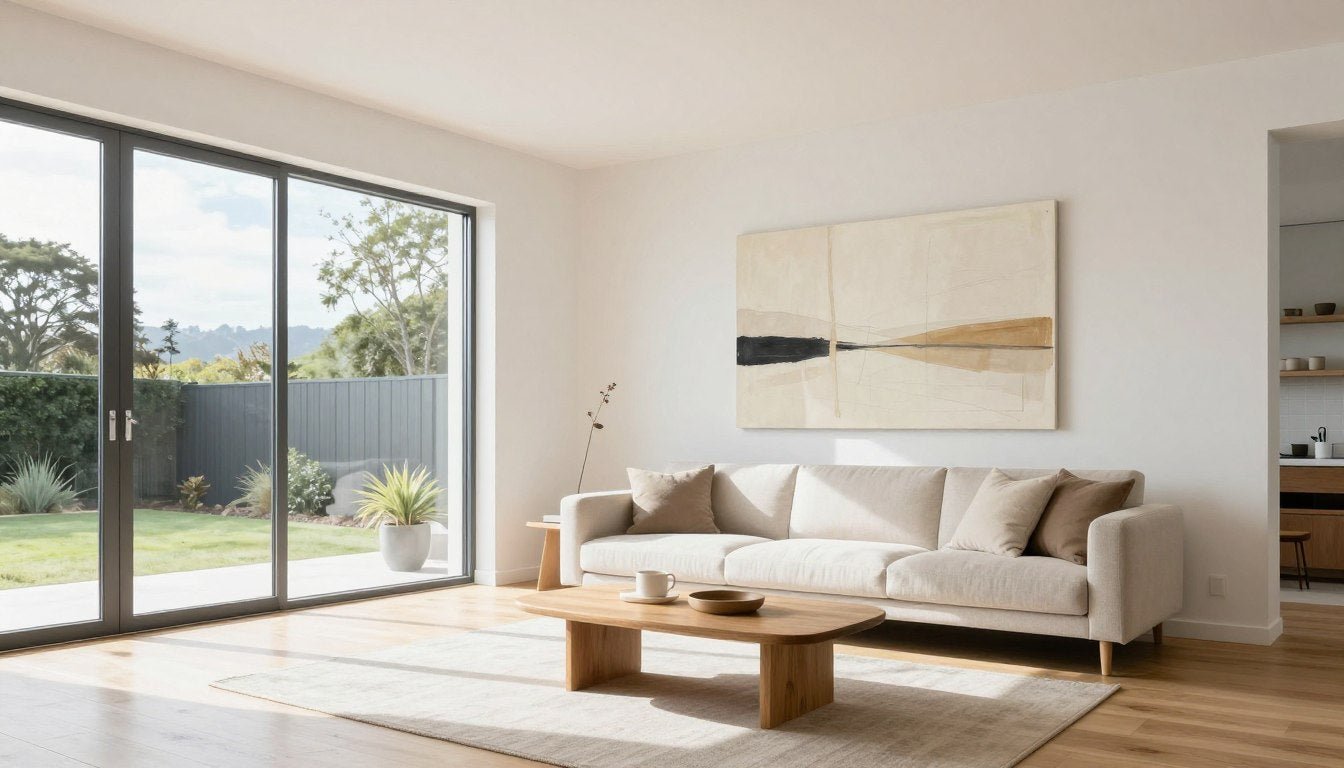
The search for abstract wall art in NZ reflects something deeper than simple decoration. It's about finding pieces that breathe life into empty walls while expressing something words can't quite capture.
New Zealand homes increasingly embrace abstract art for its versatility and emotional resonance. Whether you're drawn to bold geometric forms or soft, organic shapes, the right piece transforms a room from functional to memorable.

Why Abstract Wall Art Works in New Zealand Homes
Abstract wall art complements New Zealand's design aesthetic by balancing our connection to nature with contemporary living. Unlike literal imagery, abstract pieces allow personal interpretation while maintaining visual impact.
The beauty of abstract art lies in its adaptability. A single piece can anchor a minimalist space or add sophistication to a maximalist room. This flexibility makes it particularly valuable for New Zealand homeowners who value both style and practicality.

New Zealand's architectural trends favour clean lines and neutral palettes. Abstract art introduces colour, texture, and personality without overwhelming these carefully considered spaces. It's why abstract canvas prints have become essential elements in modern Kiwi homes.
The versatility extends beyond aesthetics. Abstract pieces work across diverse architectural styles, from character villas to contemporary townhouses. They create focal points that draw the eye without dictating a specific narrative or theme.

Visual Balance
Abstract art creates equilibrium in spaces without competing with existing design elements.
- Complements neutral colour schemes
- Adds depth to minimalist interiors
- Softens industrial materials
- Enhances natural light distribution
Emotional Connection
Abstract pieces resonate differently with each viewer, creating personal meaning within shared spaces.
- Evokes individual interpretation
- Supports mindful living practices
- Reduces visual clutter
- Promotes creative thinking
Practical Advantages
Beyond aesthetics, abstract art offers functional benefits for New Zealand homeowners.
- Conceals wall imperfections
- Defines spatial boundaries
- Improves acoustic properties
- Increases perceived room size
Investment Value
Quality abstract art maintains relevance across changing design trends and personal taste evolution.
- Timeless visual appeal
- Adaptable to room redesigns
- Transferable between spaces
- Enduring material quality
Choosing the Right Abstract Style for Your Space
Abstract art encompasses diverse styles, each bringing distinct energy to a room. Understanding these variations helps you select pieces that genuinely enhance your environment rather than simply fill wall space.

Geometric Abstract Art
Geometric abstraction uses shapes, lines, and angles to create structured visual harmony. These pieces work exceptionally well in modern spaces with architectural features like exposed beams or angular furniture.
The precision of geometric forms brings order to chaotic spaces. If your home office feels cluttered or your living room lacks definition, geometric abstract prints provide visual anchors that restore balance.

Organic Abstract Art
Organic abstracts embrace flowing forms, soft edges, and natural movement. These pieces echo New Zealand's landscape aesthetics without literal representation, making them ideal for bedrooms and wellness spaces.
The gentle curves and earthy tones in organic abstracts promote relaxation. They complement timber furniture and natural textiles beautifully, creating cohesive interiors that feel grounded and serene.

Minimalist Abstract Art
Minimalist abstraction strips away excess, focusing on essential forms and limited colour palettes. These works suit contemporary New Zealand homes where less truly becomes more.
A single minimalist piece can transform an entire wall without overwhelming the space. The restraint in composition allows surrounding design elements to shine while providing necessary visual interest.

Textured Abstract Art
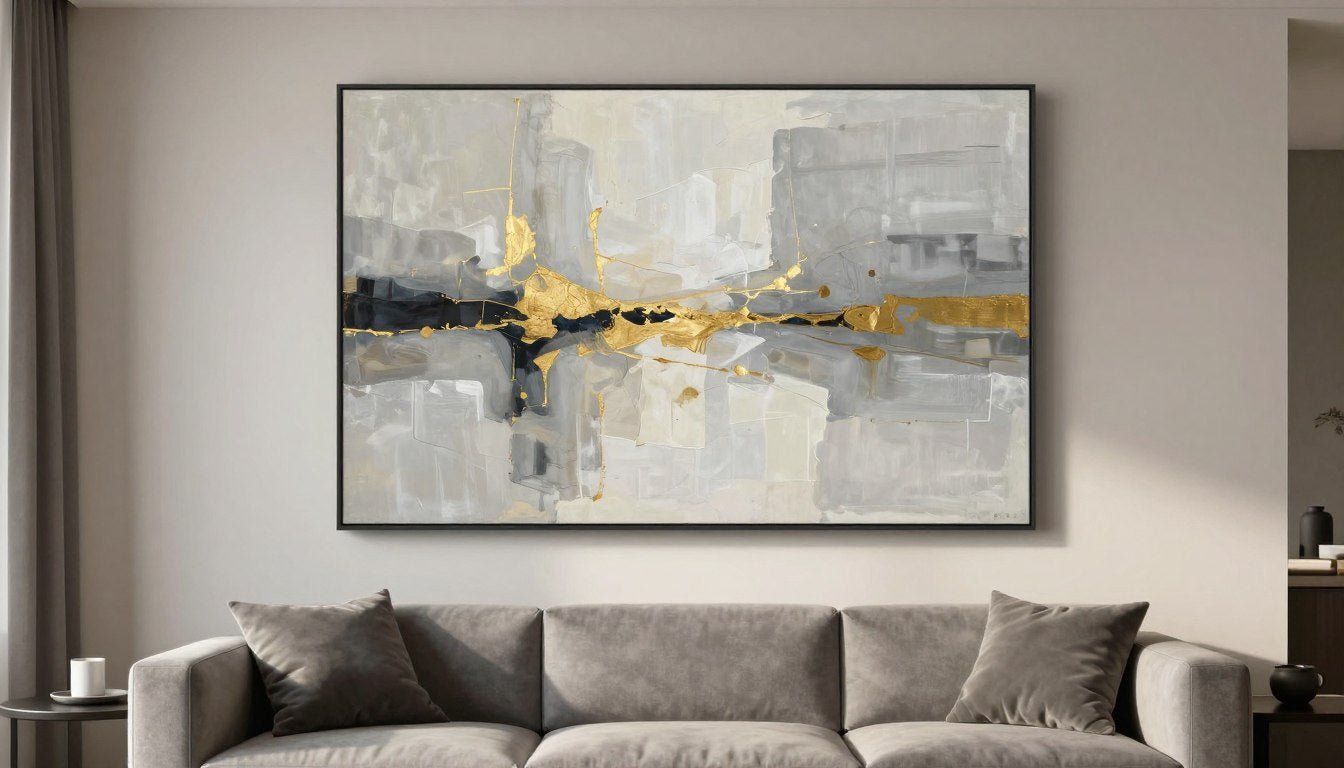
Textured abstracts introduce dimension through layered paint, mixed media, or printing techniques that simulate depth. These pieces add tactile interest to spaces dominated by smooth surfaces.
When working with modern wall art, texture creates shadow play that changes throughout the day. This dynamic quality keeps spaces feeling fresh without requiring frequent updates.

Quality Indicators in Abstract Canvas Prints
Not all canvas prints deliver equal longevity or visual impact. Understanding quality markers helps you invest in pieces that maintain their beauty for decades rather than months.

Print Technology and Inks
Archival inks resist fading from UV exposure and environmental factors. Gallery-quality prints use pigment-based inks rather than dye-based alternatives, ensuring colours remain vibrant for 100+ years under proper conditions.
UV-resistant coatings provide additional protection for New Zealand's intense sunlight. This matters particularly for north-facing rooms where sun exposure is strongest throughout the day.
Canvas Material and Stretching
Premium hand-stretched canvas uses polyester-cotton blends that resist warping and maintain tension. Machine-stretched alternatives often develop wrinkles or sagging within months.
The stretching technique affects how colours appear and how long the print maintains its shape. Properly stretched canvas distributes tension evenly, preventing distortion that compromises the artwork's original composition.

Frame Quality
Frame construction determines durability and presentation quality. Pine wood frames offer reliable structure at accessible price points, while oak floater frames provide museum-quality presentation with visible gap between canvas and frame.
Floater frames create sophisticated shadow effects that enhance dimensionality. They're particularly effective with large canvas prints where the floating effect adds architectural presence.

Made-to-Order Benefits
Made-to-order production ensures freshness and customization options. Pre-made prints sit in warehouses accumulating dust and potential damage, while custom orders arrive pristine.
This approach also allows size adjustments to fit your specific wall dimensions perfectly. Standard sizes rarely align with architectural proportions, making custom sizing essential for professional results.
📐 Not sure what size to choose? Use our free Wall Art Size Calculator → https://rossettiart.com/blogs/news/wall-art-size-calculatorStyling Abstract Art in Different Rooms
Each room serves different functions and deserves artwork that enhances its purpose. Strategic placement transforms abstract art from decoration into integral design elements.

Living Room Abstract Art
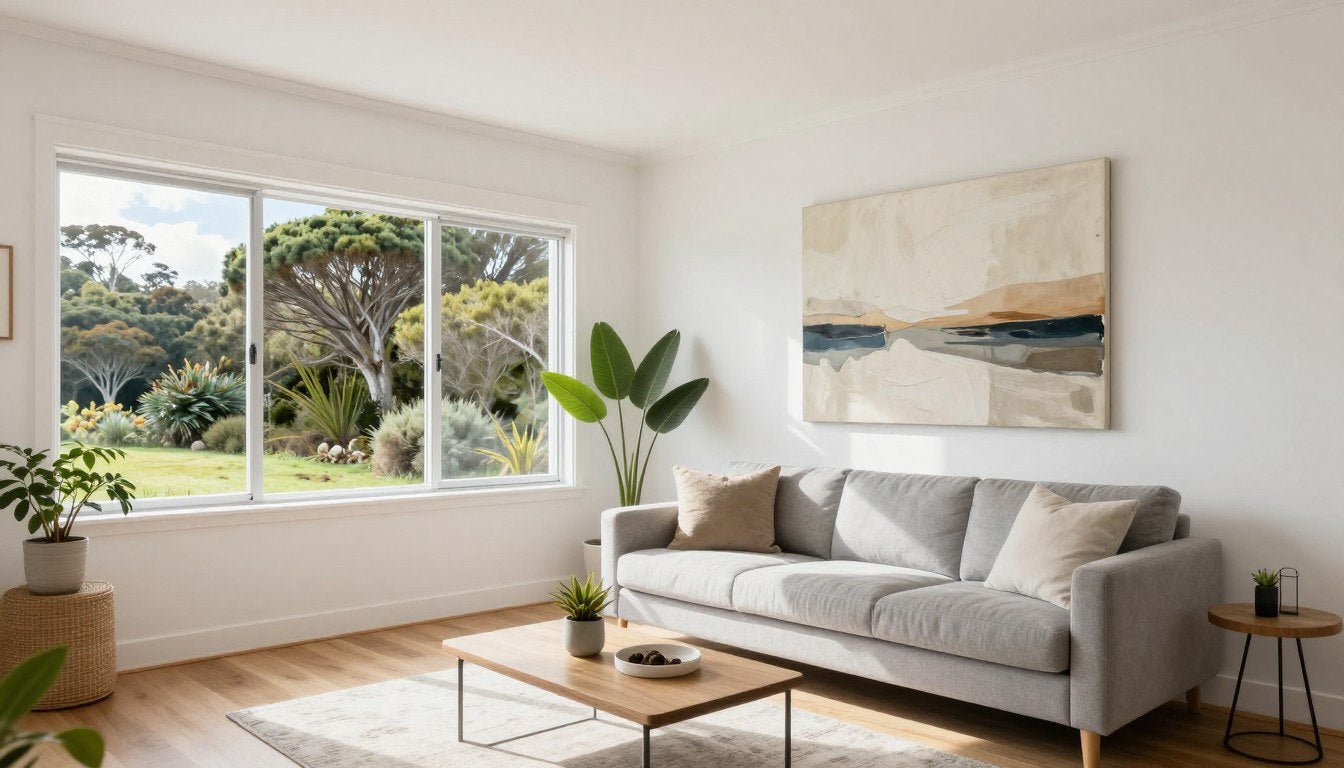
Living room art should anchor seating arrangements and create conversation starters. Large-scale pieces work above sofas, while gallery walls suit spaces with multiple seating zones.
Consider the room's primary function. Entertainment-focused spaces benefit from energetic compositions, while relaxation-oriented rooms need calmer palettes. Your choice of living room canvas prints should reinforce the room's intended atmosphere.

Bedroom Abstract Art
Bedroom artwork influences sleep quality and morning mood. Soft, organic abstracts in muted tones promote rest, while vibrant pieces energize morning routines.
Position art where it's visible from the bed but doesn't overwhelm the space. Bedroom canvas prints work best in calming colour families that complement bedding and window treatments.

Office and Study Spaces
Home offices require artwork that stimulates focus without causing distraction. Geometric abstracts with structured compositions support concentration, while chaotic patterns can fragment attention.
Colour psychology matters in work environments. Blues promote productivity, greens reduce eye strain, and warm neutrals create welcoming video call backgrounds. Select pieces that enhance rather than compete with your workflow.

Dining and Kitchen Areas
Dining spaces welcome bold, expressive abstracts that energize gatherings. These social zones allow more adventurous colour choices than private rooms.
Kitchen art faces moisture and temperature fluctuations. Ensure any pieces near cooking areas feature protective coatings and avoid direct steam exposure to maintain longevity.

Sizing and Placement Strategies
Proper sizing transforms good art into great design. Too small creates visual insignificance, while oversized pieces overwhelm architecture and furniture.

The Two-Thirds Rule
For furniture placement, art should span roughly two-thirds of the furniture width below it. A 2-meter sofa pairs ideally with artwork measuring 1.3-1.4 meters wide.
This proportion creates visual balance without exact matching. Slight variations add interest, but staying within the two-thirds range ensures cohesion.
Eye-Level Hanging
Gallery standard positions artwork center at 145-152 cm from the floor. This height suits average adult eye level and works across most residential applications.
Adjust for specific contexts. Dining room art hangs slightly lower to align with seated eye level, while entryway pieces can sit higher to create impact.

Multiple Piece Arrangements
Gallery walls require planning. Maintain 5-7 cm spacing between frames, and treat the entire arrangement as one large piece for sizing purposes.
Diptychs and triptychs need tight spacing—approximately 2-5 cm—to read as unified compositions. Too much gap breaks the visual relationship between panels.

Room Proportion Considerations
Large rooms accommodate substantial pieces without overwhelming. A 3-meter wall supports artwork up to 2 meters wide, especially in open-plan spaces with high ceilings.
Small rooms benefit from medium-sized pieces that provide impact without dominating. One well-chosen artwork often outperforms multiple smaller pieces in compact spaces.
Explore Our Abstract Collection
Discover gallery-quality abstract canvas prints and original paintings crafted with archival inks and UV-resistant materials. Each piece is hand-stretched and made to order for New Zealand homes.
Frequently Asked Questions
Q: What colours work best for abstract wall art in New Zealand homes?
A: Neutral palettes with warm undertones complement New Zealand's popular Scandinavian and contemporary design styles. Earth tones like terracotta, sage, and sand blend seamlessly with natural timber and white walls.
However, bolder colours work beautifully as accent pieces. Navy blues, deep greens, and muted burgundies add sophistication without overwhelming neutral spaces. Consider your existing colour scheme and whether you want art to complement or contrast.
Q: How do I choose between canvas prints and original paintings?
A: Canvas prints offer gallery-quality reproduction at accessible prices, making them ideal for multiple rooms or budget-conscious projects. They use archival inks and UV-resistant coatings for longevity comparable to originals.
Original paintings provide unique texture and investment value. Each brushstroke is one-of-a-kind, and originals appreciate over time. Choose originals for statement pieces in primary living areas and prints for secondary spaces or rental properties.
Q: What size abstract art should I choose for above my sofa?
A: Measure your sofa width and multiply by 0.66 to find the ideal artwork width. For a standard 200cm sofa, this suggests artwork around 130-140cm wide. Height depends on your ceiling, but 60-90cm works for most residential spaces.
Alternatively, use a gallery wall arrangement spanning the same two-thirds width with multiple pieces. This approach adds visual interest while maintaining proper proportion.
Q: How do I protect abstract wall art from sun damage in New Zealand?
A: UV-resistant coatings provide the first line of defense. Quality prints include this protection automatically, but you can add UV-filtering glass for additional security.
Avoid direct sunlight exposure where possible. North-facing walls receive intense sun throughout the day, so position valuable pieces on east or south walls. Window films and sheer curtains also reduce UV exposure while maintaining natural light.
Q: Can abstract art work in traditional New Zealand homes?
A: Absolutely. Abstract art creates beautiful contrast in character homes with period features. The key is selecting pieces with colour palettes that honour the home's heritage.
Organic abstracts in muted tones complement Victorian and Edwardian interiors beautifully. Avoid ultra-modern geometric pieces in traditional settings, opting instead for softer compositions that bridge historical and contemporary aesthetics.
Q: What's the difference between gallery wrap and framed canvas?
A: Gallery wrap extends the image around canvas edges, creating a frameless contemporary look. This option suits modern interiors and saves framing costs.
Framed canvas adds architectural presence through pine wood frames or oak floater frames. Floater frames create sophisticated shadow gaps that enhance dimensionality. Choose based on your interior style and whether you want the frame to contribute to the overall design.
Selecting abstract wall art for your New Zealand home involves balancing aesthetic preferences with practical considerations. Quality materials, proper sizing, and thoughtful placement transform blank walls into personal galleries that evolve with your life.
The right piece doesn't simply fill space. It anchors a room, influences mood, and expresses aspects of your personality that words can't capture. Whether you choose energetic geometric forms or calming organic shapes, invest in quality that endures.

Explore our Canvas Prints collection to discover pieces crafted with archival inks, hand-stretched canvas, and gallery-quality attention to detail. Each artwork arrives ready to hang, made to order for discerning New Zealand homes.
Transform Your Space Today
Browse our curated collection of abstract wall art designed specifically for New Zealand interiors. Every piece features UV-resistant materials and comes with our quality guarantee.

About the Author
Chiara Rossetti
Chiara Rossetti is the founder of Rossetti Art, a canvas print and original art brand. She writes about interior design, wall art styling, and the art of making a home feel alive.

Leave a comment
This site is protected by hCaptcha and the hCaptcha Privacy Policy and Terms of Service apply.