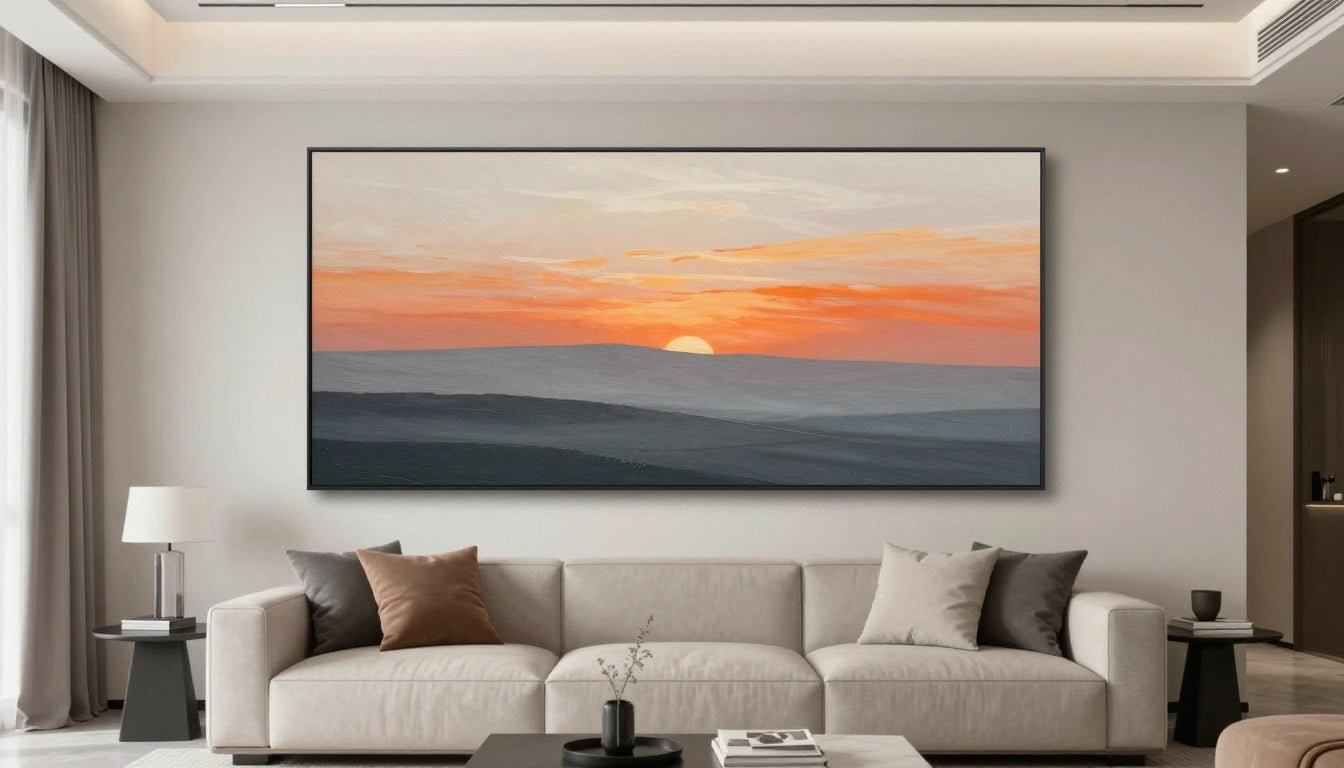
The wall in your living room whispers for something more. Abstract landscape wall art offers that perfect bridge between nature's beauty and contemporary design, bringing depth and personality to any space without demanding literal interpretation.
This art form captures the essence of landscapes through color, texture, and emotion rather than precise representation. It invites you to feel the sunset's warmth or sense a mountain's presence without seeing every detail.
What Is Abstract Landscape Wall Art?
Abstract landscape wall art reimagines natural scenes through simplified forms, expressive colors, and emotional interpretation rather than photographic accuracy. Artists distill landscapes to their essential elements—sweeping horizons, layered terrain, atmospheric moods—creating pieces that feel familiar yet refreshingly open to personal interpretation.
This artwork category has gained tremendous popularity in modern interior design. The beauty lies in its versatility and emotional resonance.

Unlike traditional landscape paintings that capture specific locations, abstract versions offer freedom. They suggest rather than dictate. A piece might evoke coastal waters through layers of blue and teal, or mountain ranges via jagged earth tones and peaks of white.
The style emerged from mid-century modern art movements. Artists began questioning whether art needed to mirror reality exactly. They found power in suggestion and interpretation.

Today's abstract landscape pieces often combine traditional painting techniques with contemporary sensibilities. Many feature geometric shapes alongside organic forms, creating dynamic tension that captures the eye.
The art works exceptionally well in various home settings. In a living room, a large abstract landscape becomes an instant focal point above the sofa. For bedroom spaces, softer tones and horizontal compositions promote tranquility.
Key Characteristics of Abstract Landscape Art
Visual Elements
Abstract landscapes use simplified forms to suggest natural features without literal representation. Artists employ broad color fields, horizon lines, and textural contrasts.
- Simplified natural forms and shapes
- Emphasis on color relationships
- Varied texture and layering techniques
- Strong compositional balance

Emotional Impact
These pieces evoke feelings and memories rather than depicting specific places. The ambiguity allows viewers to connect personally with each artwork.
- Open to personal interpretation
- Evokes mood and atmosphere
- Creates contemplative spaces
- Connects with viewer emotions

Quality matters significantly in this art category. Rossetti Art creates each canvas print using archival inks that resist fading over time. The prints arrive on hand-stretched canvas mounted on durable hardwood frames, ready to hang immediately.
The collection spans multiple aesthetic approaches. Some pieces feature bold, saturated colors that energize a space. Others embrace muted, sophisticated palettes like the popular cool grey horizon series that complements minimalist interiors.

Many collectors start with one statement piece then build a curated wall over time. The abstract nature allows multiple artworks to coexist without visual competition.
Pro Tip: When selecting abstract landscape wall art, consider the existing colors in your space but don't feel confined by them. Sometimes a complementary contrast creates the most striking visual impact.
The best abstract landscape pieces feel effortless yet intentional. They balance familiarity with intrigue, offering something new to discover with each viewing while maintaining overall harmony in your home.

Choosing Colors for Your Space
Color selection transforms abstract landscape wall art from beautiful to perfect for your specific room. The right palette enhances your existing design while setting the emotional tone you want to achieve.
Understanding color psychology helps guide decisions. Blues and greens create calm, restful environments ideal for bedrooms and living spaces where relaxation matters. Warmer tones like terracotta, gold, and amber energize areas and add welcoming warmth.

Matching Art to Room Function
Different rooms serve different purposes. Your artwork colors should support each space's primary function and mood.
For living room areas where you entertain and unwind, consider versatile palettes. Mid-tone colors work beautifully—think sage greens, dusty blues, or soft earth tones. These create visual interest without overwhelming conversation areas.

Bedroom wall art benefits from soothing, low-contrast compositions. The evening waters collection exemplifies this approach with its gentle gradations of deep blues and purples. These colors promote restful sleep while maintaining sophisticated style.
Home offices and creative spaces thrive with energizing colors. Consider abstract landscapes featuring vibrant oranges, yellows, or dynamic color combinations that stimulate creativity and focus.

Working with Existing Decor
Your current room colors provide a foundation for art selection. Three main approaches work effectively.
Complementary matching picks up accent colors already present in furniture, rugs, or accessories. This creates a cohesive, designed look where everything feels intentionally put together.
Contrast approach introduces colors absent from your current palette. A room dominated by neutral greys and whites might come alive with a bold abstract landscape featuring rust, teal, or deep green tones.

Tonal harmony stays within the same color family but varies intensity and shade. A blue room gains depth from abstract landscape art mixing navy, sky blue, and aqua tones in one composition.
Color Tip: When uncertain between two color directions, choose the piece that makes you feel something. Emotional response to art matters more than perfect color coordination.
Popular Color Combinations
Certain color pairings in abstract landscape wall art consistently deliver stunning results across various interior style preferences.
Earth & Sky

Warm browns, tans, and terracotta paired with soft blues create grounded yet uplifting combinations. These colors reference natural landscapes while maintaining contemporary appeal.
Coastal Palette

Aqua, teal, seafoam, and sandy beige tones bring seaside tranquility anywhere. This palette works beautifully in bathrooms, bedrooms, and coastal-style homes.
Monochromatic Depth

Variations of a single color create sophisticated depth. The cool grey horizon series demonstrates how multiple grey shades generate visual interest without color complexity.
Metallics add another dimension to color discussions. Gold canvas accents catch light beautifully, adding warmth and luxury. These work particularly well in evening-lit spaces or rooms with warm lighting schemes.

Seasonal Color Flexibility
Some homeowners enjoy refreshing their spaces seasonally. Abstract landscape art offers flexibility here through thoughtful selection.
Neutral-based abstract landscapes with subtle color accents adapt easily as you change textiles and accessories. A piece dominated by cream and grey with touches of coral works year-round—just swap pillow covers and throws seasonally.
Alternatively, colorful canvas prints featuring multiple hues allow you to emphasize different colors through surrounding decor changes. A piece containing blues, greens, and warm golds can shift from summer-fresh to autumn-cozy depending on what you pair with it.

The colorful canvas prints collection offers pieces designed with this versatility in mind. Each artwork balances multiple tones that work harmoniously while providing decorating flexibility.
Remember that lighting dramatically affects color perception. Natural daylight reveals true colors, while warm incandescent bulbs enhance reds and yellows. LED lights vary by temperature rating. View potential artwork under your actual room lighting conditions when possible.

Sizing and Placement Tips
The most stunning abstract artwork loses impact when sized incorrectly or placed poorly. Understanding proportion, height, and arrangement transforms good wall art into great interior design.
Scale matters tremendously. A common mistake involves choosing pieces too small for the wall or furniture below. The result feels disconnected and diminishes the art's presence.

Proportional Guidelines
For art above furniture, aim for pieces that span two-thirds to three-quarters of the furniture width. A 90-inch sofa pairs beautifully with art between 60-68 inches wide. This creates visual balance without overwhelming the space.
Large canvas prints make dramatic statements in spacious rooms. These pieces (60 inches or larger) anchor living areas effectively, especially on walls with high ceilings or open floor plans.

Smaller spaces benefit from medium-sized pieces (30-48 inches) that provide impact without crowding. These work perfectly above console tables, in hallways, or bedroom walls.
Hanging Height Fundamentals
The universal rule places art so its center sits at eye level, typically 57-60 inches from the floor. This standard comes from museum and gallery practices designed for optimal viewing.
Adjust this rule contextually. In rooms where you're usually seated (dining rooms, living rooms), slightly lower placement feels more natural. For hallways and standing areas, standard height works perfectly.

Above furniture, leave 6-8 inches between the furniture top and artwork bottom. This connects the pieces visually while maintaining breathing room. Closer spacing creates tension; more distance feels disconnected.
📐 Not sure what size to choose? Use our free Wall Art Size Calculator → https://rossettiart.com/blogs/news/wall-art-size-calculator
Single Statement Piece vs. Gallery Walls
Both approaches work beautifully with abstract landscape art. Your choice depends on personal style and wall characteristics.
A single large piece creates immediate impact with minimal effort. This approach suits contemporary, minimalist spaces where simplicity reigns. One powerful abstract landscape commands attention and sets the room's entire mood.

Gallery walls offer versatility and personality. Mix sizes, orientations, and frames to create dynamic arrangements. Abstract landscapes work exceptionally well in gallery configurations because their non-literal nature allows different pieces to harmonize easily.
For gallery wall success, plan your layout on the floor first. Arrange pieces until the composition feels balanced, then transfer measurements to the wall. Maintain consistent spacing (typically 2-3 inches) between frames.

Gallery Wall Tips
- Start with the largest piece as your anchor
- Maintain consistent frame style for cohesion
- Use varying sizes for visual interest
- Keep total gallery width proportional to wall
- Balance visual weight across the arrangement
- Include both horizontal and vertical pieces

Room-Specific Placement Strategies
Each room presents unique opportunities and challenges for displaying wall art effectively.
Living rooms typically feature a primary focal wall, often behind the sofa. This location deserves your most substantial or impactful piece. Abstract landscape wall art here sets the tone for your entire home.

Alternative living room placements include above the fireplace mantel or on a wall opposite the main seating area. These locations work when architectural features guide traffic flow differently.
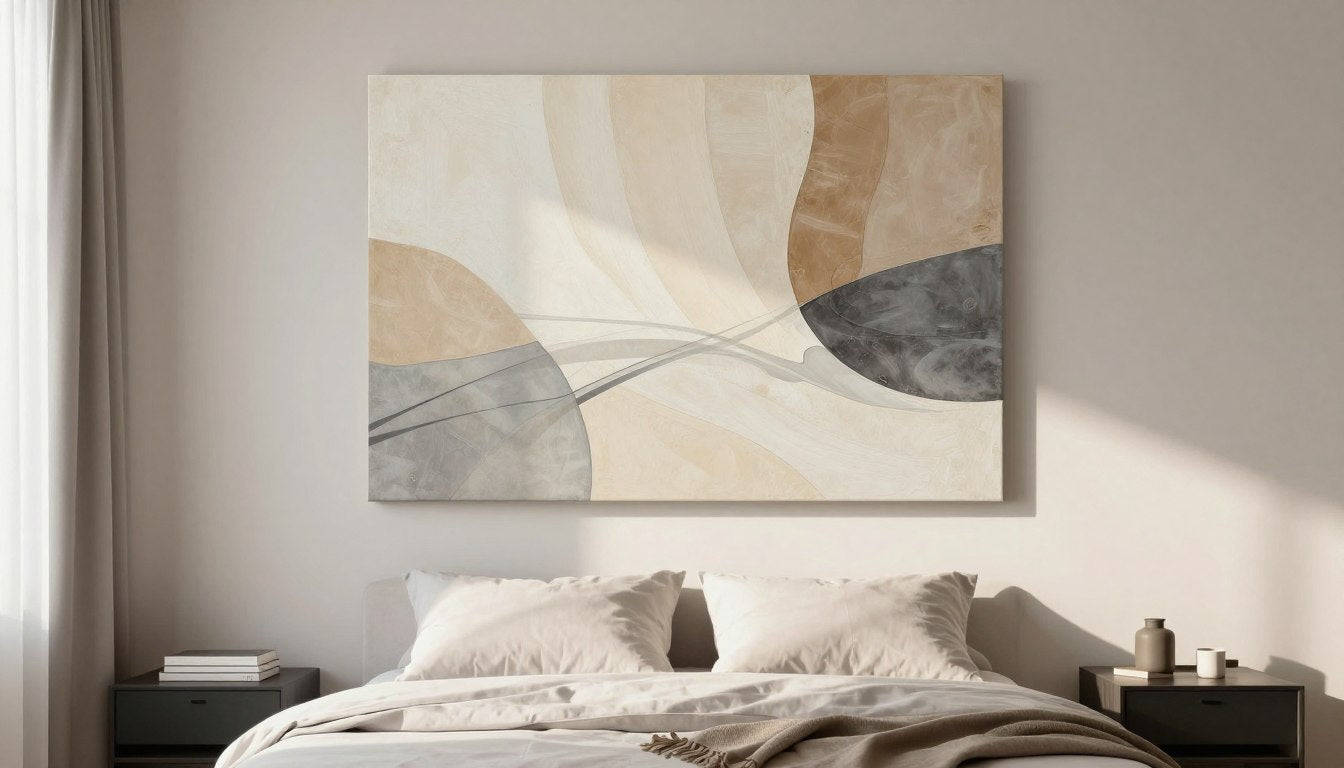
Bedrooms naturally center art above the bed. This location should feel calming and personal. Horizontal compositions complement bed width and reinforce the room's restful purpose.

Consider symmetrical pairs of smaller pieces flanking the bed for a balanced, hotel-inspired look. This approach works beautifully with matching bedside tables and lamps.
Dining rooms benefit from art that sparks conversation without distracting from meals. Abstract landscapes provide visual interest while maintaining sophistication appropriate for entertaining.

Multiple Pieces in One Room
Larger homes or open-concept spaces may accommodate several art pieces in one area. Handle this thoughtfully to avoid visual chaos.
Maintain a unifying element across pieces—similar color palettes, frame styles, or the abstract landscape theme itself. This creates cohesion even when displaying multiple artists or styles.
Vary the scale to establish hierarchy. One larger piece should dominate, with smaller works playing supporting roles. This prevents competition for attention and guides the eye naturally through the space.

The large canvas prints collection offers pieces perfect for anchoring these multi-piece arrangements, while smaller works from other collections complement beautifully.
Special Considerations
Certain architectural features require adapted approaches to placement and sizing.
Walls with windows need careful planning. Avoid placing art where sunlight hits directly for extended periods, as this accelerates fading even with UV-resistant materials. Position pieces adjacent to windows rather than between them when possible.

Sloped or angled walls, common in attics or upper floors, work wonderfully for art. Follow the wall's angle rather than fighting it. This creates dynamic, intentional-looking installations.
Narrow walls and hallways deserve special attention. Vertical or narrow horizontal pieces work best. Create a gallery hall effect by lining both walls with coordinated abstract landscapes at consistent height and spacing.

Popular Styles and Techniques
Abstract landscape wall art encompasses diverse approaches, each bringing distinct character to your walls. Understanding these styles helps you identify pieces that resonate with your aesthetic preferences.
Contemporary abstract landscapes blend traditional painting techniques with modern sensibilities. The result feels fresh yet timeless—art that works in today's homes while maintaining enduring appeal.

Minimalist Abstract Landscapes
Minimalist approaches distill landscapes to essential elements. Think vast color fields meeting at a single horizon line, or subtle gradations suggesting atmospheric depth.
These pieces often feature limited color palettes—two to four hues maximum. The cool grey horizon artworks exemplify this aesthetic with their sophisticated restraint and calming presence.

Minimalist abstract landscape art suits modern and Scandinavian interior design styles perfectly. The simplicity allows the work to integrate seamlessly while still providing visual interest.
This style proves particularly effective in smaller spaces where busy compositions might overwhelm. The open, uncluttered nature creates breathing room and enhances perceived space.
Textured and Layered Compositions
Opposite minimalism, heavily textured abstract landscapes add tactile dimension to walls. These pieces feature visible brush strokes, palette knife work, or mixed media elements creating physical depth.
Texture catches light throughout the day, making the artwork appear subtly different as lighting conditions change. This dynamic quality adds life and movement to static wall art.

Layering techniques build complexity through transparent glazes or overlapping paint applications. Artists build depth by allowing lower layers to peek through, creating rich, complex surfaces that reward close viewing.
These textured pieces work beautifully when paired with oak floater frames that create shadow gaps between frame and canvas, emphasizing the artwork's dimensional quality.

Color Field and Atmospheric Styles
Color field abstract landscapes focus on large areas of color that blend and transition gradually. These create immersive, meditative viewing experiences.
Think of skies at twilight where colors shift from warm pinks to deep purples almost imperceptibly. This atmospheric quality brings tranquility and depth to any room.

The evening waters series demonstrates this approach beautifully, capturing the mysterious quality of water surfaces at dusk through subtle color shifts and soft edges.
These works suit spaces where you want to encourage relaxation and contemplation—bedrooms, reading nooks, or meditation areas benefit from their calming presence.
Geometric Abstract Landscapes
Some abstract landscape art incorporates geometric shapes to suggest natural forms. Triangles become mountains, rectangles form fields, circles represent suns or moons.
This approach feels structured yet playful, bridging abstract art and recognizable landscape elements. The geometric nature appeals to those who appreciate both order and creativity.

Geometric abstract landscapes work exceptionally well in contemporary and mid-century modern interiors. They echo architectural elements while maintaining artistic expression.
These pieces often employ bold color blocking—distinct areas of saturated color meeting at clean edges. This creates graphic impact that reads clearly from across the room.

Impressionistic Abstract Approaches
Some abstract landscape art leans toward impressionistic techniques, using broken color and loose brushwork to suggest rather than define forms.
These pieces maintain more recognizable landscape references than purely abstract works while still allowing significant interpretive freedom. You might sense rolling hills or forest depths without seeing literal details.

This style bridges traditional landscape painting and abstract art, making it accessible to those transitioning from representational art preferences toward more contemporary tastes.
Mixed Media Abstract Landscapes
Contemporary artists increasingly incorporate mixed media elements—metallic leaf, collage elements, or unconventional materials—into abstract landscape compositions.

These experimental pieces bring unique character to spaces. Metallic accents catch light dramatically, adding luxury and visual intrigue to the composition.
Monochromatic Studies
Working within a single color family creates sophisticated depth through value and saturation variations rather than color contrasts.

These pieces prove that color variety isn't necessary for visual interest. Subtle tonal shifts create complexity while maintaining overall harmony.
Choosing Your Style Direction
Your personal response matters most when selecting abstract landscape wall art. The "right" style is whatever speaks to you and enhances how you want your space to feel.
Consider your existing decor style as a guide. Minimalist interiors pair naturally with simplified abstract landscapes. Traditional homes might lean toward pieces with more classical color palettes or impressionistic approaches.

Don't feel constrained by matching exactly, though. Sometimes contrast creates the most interesting results. A heavily textured, colorful abstract landscape can breathe life into an otherwise neutral, minimal space.
The modern wall art collection spans these various approaches, offering options for every aesthetic preference and interior style.
Style Tip: When uncertain, choose artwork that makes you pause and look closer. The pieces you keep returning to visually are usually the ones you'll love living with long-term.
Quality and Printing Techniques
Understanding how canvas art is produced helps you appreciate quality differences and make informed selections.
Gallery-quality reproduction uses archival inks specifically formulated for longevity. These pigment-based inks resist fading far better than dye-based alternatives, maintaining color vibrancy for decades.
The canvas itself matters significantly. Premium cotton canvas provides superior texture and durability compared to synthetic alternatives. It accepts ink beautifully and maintains structural integrity over time.

Hand-stretched canvas ensures proper tension and professional presentation. Each piece arrives on a sturdy pine wood frame, gallery-wrapped and ready to hang immediately—no additional framing required.
This made to order approach allows customization to your specific needs while maintaining exceptional quality standards. Each print made receives individual attention during production and quality checking.

The combination of premium materials and careful production processes ensures your abstract landscape wall art maintains its beauty and impact for years. This investment quality distinguishes serious art from disposable decor.
Caring for Your Canvas Art
Proper care ensures your abstract artwork retains its vibrant appearance and structural integrity for decades. Canvas prints require minimal maintenance but benefit from thoughtful handling and placement.
Unlike framed works behind glass, canvas art interacts directly with its environment. This accessibility creates its appealing texture and presence but requires some protective awareness.

Placement Considerations for Longevity
Location dramatically affects artwork lifespan. Even with UV-resistant inks and materials, strategic placement protects your investment.
Avoid direct sunlight whenever possible. While archival inks resist fading far better than standard prints, prolonged direct sun exposure still causes gradual color shift over years. Position pieces on walls perpendicular to windows rather than opposite them.
In rooms with unavoidable sun exposure, consider UV-filtering window films or curtains that reduce harmful light during peak hours. This simple step extends artwork life significantly.

Temperature and humidity extremes stress canvas materials. Avoid hanging art directly above heat sources like radiators or fireplaces, and keep pieces away from kitchen areas where steam and temperature fluctuations are common.
Bathrooms generally aren't ideal for canvas art due to moisture, though well-ventilated powder rooms with minimal shower use can work. For high-humidity environments, consider alternative wall decor materials.
Cleaning and Dust Maintenance
Regular light dusting keeps canvas art looking fresh. Use a clean, soft, dry cloth or a gentle duster designed for delicate surfaces.
Always dust gently in one direction rather than circular motions, moving with the canvas weave rather than against it. Never apply pressure—let the cloth barely touch the surface.

For stubborn dust in textured areas, a clean, soft-bristle paintbrush works well. Lightly brush dust toward the canvas edges where it can be wiped away.
Avoid liquid cleaners, commercial art cleaning products, or anything damp on canvas prints. Moisture can damage both the canvas and inks. If serious cleaning becomes necessary, consult professional art conservators.
Important: Never use household cleaners, window spray, or wet cloths on canvas art. Even water can cause irreversible damage to inks and canvas material.
Handling and Moving Canvas Art
When moving or adjusting your wall art, always handle pieces by their frame edges, never touching the canvas surface directly.
Skin oils transfer easily to canvas and attract dust over time, potentially creating permanent marks. This becomes particularly noticeable on lighter-colored pieces like cool grey horizon artworks.

If storing canvas art temporarily, keep pieces face-to-face with protective paper or cloth between canvases. Store in climate-controlled areas away from concrete floors or exterior walls where moisture might accumulate.
Never stack items on top of canvas art or lean heavy objects against it. The stretched canvas is resilient but can dent or puncture under concentrated pressure.
Frame and Hardware Maintenance
The hardwood frame supporting your canvas requires minimal care but benefits from occasional attention.
Check hanging hardware periodically to ensure screws or brackets remain secure. Wood naturally expands and contracts with humidity changes, sometimes loosening mounting hardware over time.

For pieces with oak floater frames, the same principles apply. Occasionally check that the floater frame attachment remains secure and that no gaps have developed between frame and canvas.
Wood frames benefit from occasional dusting just like the canvas. Use the same soft, dry cloth approach, wiping frame surfaces gently to remove accumulated dust.
Long-Term Preservation
Rotate or reposition artwork every few years if your space allows. This prevents uneven aging from consistent lighting conditions and gives you fresh perspective on your collection.
Consider the life expectancy of quality canvas prints to be decades when properly cared for. The combination of archival inks, premium canvas, and thoughtful placement creates artwork that becomes part of your home's long-term story.

Document your artwork with photographs when first installed. These serve as references for insurance purposes and allow you to notice any gradual changes over time that might require attention.
Preservation Tip: Consider keeping any original packaging materials for at least a year. If you move or need to transport your artwork, original packaging provides ideal protection designed specifically for the piece.
Professional Care When Needed
Most canvas art maintenance is straightforward and manageable. However, certain situations warrant professional attention.
If canvas becomes damaged—torn, punctured, or water-damaged—professional art conservators can often repair issues that seem irreversible. Acting quickly after damage occurs provides the best outcomes.
For valuable original paintings or limited-edition prints, consider professional conservation assessments every 5-10 years. These specialists can identify potential issues before they become serious problems.

Many insurance policies cover art damage, though coverage varies significantly. If you own valuable pieces, review your policy and consider riders specifically covering fine art.
Seasonal Considerations
Different seasons present varying challenges for canvas art preservation, particularly in regions with significant climate variation.
Winter heating systems can create very dry indoor air. Using humidifiers maintains healthier moisture levels for both you and your artwork—aim for 40-50% relative humidity.
Summer humidity requires the opposite concern in humid climates. Air conditioning helps, but ensure artwork hangs in air-conditioned spaces rather than uncontrolled areas like garages or sheds.

Coastal homes face additional humidity challenges. While UV-resistant materials help with sun exposure, the salt air and moisture require extra vigilance. Excellent ventilation and climate control become especially important.
Frequently Asked Questions
Q: What is abstract landscape wall art?
A: Abstract landscape wall art interprets natural scenes through simplified forms, expressive colors, and emotional atmosphere rather than realistic detail. These pieces suggest landscapes—horizons, terrain, skies, waters—using color fields, geometric shapes, and textural elements that allow personal interpretation. Unlike traditional landscape paintings showing specific locations, abstract versions capture the essence and feeling of natural environments, making them versatile for various interior styles and personal tastes.
Q: How do I choose the right size abstract landscape art for my wall?
A: For art above furniture, select pieces spanning two-thirds to three-quarters of the furniture width—a 90-inch sofa pairs beautifully with 60-68 inch artwork. Hang pieces so the center sits at eye level (57-60 inches from floor), adjusting slightly lower in rooms where you're usually seated. Leave 6-8 inches between furniture top and artwork bottom. For empty walls, consider the wall's total size—large walls (over 120 inches) accommodate statement pieces 60+ inches wide, while smaller walls work better with 30-48 inch pieces.
Q: What colors work best in abstract landscape wall art for living rooms?
A: Living rooms benefit from versatile mid-tone palettes that create visual interest without overwhelming the space. Popular options include sage greens with dusty blues, warm earth tones paired with sky blues, or sophisticated monochromatic palettes like cool greys with cream accents. Consider your existing decor—complementary colors create cohesion, while contrasting colors add dynamic energy. For rooms with neutral furnishings, abstract landscapes with multiple colors offer decorating flexibility, allowing you to emphasize different tones through seasonal accessory changes.
Q: How do I care for canvas prints and keep them looking new?
A: Dust canvas prints regularly using a soft, dry cloth or gentle duster, always moving in one direction with the canvas weave. Never use liquid cleaners or damp cloths, as moisture damages both canvas and inks. Position artwork away from direct sunlight when possible, even with UV-resistant materials. Avoid hanging canvas art directly above heat sources or in high-humidity areas like bathrooms. Handle pieces by frame edges only, never touching the canvas surface, as skin oils attract dust and can create permanent marks. Check mounting hardware periodically to ensure secure hanging.
Q: What's the difference between abstract landscape canvas prints and original paintings?
A: Original paintings are one-of-a-kind artworks created directly by artists, featuring unique brushwork, texture, and paint application. They carry higher price points and investment potential. Canvas prints reproduce artwork using high-quality archival inks on premium canvas, offering gallery-quality appearance at accessible prices. Quality prints use hand-stretched canvas on wood frames with UV-resistant, fade-proof inks that maintain vibrancy for decades. Both options provide beautiful abstract landscape art—originals suit collectors seeking unique pieces, while prints offer excellent quality and value for decorating homes with museum-worthy reproductions.
Q: Can abstract landscape art work in traditional or classic interiors?
A: Absolutely. Abstract landscape art bridges traditional and contemporary aesthetics beautifully when selected thoughtfully. For classic interiors, choose pieces with more subdued, sophisticated color palettes—earth tones, muted blues, or monochromatic schemes work particularly well. Impressionistic abstract landscapes that maintain recognizable landscape references feel more accessible in traditional spaces. Consider frame choices too—oak floater frames or more ornate framing options can help abstract pieces feel appropriate in traditional settings. The key is selecting artwork with colors and composition style that complement rather than clash with your existing classical elements.
Abstract landscape wall art transforms empty walls into personal statements that reflect your style and enhance your daily environment. Whether you're drawn to minimalist horizons, textured masterpieces, or vibrant color fields, the right piece elevates your entire space.
The journey from blank wall to beautifully curated room begins with understanding what speaks to you—the colors that calm or energize, the styles that resonate, the sizes that balance your specific space. Trust your instincts while applying the practical guidelines we've explored.

Quality matters in art that you'll live with daily. Gallery-quality materials ensure your investment maintains its beauty and impact for years, becoming part of your home's story rather than disposable decor.
Start your journey toward more inspired walls. Explore our abstract canvas prints collection to discover pieces that transform your house into a home filled with color, emotion, and personal expression.

About the Author
Chiara Rossetti
Chiara Rossetti is the founder of Rossetti Art, a canvas print and original art brand. She writes about interior design, wall art styling, and the art of making a home feel alive.

Leave a comment
This site is protected by hCaptcha and the hCaptcha Privacy Policy and Terms of Service apply.