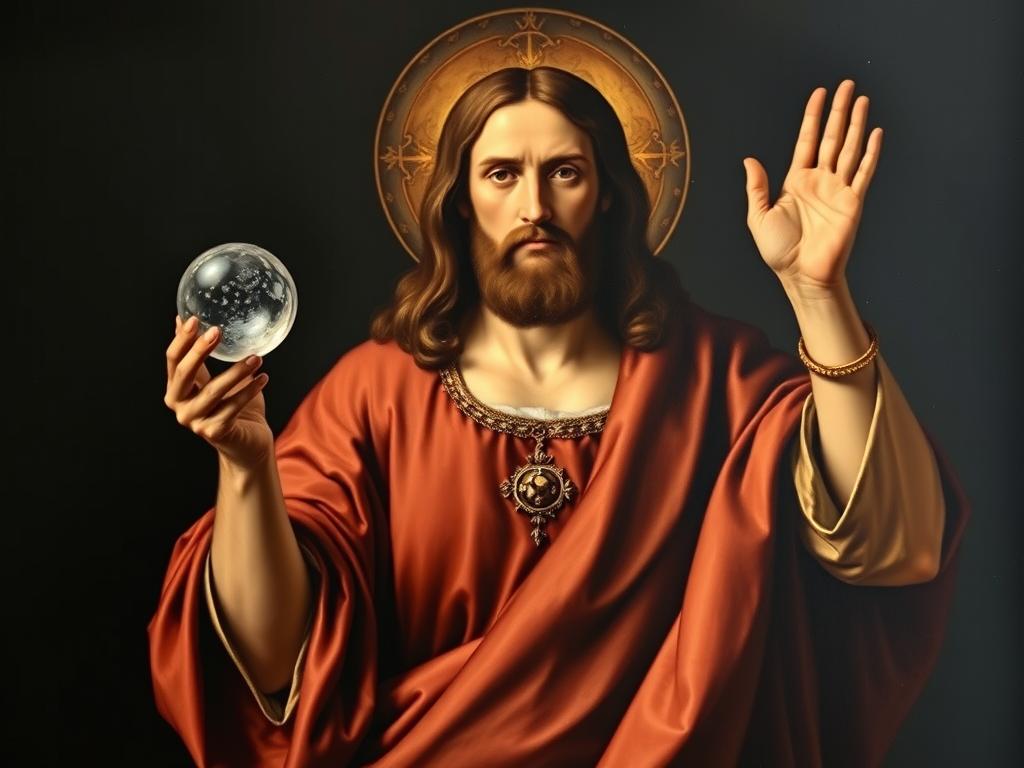
In November 2017, the art world watched in awe as Leonardo da Vinci's "Salvator Mundi" shattered auction records, selling for an unprecedented $450.3 million at Christie's New York. The painting's journey from obscurity to becoming the most expensive artwork ever sold is remarkable enough. But perhaps even more intriguing is the question that captivated global attention: who purchased this enigmatic portrait of Christ as "Savior of the World," and why?
The Extraordinary Journey of Salvator Mundi

Leonardo da Vinci's Salvator Mundi, the most expensive painting ever sold
Dating to around 1500, Salvator Mundi depicts Christ holding a crystal orb in his left hand while raising his right in benediction. The painting was long considered lost to history, having disappeared from public record for more than 200 years. In 2005, it surfaced at an obscure New Orleans auction house, where it was purchased by a consortium of art dealers for just $1,175.
Following extensive restoration by conservator Dianne Modestini, who removed centuries of overpainting and damage, the work was attributed to Leonardo da Vinci. This attribution, though controversial among some experts, was bolstered when London's National Gallery included the painting in its 2011-2012 Leonardo exhibition.
Russian billionaire Dmitry Rybolovlev acquired the painting in 2013 for $127.5 million through art dealer Yves Bouvier. Four years later, Rybolovlev's decision to auction the work would make art history.
The Historic $450 Million Auction

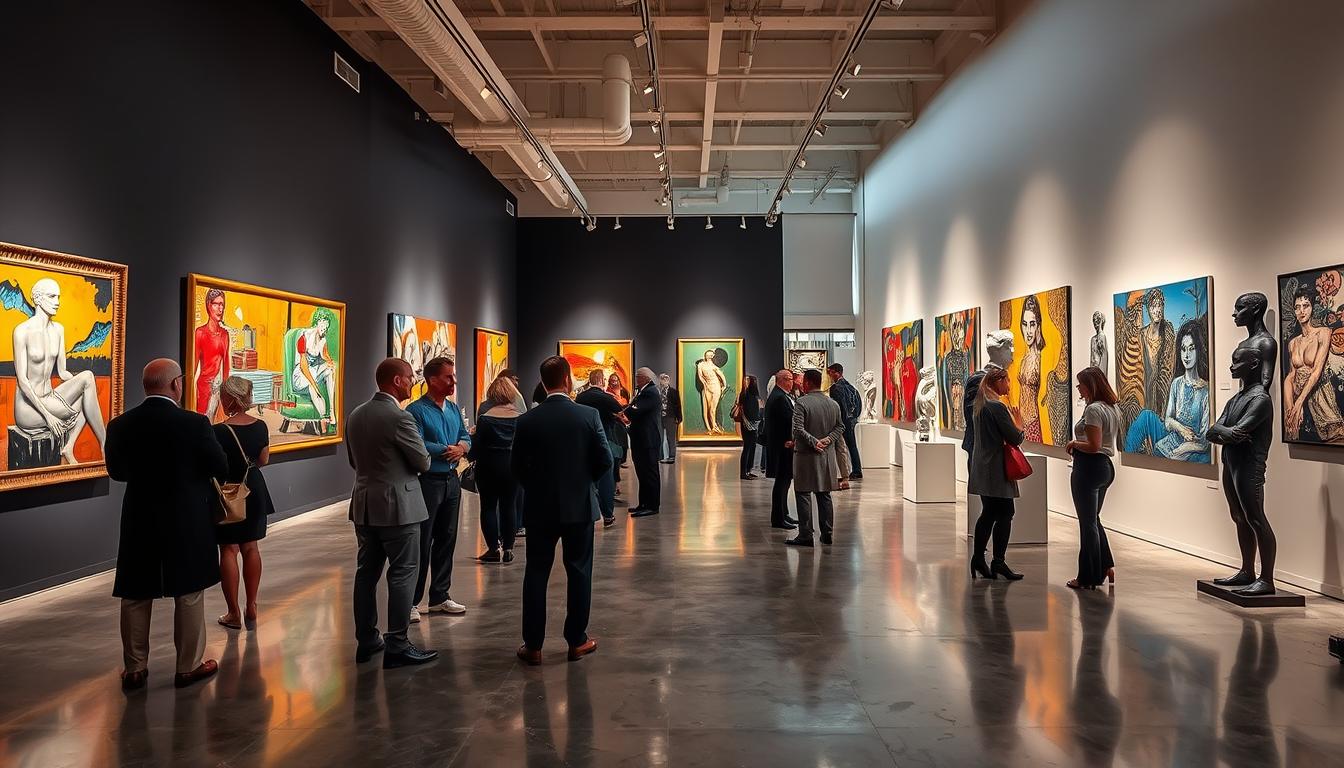
The historic auction at Christie's New York where Salvator Mundi sold for $450.3 million
On November 15, 2017, Christie's New York included the Salvator Mundi in its marquee evening sale of contemporary art—an unusual but strategic decision that widened the potential bidder base. The auction house marketed the painting as "The Last da Vinci," emphasizing its rarity as the only Leonardo painting remaining in private hands.
After 19 minutes of intense bidding, with gasps and applause from the packed auction room, the hammer fell at $400 million. With fees, the final price reached $450.3 million—more than double the previous auction record for any artwork.
The winning bid came via telephone, and the buyer's identity remained a closely guarded secret. Speculation ran rampant in the days following the historic sale.
Who Bought Salvator Mundi? The Saudi Connection Revealed

Crown Prince Mohammed bin Salman, the ultimate owner of Salvator Mundi
The mystery was solved in December 2017 when The New York Times and other publications revealed that the winning bidder was Prince Badr bin Abdullah Al Saud, Saudi Arabia's Minister of Culture. However, he was not purchasing for himself but acting as a proxy for Crown Prince Mohammed bin Salman, the de facto ruler of Saudi Arabia.
This revelation surprised many art world observers. Why would the Saudi Crown Prince, from a country with strict Islamic traditions that historically limited figurative art, purchase a Christian religious painting? The answer appears to lie at the intersection of geopolitics, personal prestige, and cultural ambition.
The Crown Prince's Motives and the Painting's Current Status

The Louvre Abu Dhabi, initially rumored to be the painting's destination
The purchase coincided with Prince Mohammed's broader Vision 2030 initiative to diversify Saudi Arabia's economy and develop its cultural sector. Many initially speculated that the painting would be displayed at the newly opened Louvre Abu Dhabi in the neighboring United Arab Emirates, potentially as a loan from Saudi Arabia.
However, the painting's planned exhibition at the Louvre Abu Dhabi was abruptly canceled in September 2018, and the work has not been publicly displayed since the auction. This has fueled intense speculation about its whereabouts.
Various theories have emerged: some suggest the painting is stored in a high-security vault in Geneva, Switzerland; others claim it's kept in Prince Mohammed's private residence or even aboard his $500 million superyacht, the Serene. Recent reports indicate it may be destined for a new museum being built in Saudi Arabia as part of the kingdom's cultural development plans.
Ongoing Debates About Authenticity

Detail of Christ's face in Salvator Mundi, showing the extensive restoration work
The painting's attribution to Leonardo remains controversial. While Christie's marketed it as an autograph Leonardo work, many scholars believe it may be primarily the work of his workshop with only some input from the master himself. The extensive restoration by Dianne Modestini has also raised questions about how much of what we see today is original to the 16th century.
These debates likely haven't concerned Prince Mohammed, who secured not just a potentially authentic Leonardo, but also a powerful symbol of cultural prestige and an extraordinary investment. Whether the painting is ever displayed publicly again remains one of the art world's most intriguing mysteries.
The Cultural Significance of Salvator Mundi

Visitors viewing the Mona Lisa at the Louvre, Leonardo's most famous work
Beyond its record-breaking price and controversial attribution, Salvator Mundi represents something profound about our cultural values. Like Leonardo's Mona Lisa, it has transcended its status as a mere artwork to become a global phenomenon—a symbol of mystery, wealth, power, and the enduring fascination with Renaissance genius.
The painting's journey from a $1,175 purchase to a $450 million masterpiece encapsulates the volatility of the art market and the complex interplay between artistic merit, provenance, and marketing that determines value in today's art world.
For Saudi Arabia, the acquisition represents a bold statement about the kingdom's ambitions to become a global cultural player, despite the controversies surrounding its human rights record and the 2018 murder of journalist Jamal Khashoggi, which U.S. intelligence agencies have linked to Prince Mohammed.
Leonardo's Enduring Legacy

Leonardo da Vinci's Vitruvian Man, exemplifying his genius across art and science
Leonardo da Vinci's works continue to captivate our imagination more than 500 years after his death. His unique blend of artistic brilliance, scientific curiosity, and technical innovation made him the quintessential Renaissance man. From the Mona Lisa to The Last Supper, his paintings are among the most recognized and revered cultural artifacts in human history.
While the authenticity debates around Salvator Mundi may continue indefinitely, the painting's story has undeniably brought renewed attention to Leonardo's extraordinary legacy and his enduring influence on art, science, and culture.
Own a Piece of Leonardo-Inspired Art

Vitruvian Fade Leonardo da Vinci Portrait Canvas Print
While few can aspire to own an original Leonardo, art enthusiasts can still bring the Renaissance master's genius into their homes through high-quality reproductions and artistic interpretations of his work.
Celebrate Leonardo's Genius in Your Home
The Vitruvian Fade Leonardo da Vinci Portrait Canvas Print offers a contemporary interpretation of Leonardo's iconic work, perfect for art lovers and history enthusiasts alike. This museum-quality canvas print combines Leonardo's famous Vitruvian Man with portrait elements in a stylish, modern design.
View Leonardo Canvas PrintThe Ongoing Mystery

The mystery of Salvator Mundi continues to captivate the art world
The saga of Salvator Mundi continues to unfold. Whether it will eventually be displayed in a Saudi museum, loaned to an international institution, or remain hidden from public view is yet another chapter waiting to be written in this extraordinary story.
What remains certain is that the painting—regardless of its exact attribution—has secured its place in art history not just for its possible connection to Leonardo da Vinci, but for the remarkable modern tale of its rediscovery, restoration, record-breaking sale, and mysterious disappearance.
The question "Who bought Salvator Mundi?" has been answered, but many mysteries about this enigmatic painting remain—ensuring its story will continue to fascinate us for years to come.


Leave a comment
This site is protected by hCaptcha and the hCaptcha Privacy Policy and Terms of Service apply.