
The interior design landscape of 2026 marks a significant shift away from the performative, picture-perfect spaces that dominated social media. Instead, we're embracing homes that feel genuinely lived-in, with tactile elements, personal stories, and a renewed appreciation for craftsmanship. This year's trends celebrate the imperfect, the handmade, and the deeply personal—creating spaces that feel more like a reflection of ourselves than a showroom display.
In this guide, we'll explore the 15 defining interior design trends of 2026, provide practical styling advice for implementing each one, and suggest the perfect art pairings to complete your space. Whether you're refreshing a single room or reimagining your entire home, you'll find actionable ideas that balance timeless appeal with contemporary sensibility.
TL;DR: 2026 Interior Design at a Glance
- Warm minimalism replaces stark, cold spaces with texture and natural materials
- Curved, organic silhouettes soften furniture lines and architectural elements
- Vintage and reused pieces add character and sustainability to modern interiors
- Strategic color returns in thoughtful, intentional applications
- Layered lighting creates depth and highlights focal points, especially art
- Statement art walls become the anchor for room design
- Sculptural accents transform everyday objects into conversation pieces
- Personalized, story-driven spaces replace generic styling
The 15 Interior Design Trends Defining 2026

Warm Minimalism
The cold, stark minimalism of previous years has evolved into something more inviting. Warm minimalism maintains clean lines and clutter-free spaces but incorporates natural textures, softer edges, and materials that age beautifully over time.
- Layer different textures in similar tones—think linen, wool, and raw wood—to create depth without visual noise
- Choose furniture with simple silhouettes but in warm, natural materials like walnut, oak, or bouclé
- Limit decorative objects to those with personal meaning or exceptional craftsmanship
Best rooms for it: Living rooms, bedrooms, home offices
Art pairing: This trend pairs beautifully with minimal line drawings that echo the clean aesthetic while adding a touch of humanity. Consider large-scale pieces with plenty of negative space that allow the eye to rest.
Curved & Organic Silhouettes
Angular furniture is giving way to pieces with softer, more organic lines that mimic forms found in nature. These curved elements bring a sense of flow and movement to spaces, making them feel more dynamic and inviting.
- Introduce a curved sofa or rounded armchair as a statement piece in living areas
- Look for tables with irregular or oval shapes rather than perfect circles or rectangles
- Balance curved elements with some straight lines to create visual tension
Best rooms for it: Living rooms, entryways, dining areas
Art pairing: Complement organic furniture with art that features fluid, curved lines. Abstract pieces with sweeping brushstrokes or organic forms create a harmonious dialogue with curved furniture.

Mixed Materials & Natural Finishes
2026 celebrates the beauty of contrasting textures and materials, especially those derived from nature. The juxtaposition of rough and smooth, matte and glossy creates spaces with depth and sensory appeal.
- Combine stone, wood, and metal within the same space, focusing on their natural characteristics
- Introduce handmade ceramics and textiles with visible craftsmanship
- Look for furniture that combines multiple materials, like stone tops with wooden bases
Best rooms for it: Kitchens, bathrooms, dining areas
Art pairing: Mixed-media artwork or textured original abstract paintings that incorporate multiple techniques enhance this trend. Look for pieces with dimensional elements that invite closer inspection.
Vintage & Reuse as Baseline
Sustainability has moved beyond trend to necessity, with vintage and secondhand pieces becoming the foundation of thoughtful design. These items bring character, history, and environmental consciousness to contemporary spaces.
- Mix vintage case goods (credenzas, cabinets) with contemporary upholstered pieces
- Look for quality construction and good bones in vintage finds—reupholstering is often worth the investment
- Create unexpected pairings, like antique dining chairs with a modern table
Best rooms for it: All rooms, especially dining rooms and living spaces
Art pairing: Contemporary art creates a compelling contrast with vintage furniture. A bold, modern canvas above an antique credenza creates the perfect tension between old and new.

Strategic Color Return
After years of neutral dominance, color is making a thoughtful comeback—not in overwhelming doses, but in strategic, impactful applications that create focal points and emotional resonance.
- Choose one dominant color as your statement, then build a palette of supporting neutrals around it
- Consider color-blocking techniques on walls or furniture for a contemporary approach
- Use color to highlight architectural features or create zones in open-plan spaces
Best rooms for it: Living rooms, dining rooms, creative spaces
Art pairing: Let one-of-a-kind abstract works inform your color story. Pull accent colors from the artwork to create a cohesive palette throughout the room.
Common mistake to avoid: Using too many competing colors without a clear hierarchy
Deep, Moody Tones in Small Doses
Rich, saturated colors are being used to create intimate moments within larger spaces. These deeper tones—espresso browns, midnight blues, forest greens—create cocooning effects in reading nooks, powder rooms, and dining spaces.
- Apply deep colors to smaller, enclosed spaces for maximum impact
- Consider painting both walls and ceiling in the same dark tone for an enveloping effect
- Balance moody colors with lighter elements to prevent spaces from feeling too heavy
Best rooms for it: Libraries, powder rooms, dining rooms, alcoves
Art pairing: Art with metallic elements or lighter tones stands out beautifully against darker backgrounds. Consider pieces with gold leaf details or high-contrast compositions.

Layered Lighting
Good lighting has always been essential, but 2026 takes it further with intentionally layered lighting schemes that create atmosphere, highlight focal points, and adapt to different needs throughout the day.
- Combine ambient, task, and accent lighting in every room
- Install picture lights or track lighting specifically to highlight artwork
- Incorporate lighting at different heights to create depth and visual interest
Best rooms for it: All rooms, especially living spaces and kitchens
Art pairing: Textured or dimensional artwork benefits from directional lighting that creates shadows and highlights the piece's depth. Consider how different lighting conditions will affect your art's appearance.
Painted Ceilings & Color-Washing
The "fifth wall" is getting renewed attention with color treatments that extend beyond traditional white. From full color-washing to subtle tinted plaster effects, ceilings are becoming an integral part of the design narrative.
- Try painting the ceiling the same color as the walls for a cocooning effect
- Experiment with color-washing techniques for subtle dimension and movement
- Consider a contrasting ceiling color to draw the eye upward in rooms with architectural details
Best rooms for it: Bedrooms, dining rooms, powder rooms
Art pairing: With a colorful ceiling, consider art with complementary tones that creates a dialogue between the upper and lower portions of the room.

Statement Art Walls
The cluttered gallery wall is evolving into more curated, impactful art moments. Fewer, larger pieces with intentional negative space create stronger visual statements and allow individual works to shine.
- Choose one large anchor piece or a tightly curated collection of 3-5 works
- Allow for breathing room between pieces to give each artwork its moment
- Consider the viewing distance and scale artwork appropriately for the space
Best rooms for it: Living rooms, dining rooms, entryways
Art pairing: Large-scale canvas prints create immediate impact and can anchor an entire room's design. Consider pieces at least 40" wide for living areas.
Common mistake to avoid: Choosing art that's too small for the wall, creating a disconnected floating effect
Sculptural Décor as Living Art
Functional objects are taking on more artistic, sculptural qualities, blurring the line between utility and art. These pieces become conversation starters and focal points in their own right.
- Look for lighting fixtures with sculptural presence even when not illuminated
- Choose furniture with artistic silhouettes that command attention
- Incorporate standalone sculptural statement pieces in unexpected places
Best rooms for it: Living rooms, entryways, dining areas
Art pairing: Three-dimensional modern sculptures create dialogue with sculptural furniture, enhancing the artistic quality of the space.

Quiet Luxury & Crafted Details
Ostentatious displays of wealth are being replaced by subtle quality cues—impeccable craftsmanship, superior materials, and thoughtful details that whisper rather than shout.
- Invest in pieces with hand-finished details like dovetail joints or hand-applied finishes
- Look for natural materials in their most authentic forms
- Appreciate subtle details like perfect upholstery piping or hand-stitched edges
Best rooms for it: Living rooms, primary bedrooms, dining rooms
Art pairing: Original artwork with visible brushwork or handcrafted elements complements this appreciation for craftsmanship. The authenticity of the artist's hand enhances the quiet luxury aesthetic.
Biophilic Elements
Our connection to nature continues to influence design, with biophilic elements that go beyond houseplants to include nature-inspired textures, patterns, and materials that improve wellbeing and air quality.
- Incorporate natural materials like stone, wood, and clay in their authentic states
- Choose patterns and textiles inspired by organic forms and landscapes
- Create views to outdoor spaces or bring natural light deeper into interiors
Best rooms for it: All rooms, especially transition spaces like hallways
Art pairing: Nature-inspired artwork, botanical prints, or landscapes create a visual connection to the natural world, enhancing the biophilic effect.

Textured Walls
Flat paint is giving way to surfaces with depth and dimension. Techniques like limewash, plaster finishes, and textured treatments create walls that change with the light and add subtle movement to spaces.
- Consider Roman clay or lime wash for a subtle, dimensional effect
- Try textured plaster in small spaces like powder rooms for maximum impact
- Use textured treatments on feature walls or architectural elements
Best rooms for it: Living rooms, entryways, dining rooms
Art pairing: Minimalist art with clean lines creates beautiful contrast against textured walls. The background texture becomes part of the artistic composition.
Personalized, Story-Driven Spaces
Generic, catalog-perfect rooms are being replaced by spaces filled with personal meaning. Objects that tell a story—whether family heirlooms, travel souvenirs, or commissioned pieces—create homes that feel authentically lived-in.
- Display collections in thoughtful groupings rather than scattered throughout
- Mix high and low, new and old to create a sense of evolved history
- Commission custom pieces that reflect personal stories or interests
Best rooms for it: All rooms, especially living and dining spaces
Art pairing: Commissioned or personally meaningful artwork becomes the ultimate expression of this trend. Choose pieces that resonate emotionally rather than just matching your color scheme.

Multifunctional Zones
As our homes continue to serve multiple purposes, design is adapting to create spaces that transition seamlessly between functions without compromising on aesthetics or comfort.
- Use furniture that can adapt to different needs, like expandable tables or modular seating
- Create visual dividers with rugs, lighting, or shelving to define zones within open spaces
- Consider acoustic solutions for areas that need to accommodate both focus and socialization
Best rooms for it: Open-plan living areas, home offices, guest rooms
Art pairing: Different art styles can help define separate zones within a multifunctional space. Consider how artwork can signal a transition from work to relaxation areas.
Gallery-Style Framing & Negative Space
Taking cues from museum and gallery display techniques, this trend embraces the power of negative space and thoughtful framing to elevate everyday objects and artwork.
- Choose simple, architectural frames that don't compete with the artwork
- Allow for generous margins and breathing room around displayed pieces
- Consider museum-quality lighting that highlights without creating glare
Best rooms for it: Living rooms, hallways, studies
Art pairing: This approach works with any art style but particularly enhances the impact of minimalist or highly detailed works that benefit from focused attention.
2026 Trend-to-Art Pairing Matrix
| Trend | Best Color Mood | Best Materials & Textures | Best Art Style | Placement Tip | Recommended Collection |
| Warm Minimalism | Warm neutrals, earth tones | Linen, raw wood, natural stone | Line art, minimal abstracts | Large-scale over sofa or bed | Line Art Canvas Prints |
| Curved & Organic Silhouettes | Soft, fluid tones | Bouclé, velvet, rounded edges | Fluid abstracts, organic forms | Conversation areas, above curved furniture | Original Abstract Paintings |
| Mixed Materials | Earthy, textural | Stone, wood, metal, ceramics | Mixed media, textured abstracts | Near complementary textures | Original Abstract Paintings |
| Strategic Color Return | Bold accent colors | Painted surfaces, colored glass | Colorful abstracts, color block art | Focal wall, conversation starter | Canvas Print |
| Moody Tones | Deep, saturated colors | Rich velvets, dark woods | High contrast, dramatic pieces | Intimate spaces, reading nooks | Original Abstract Paintings |
| Statement Art Walls | Impactful, bold | Large-scale canvas, framed works | Oversized statement pieces | Main living areas, entry moments | Canvas Print |
| Sculptural Décor | Monochromatic, form-focused | Metal, stone, ceramic | 3D sculptures, dimensional art | Console tables, shelving, pedestals | Modern Sculptures |
| Quiet Luxury | Refined neutrals | Handcrafted, artisanal finishes | Original works, visible brushwork | Thoughtful focal points | Original Abstract Paintings |
Room-by-Room: How to Apply 2026 Trends Without Overdoing It

Living Room
The living room offers the perfect canvas for 2026's most impactful trends, but restraint is key. Choose one statement element—whether a sculptural sofa, textured wall treatment, or large-scale artwork—and let it shine.
Start with a foundation of warm minimalism through your larger furniture pieces, then layer in one or two accent elements that incorporate curved forms or strategic color. A large statement canvas above the sofa can anchor the entire space and inform your color palette.
Lighting is particularly crucial here—combine ambient ceiling fixtures, task lighting for reading areas, and accent lights that highlight your artwork or architectural features. This layered approach creates depth and allows the space to transition from day to night.
Bedroom
In the bedroom, focus on creating a sanctuary through texture and tone rather than bold visual statements. This is where the warm minimalism and textured wall trends can truly shine without overwhelming the senses.
Consider a textured wall treatment behind the bed, paired with simple, organic-shaped furniture and layers of natural textiles. Art in bedrooms should promote relaxation—minimal line drawings or soft abstracts work beautifully here.
If you're drawn to the moody tones trend, the bedroom is an ideal place to experiment, as deep colors can create a cocooning effect that enhances sleep quality.

Kitchen/Dining
The kitchen and dining areas benefit from the mixed materials trend, where the interplay of wood, stone, metal, and ceramics creates visual interest without requiring constant updates.
Don't be afraid to mix wood tones—combine a walnut dining table with oak chairs or lighter cabinetry. This intentional mixing feels more evolved and personal than perfectly matched sets.
Add one sculptural element—perhaps a statement pendant light or a modern sculpture on the dining table—to elevate the space beyond pure function. In open kitchens, consider a small art piece on a floating shelf or counter to bring personality to a utilitarian space.
Entryway
The entryway sets the tone for your entire home and offers a perfect opportunity to make a strong first impression. This is where the "one artwork + one object" rule creates maximum impact with minimal effort.
Choose a statement piece of art—whether a large-scale canvas or striking photograph—and pair it with one sculptural element, like a distinctive console table or artistic lighting fixture.
Consider how the space transitions throughout the day, and ensure proper lighting highlights your focal points even after dark. This thoughtful curation immediately communicates your design sensibility to visitors.

Home Office
As we continue to work from home, office spaces benefit from visual calm paired with inspirational elements. Embrace warm minimalism here to reduce visual distractions and promote focus.
Choose one focal piece—perhaps an original abstract painting that sparks creativity—and keep other elements simple and functional. Consider how the space appears on video calls, creating a background that feels professional yet personal.
Multifunctional solutions are particularly valuable in home offices. Look for pieces that can adapt to different needs throughout the day, allowing the space to transition from work to leisure activities.
Quick Checklist — "Before You Buy Anything, Do This"

- Choose 1 hero trend + 1 supporting trend for each room (not five competing elements)
- Audit your lighting—add one accent light to highlight artwork before swapping furniture
- Define your palette: one base neutral + one accent color + one dominant texture
- Identify the focal point for each room (often a piece of art or architectural feature)
- Measure wall sizes and viewing distances to determine appropriate artwork scale
- Commit to fewer, better pieces rather than accumulating "filler" décor
- Add one sculptural object to create depth and visual interest
- Leave intentional negative space to create a gallery-like feel
- Consider how natural light changes throughout the day and how it affects your space
- Test paint colors and materials in your actual space before committing
- Think about how you actually live in the space, not just how it photographs
- Ensure at least one element in each room has personal meaning or tells a story
Frequently Asked Questions
What is the biggest interior design trend for 2026?
The most significant shift for 2026 is the move toward warm minimalism—spaces that maintain clean lines and visual calm but incorporate natural textures, warmer tones, and elements with personal meaning. This trend represents a reaction against the cold, stark minimalism of previous years and the overly curated "Instagram-perfect" interiors that often felt impersonal and unlived-in.
Are grey and beige still in style in 2026?
Cool greys are continuing to fade in popularity, replaced by warmer neutrals with more character and depth. Beiges, however, are evolving into richer taupes, putty tones, and warm off-whites that create more inviting atmospheres. The key difference is that these neutrals now serve as sophisticated backgrounds for textural elements and personal touches rather than being the focal point themselves.
What colors are trending for interiors in 2026?
2026 embraces a return to color, but in thoughtful, strategic applications rather than overwhelming schemes. Warm earth tones like terracotta, ochre, and olive green provide grounding elements, while deeper, more saturated hues like espresso brown, midnight blue, and forest green create intimate moments in smaller spaces. Accent colors are being chosen for emotional resonance rather than trend compliance.
How do I make my home look modern in 2026 without renovating?
Focus on three high-impact, low-commitment changes: update your lighting with a layered approach (ambient, task, and accent); introduce one statement piece of art that can anchor your color palette; and add textural elements through textiles, accessories, or a sculptural object. These changes create a contemporary feel without structural modifications or major investments.
What art styles work best with warm minimalism?
Warm minimalism pairs beautifully with art that echoes its balance of simplicity and depth. Minimal line drawings, abstract pieces with organic forms, and works with subtle texture all complement this aesthetic. Look for pieces with generous negative space and a restrained palette that allows the materials and craftsmanship to be the focus.
How do I choose the right size canvas for above the sofa?
For above-sofa placement, the ideal canvas width is approximately two-thirds to three-quarters of the sofa's length. For standard three-seat sofas (72-84 inches), this means a canvas between 48-60 inches wide. Height should be proportional, typically 24-36 inches. When in doubt, err on the side of larger rather than smaller—undersized art above furniture is one of the most common design mistakes.
Is mixing wood tones still trending in 2026?
Yes, mixing wood tones continues to be not just acceptable but desirable in 2026. This approach creates spaces that feel collected over time rather than purchased as a set. The key is to ensure the woods share either undertone (warm or cool) or intensity (light, medium, or dark) to create cohesion. Including at least three different wood elements helps the mixing appear intentional rather than mismatched.
What's the easiest trend to try in a small apartment?
Layered lighting is the most accessible trend for small spaces, offering significant impact without requiring square footage. Adding a combination of table lamps, floor lamps, and picture lights creates depth and allows the space to transition from day to evening. This approach highlights your favorite elements, improves functionality, and can make the space feel larger through strategic illumination.
Creating Your Own Timeless Space

As we navigate the interior design landscape of 2026, remember that the most compelling spaces aren't those that incorporate every trend, but those that thoughtfully select elements that resonate with the people who live there. The best interiors tell a story—your story—through a curated mix of pieces that reflect your experiences, values, and aesthetic sensibilities.
When considering how to refresh your space, focus on quality over quantity, investing in pieces that will stand the test of time both physically and aesthetically. Art, in particular, should speak to you on a personal level rather than simply matching your sofa.
Rossetti Art offers a carefully curated collection of pieces that can serve as the perfect finishing touch for your 2026 interior. From minimal line drawings to bold abstract statements, each piece is selected for its ability to elevate a space while creating an emotional connection. Explore the collections to find artwork that resonates with your vision for a home that feels both current and timeless.
Complete Your Space with Art That Speaks to You
Discover the perfect piece to anchor your 2026 interior design vision.
Explore the Collections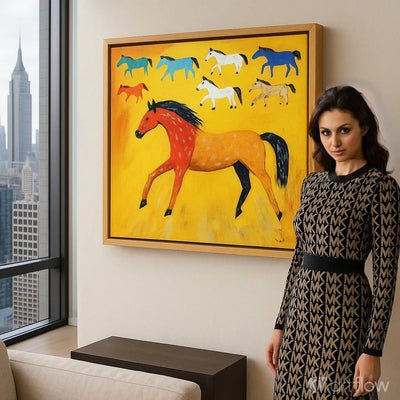

Leave a comment
This site is protected by hCaptcha and the hCaptcha Privacy Policy and Terms of Service apply.