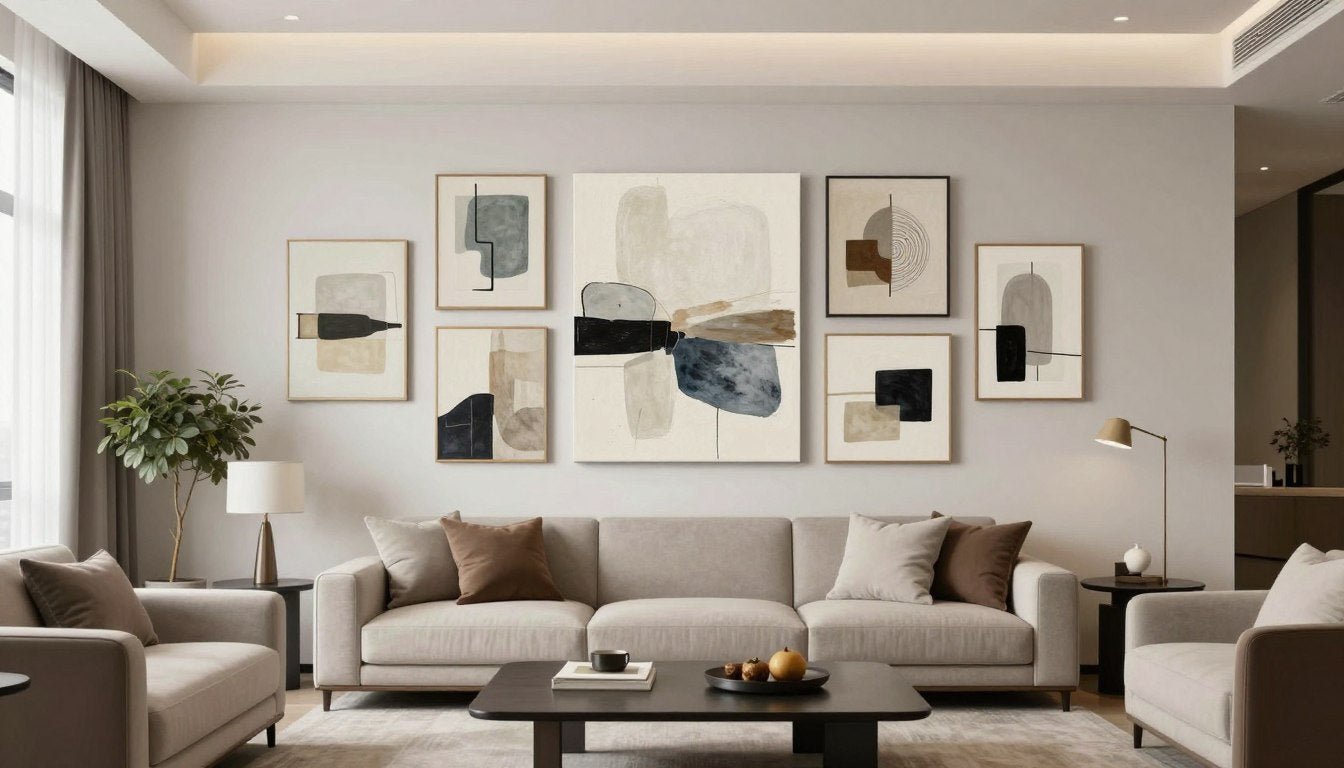
The right piece of wall art can transform a blank space into something that feels deeply personal. Canvas prints have become one of the most versatile ways to bring color, texture, and personality into your home without the commitment of traditional framed art.
Whether you're drawn to bold abstract designs or prefer serene landscape photography, understanding what makes a quality canvas print will help you choose pieces that look beautiful for years to come.

Discover Gallery-Quality Canvas Prints
Explore our curated collection of premium canvas prints, hand-stretched and crafted with archival inks for lasting beauty.
What Are Canvas Prints and Why They Matter
Canvas prints are images or artwork transferred onto canvas fabric, which is then stretched over a wooden frame. Unlike traditional paper prints that require glass and heavy frames, canvas prints offer a more contemporary look with texture and depth.
The beauty of canvas prints lies in their versatility. They work equally well in minimalist modern spaces and cozy traditional homes. The fabric surface adds a tactile quality that flat prints simply can't match.

Quality matters more than you might think. A well-made canvas print uses premium materials that resist fading and maintain color vibrancy. Look for prints made with archival inks and UV-resistant coatings that protect against sunlight damage.
Quick Tip: Gallery-quality canvas prints should feel substantial when you hold them. The canvas should be taut across the frame with no visible sagging or wrinkles at the corners.
The printing process involves sophisticated large-format printers that apply ink in precise layers. Professional-grade canvas prints use pigment-based inks rather than dye-based inks because they last decades without color shift.
When shopping for canvas prints, you'll encounter terms like "giclée printing" — a French word that essentially means high-quality inkjet printing. This process produces prints with exceptional detail and color accuracy that rival original paintings.

Canvas prints offer a museum-like presentation without the barrier of glass. This makes them ideal for spaces where you want art to feel accessible and integrated into your daily life rather than displayed behind a protective barrier.
Most canvas prints come ready to hang with pre-installed hanging hardware on the back of the frame. This convenience factor has made them increasingly popular for people who want to refresh their spaces without complicated installation.
Understanding Quality Materials and Construction
The foundation of any lasting canvas print starts with the canvas itself. Premium canvas is typically made from cotton or a cotton-polyester blend. Pure cotton canvas offers the most authentic art-print feel with a natural texture.
Canvas weight is measured in ounces per square yard. Professional-quality prints use canvas weighing between eight and twelve ounces. Heavier canvas resists warping over time and provides a more substantial feel.

The stretching process determines how your print will age. Hand-stretched canvas ensures even tension across the entire surface. Machine-stretched options can be adequate for smaller sizes, but larger pieces benefit from the precision of hand-stretching.
Pine Wood Frames
Pine wood frames offer an excellent balance of affordability and durability. They're lightweight enough for easy hanging while providing solid support. The wood is typically kiln-dried to prevent warping from humidity changes.

Oak Floater Frames
Oak floater frames create a contemporary look where the canvas appears to float within the frame. The oak provides exceptional strength and a premium aesthetic. These frames add visual weight to the piece while maintaining clean lines.

Archival inks make the difference between prints that last five years and those that maintain their beauty for generations. These pigment-based inks resist fading from UV exposure and environmental factors.
UV-resistant coatings add another layer of protection. Think of them as sunscreen for your canvas print. They filter harmful light wavelengths that cause colors to fade while allowing the artwork to maintain its visual clarity.

The edges of your canvas tell a story about quality. Well-made prints wrap the image around the frame edges rather than leaving them blank white. This gallery-wrap technique means your print looks finished from every angle.
Corner construction reveals craftsmanship. Look for staples or fasteners hidden from view on the back of the frame. Visible staples on the sides indicate rushed production and lower quality standards.
Protective backing adds professionalism and helps keep dust and insects away from the back of the canvas. This simple addition extends the life of your print and maintains its pristine condition over the years.
Choosing the Right Canvas Print Size
Size decisions can make or break your room's visual balance. A canvas that's too small disappears on the wall, while an oversized piece overwhelms the space. The goal is finding that sweet spot where your art commands attention without dominating.
The standard rule suggests your canvas should cover roughly two-thirds to three-quarters of the wall space above furniture. For a sofa that's seven feet wide, aim for a canvas between four and five feet across.

Ceiling height matters more than many people realize. In rooms with eight-foot ceilings, large canvas prints between three and four feet tall work beautifully. Higher ceilings can handle even more substantial pieces without feeling cramped.
Room-by-Room Size Guide:
- Living rooms: 30" × 40" to 40" × 60" for statement walls
- Bedrooms: 24" × 36" to 36" × 48" above beds
- Dining rooms: 30" × 40" to 48" × 72" for dramatic impact
- Hallways: 16" × 20" to 24" × 36" for narrow spaces
- Offices: 24" × 36" to 30" × 40" for focus without distraction
The space between your furniture and the art creates visual breathing room. Leave six to twelve inches between the top of your sofa and the bottom of your canvas. This creates a cohesive relationship between the pieces.

Viewing distance influences perception. If you'll be looking at your canvas from across a large room, choose a bigger size with bolder visual elements. Pieces viewed up close in hallways or small rooms can be more detailed and intimate.
Multiple smaller canvases create a gallery wall effect that works beautifully for collections of related images. This approach lets you fill a large wall space gradually without the commitment of one oversized piece.
📐 Not sure what size to choose? Use our free Wall Art Size Calculator → https://rossettiart.com/blogs/news/wall-art-size-calculatorHorizontal canvases work best above low, wide furniture like sofas and dressers. Vertical pieces suit narrow wall spaces and can draw the eye upward in rooms with high ceilings.
Consider the room's focal point. Your canvas should enhance rather than compete with architectural features like fireplaces or large windows. Place your art where it complements the natural flow of the space.

How to Style Canvas Prints in Different Rooms
Each room in your home has its own personality and purpose. The way you choose and display canvas prints should reflect these unique characteristics while maintaining a cohesive feel throughout your space.
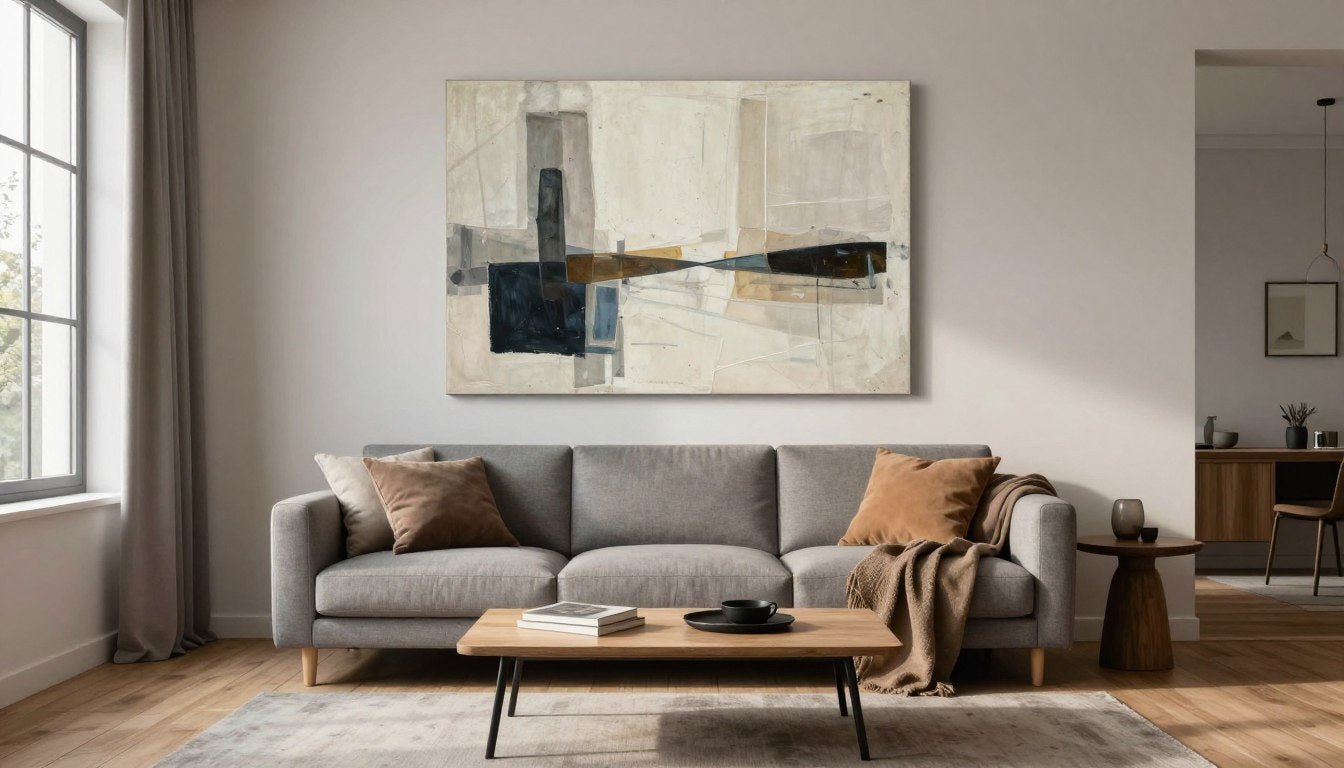
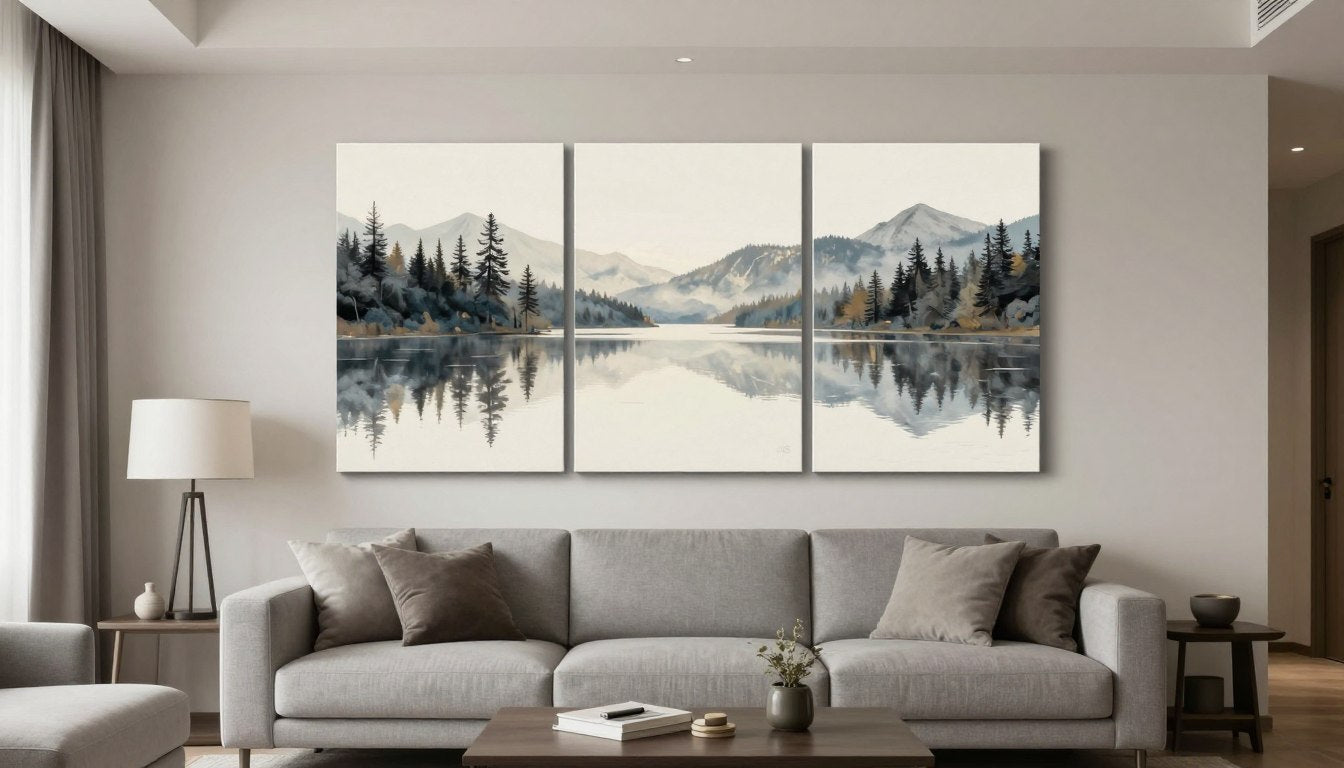
Living rooms deserve statement pieces that spark conversation. Living room canvas prints work best when they reflect your personality — whether that's bold abstract art or serene landscapes that create a calming atmosphere.

Position your living room canvas at eye level when standing. This typically means the center of the artwork sits about sixty inches from the floor. This height ensures comfortable viewing whether you're seated or moving through the space.
Bedroom Styling
Bedroom canvas prints should promote relaxation and rest. Choose softer colors and calming subjects that you'll enjoy seeing first thing in the morning and last thing at night.

Center your bedroom canvas above the headboard with equal space on both sides. If your headboard is sixty inches wide, a canvas between thirty-six and forty-eight inches works perfectly.
Colors influence mood significantly. Blues and greens promote calmness, while warmer tones create coziness. Avoid overly stimulating colors or busy patterns in sleeping spaces.
Dining rooms benefit from pieces that encourage conversation and appetite. Rich colors and food-related themes work naturally here, though abstract art in complementary tones can be equally effective.

Kitchens once seemed off-limits for canvas art due to humidity and cooking residue. Modern UV-resistant and sealed canvas prints handle these environments well when placed away from direct steam and splatter zones.
Home offices need art that inspires focus without causing distraction. Abstract canvas prints work beautifully in workspaces, providing visual interest that doesn't demand constant attention.
Color Psychology for Rooms: Yellow stimulates creativity, blue enhances focus, green reduces eye strain, and neutral tones provide versatility across changing decor styles.
Hallways are often overlooked opportunities for art. These transitional spaces benefit from series of smaller canvases that create visual rhythm as you move through the space.

Bathrooms with good ventilation can accommodate canvas prints beautifully. Place them away from direct water exposure and ensure adequate air circulation to prevent moisture buildup behind the canvas.
Lighting transforms how your canvas looks throughout the day. Position art where it receives natural light without direct sun exposure. Add picture lights or track lighting for evening ambiance.
Premium Canvas Prints Crafted for Lasting Beauty
Every Rossetti Art canvas is hand-stretched over premium pine wood frames using archival inks and UV-resistant coatings. Made to order for you.
Canvas Print Care and Longevity
Proper care ensures your canvas prints maintain their beauty for decades. The good news is that canvas requires less maintenance than traditional framed art with glass, but a few simple practices make all the difference.
Dust accumulation is canvas's primary enemy. Use a soft, dry microfiber cloth or a gentle duster to remove surface dust every few months. Never use water or cleaning solutions directly on the canvas surface.

Sunlight fades even the highest-quality prints over time. Position your canvas where it receives indirect natural light rather than direct sun exposure. UV-resistant coatings help, but prevention remains the best strategy.
Canvas Print Advantages
- No glass means no glare or reflections
- Lightweight and easy to hang
- Texture adds visual depth and interest
- More affordable than traditional framing
- Contemporary look suits modern spaces
- Durable surface resists minor impacts
Care Considerations
- Requires regular dusting to prevent buildup
- Can't use glass cleaners or wet cloths
- More vulnerable to sharp objects than glass
- Humidity can affect canvas tension over time
- Direct sunlight accelerates fading
- Smoke and cooking residue require careful placement
Humidity affects canvas tension. In very humid climates or basements, canvas may develop slight slack. Conversely, extremely dry environments can cause over-tightening. Maintaining consistent indoor humidity between forty and sixty percent keeps canvas in optimal condition.
Smoke from cigarettes, candles, or fireplaces can discolor canvas over time. If you frequently burn candles or have a fireplace, position your canvas prints several feet away from these sources.

Storage requires care if you need to temporarily remove a canvas. Keep prints in a cool, dry space away from extreme temperatures. Never stack them face-to-face without protective material between surfaces.
Minor scuffs on the canvas surface can sometimes be addressed by gently warming the area with a hairdryer on low heat from about twelve inches away. The heat can help the canvas fibers relax and diminish minor marks.
Never attempt to: Use water or liquid cleaners, apply chemical sprays, expose canvas to extreme temperatures, or use abrasive materials for cleaning. These actions can permanently damage your print.
Professional cleaning services exist for valuable canvas prints that require more than routine dusting. These specialists use techniques adapted from fine art conservation to refresh and protect your investment.
Gallery-quality canvas prints with archival inks and proper UV protection can maintain their color vibrancy for seventy-five to one hundred years when cared for correctly. This longevity makes them genuine heirloom pieces.

Custom Canvas Prints vs. Ready-Made Art
The choice between custom photo canvas prints and ready-made art pieces depends on your goals, budget, and how personal you want your space to feel.
Custom canvas prints let you transform your own photos into gallery-quality wall art. That sunset from your honeymoon or a candid family moment becomes a conversation piece that no one else owns.

Image quality determines custom print success. For best results, your photo should be high-resolution — at least three hundred dots per inch at your desired print size. Blurry phone photos rarely translate well to large formats.
| Print Size | Minimum Resolution | Ideal For | Typical Use |
| 16" × 20" | 1920 × 2400 pixels | Small walls, hallways | Personal photos, portraits |
| 24" × 36" | 2880 × 4320 pixels | Bedrooms, offices | Landscape photos, family portraits |
| 30" × 40" | 3600 × 4800 pixels | Living rooms, dining areas | Statement pieces, art photography |
| 40" × 60" | 4800 × 7200 pixels | Large walls, galleries | Professional photography, exhibitions |
Ready-made art from brands like Rossetti Art offers professionally designed pieces created by artists specifically for home decor. These prints undergo color calibration and testing to ensure they look stunning in real-world spaces.
Design expertise shows in ready-made collections. Artists understand composition, color theory, and how pieces work across different room styles. This expertise is difficult to replicate with personal photos unless you have photography training.

Cost considerations vary. Custom prints from personal photos offer sentimental value that transcends price. Ready-made art provides professional quality at accessible price points, often less expensive than hiring a photographer and having images professionally edited.
Versatility matters for rental spaces or frequently changing decor. Ready-made art in neutral palettes adapts easily when you refresh your furniture or move to a new home. Personal photos tie more specifically to particular memories and moments.
When to Choose Custom Prints
- Preserving precious family memories
- Displaying travel photography
- Creating personalized gifts
- Showcasing professional photography work
- Commemorating special events and milestones
When to Choose Ready-Made Art
- Achieving specific design aesthetics
- Coordinating with existing color schemes
- Adding sophistication without personal content
- Filling multiple rooms cohesively
- Investing in original artist-designed work
Combining both approaches creates layered, interesting spaces. Display custom family photos in private areas like bedrooms and hallways, while using ready-made art in public spaces like living rooms and entryways.

Quality standards matter regardless of which option you choose. Look for the same premium materials — archival inks, proper canvas weight, solid frames — whether ordering custom prints or selecting ready-made pieces.
Frame Options and Finishing Choices
The way your canvas is finished and framed dramatically impacts its final appearance. Understanding your options helps you make choices that complement both the artwork and your space.
Gallery wrap is the most popular finishing method. The image continues around the edges of the frame, creating a seamless look that doesn't require additional framing. This works beautifully for contemporary and minimalist spaces.

Mirror wrap takes edge finishing further by reflecting the border of your image around the sides. This technique prevents important details from disappearing around corners and creates visual continuity.
Color wrap uses a solid color — typically black, white, or a color pulled from the image — to finish the edges. This approach works well when you want clean sides without extending the image.
- Image wraps around all edges
- No additional framing needed
- Contemporary, clean appearance
- Most economical option
- Works with any decor style
Standard Gallery Wrap
- Canvas appears to float inside frame
- Adds dimension and shadow depth
- Premium, gallery-quality look
- Protects canvas edges from damage
- Higher investment but stunning result
Floater Frame
- Canvas set into conventional frame
- Most formal presentation style
- Suits classic and traditional decor
- Wide variety of frame styles available
- Provides maximum edge protection
Traditional Frame
Frame depth affects visual impact. Standard frames measure about three-quarters of an inch deep, while premium options extend to one and a half inches or more. Deeper frames create more dramatic shadows and dimension.
Wood species choices bring different aesthetics. Pine wood frames offer a light, natural look that suits Scandinavian and coastal styles. They're also lighter in weight, making them easier to hang and reposition.

Oak floater frames provide rich, warm tones that complement both modern and traditional spaces. The visible wood grain adds natural texture that enhances rather than competes with your artwork.
Black floater frames create sophisticated contrast, particularly effective with colorful canvas prints. The dark frame acts as a visual boundary that makes bright colors appear even more vibrant.
White frames maintain an airy, light feeling perfect for black and white canvas prints or minimalist spaces. They blend seamlessly with white walls while still defining the artwork's boundaries.
Frame Selection Tips: Match frame colors to existing wood tones in your furniture for cohesion. Choose contrasting frames when you want the art to stand out as a statement piece. Consider your wall color — dark frames pop against light walls and vice versa.
Hanging hardware varies by frame type. D-rings provide the most secure mounting for larger pieces, while sawtooth hangers work well for smaller canvases. Professional installations often use wire systems for adjustability.

Consider future flexibility when selecting frames. Gallery-wrapped canvases without additional frames offer the most versatility — you can easily add a floater frame later if you want to update the look.
Transform Your Space with Art That Speaks to You
Discover canvas prints designed to complement your unique style — from modern abstracts to serene landscapes, all crafted with premium materials.
Common Canvas Print Mistakes to Avoid
Even art lovers make preventable mistakes when selecting and displaying canvas prints. Awareness of these common pitfalls saves time, money, and disappointment.
Choosing the wrong size ranks as the most frequent error. People consistently underestimate how much visual space large walls need. What looks big in your hands often disappears once hung on an empty wall.

Ignoring image resolution leads to disappointment with custom prints. A photo that looks sharp on your phone screen may reveal pixelation when printed at thirty inches wide. Always check resolution before ordering.
Resolution Reality Check: That Instagram photo you love is probably only 1080 pixels wide — suitable for prints up to about six inches. Professional photos from modern cameras typically offer sufficient resolution for wall-sized prints.
Hanging art too high remains incredibly common. The "eye level" rule means the center of your artwork should sit at about fifty-seven to sixty inches from the floor — not near the ceiling where it floats disconnected from your furniture.
Mismatching art style to room function creates dissonance. Highly stimulating, chaotic patterns work poorly in bedrooms meant for rest. Overly subdued pieces disappear in dynamic living spaces meant for gathering and conversation.

Neglecting lighting wastes your investment. Canvas prints need adequate illumination to show their true colors and details. Rooms with poor lighting flatten artwork and mute colors significantly.
- Selecting canvas too small for the wall space
- Using low-resolution photos for large prints
- Hanging artwork at incorrect heights
- Ignoring room lighting conditions
- Placing prints in high-humidity areas without protection
- Choosing busy patterns for relaxation spaces
- Forgetting to consider furniture scale
Mistakes to Avoid
- Measure walls and furniture before ordering
- Verify image resolution matches print size
- Hang art with centers at fifty-seven to sixty inches
- Add appropriate lighting to showcase artwork
- Choose UV-resistant options for sunny rooms
- Match art energy to room function
- Create visual relationships between art and furniture
Best Practices
Over-accessorizing walls with too many pieces creates visual chaos. Leave breathing room around your canvas prints. Negative space helps each piece maintain its impact rather than competing for attention.
Expecting instant perfection without testing leads to regret. Use painter's tape to outline where your canvas will hang before committing to nail holes. Step back and live with the taped outline for a day to ensure you're happy with the placement.

Buying solely based on trends without considering personal taste results in art you tire of quickly. Choose pieces you genuinely connect with rather than what design magazines declare essential this season.
Skipping professional installation for very large or heavy pieces risks damage to both your wall and the artwork. Canvases over forty inches or weighing more than fifteen pounds benefit from expert hanging service.
Frequently Asked Questions
Q: How long do canvas prints last?
A: Quality canvas prints made with archival inks and UV-resistant coatings can maintain their color vibrancy for seventy-five to one hundred years when properly cared for. The longevity depends on materials used, environmental conditions, and maintenance. Prints displayed away from direct sunlight in climate-controlled spaces last longest. Budget prints using standard inks may begin fading within five to ten years, while gallery-quality prints with premium materials become genuine heirloom pieces that span generations.
Q: Can canvas prints get wet?
A: Canvas prints should not get wet. While the canvas fabric itself can handle moisture, the inks and coatings may run, streak, or develop water spots. If a canvas print does get wet, blot it immediately with a dry, clean cloth — never rub or wipe. Allow it to air-dry completely in a well-ventilated area away from direct heat. Minor moisture exposure usually causes no permanent damage, but repeated or heavy water contact will degrade print quality over time. For bathrooms or humid environments, ensure adequate ventilation and position prints away from direct water sources.
Q: What's the difference between canvas prints and posters?
A: Canvas prints are images printed on canvas fabric and stretched over wooden frames, creating a textured, three-dimensional piece ready to hang. Posters are images printed on paper that require separate framing and glass protection. Canvas offers a more sophisticated, gallery-quality appearance without glare, while posters provide an economical option with the formality of traditional framing. Canvas prints typically last longer, require less maintenance, and provide contemporary aesthetic appeal. Posters work well for temporary displays or when you want the option to easily swap artwork behind glass.
Q: How do I clean a canvas print?
A: Clean canvas prints using a soft, dry microfiber cloth or gentle feather duster every few months to remove surface dust. Never use water, cleaning solutions, or chemical sprays directly on canvas. For stubborn dust, use a soft-bristled brush with gentle, sweeping motions. If your canvas develops a mark, try gently warming the area with a hairdryer on low heat from about twelve inches away — the heat can help canvas fibers relax and diminish minor scuffs. For valuable pieces requiring more than dusting, consult professional art conservation services.
Q: What resolution do I need for a large canvas print?
A: For optimal quality, your image should have at least three hundred dots per inch (DPI) at your desired print size. A thirty-by-forty-inch print needs minimum dimensions of 3600 by 4800 pixels. Most professional cameras produce sufficient resolution, but smartphone photos often fall short for wall-sized prints. To check your photo, divide the pixel dimensions by your desired print dimensions — if the result is above 200, you'll likely get acceptable quality. For best results, use the highest resolution version of your image available and consult with your print provider about specific file requirements.
Q: Should I get a framed or unframed canvas print?
A: The choice depends on your aesthetic preference and budget. Gallery-wrapped canvases without additional frames offer a contemporary, clean look and cost less. They're ready to hang and work beautifully in modern, minimalist spaces. Floater frames add dimension, create shadows, and provide extra protection for canvas edges — ideal for high-traffic areas or when you want a more premium presentation. Traditional frames suit classic decor and offer maximum edge protection. Consider starting with a gallery wrap — you can always add a floater frame later if you want to change the look.

Creating Spaces That Feel Like Home
Canvas prints offer one of the most accessible and versatile ways to personalize your living space. Whether you choose to display cherished memories through custom photo prints or invest in professionally designed art pieces, the right canvas transforms blank walls into meaningful expressions of your style and story.
The beauty of canvas lies in its approachability. You don't need extensive art knowledge or a substantial budget to create a space that feels curated and intentional. Quality materials, thoughtful sizing, and proper placement matter more than following rigid design rules.

Start with pieces that genuinely speak to you. Art should evoke emotion, whether that's calm, joy, inspiration, or nostalgia. When you connect authentically with your wall art, your space naturally feels more like home rather than a staged showroom.
Explore our Canvas Prints collection to discover gallery-quality pieces crafted with archival inks, hand-stretched over premium frames, and designed to bring lasting beauty to your home.

Leave a comment
This site is protected by hCaptcha and the hCaptcha Privacy Policy and Terms of Service apply.