
The intersection of art and emotion has always been a profound space where the human experience finds visual form. Art expressing depression isn't merely about darkness—it's about authenticity, emotional resonance, and the beauty that emerges from our deepest struggles. In our homes, these powerful pieces can transform ordinary spaces into sanctuaries of emotional truth and aesthetic depth.
This guide explores how art that channels depression can become a meaningful cornerstone of your interior design—offering not just visual appeal but a genuine emotional connection that elevates your living space. From historical context to practical placement tips, we'll navigate the delicate balance of incorporating emotionally expressive art into your home with intention and grace.

Art expressing depression can serve as a powerful focal point in contemporary interiors
Understanding Art Expressing Depression: Historical Context and Significance
Art that expresses depression has a rich historical lineage dating back centuries. From Vincent van Gogh's turbulent skies in "Starry Night" to Edvard Munch's iconic "The Scream," artists have long channeled their emotional struggles into visual masterpieces that resonate across generations.
This artistic tradition isn't about glorifying suffering but rather about transforming personal pain into universal connection. When we bring these pieces into our homes, we participate in this tradition of emotional honesty and artistic transformation.

Vincent van Gogh's work exemplifies how emotional turmoil can transform into artistic brilliance
In contemporary interior design, art expressing depression serves multiple purposes:
- It creates emotional depth in spaces that might otherwise feel superficial
- It serves as a conversation starter about mental health and emotional authenticity
- It provides a visual anchor that grounds more lighthearted design elements
- It offers personal resonance for those who have experienced similar emotional states
- It adds sophisticated visual drama through its typically rich color palettes and textures
Far from being merely decorative, these pieces function as emotional touchstones within your home—creating spaces that acknowledge the full spectrum of human experience rather than presenting an artificially cheerful facade.
Visual Language of Depression in Art: Colors, Composition, and Mood
Art expressing depression typically employs distinct visual elements that communicate emotional depth. Understanding these characteristics can help you select pieces that resonate with authenticity while complementing your interior design vision.
Color Palettes That Express Emotional Depth

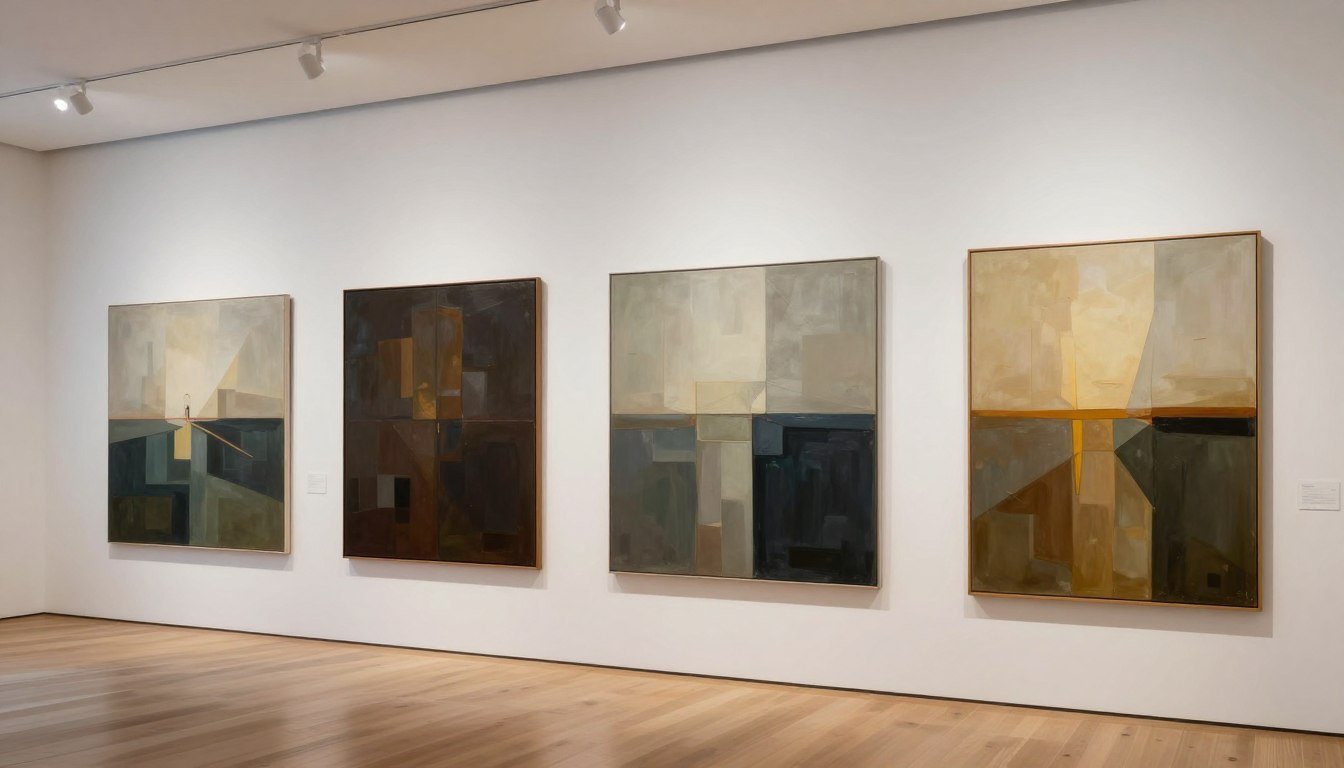
The color palette of depression-expressing art often features deep blues, charcoals, and unexpected accents
The color choices in art expressing depression often include:
- Deep blues and indigos that evoke emotional depth
- Charcoal grays and blacks that create weight and shadow
- Muted purples suggesting introspection and complexity
- Desaturated colors that feel drained of vibrancy
- Unexpected accents of rust or burgundy that punctuate darker tones
These colors aren't merely gloomy—they're rich with emotional resonance and visual interest. When thoughtfully incorporated into your space, they create a sophisticated palette that adds depth without overwhelming the room.
The interplay between light and shadow in these pieces often creates a visual tension that draws the eye and invites contemplation—making them ideal focal points in minimalist or neutral spaces.
Compositional Elements and Techniques
Beyond color, art expressing depression often employs distinctive compositional strategies:

Compositional techniques like asymmetry and isolation create emotional tension in the artwork
- Asymmetrical balance that creates subtle unease
- Isolated figures or elements that communicate loneliness
- Heavy textures that invite tactile engagement
- Distorted perspectives that disorient the viewer
- Repetitive patterns suggesting rumination or obsessive thought
- Negative space that evokes emptiness or absence
These compositional choices aren't arbitrary—they're visual metaphors for emotional states that might otherwise remain inexpressible. When selecting pieces for your home, look for these elements as indicators of authentic emotional expression rather than superficial "dark" aesthetics.
Selecting Art Expressing Depression for Different Rooms
Each room in your home serves a different purpose and creates a different emotional experience. Art expressing depression can enhance these spaces when thoughtfully selected and placed.
Living Room: Creating Emotional Depth in Social Spaces

A statement piece expressing emotional depth can anchor your living room design
In living rooms, where we gather and socialize, art expressing depression can create:
- A compelling focal point that anchors the room's design
- A conversation starter that invites meaningful exchange
- Emotional contrast to the social nature of the space
- Visual drama that elevates the entire room's design
Consider placing a larger statement piece above a sofa or fireplace where it can command attention without dominating the room's energy. Balance the emotional weight with lighter textiles and natural elements to create harmony.
Bedroom: Intimate Expression in Private Spaces

Subtle expressions of emotional depth create a contemplative atmosphere in bedroom spaces
In bedrooms, where we seek rest and intimacy, consider:
- Smaller, more intimate pieces that invite personal reflection
- Art positioned where it can be viewed from bed during moments of contemplation
- More subtle expressions of emotional depth that won't disrupt sleep
- Pairing with soft textiles and gentle lighting to balance the emotional weight
The bedroom offers an opportunity for more personal, private engagement with emotionally expressive art—pieces that might feel too intimate for public spaces can find their home here.
Home Office: Channeling Emotional Depth into Creativity
In work spaces, art expressing depression can:
- Stimulate creative thinking through emotional resonance
- Create a sense of depth that counters work-related stress
- Serve as a visual reminder of emotional authenticity amid professional demands
- Add sophisticated visual interest to functional spaces

Emotionally expressive art can transform a functional office into a space of creative depth
Position these pieces where they'll be visible during moments of reflection rather than directly in your line of sight during focused work.
Find Your Perfect Expression
Looking for a statement piece that captures emotional depth with artistic sophistication? "Shadows of Her" abstract portrait art combines deep emotional resonance with striking visual impact.
Explore This PieceSize, Proportion, and Placement: Creating Visual Harmony
The impact of art expressing depression depends significantly on how it's sized and positioned within your space. Thoughtful placement ensures these pieces enhance rather than overwhelm your interior.
Statement Pieces vs. Gallery Arrangements

Choose between a powerful single statement or a thoughtful collection of smaller works
Single Statement Pieces:
- Create immediate visual impact and emotional resonance
- Work best on large, uninterrupted wall spaces
- Should be proportional to the wall (typically covering 2/3 to 3/4 of available width)
- Benefit from proper lighting to highlight textural elements
Gallery Arrangements:
- Allow for a narrative progression of emotional states
- Create visual interest through varied sizes and compositions
- Can incorporate complementary pieces with different emotional tones
- Work well in hallways, staircases, or larger wall expanses
Proportion Rules for Harmonious Integration
When selecting and placing art expressing depression, consider these proportion guidelines:
- For pieces above furniture, aim for a width of 2/3 to 3/4 of the furniture piece
- Hang art at eye level (typically 57-60 inches from the floor to the center of the piece)
- Allow for visual breathing room—at least 6 inches between frames in gallery arrangements
- Consider the visual weight of the piece—darker, more intense works may need more negative space around them
- Balance emotionally heavy pieces with lighter elements elsewhere in the room

Proper proportions ensure your emotionally expressive art integrates harmoniously with your space
Remember that art expressing depression often has significant emotional weight—giving these pieces adequate space prevents your interior from feeling overwhelmed or unbalanced.
Common Mistakes to Avoid When Displaying Art Expressing Depression
While emotionally expressive art can transform your space, certain pitfalls can diminish its impact or create an unintended atmosphere. Here's how to avoid the most common mistakes:

Proper lighting dramatically affects how emotionally expressive art is perceived
Lighting Errors That Diminish Impact
- Insufficient lighting that obscures the nuanced details and textures
- Harsh direct lighting that creates glare on glass-framed pieces
- Inconsistent lighting that fails to highlight the artwork as a focal point
- Lighting with the wrong color temperature that distorts the artist's intended colors
Solution: Invest in dedicated art lighting with adjustable intensity and proper color rendering. For art expressing depression, slightly warmer lighting often enhances the emotional depth without making the piece feel too cold or clinical.
Contextual Misalignment
Another common mistake is placing emotionally expressive art in contexts that create dissonance:
- Positioning deeply emotional pieces in high-traffic or purely functional areas
- Surrounding contemplative art with overly busy or conflicting design elements
- Placing art expressing depression in spaces dedicated to energetic activities
- Creating unintentional juxtapositions that diminish the emotional impact
Solution: Consider the purpose of each space and how the emotional tone of the artwork will interact with the room's function. Create intentional contrast rather than accidental conflict.
Overcrowding and Visual Competition

Balance is essential when incorporating emotionally intense artwork into your space
Art expressing depression carries significant visual and emotional weight. Common overcrowding mistakes include:
- Displaying too many emotionally intense pieces in a single space
- Failing to provide visual "rest areas" between powerful works
- Creating unintentional competition between multiple statement pieces
- Overwhelming a room's atmosphere with too much emotional intensity
Solution: Follow the "less is more" principle with emotionally expressive art. One powerful piece can transform a space more effectively than multiple competing works.
Elevate Your Space with Emotional Depth
"Abstract Dark Flow" combines sophisticated minimalism with profound emotional expression—perfect as a statement piece in contemporary interiors.
View This ArtworkFrequently Asked Questions About Art Expressing Depression
Is it appropriate to display art expressing depression in homes with children?
Art expressing depression can be appropriate in family homes when thoughtfully selected and placed. Consider choosing pieces that express emotional depth through abstraction rather than explicit imagery. This creates an opportunity for age-appropriate conversations about emotional expression while maintaining a balanced atmosphere. Position more intense pieces in adult-oriented spaces rather than children's rooms or primary family gathering areas.
How can I balance art expressing depression with a generally positive home atmosphere?
Creating balance is key. Pair emotionally expressive art with elements that provide contrast—natural materials, plants, warm lighting, and textiles with tactile comfort. This juxtaposition actually enhances both elements: the emotional depth of the art becomes more impactful against a nurturing background, while the comfort elements gain sophistication from the artistic contrast. Consider the 80/20 rule: let emotionally expressive art occupy about 20% of your visual focus, balanced by 80% more neutral or uplifting elements.
Does displaying art expressing depression reflect my personal mental state?
Not necessarily. Appreciating emotionally complex art reflects emotional intelligence and artistic sophistication rather than your current mental state. Many collectors and design enthusiasts are drawn to the depth, authenticity, and visual power of art expressing depression—qualities that transcend the specific emotion being portrayed. This art often resonates with viewers precisely because it acknowledges the full spectrum of human experience, including the more challenging aspects that are often hidden from view.
How do I explain my choice of art expressing depression to guests who might not understand?
Frame your explanation in terms of artistic appreciation rather than emotional identification. You might discuss the technical skill involved, the historical context of emotional expression in art, or the visual impact of the piece within your design scheme. Emphasize that meaningful art often explores the full range of human experience, and that acknowledging emotional depth creates more authentic spaces. Most importantly, remember that your home should reflect your aesthetic values—not every guest needs to share your artistic preferences.
Can art expressing depression be healing or therapeutic for viewers?
Yes, many people find that art expressing depression can be profoundly therapeutic. Seeing emotional states externalized through art can help validate and process similar feelings, reducing isolation and creating a sense of shared human experience. Art therapy has long recognized the power of both creating and viewing emotionally expressive art as part of the healing process. For many, living with art that acknowledges emotional depth creates a sense of authenticity and wholeness in their environment.
What's the difference between art expressing depression and art that's simply dark or moody?
Authentic art expressing depression typically has emotional depth and psychological nuance that goes beyond surface-level darkness or moodiness. Look for pieces that convey specific emotional states rather than generic gloom—elements like asymmetry, isolation, distorted perspective, and textural complexity often signal genuine emotional expression. Artists who have personally experienced depression often create work with subtle emotional authenticity that resonates on a deeper level than pieces that are merely stylistically dark.
Transforming Spaces Through Emotional Authenticity
Art expressing depression offers more than aesthetic appeal—it brings emotional authenticity and depth to our living spaces. By thoughtfully incorporating these powerful works into your home, you create environments that acknowledge the full spectrum of human experience while maintaining visual harmony and sophistication.

When thoughtfully integrated, art expressing depression creates spaces of profound beauty and meaning
At Rossetti Art, we believe that meaningful interiors reflect both aesthetic refinement and emotional truth. Our curated collection includes pieces that express the depth of human experience with artistic sophistication—creating focal points that transform ordinary rooms into spaces of authentic connection and visual impact.
Discover Art That Speaks to the Soul
Explore our collection of emotionally expressive art pieces designed to add depth and meaning to contemporary interiors.
Browse Our CollectionWhether you're drawn to the stark contrasts of "Hypnotic Chaos" or the flowing minimalism of "Abstract Charcoal Flow," these pieces do more than decorate—they transform spaces through the power of emotional authenticity, creating interiors that resonate with depth and meaning.

About the Author
Chiara Rossetti
Chiara Rossetti is the founder of Rossetti Art, a canvas print and original art brand. She writes about interior design, wall art styling, and the art of making a home feel alive.

Leave a comment
This site is protected by hCaptcha and the hCaptcha Privacy Policy and Terms of Service apply.