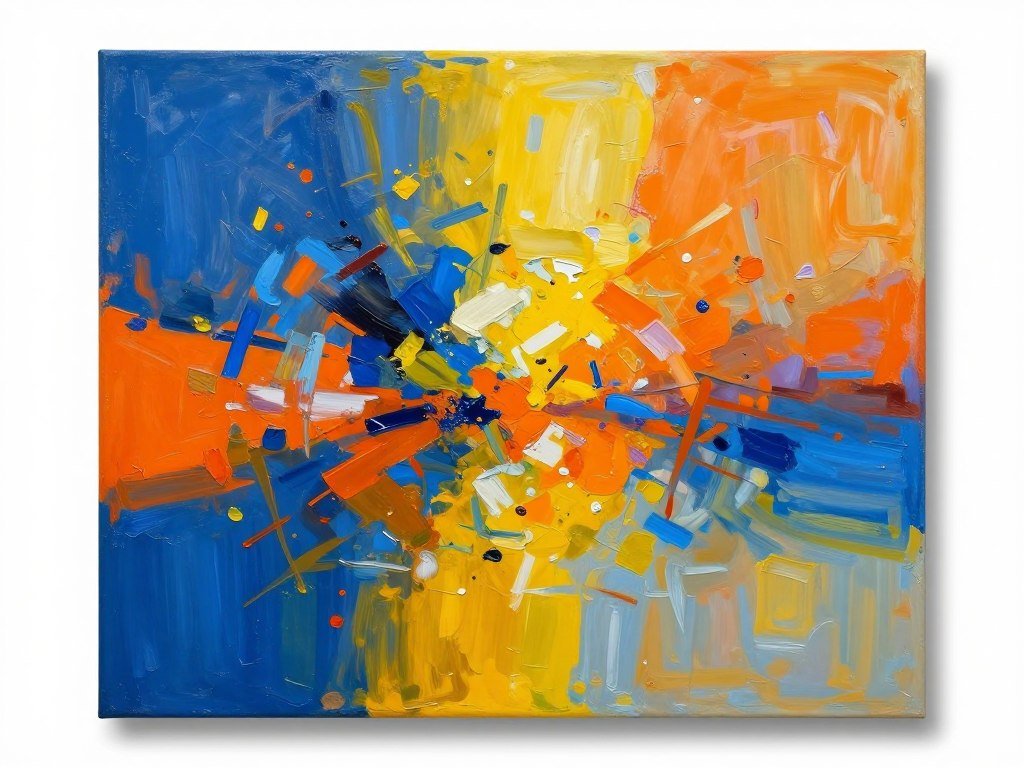
Abstract painting represents one of the most revolutionary movements in art history. It broke free from traditional representation during the early 20th century. Artists abandoned the need to depict recognizable subjects. Instead, they focused on color, form, and emotion.
This artistic revolution changed how we perceive and create art. The movement opened new possibilities for creative expression. Abstract art continues to captivate collectors and enthusiasts worldwide.
Understanding abstract painting enriches your appreciation of contemporary art. It helps you make informed decisions when selecting pieces for your collection. Whether you're drawn to bold geometric forms or subtle color fields, abstract art offers something for every taste.

What Is Abstract Art and Why Does It Matter?
Abstract art abstract elements remove or reduce realistic imagery. The approach emphasizes visual language of shape, form, color, and line. These components create compositions independent from visual references in the world.
The art form emerged as artists questioned traditional representation. They sought new ways to express ideas and emotions. Abstract artists working in the early 19th century and 20th century challenged centuries of artistic convention.
This transformation marked a fundamental shift in art history. Artists no longer felt bound to recreate reality. They could explore pure visual elements and emotional expression. The movement democratized art interpretation, inviting viewers to engage personally with each work.

The Core Principles of Abstract Painting
Visual Elements
Abstract art prioritizes fundamental visual components. Color becomes a primary communicator of emotion and mood. Form and shape create structure without depicting recognizable objects. Lines guide the viewer's eye through the composition.
These elements work together to create visual harmony. Artists manipulate them to evoke specific responses. The original abstract paintings in contemporary collections demonstrate this principle beautifully.
Emotional Expression
Abstract painting communicates feeling directly. It bypasses literal representation to connect emotionally. The work invites personal interpretation and reflection. Each viewer brings their own experience to the art.
This emotional directness makes abstract art powerful. It speaks a universal visual language. The approach allows artists to convey complex ideas and sensations that words cannot capture.

The Historical Evolution of Abstract Painting
The journey toward abstraction began gradually. Artists in the late 19th century started loosening their ties to realism. This process accelerated dramatically in the early 20th century. Several pioneering figures pushed boundaries and explored new artistic territories.
Early Pioneers and the Birth of Abstraction
Wassily Kandinsky is often credited as creating the first abstract watercolor in 1910. His work transitioned from representational landscapes to pure abstraction. Kandinsky believed art should function like music, evoking emotion through form and color alone.
Hilma Klint actually created abstract works even earlier, though her contributions remained unknown until decades later. Her spiritual paintings from 1906 explored abstract forms and symbolic meanings. These works predated Kandinsky's celebrated abstractions.
Kazimir Malevich developed Suprematism, emphasizing basic geometric forms. His famous "Black Square" from 1915 represented radical abstraction. Piet Mondrian refined geometric abstraction to its essential elements. He used only primary colors, black, white, and straight lines.

Major Movements in Abstract Art History

Cubism and Early Abstraction
Georges Braque and Pablo Picasso fragmented forms in revolutionary ways. They depicted subjects from multiple viewpoints simultaneously. This approach laid groundwork for fuller abstraction. The movement emerged in the early 20th century.

Abstract Expressionism
This American movement dominated the mid-20th century. Artists like Mark Rothko and Jackson Pollock pioneered new approaches. They emphasized spontaneous, emotional creation. The work often featured large-scale canvases and gestural marks.

Geometric Abstraction
This approach emphasized precise, calculated forms. Piet Mondrian and Van Doesburg led the De Stijl movement. They reduced painting to essential geometric elements. The abstract geometric canvas prints collection showcases this influential style.

Color Field Painting
Artists focused on large areas of flat, solid color. Mark Rothko created luminous rectangular forms. The work emphasized color's emotional and spiritual qualities. This style emerged as a quieter alternative to action painting.
The Influence of Music and Philosophy
Many abstract artists drew inspiration from music. Wassily Kandinsky believed painting could achieve music's emotional directness. He created compositions that functioned like visual symphonies. The connection between art and music became central to abstract theory.
Philosophical movements shaped abstract art's development. Theosophy influenced Hilma Klint's spiritual abstractions. Existentialism informed Abstract Expressionism's emotional intensity. These intellectual currents gave abstract art deeper meaning beyond pure aesthetics.
The Walter Gropius-led Bauhaus school integrated abstract principles into design education. This institution connected art, craft, and technology. The approach spread abstract thinking throughout visual culture. Modern art became inseparable from abstract ideas.

Major Styles and Techniques in Abstract Painting
Abstract art encompasses diverse approaches and techniques. Each style offers unique visual language and expressive possibilities. Understanding these variations helps collectors identify their preferences. It also deepens appreciation for different artistic approaches.
Geometric Abstraction
Geometric abstraction relies on precise, calculated forms. Artists use circles, squares, triangles, and straight lines. The approach emphasizes order, balance, and mathematical relationships. Piet Mondrian exemplified this style with his grid-based compositions.
Theo Van Doesburg contributed to geometric abstraction through De Stijl movement. He promoted horizontal and vertical lines with primary colors. Naum Gabo explored geometric forms in sculpture and painting. The Cercle Carré group in Paris advanced geometric non-objective art.
This style creates visual harmony through proportion and structure. Geometric abstract art often conveys a sense of calm rationality. The geometric canvas prints collection features contemporary interpretations of this classic approach.


Minimalist Geometry
This approach strips geometric abstraction to bare essentials. Artists use minimal elements to maximum effect. The work often features monochromatic or limited color palettes. Negative space becomes as important as painted forms.

Hard-Edge Painting
Hard-edge painting features crisp boundaries between color areas. The technique creates clean, precise divisions. Artists carefully tape and plan each section. The result emphasizes clarity and visual impact through color relationships.

Constructivism
This style emerged from Russian avant-garde movements. It combines geometric forms with industrial aesthetics. The work often suggests architectural or mechanical elements. Constructivism bridges abstract art and design principles.
Abstract Expressionism and Gestural Painting
Abstract Expressionism revolutionized American abstract art in the mid-20th century. The movement emphasized spontaneous, emotional creation. Artists working in this style valued the physical act of painting itself. Their work captures energy, movement, and raw feeling.

Jackson Pollock pioneered drip painting techniques. He placed canvases on the floor and poured paint in rhythmic patterns. Willem de Kooning combined abstraction with figural suggestions. His gestural brushwork created energetic, complex compositions.
Mark Rothko took a different approach within abstract expressionism. His color field paintings featured soft-edged rectangular forms. The work emphasized contemplative, spiritual experience. Franz Kline used bold black and white gestural marks.
This expressive approach continues to influence contemporary artists. The emphasis on authentic emotional expression resonates with viewers. Abstract expressionism demonstrated that the painting process itself could be art's subject.
Color Field Painting
Color field painting emerged alongside abstract expressionism. Artists focused on large expanses of unmodulated color. The work emphasized color's optical and emotional effects. Mark Rothko and Barnett Newman pioneered this contemplative approach.
Helen Frankenthaler developed stain painting techniques. She poured thinned paint onto unprimed canvas. The result created luminous, atmospheric color fields. Post-painterly abstraction refined these ideas with even flatter surfaces.
Color field work often evokes meditative, spiritual responses. The large scale immerses viewers in pure color experience. These paintings demonstrate color's power to communicate without representational content. The sage green canvas wall art collection explores subtle color relationships in contemporary contexts.

Lyrical Abstraction and Organic Forms
Lyrical abstraction emphasizes flowing, organic shapes. Artists create compositions suggesting natural forms without representing them directly. The work often features curving lines and biomorphic shapes. This approach balances spontaneity with compositional harmony.


Joan Miró created whimsical abstractions with biomorphic elements. Robert Delaunay explored circular forms and prismatic color. Henri Matisse's late cut-outs reduced organic forms to essential shapes. These artists demonstrated abstraction's versatility and expressive range.
Contemporary Abstract Painting in the 21st Century
Abstract painting continues to evolve in contemporary practice. Today's artists build on historical foundations while exploring new territories. They incorporate digital influences, mixed media, and conceptual approaches. The form remains vital and relevant in current art discourse.
Contemporary abstract artists working today blend multiple influences. They draw from geometric abstraction, expressionism, and color field traditions. Many incorporate new materials and techniques. The digital age has expanded abstract art's possibilities.
Modern art institutions worldwide showcase abstract painting. Major museums dedicate galleries to historical and contemporary abstraction. The Milan Art Institute and similar schools teach abstract techniques. Interest in abstract art for sale continues to grow among collectors.
Social media has democratized abstract art appreciation. Artists share work directly with global audiences. Collectors discover emerging talents through online platforms. This accessibility has revitalized interest in abstract painting among younger generations.

Explore Contemporary Abstract Art Collections
Discover curated selections of original abstract paintings and premium canvas prints. Our collections feature diverse styles from geometric precision to expressive color fields, offering sophisticated options for discerning collectors.
How to Understand and Appreciate Abstract Painting
Many viewers initially feel uncertain about abstract art. The lack of recognizable subjects can seem challenging. However, abstract painting offers rich rewards for those who engage with it. Understanding comes through looking, feeling, and reflecting.
Moving Beyond Literal Interpretation
Abstract art invites viewers to experience rather than decode. The work doesn't require translation into words or stories. Instead, it communicates through visual elements directly. Color, form, texture, and composition create meaning.
Approach abstract painting like you would music. You don't need to understand music theory to enjoy a symphony. Similarly, you don't need art history knowledge to respond to abstract art. Trust your immediate emotional and sensory responses.
Consider what the artwork makes you feel. Notice which colors draw your attention. Observe how forms interact across the canvas. Pay attention to the painting's energy—is it calm or dynamic, ordered or chaotic? These observations guide understanding.

Elements to Consider When Viewing Abstract Art
- Color relationships: How do colors interact and affect mood?
- Composition and balance: How are elements arranged across the surface?
- Texture and materiality: Is the paint smooth or heavily textured?
- Scale and proportion: How does size impact your experience?
- Energy and movement: Does the work feel static or dynamic?
- Emotional resonance: What feelings does the painting evoke?
- Visual rhythm: Are there repeating elements or patterns?

The Role of Context and Artist Intent
While abstract art doesn't require external context, understanding an artist's approach can enrich appreciation. Some abstract artists began with specific intentions or concepts. Others worked intuitively, discovering form through the painting process.
Conceptual Abstraction
Some abstract work stems from specific ideas or theories. Piet Mondrian sought universal harmony through geometric forms. Kazimir Malevich explored spiritual dimensions of non-objective art. Understanding these concepts adds depth to viewing.
However, you don't need to know artist intent to appreciate the work. The visual experience stands independently. Context provides additional layers rather than essential meaning.
Intuitive Abstraction
Many abstract artists work spontaneously and intuitively. They respond to paint, color, and form as they create. The process itself generates meaning. Jackson Pollock described being "in" his paintings while working.
This approach emphasizes authentic expression over predetermined concepts. The resulting work captures energy and emotion directly. Viewers can engage with this immediacy without intellectual framework.
Abstract Painting in Interior Design and Home Decor
Abstract art excels in residential and commercial spaces. Its versatility complements diverse design styles. The work adds visual interest without overwhelming spaces. Abstract paintings serve as focal points or subtle accents.
Why Abstract Art Works in Modern Interiors
Abstract paintings adapt to various aesthetic contexts. A geometric abstraction suits minimalist interiors. Expressive color field work enhances contemporary spaces. The absence of literal subject matter prevents visual competition with furnishings.
Color becomes a key consideration in selecting abstract art. Paintings can either complement existing palettes or provide striking contrast. Neutral abstractions blend seamlessly with any scheme. Bold, colorful works make dramatic statements.
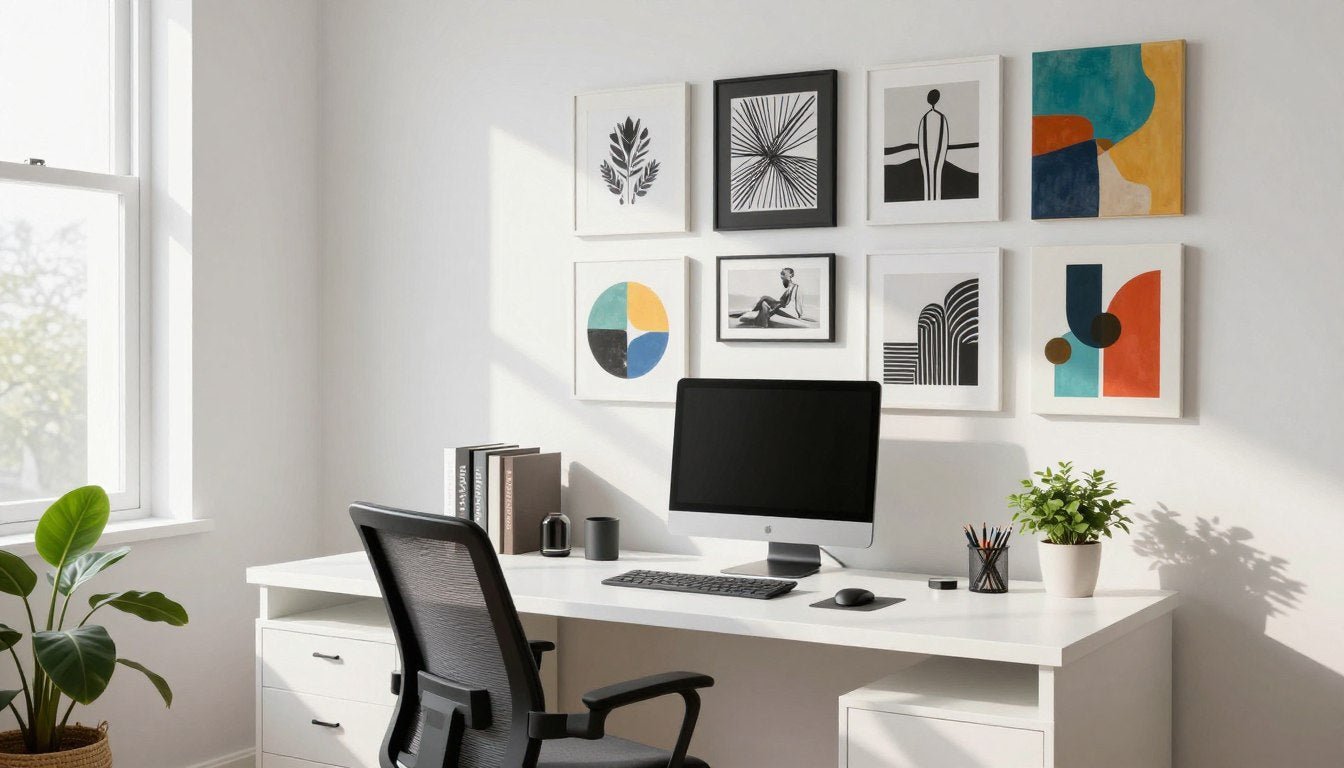
Scale matters significantly in interior applications. Large abstract paintings command attention in spacious rooms. Smaller works group effectively in gallery walls. The black and gold paintings collection offers sophisticated options for elegant interiors.

Selecting Abstract Art for Different Spaces

Living Areas
Living rooms accommodate bold, statement-making abstract paintings. Large-scale works create focal points above sofas or fireplaces. Consider pieces that encourage conversation and contemplation. Color should enhance the room's overall mood.

Bedrooms
Bedrooms benefit from calming, serene abstract work. Soft color palettes promote relaxation. Horizontal compositions suit placement above beds. The sage green wall art collection provides peaceful options for restful spaces.

Office Spaces
Professional environments require sophisticated abstract selections. Geometric abstractions convey order and professionalism. Energetic works inspire creativity and focus. Choose pieces that reflect company culture and values.
Mixing Abstract Art Styles
Combining different abstract approaches creates dynamic visual interest. Pair geometric with organic abstractions for contrast. Balance bold, colorful pieces with neutral works. Consider varying sizes while maintaining cohesive color connections.

Gallery walls offer excellent opportunities for mixing styles. Start with a largest piece as an anchor. Arrange smaller works around it balancing visual weight. Maintain consistent frame styles or matting for cohesion.
Consider the entire room when planning art arrangements. Abstract paintings should complement rather than compete with furniture and architecture. Leave sufficient white space around works for visual breathing room.
Lighting dramatically affects abstract art's appearance. Natural light reveals subtle color variations. Directed lighting highlights texture and depth. Consider both daylight and artificial lighting when selecting and placing abstract paintings.
Building an Abstract Art Collection: A Buyer's Guide
Collecting abstract art offers both aesthetic pleasure and investment potential. Starting a collection requires consideration of personal taste, space requirements, and budget. Informed collectors make choices that bring lasting satisfaction and value.
Original Paintings Versus Prints: Understanding the Difference
Original abstract paintings are unique artworks created by the artist's hand. Each piece is one-of-a-kind with distinctive textures and brushwork. Original work typically appreciates in value as artists gain recognition. Collectors prize originals for their authenticity and investment potential.
Canvas prints reproduce original artworks through high-quality printing processes. They offer accessibility to important works at lower price points. Quality prints capture color and composition accurately. They provide excellent options for decorating multiple spaces affordably.
Both originals and prints have valid places in collections. Many collectors combine both types strategically. Original pieces anchor collections in key spaces. Prints extend favorite styles throughout homes. The original paintings online FAQ addresses common questions about purchasing art.

Advantages of Original Paintings
- Unique, one-of-a-kind artwork
- Investment and appreciation potential
- Authentic texture and brushwork
- Direct connection to artist's creative process
- Higher resale value over time
- Prestige of owning original art
Considerations for Prints
- More affordable entry point
- Ability to decorate multiple spaces
- Access to works by renowned artists
- Easier to replace if damaged
- Consistent quality and coloration
- Lower insurance requirements
Factors to Consider When Purchasing Abstract Art
- Personal Connection: Choose work that resonates emotionally. You'll live with this art daily, so genuine appreciation matters most.
- Space and Scale: Measure walls carefully. Consider ceiling height and viewing distance. Larger spaces accommodate bigger, bolder works.
- Color Coordination: Decide whether art should complement or contrast with existing decor. Consider both current and potential future color schemes.
- Lighting Conditions: Evaluate natural and artificial light in display locations. Some colors and finishes respond differently to various lighting.
- Budget Planning: Establish realistic spending limits. Remember to factor in framing, shipping, and potential insurance costs.
- Artist Research: Learn about artists whose work appeals to you. Emerging artists often offer excellent value for original works.
- Authenticity Verification: Request certificates of authenticity for original pieces. Understand return policies and guarantees before purchasing.
- Long-term Value: Consider both aesthetic and investment perspectives. Quality work from promising artists can appreciate significantly.

Where to Buy Abstract Art for Sale
Multiple venues offer abstract art for sale to collectors. Each option provides distinct advantages and considerations. Understanding these differences helps buyers make informed decisions.
Online Galleries
Dedicated online art galleries curate quality abstract art for sale. They provide detailed images, dimensions, and artist information. Many offer authentication guarantees and return policies. Online platforms provide convenient browsing from home.
Rossetti Art specializes in carefully selected abstract paintings and prints. The collection spans various styles and price points. Professional presentation and customer service ensure confident purchasing.
Physical Galleries
Traditional galleries allow in-person viewing before purchase. You can assess texture, scale, and color accuracy directly. Gallery staff provide expertise and guidance. However, selection may be limited compared to online options.
Visit galleries to develop your eye and understanding. Build relationships with gallery owners for insider knowledge. Attend opening receptions to meet artists and other collectors.
Art Fairs and Shows
Art fairs gather multiple galleries and artists in one location. They offer excellent opportunities to compare styles and prices. Many emerging artists showcase work at accessible price points. Fair attendance helps collectors stay current with trends.
Major cities host regular art fairs featuring contemporary abstract work. Regional shows provide access to local talent. Save time by researching participating artists and galleries beforehand.

Geometric Abstraction Collection
Explore precisely crafted geometric abstract paintings and prints. This collection features clean lines, balanced compositions, and harmonious color relationships. Perfect for modern, minimalist interiors seeking sophisticated visual impact.

Black and Gold Collection
Discover dramatic abstract works combining rich black with luminous gold accents. These sophisticated pieces add elegance and luxury to any space. The timeless color combination complements both traditional and contemporary interiors.

Sage Green Wall Art
Browse calming abstract paintings featuring sage green palettes. These serene works bring natural tranquility to living spaces and bedrooms. The sophisticated earth tones coordinate beautifully with various design styles and color schemes.
Caring for and Displaying Abstract Paintings
Proper care preserves abstract artwork for generations. Understanding basic conservation principles protects your investment. Simple precautions prevent common damage and deterioration. Well-maintained art retains both beauty and value.
Environmental Considerations
Light exposure poses the greatest threat to painted surfaces. Direct sunlight fades colors and damages paint layers over time. Position abstract paintings away from windows receiving strong sun. Use UV-filtering glass for framed works in bright locations.
Temperature and humidity fluctuations stress canvas and paint. Maintain stable conditions between sixty-five and seventy-five degrees Fahrenheit. Keep humidity levels between forty and sixty percent. Avoid hanging paintings near heating vents or air conditioning units.
Air quality affects artwork preservation. Smoke, cooking fumes, and pollutants gradually degrade surfaces. Maintain good ventilation in display areas. Consider air purification in homes with fireplaces or heavy cooking.

Cleaning and Maintenance

Dust accumulates on painting surfaces gradually. Remove it gently using soft, clean brushes. Work from top to bottom with light strokes. Never use household cleaners or water on painted surfaces.
Unframed canvas requires particular care. Avoid touching painted surfaces directly. Handle paintings by edges or stretcher bars only. Skin oils transfer to paint and attract dirt.
For valuable original paintings, consult professional conservators for cleaning. They possess specialized knowledge and materials. Annual professional inspection identifies potential issues early. Prevention costs less than restoration.
Framing and Presentation Options
Framing choices affect both protection and aesthetics. Quality framing preserves artwork while enhancing presentation. Consider these options for abstract paintings:
- Traditional frames: Wood or metal frames provide classic protection and finish
- Float mounting: Creates space between artwork and frame for modern look
- Gallery wrapping: Canvas extends around stretcher bars, eliminating frame need
- Shadow boxes: Adds depth for dimensional or textured abstract works
- Acrylic glazing: Lightweight alternative to glass with UV protection options
- Conservation materials: Acid-free mats and backings prevent deterioration

Abstract Art as Investment and Cultural Value
Abstract painting represents both aesthetic enrichment and financial investment. The art market has demonstrated strong performance for quality abstract work. Understanding market dynamics helps collectors make sound decisions. Cultural value extends beyond monetary considerations.
The Abstract Art Market
The abstract art market encompasses works from established masters to emerging talents. Blue-chip abstract pieces by recognized artists command premium prices at auction. Works by Wassily Kandinsky, Piet Mondrian, and Mark Rothko reach millions. Mid-career and emerging artists offer more accessible entry points.
Market trends favor quality and provenance. Well-documented pieces from significant periods hold value best. Original abstract paintings with exhibition history and critical recognition appreciate steadily. The United States remains a strong market for abstract art.
Collectors should research artists' career trajectories and market presence. Gallery representation signals professional standing. Museum acquisitions validate artistic significance. Review recent auction results for comparable works.

Building Value in Your Collection
Successful collectors balance passion with strategy. Buy art you genuinely love while considering investment potential. Focus on quality over quantity. A few excellent pieces outperform many mediocre works. Maintain thorough documentation including purchase receipts, certificates of authenticity, and provenance information.
Short-term Considerations
Immediate enjoyment should drive purchase decisions primarily. Display works prominently to maximize aesthetic value. Maintain proper environmental conditions from day one. Document condition with professional photographs. Keep all authentication and purchase records organized.
Monitor artists' careers through gallery exhibitions and press. Join mailing lists for galleries representing your artists. Attend openings and engage with the art community. These connections enrich collecting experience beyond financial aspects.
Long-term Investment Strategy
Abstract art typically appreciates over extended timeframes. Plan to hold works for minimum five to ten years. Artists' reputations build gradually through consistent work and recognition. Market cycles affect prices, but quality endures.
Diversify across different artists and styles. This approach balances risk while reflecting evolving taste. Consider including both established and emerging artists. Established names provide stability; emerging talents offer growth potential.
Cultural and Personal Value
Abstract art's value extends far beyond market prices. The work enriches daily life through beauty and contemplation. Original paintings carry artists' creative energy and intention. They connect collectors to broader art historical conversations.

Collecting supports living artists and cultural production. Purchases enable artists to continue creating. This patronage role has historical significance dating to the Renaissance. Contemporary collectors participate in this meaningful tradition.
Abstract paintings become part of family legacies. Treasured works pass between generations, carrying memories and stories. The art market aspect matters less than personal and cultural significance. Choose abstract art for sale that speaks to your spirit and vision.
Taking the First Steps: Starting Your Abstract Art Journey
Beginning an abstract art collection feels both exciting and daunting. New collectors benefit from patient, informed approaches. Education and exposure build confidence in personal taste. Start small and grow your collection thoughtfully over time.
Developing Your Eye and Taste
Visit museums and galleries regularly to see abstract art in person. Major museums maintain significant abstract art collections. The Museum of Modern Art in New York houses masterpieces by abstract artists from multiple movements. Regional museums offer excellent resources closer to home.
Study art history to understand abstraction's evolution and ideas. Read books about major abstract artists and movements. Online resources provide accessible education. The Milan Art Institute offers courses on understanding and creating abstract work.
Notice which pieces resonate emotionally and visually. Pay attention to recurring preferences in color, composition, and style. Your taste will develop and refine through continued exposure. Trust your responses while remaining open to new experiences.

Setting Collection Goals and Budget
Define what you hope to achieve through collecting. Some collectors focus on specific styles or periods. Others prioritize emerging artists or local talent. Your goals guide purchasing decisions and prevent impulsive choices.
- Start with quality prints before investing in originals
- Focus on emerging artists with strong potential
- Purchase smaller works to maximize pieces per budget
- Buy directly from artists to avoid gallery markups
- Consider payment plans offered by many galleries
- Attend student exhibitions at art schools
Budget-Conscious Strategies
- Prioritize works by established mid-career artists
- Seek pieces with documented exhibition history
- Purchase from reputable galleries with guarantees
- Focus on original works over reproductions
- Research market performance before purchasing
- Build relationships with trusted art advisors
Investment-Focused Approaches
- Buy only art that genuinely moves you emotionally
- Prioritize living with beauty over resale value
- Support artists whose vision aligns with yours
- Create cohesive aesthetic throughout your space
- Value personal connection over market trends
- Consider art as enrichment rather than commodity
Passion-Driven Philosophy
Making Your First Purchase
Begin with works that fit your current space and budget. Your first purchase teaches valuable lessons about the buying process. Don't feel pressured to make significant investments immediately. Many successful collectors started with affordable prints or small originals.
Research sellers thoroughly before committing. Read reviews and verify authenticity guarantees. Understand return policies and shipping insurance. Reputable sellers provide detailed condition reports and transparent information.
Ask questions about artists, materials, and care requirements. Professional sellers welcome inquiries and provide expert guidance. If purchasing online, request additional images showing texture and detail. Understand exact dimensions and how work will fit your space.
Consider visiting physical locations when possible. Seeing abstract paintings in person reveals qualities photographs cannot capture. You can assess scale, texture, and color accuracy directly. This experience builds confidence for future online purchases.

Begin Your Abstract Art Collection Today
Rossetti Art offers carefully curated abstract paintings and canvas prints for collectors at every level. Explore diverse styles from geometric precision to expressive abstraction. Each piece comes with authentication and expert guidance to support your collecting journey.
Embracing the World of Abstract Painting
Abstract painting offers endless opportunities for discovery and appreciation. The art form continues evolving while honoring its revolutionary origins. From Wassily Kandinsky's pioneering abstractions to contemporary innovations, the movement remains vital and relevant.
Understanding abstract art enriches both intellectual and emotional life. The work challenges conventional seeing and thinking. It invites personal interpretation and contemplative engagement. These qualities make abstract painting particularly valuable in our image-saturated world.
Whether you're drawn to the rational order of geometric abstraction or the emotional intensity of abstract expressionism, quality abstract art for sale awaits your exploration. The journey from appreciation to collecting brings deep satisfaction. Each artwork becomes part of your personal narrative and aesthetic environment.

Rossetti Art provides access to diverse abstract painting styles and formats. Original works offer unique aesthetic experiences and investment potential. Quality canvas prints make sophisticated abstract art accessible for any space. Explore curated collections that honor abstraction's rich history while embracing contemporary innovation.
The abstract art world welcomes new collectors with open arms. Start your journey with curiosity, patience, and genuine passion. Trust your instincts while building knowledge through experience. The rewards of living with thoughtfully chosen abstract art extend far beyond walls it adorns.



Leave a comment
This site is protected by hCaptcha and the hCaptcha Privacy Policy and Terms of Service apply.